REVIEW · KYOTO
Strengthen the immunity!! Making miso in Japanese old house.
Book on Viator →Operated by maiyuur culture retreat · Bookable on Viator
Miso starts with thrift and patience. This Kyoto class turns a Japanese old residence into a calm kitchen workshop where you make hands-on miso using okara, not whole soybeans, with Naomi guiding you step by step. I like the setting because it feels grounded and quiet, not staged. I also like the food approach: it’s gluten-free, MSG-free, and vegan available, plus they use koji and Japanese traditional natural seasoning.
One thing to plan for: miso takes more than 3 months to ferment, so this class is about making and understanding the process, not expecting fully mature, aged flavors right away. Also, the experience requires good weather, and it’s non-refundable if you cancel.
In This Review
- Key highlights I’d circle
- Kyoto’s calm old house and the real point of miso
- Price and timing that actually make sense
- Where you meet and how to show up ready
- The okara miso method: why this recipe is easier
- Wellness talk that stays food-centered
- Step-by-step: what happens during the class hour
- Tastings that help you understand what you made
- Taking home 500g: how to use your miso later
- Dietary needs: gluten-free, MSG-free, vegan available
- Who should book this okara miso class?
- Quick reality check before you book
- Should you book this okara miso class in Kyoto?
- FAQ
- How long is the miso-making experience?
- What is the price per person?
- How much miso will I take home?
- What makes this miso class different from traditional miso making?
- Does the class include tastings?
- Is the class suitable for gluten-free or vegan diets?
- Does the class fermentation process take a long time?
- What is the group size?
- Where is the meeting point in Kyoto?
- What happens if weather is poor or I need to cancel?
Key highlights I’d circle
- Hands-on mixing of your own batch under Naomi’s direction
- Okara-based recipe that uses soybean pulp often discarded as industrial waste
- Diet-friendly miso options: gluten-free, MSG-free, and vegan available
- Gut-focused wellness talk centered on intestinal environment and daily balance
- Included tastings: miso soup, miso paste, and okara mochi
- Take-home payoff: about 500g of your own miso
Kyoto’s calm old house and the real point of miso
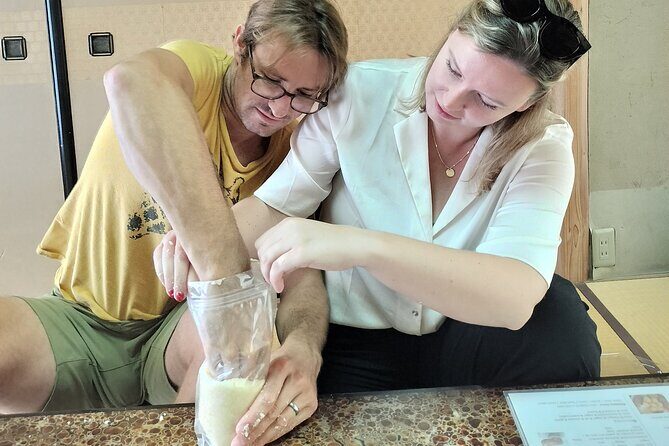
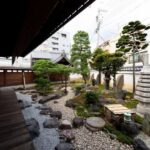
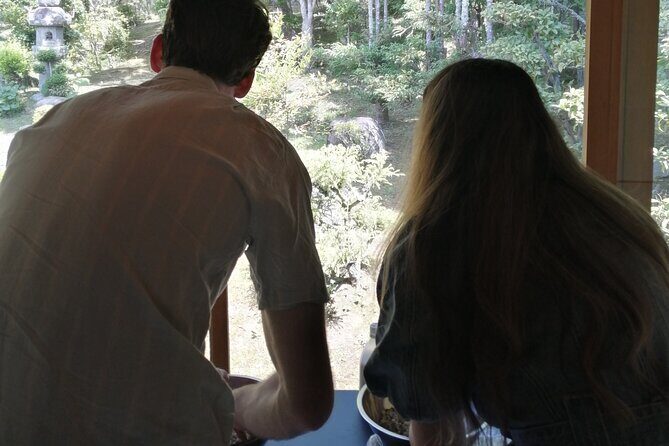
Kyoto has no shortage of cooking classes. What makes this one practical is the way it treats miso as a daily wellness tool, not a one-off souvenir. The workshop happens inside a Japanese old residence, which already sets the right mood. Think slower pace, simple kitchen rhythms, and a feeling that food is something you learn to live with.
The class also explains why miso matters beyond flavor. They frame it around gut and overall wellness. You get the “why” in plain terms, then you do the “how.” If you’ve ever wondered how to connect food habits with how you feel day to day, this is built for that bridge.
Finally, the miso they make is okara miso, meaning it uses tofu refuse (okara) instead of the traditional route starting from dried soybeans. That choice shapes the whole experience: quicker process, and a strong eco-story you can actually tell at dinner later.
You can also read our reviews of more tours and experiences in Kyoto.


Price and timing that actually make sense
At $46.15 per person for about 1 hour, this is not cheap like a street snack. But it is good value when you look at what you leave with and what you do. You take home around 500g of your own miso, you get tastings during class, and you get guidance that includes the benefits of miso and how fermentation fits into your routine.
Group size is also a big part of the value. The class caps at 6 people, so you’re not lost in a crowd. For hands-on cooking, smaller groups usually mean less waiting and more time asking questions.
The timing is short, which can be perfect if you’re touring Kyoto and don’t want to lose half your day. Just know you’re doing a single workshop block: learning the process, making your batch, tasting, and packing up.
Where you meet and how to show up ready
You meet at Kaze no Waon, 14 Utanokitanoinchō, Ukyo Ward, Kyoto (616-8201). It’s near public transportation, and the experience ends back at the meeting point, so you won’t need a complicated transfer plan after.
Plan to arrive at your reserved time. This class runs like a kitchen schedule, not a drop-in museum stop. Since fermentation takes time, the workshop concentrates on what you can do right now: preparing, mixing, tasting, and portioning for the jar you’ll take home.
You’ll have a mobile ticket. Make sure you can access it on the spot, especially if you’re hopping between stops in Kyoto on short timing.
The okara miso method: why this recipe is easier
Traditional miso often starts with soaking dried soybeans, boiling them until soft, mashing, and then fermenting for months. That process is meaningful, but it’s also long.
Here, the class uses okara (soybean skin / tofu refuse). That changes two things for you:
1) It speeds up the “hands-on” part of the class.
2) It reframes the ingredients. Okara is healthy and nutrient-rich, yet it’s commonly discarded as industrial waste. Turning it into miso is a practical way to waste less.
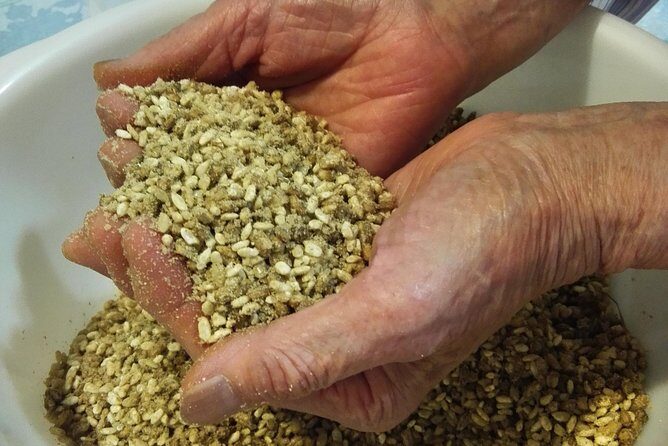
During the workshop, you’ll hear the benefits of miso and learn how the method works. Then you’ll actually make okara miso. You mix your own ingredients under Naomi’s direction, which is where the fun kicks in. The process is the lesson, not just the lecture.
They also use koji seasoning and other traditional natural seasoning. Koji is one of those Japanese food building blocks you hear about a lot for fermentation. In this class, it’s part of what makes your batch workable for what comes next—time and fermenting.
Wellness talk that stays food-centered
This isn’t only about stirring a bowl. Naomi also explains how miso ties into improving intestinal environment, and how that connects to physical and mental wellness. The class headline is about strengthening immunity, and the wellness angle is clearly linked to gut health.
I like this because it stays grounded in food mechanics: fermentation, nutrients, and routine use in cooking. You’ll hear how to think about wellness across daily life, not just treat the jar as a novelty.
One caution: fermentation science is not magic you can rush. Your batch needs time to ferment, and that’s true in every miso style. So when you go, go for the education and the future convenience. You’re building an ingredient you’ll use in months, not a dish you finish on the spot.



Step-by-step: what happens during the class hour
Here’s the flow you can expect when you arrive:
First, you get an explanation of the benefits of miso and the basics of how it’s made. They connect the ingredient to wellness, then they translate the process into steps you can follow.
Next, they talk about intestinal environment and why fermented foods fit into that conversation. It’s designed to make the recipe feel purposeful, not random.
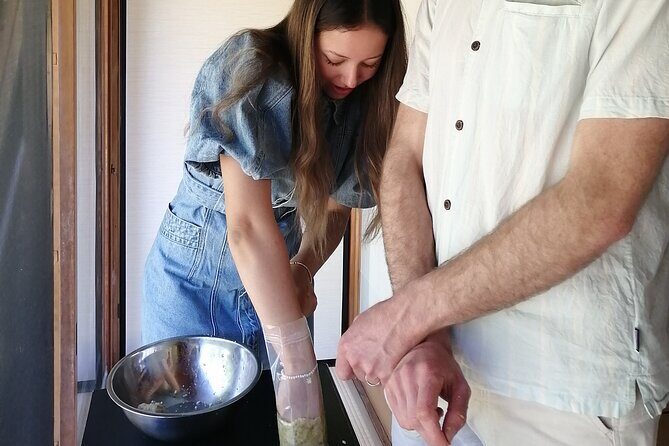
Then it’s hands-on time. You make the okara miso using their method. This is where you’ll do the mixing yourself, guided by Naomi. Since the group is small, the instruction stays close.
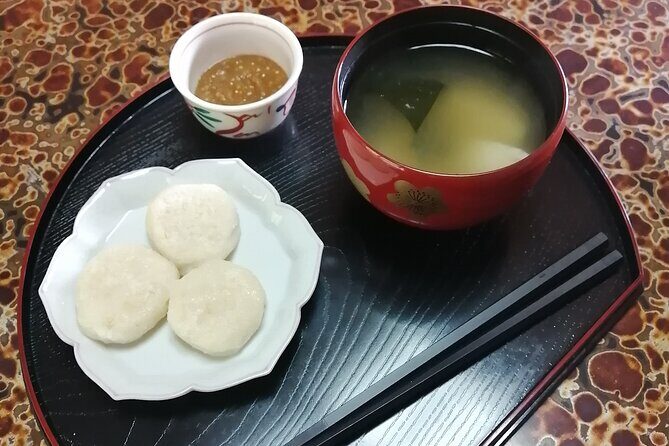
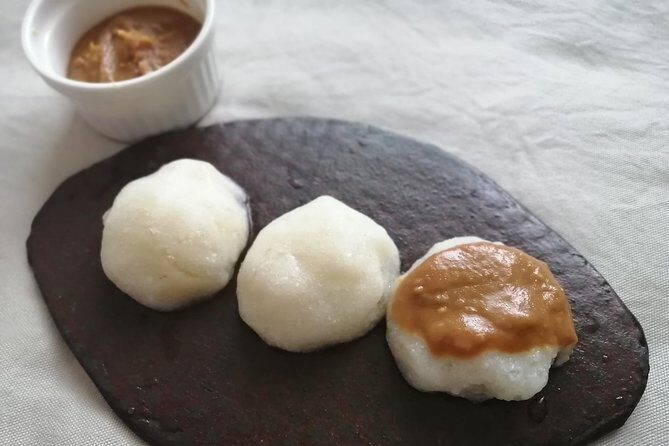
After the batch work, you shift to tasting. You’ll sample miso soup, miso paste, and okara mochi. That last item is a smart move because it shows okara isn’t only for miso paste. It can become a different texture and use in the kitchen.
Finally, you take home what you made. Expect about 500g of miso you’ll continue fermenting at home and cooking with later.
Tastings that help you understand what you made
Tasting is built into the class, and that’s a big reason it feels complete. Fermented foods can be hard to judge if you only rely on theory. When you taste miso soup and miso paste during class, you get a real sense of texture and flavor direction.
The miso soup tasting gives you a practical reference point: how miso behaves when warmed and diluted. The miso paste tasting helps you learn what you’re actually making and what to look for later as it develops.
And then there’s okara mochi, which stands out for pure curiosity value. It’s also a useful reminder that the same ingredient stream can become multiple foods. If you’re thinking eco-friendly cooking, this is the kind of example that changes how you shop and plan.
Taking home 500g: how to use your miso later
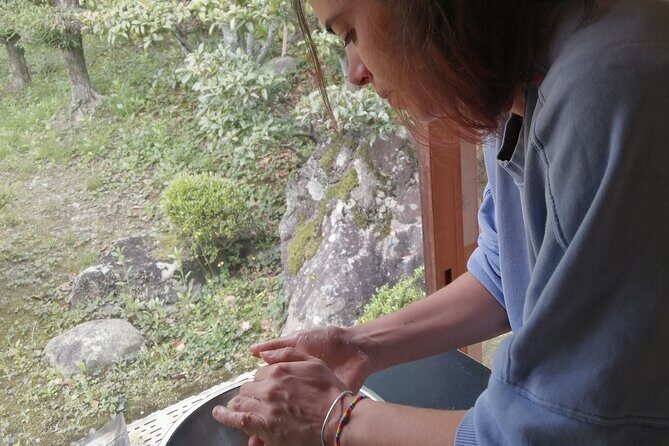
The class promises you can bring your handmade miso home, about 500g. That’s the part you’ll appreciate back at your rental or hotel. You can plan meals around it, and you’ll have a homemade ingredient that feels personal.
Remember the fermentation timeline: miso takes more than 3 months to ferment. So the batch you make in class is not meant to be a fully aged product on day one. The value is that you start your own fermentation journey with guidance and tastings that let you calibrate expectations.
Practical tip: treat your miso as a cooking partner, not just a jar to display. Miso is a convenient seasoning in Japanese cooking, and that’s exactly the angle the class emphasizes. Even small amounts can change soup, vegetables, and sauces.
Dietary needs: gluten-free, MSG-free, vegan available
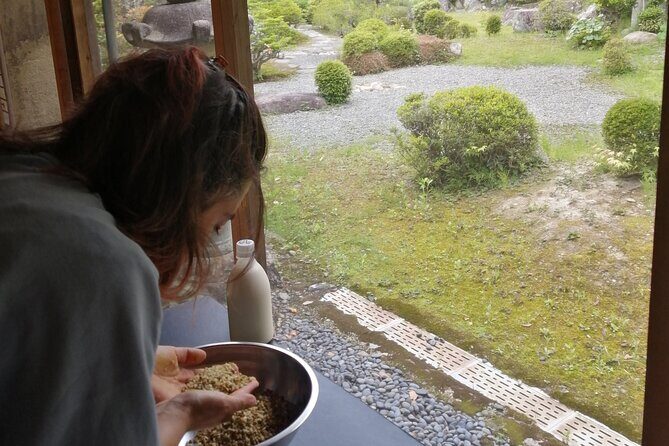
If you worry about food restrictions while traveling, this class is reassuring. The workshop specifically states dishes are gluten-free and MSG-free, and it offers vegan availability.
That matters because miso itself isn’t always automatically vegan depending on the flavoring and process used. Here, they clearly position the class as vegan available while keeping gluten and MSG out of the plan.
If you have a serious allergy beyond gluten, MSG, or vegan requirements, you should still confirm specifics when you book. The data you have is a solid baseline, but detailed ingredient safety questions are always worth a quick check.
Who should book this okara miso class?
This is a good fit if you want more than a recipe card. You’re likely to enjoy it if you:
- like hands-on workshops with step-by-step guidance
- want a Kyoto experience that’s tied to wellness habits, not just sightseeing
- care about eco-friendly cooking and reducing food waste
- enjoy Japanese fermented foods and want to understand fermentation timing
- want a small-group class (max 6 people) where you can ask questions
It may be less ideal if you’re expecting a long, deep cooking session or a serious food tour that spans several hours. It’s one hour, and it’s designed to be efficient.
Also, if your schedule is tight around weather, keep in mind it requires good weather. Kyoto can surprise you.
Quick reality check before you book
This class is built around a process that takes time. You’ll make miso now, taste along the way, and then wait for the full fermentation at home. If that sounds like a fun science project you can fold into your meals for months, you’ll likely love it.
If you want immediate results in a single sitting, look elsewhere. Your reward here is a homemade ingredient and the knowledge to use it confidently.
Should you book this okara miso class in Kyoto?
If you want an authentic-feeling Kyoto food workshop with a small group, you should book it. The best reasons are practical: you get a guided, hands-on batch, tastings included, dietary-friendly options, and a take-home jar of about 500g made with okara.
The one real caution is the fermentation timeline and the weather dependency. If your plans can flex and you’re excited to start a longer fermentation process, this is a smart use of time in Kyoto.
Book this when you want something usable afterward. Not just a memory—an ingredient.
FAQ
How long is the miso-making experience?
It lasts about 1 hour.
What is the price per person?
The price is $46.15 per person.
How much miso will I take home?
You can take home about 500g of the miso you make.
What makes this miso class different from traditional miso making?
They make miso using okara (tofu refuse) instead of starting from whole soybeans.
Does the class include tastings?
Yes. Tastings include miso soup, miso paste, and okara mochi.
Is the class suitable for gluten-free or vegan diets?
The dishes are gluten-free and MSG-free, and vegan options are available.
Does the class fermentation process take a long time?
Yes. Miso takes more than 3 months to ferment.
What is the group size?
The experience has a maximum of 6 travelers.
Where is the meeting point in Kyoto?
Meet at Kaze no Waon, 14 Utanokitanoinchō, Ukyo Ward, Kyoto, 616-8201, Japan.
What happens if weather is poor or I need to cancel?
The experience requires good weather. If it’s canceled due to poor weather, you’ll be offered a different date or a full refund. If you cancel for any other reason, it is non-refundable and cannot be changed.