REVIEW · KAGOSHIMA
Kagoshima Gardens & Shrines — Local Bus Guided Tour (Small-Group)
Book on Viator →Operated by 鹿児島の本当の魅力に触れる 地元ガイドと巡る隠れた名所ツアー · Bookable on Viator
Quiet Kagoshima is the point. This small-group tour takes you to the Shimazu Tamazato garden and two historic shrines, with local bus and tram help to keep things easy. I like the way the guide, often Hitomi, turns each stop into a story you can actually use.
You’ll also get practical shrine etiquette—including how to use the hand-washing routine and how to bow—plus a calm pause for a short crystal-singing-bowl style meditation in the garden. The trade-off: it’s not a fast, photo-every-minute itinerary, so if you need constant big sights, the pace may feel slow.
In This Review
- Key things I’d watch for
- First impressions: a calm Kagoshima day that still feels full
- Getting your bearings: meeting near JR Kagoshima Chuo Station
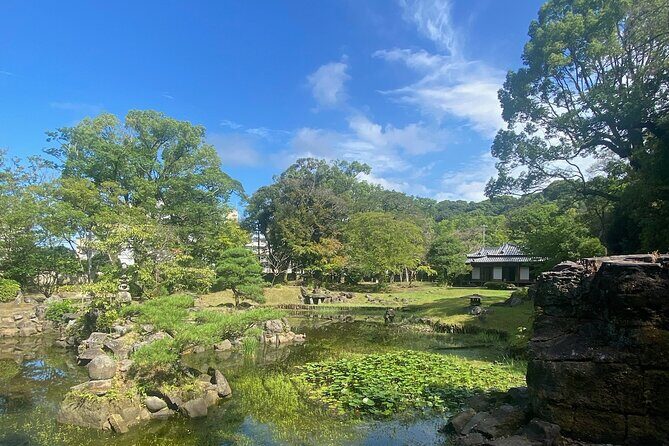
- Tamazato House Gardens of Shimazu: water, bamboo, and tea-room traces
- Kagoshima Shrine (Ujise Daimegami): etiquette you can repeat at home
- Kagoshima Gokoku Shrine: modern remembrance in a quiet setting
- The “small-group + local transport” advantage (and why it matters)
- How the time adds up: what your 2.5 to 3 hours really feels like
- Value check: is $71.67 a fair deal?
- What to expect from the guide (and why it shows)
- A heads-up for year-end changes in the plan
- Who this tour suits best
- Should you book this Kagoshima garden-and-shrine tour?
- FAQ
- FAQ
- How long is the tour?
- What’s the group size?
- What does the price include?
- Are admission fees included for the stops?
- What ticket will I use?
- Where do I meet the tour?
- Is there a lunch break during the tour?
- What about tips for the guide?
- What happens if the weather is bad?
- If the garden is closed around New Year, what changes?
Key things I’d watch for
- Max 5 people means you’re not lost in a crowd
- Public transport included (city bus and streetcar fares) keeps the trip simple
- One free garden stop + two free shrines helps the value math
- Shrine etiquette is taught, not just described
- A quiet meditation moment fits the whole theme of the tour
- A year-end swap plan exists if Tamazato garden is closed
First impressions: a calm Kagoshima day that still feels full
Kagoshima has plenty of busy sightseeing, but this tour is built for the quieter side of the city. You start near Kagoshima Chuo Station and then move by city bus and streetcar, which is a big deal if you’re not sure where you’re going yet.
The small group size (up to five) also changes the experience. You can ask questions, hear explanations clearly, and stay present instead of racing from one landmark to the next.
You can also read our reviews of more guided tours in Kagoshima

Getting your bearings: meeting near JR Kagoshima Chuo Station

You meet at the Statues of Satsuma Domain Samurais Japan, in front of JR Kagoshima Chuo Station (East Exit Plaza). The good news is the meeting point is anchored to a major station area, so you don’t have to play guessing games with side streets.
The tour uses public transportation, and the fares for the bus and streetcar during the trip are included. That makes budgeting easier, and it also means you’re traveling the way local people do.
Tamazato House Gardens of Shimazu: water, bamboo, and tea-room traces
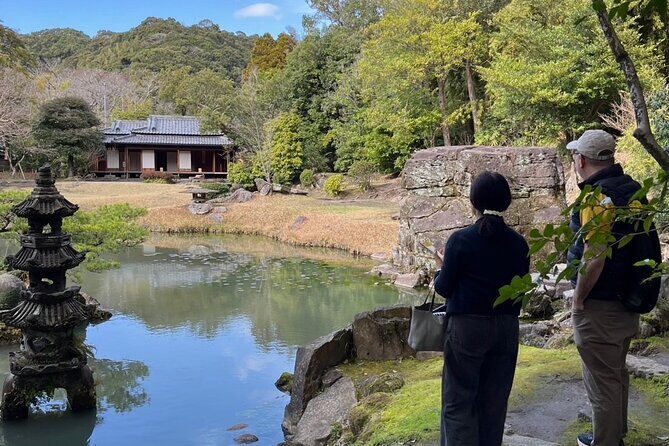
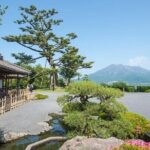
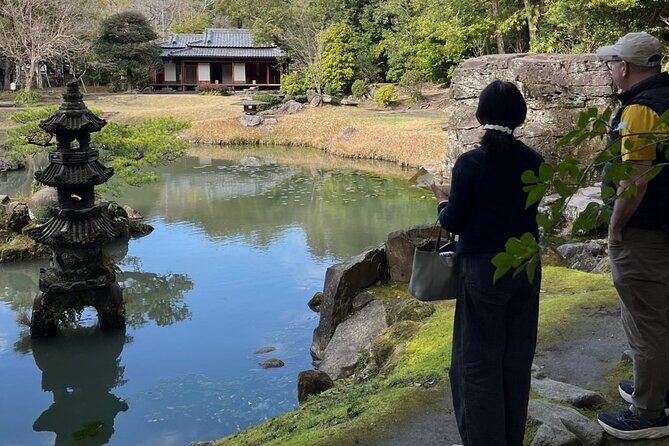
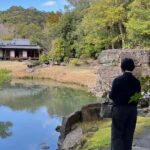
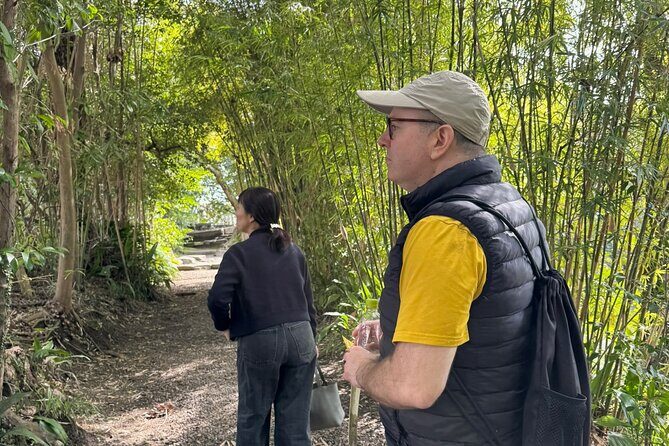
Your first stop is the Tamazato House Gardens of Shimazu, an Edo-period daimyo garden tied to the Shimazu family. Even if you know nothing about feudal Kagoshima, the layout gives you the lesson quickly: ponds, bamboo, and carefully composed walking paths all work together to create a calm rhythm.
This garden visit is timed at about 40 minutes, with admission listed as free. In that span, you’re not asked to sprint through. Instead, the guide can point out how the scenery is meant to feel—measured, quiet, and slightly ceremonial.
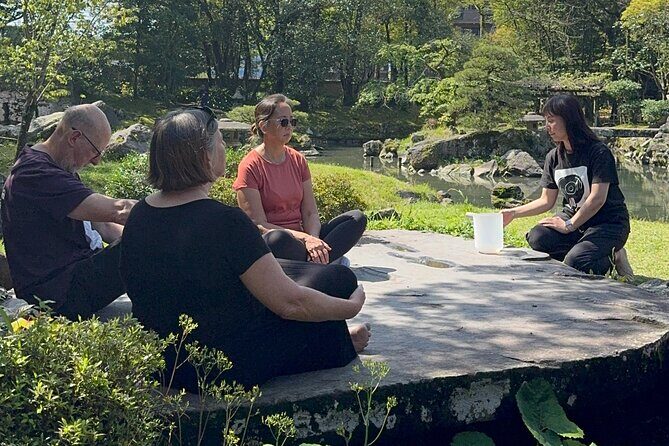
One detail I really value here: you may get a short meditation-style pause using a crystal singing bowl, described as peaceful while listening to garden water. It turns the garden from something you see into something you slow down enough to notice.
Practical note: gardens involve foot travel. Bring comfortable shoes and expect a gentle walking pace rather than a sit-down “museum” feel.
Kagoshima Shrine (Ujise Daimegami): etiquette you can repeat at home
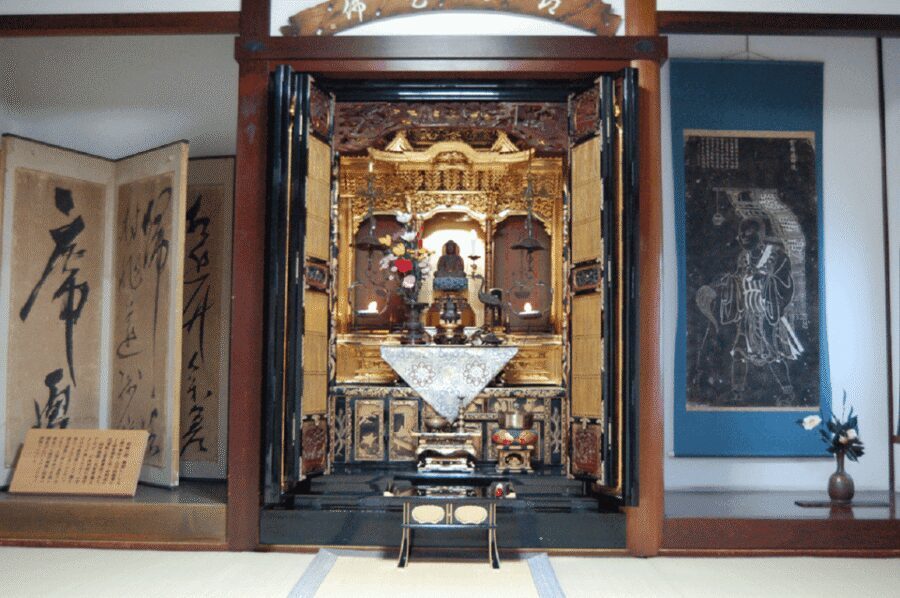
After the garden’s quiet, the tour moves into shrine space—Kagoshima Shrine, dedicated to Ojinshin Tenno (Ōjin/Tenjin) (listed as the main deity in the tour description) and described as one of Kagoshima’s older shrines. It’s a different mood: less “designed landscape,” more lived spiritual practice.
The visit is about 20 minutes, and admission is free. That shorter time works well because the value isn’t just seeing structures—it’s learning how to do the basics correctly.
The guide explains shrine etiquette in a way that’s easy to follow: how to handle the torii area respectfully, how to use the hand-washing (temizu) routine, and how to bow during worship. If you’ve ever stood in front of a shrine thinking, I hope I’m doing this right, this part is why the tour feels practical.
And there’s also a specific local visual you’re likely to notice: a large camphor tree (kusu) is mentioned as a feature within the grounds. Even if you skip memorizing details, you’ll remember the scale.
Kagoshima Gokoku Shrine: modern remembrance in a quiet setting
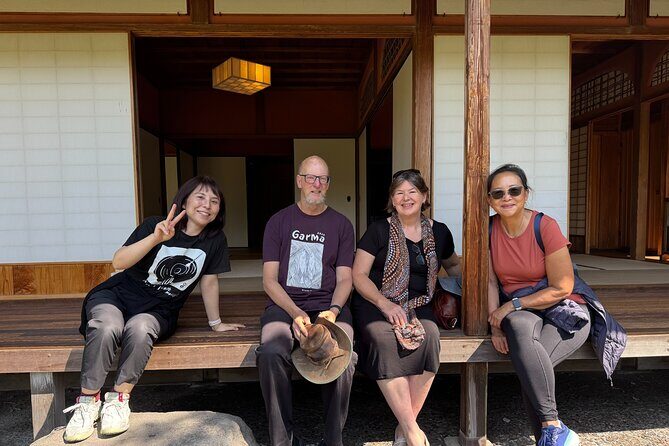
The third stop is Kagoshima Gokoku Shrine (鹿児島縣護國神社). This shrine is connected to Kagoshima’s history from the late Edo and into the modern era, honoring spirits described as Kagoshima-related heroes (英霊).
The tour time here is about 30 minutes, and admission is also listed as free. This stop balances the day: the earlier shrine is about an older, ongoing local faith; this one is about remembrance tied to national history.
What I like about including a shrine like this in a route with gardens is the pacing. It doesn’t feel like a “history lecture.” Instead, you get guided context that helps you read what you’re looking at while keeping the atmosphere respectful and calm.
If you tend to enjoy places where culture and memory meet quietly, this is the stop that often sticks with people after they leave Kagoshima.




The “small-group + local transport” advantage (and why it matters)
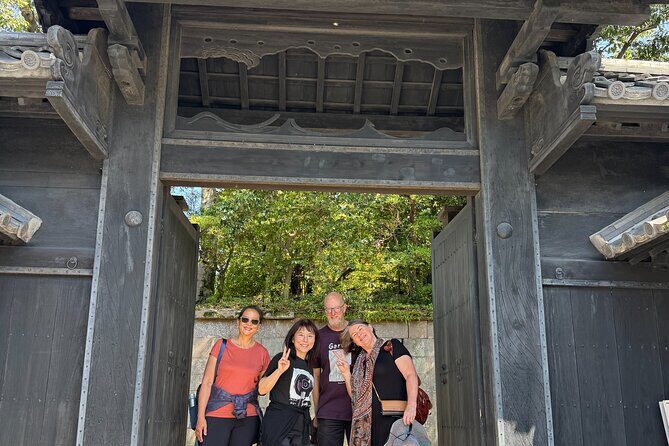
Most tours try to fight a city’s transit system. This one politely avoids that problem by building the route around city bus and streetcar travel.
Because the public transport fares are included during the tour, you’re not constantly pulling out a fare calculator. And after the tour, you can ask the guide about getting a Kagoshima city one-day pass for bus and streetcar if you plan to keep sightseeing.
A small group also keeps the logistics flexible. If someone needs a moment, you don’t feel like the whole day derails.
One more detail: the tour uses a mobile ticket. That’s a nice low-friction touch, especially if you’re juggling a few reservations while you’re in Japan.
How the time adds up: what your 2.5 to 3 hours really feels like
The duration is listed as about 2 hours 30 minutes to 3 hours. That sounds short until you realize it’s not just travel time—it’s built-in explanation time at each stop.
Stop one (Tamazato) is about 40 minutes, plus the travel between locations. Then you move to a 20-minute shrine visit, followed by a 30-minute shrine visit. The pacing makes sense: you get two “active learning” periods (shrine etiquette and shrine context) and one longer calm period (the garden).
If you like guided context more than checklist tourism, this timing is a good match.
Value check: is $71.67 a fair deal?
At $71.67 per person, you’re paying for three things: a guide, interpretation, and the city transport used during the tour.
The practical value comes from the basics being covered:
- The guide is included.
- Bus and streetcar fares during the tour are included.
- The garden and both shrines list free admission.
So your money goes toward the thinking part: learning what the sites mean and how to participate respectfully. If you’ve done Japan tours where you’re just ferried between photo stops, you’ll probably feel the difference here.
Also, the cap of five travelers matters. That’s part of what makes the explanations land, rather than turning into background noise.
What to expect from the guide (and why it shows)
The guide is central to the experience, and the name Hitomi comes up in the tour’s feedback as a strong point. She’s described as speaking very good English and explaining the history and culture with passion—plus she includes a calm moment with the crystal singing bowl in the garden.
Even if your guide isn’t Hitomi, you can reasonably expect the tour style to be similar: clear explanations, culture focused, and a gentle pace that helps you ask questions.
This is also the kind of tour where the quiet parts aren’t just filler. The whole day is designed around slowing down enough to understand what you’re seeing.
A heads-up for year-end changes in the plan
There’s an important seasonal note: if the Tamazato House Gardens of Shimazu are closed around year-end (such as New Year season), the tour adjusts. The content changes to a different route that includes a visit labeled as a three-shrine tour, and the movement switches to streetcar. The description says it may take about 30 minutes less than the usual tour.
So if your trip overlaps that window, don’t panic. You still get shrine-focused time and Kagoshima shrine culture, just with a revised route.
Who this tour suits best
This experience fits you if you want:
- Culture with context, especially shrine etiquette
- A calmer Kagoshima day instead of an all-day sprint
- A small-group setting where explanations are actually audible
- A blend of garden atmosphere and respectful shrine visits
It might not fit you as well if you want:
- A high-intensity schedule
- Big-name headline sights with lots of crowds
- A tour where you spend more time photographing and less time learning
Should you book this Kagoshima garden-and-shrine tour?
I’d book it if you’re the type who enjoys doing things the right way—bowing at shrines with confidence, washing your hands without guesswork, and spending time in a garden long enough to feel the atmosphere. The small-group size and the guided etiquette lessons make the price feel earned.
Skip it only if you’re chasing speed and spectacle. This tour is about quiet understanding more than checklist completion, and it works best when you’re in that mindset.
FAQ
FAQ
How long is the tour?
The tour is listed at about 2 hours 30 minutes to 3 hours.
What’s the group size?
The tour has a maximum of 5 travelers.
What does the price include?
It includes the guide and the public transportation fares (city bus and streetcar) used during the tour.
Are admission fees included for the stops?
Admission for the garden and both shrines is listed as free.
What ticket will I use?
You’ll use a mobile ticket.
Where do I meet the tour?
You meet at the Statues of Satsuma Domain Samurais Japan, JR Kagoshima Chuo Station front East Exit Plaza (890-0053 Kagoshima, Chūōchō).
Is there a lunch break during the tour?
No. There is no food break, and lunch isn’t included.
What about tips for the guide?
Tips are optional. There’s no requirement mentioned in the tour details.
What happens if the weather is bad?
The tour requires good weather. If it’s canceled due to poor weather, you’ll be offered a different date or a full refund.
If the garden is closed around New Year, what changes?
If Tamazato House Gardens of Shimazu is closed around year-end, the tour content changes to a three-shrine route, using the streetcar and expected to take about 30 minutes less than usual.