REVIEW · KANAZAWA
Kanazawa: Samurai Residence Remains Nomura Family admission
Book on GetYourGuide →Operated by GlobalTix JP · Bookable on GetYourGuide
A samurai home you can actually step into. The Nomura Family Samurai Residence in Kanazawa’s Nagamachi Samurai District still feels like a real place, with the 400-year-old setting and home layout preserved, and I love the Japanese garden experience built right into the grounds. Just be aware it’s not a casual walk-through: you’ll take your shoes off, keep things quiet, and you can’t touch anything.
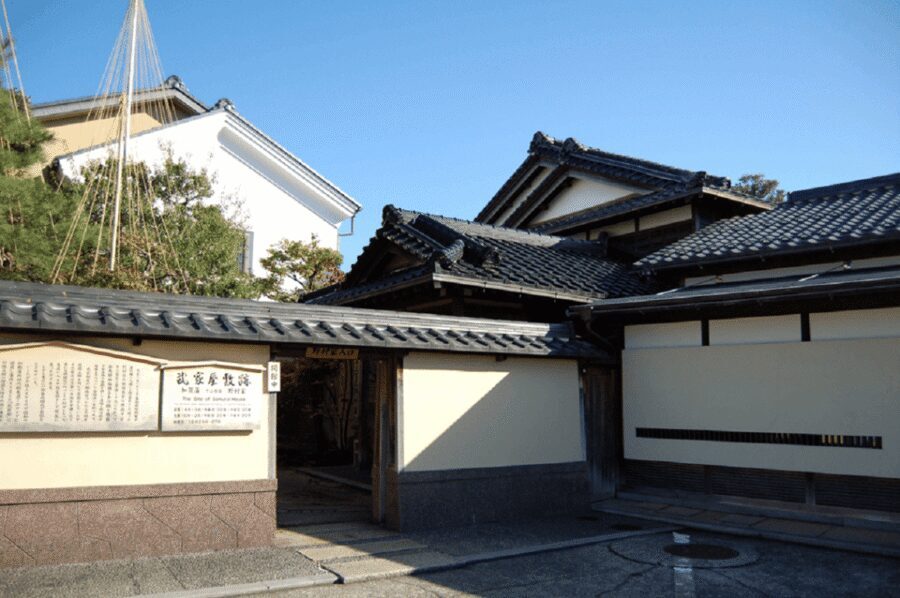
This stop is especially meaningful because it’s the only publicly accessible building and garden within the historic Nagamachi Samurai District. You’re looking at the former home of Nomura Denbei Nobusada, a loyal retainer of Maeda Toshiie, so the visit connects big-name samurai politics to everyday domestic space.
At about $3.55 for admission, it’s one of the better-value history moments in Kanazawa—but you’ll want to follow the on-site rules closely, including no flash photography and limits on bags, umbrellas, and food.
In This Review
- Key things to know before you go
- Nagamachi’s Nomura Residence: what makes it worth your time
- Entering the residence: how the visit usually feels
- The 400-year-old house: architecture details to watch for
- The Japanese garden: a calm break inside samurai life
- Samurai artifacts: how to read what you’re seeing
- Rules that shape the experience (and help it stay respectful)
- Tea, if it’s available: a small comfort during a quiet visit
- Price and value: why this ticket is such a good deal
- How to fit it into your Kanazawa day
- Should you book the Kanazawa Samurai Residence?
- FAQ
- How long is the admission valid?
- Where do I go to redeem my ticket?
- What are the photography rules inside?
- Are food and drinks allowed?
- Do I need to remove my shoes?
- Are there limits on bags and umbrellas?
- Is the ticket refundable?
Key things to know before you go
- Only public Nagamachi samurai house + garden: This is the main preserved site you can enter.
- Nomura Denbei Nobusada’s home: A retainer’s residence, tied to Maeda Toshiie.
- Shoes off inside: You’ll feel how the house is meant to be respected.
- Garden pacing is part of the experience: It’s quiet and designed for slow looking.
- Photography is allowed, but controlled: No flash, and no tripods inside.
Nagamachi’s Nomura Residence: what makes it worth your time
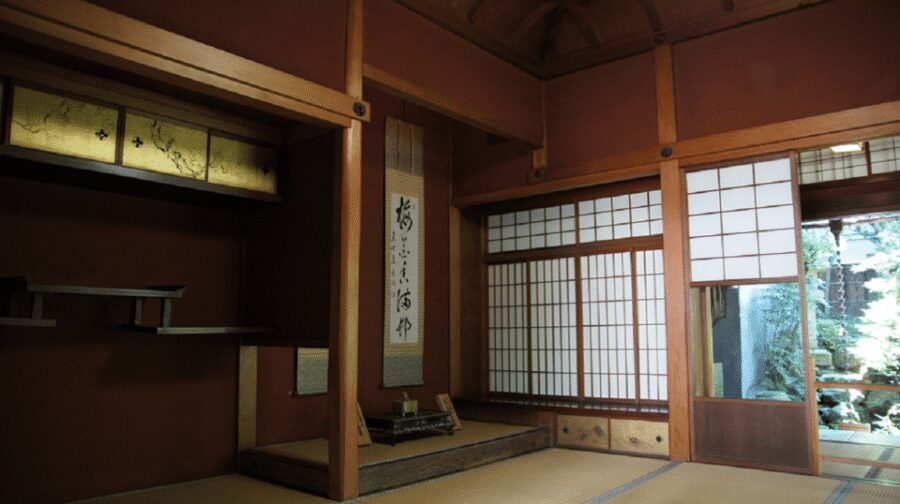
Kanazawa’s Nagamachi Samurai District is known for its preserved samurai-era atmosphere, but most of it is things you view from the outside. The Nomura Family Samurai Residence changes the game because you can actually enter a preserved home and its garden. It’s the district’s only publicly accessible building-and-garden option, which makes it a high-impact stop when you’re short on time.
What I like most is that this isn’t just a “samurai costume” experience. You’re stepping into the former home of Nomura Denbei Nobusada, described as a loyal retainer of Maeda Toshiie. That relationship matters because it frames the house as a working residence within a samurai household system—not just a generic historical site.
Also, the experience is designed for looking. The home’s architecture, the layout, and the garden aren’t background details. They’re the point, and the rules (no touching, keep voices down) support that.
You can also read our reviews of more tours and experiences in Kanazawa.



Entering the residence: how the visit usually feels
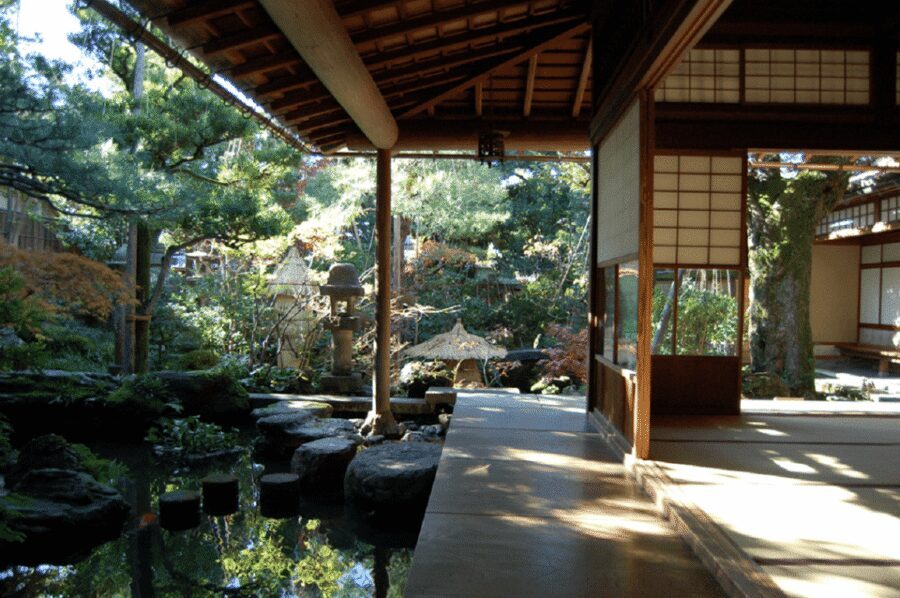
You’ll redeem your ticket by proceeding directly to the Kanazawa Samurai Residence for check-in. The coordinates are 36.5642325, 136.6501985, which can be handy if you’re using a map app. Once you’re inside, you’ll follow staff instructions because this is a preserved interior.
Plan on removing your shoes before entering. That small step changes how you move. You’ll naturally slow down, and you’ll pay more attention to the space around you instead of rushing through like it’s a typical museum.
The flow is basically: the residence first, then the garden areas, with enough time to stop and stare at the details that make a samurai home feel like a home. Some areas may not be wheelchair accessible due to the historic design, so if accessibility is a factor for you, it’s worth going with realistic expectations and asking staff what’s reachable.
The 400-year-old house: architecture details to watch for
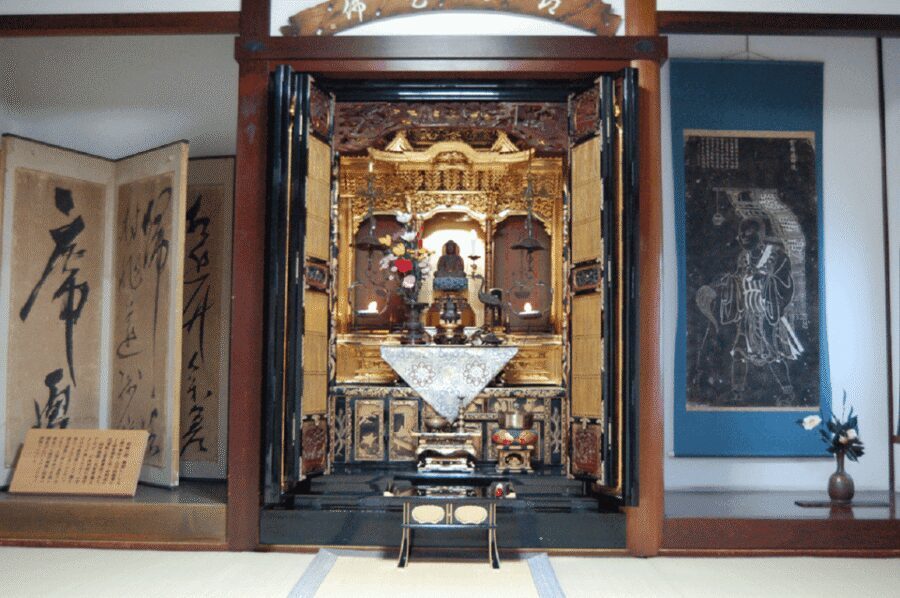
The headline here is the preserved home itself—more than 400 years old. That age isn’t just a number. When a building is preserved, you get a stronger sense of how people lived than you do from reconstructions that feel new.
In the Nomura residence, the architectural details are the main attraction. Look for the way rooms transition and how the residence holds on to its original character. You’re also allowed to take photos (no flash), which helps because you’ll want a couple of images to remind yourself later what you noticed.
The house rules matter too. No touching artifacts, furniture, or displays means the craftsmanship stays intact. It also means your observation skills take the lead. If you’re the type who enjoys noticing how things are built—joinery, finishes, room-to-room structure—you’ll get more out of this visit.
The Japanese garden: a calm break inside samurai life
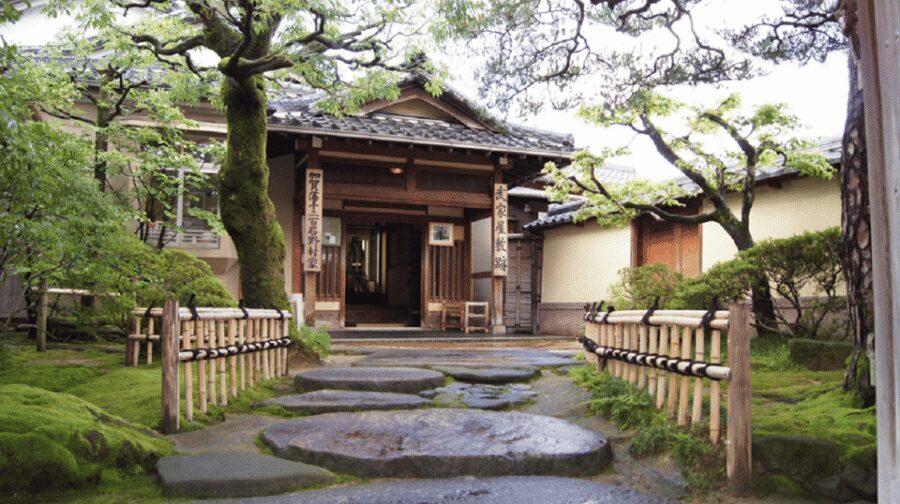
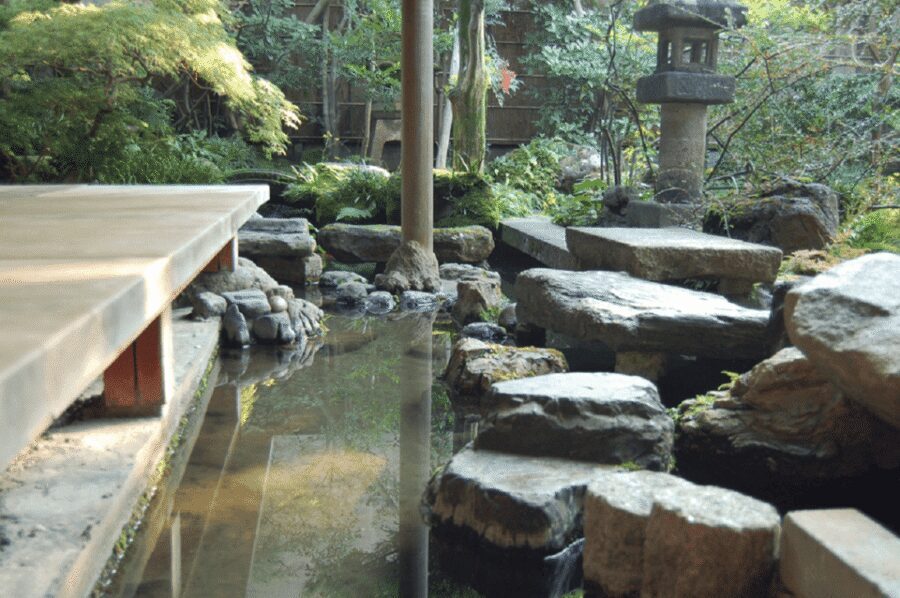
One of the best parts is the serene Japanese garden on-site. Gardens in Japan are often designed for viewing at a human pace, and this one is part of the residence experience rather than a separate sightseeing stop.
Since photography is allowed (just without flash and tripods inside), you can capture the garden’s mood without turning it into a chore. The best approach is simple: give it a few minutes without trying to check off every photo angle. Let the garden settle before you start comparing what you see to other gardens you’ve visited.
If you’re traveling with someone who enjoys calm spaces, this garden is a strong selling point. It balances the more “studied” feeling of an artifact-focused interior with an outdoor setting that’s quiet by design.
Samurai artifacts: how to read what you’re seeing
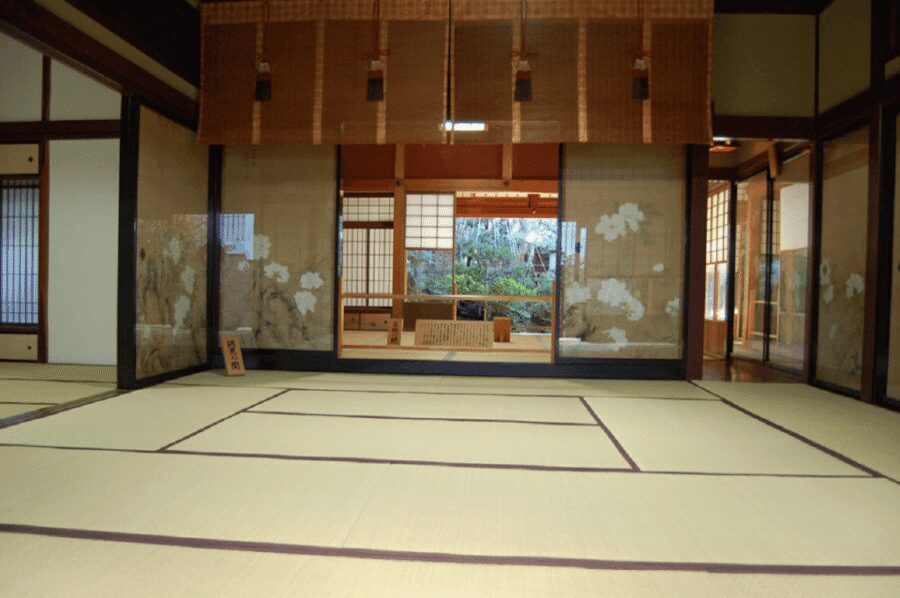
The residence doesn’t just show you buildings; it also presents fascinating historical samurai artifacts. These items help explain the household role of a loyal retainer in a samurai system tied to Maeda Toshiie.
When you’re viewing artifacts in a preserved home, you get a better sense of function. It’s not a “things in glass” situation that floats away from daily life. The artifacts feel like they belong in the rooms around them, which makes the historical context easier to absorb.
My practical advice: don’t try to memorize every item label. Instead, pick one or two artifacts that catch your eye and spend time on those. When you tie one object to the space you’re standing in, the experience sticks.
And since touching isn’t allowed, the main work is visual. Go slowly enough to notice how the displays are set up and how the residence frames these objects.


Rules that shape the experience (and help it stay respectful)
This is a small, rules-driven experience, and those rules are there for a reason: a historic interior is fragile, and a samurai residence is meant to be treated like a respected space.
Here’s what you should expect:
- No smoking
- No food or drinks
- No luggage or large bags
- No flash photography, and no tripods inside
- Umbrellas aren’t allowed
- Keep quiet inside the residence
- Don’t touch artifacts, furniture, or displays
- Follow staff instructions at all times
- Commercial photography or filming needs prior approval
If you’re traveling with kids, note that children under 6 years old can enter for free, but you’ll still need to follow the same household manners once you’re inside.
One booking note from a real-world hiccup: if your entry depends on receiving a QR code, make sure you actually have it before you arrive. There’s at least one recorded case of someone getting stuck at the door because the QR code wasn’t received. I’d rather you be the prepared one than the one standing around hoping staff can sort it out.
Tea, if it’s available: a small comfort during a quiet visit
One detail I think is worth mentioning is that there can be a chance to drink tea in a private area. That shows up as a small comfort option rather than a full-on meal setting, and it fits the residence’s calm tone.
At the same time, food and drinks aren’t allowed on your own, so don’t assume you can bring your own snack-and-sip plan. If tea is offered, it’s usually part of the site experience, not a picnic solution.
Price and value: why this ticket is such a good deal
Admission is listed at about $3.55 per person for a 1-day ticket. That price is low enough that it makes sense even if you’re only planning one or two “hands-on” cultural stops in Kanazawa.
The value comes from three things working together:
- You get access to the only publicly accessible Nagamachi samurai residence and garden.
- The experience includes both interior views and garden time.
- You’re looking at a preserved home tied to named historical figures: Nomura Denbei Nobusada and Maeda Toshiie.
If you’ve already seen other samurai-related sites from the outside, this is the one that lets you slow down inside a real residence environment. In other words, you’re paying for access, atmosphere, and specific preservation—not just for a plaque.
How to fit it into your Kanazawa day
This is a straightforward stop: go directly to the residence, redeem your ticket, and spend your time moving through the interior and the garden at a respectful pace. The ticket is valid for 1 day, and starting times depend on availability.
So how should you plan? I’d pair it with other Nagamachi explorations outside the gates. Do the neighborhood streets for context, then come back for the inside-and-garden details. You’ll understand the district’s vibe faster that way.
If you’re traveling light, you’ll also have an easier time with the “no large bags” rule. You don’t want to spend your energy wrestling luggage or finding storage if you can avoid it.
Should you book the Kanazawa Samurai Residence?
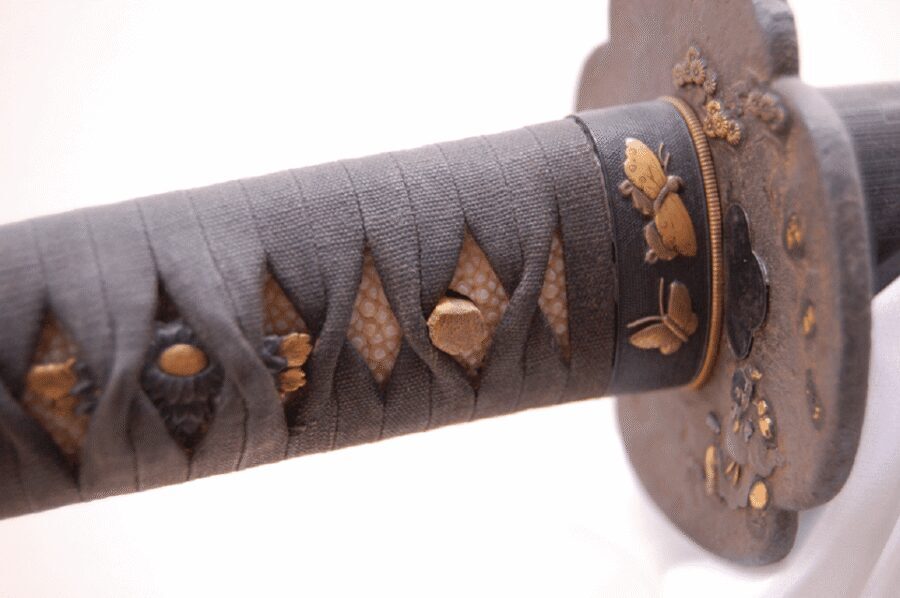
Book it if you want a real sense of how samurai-era life looked at home level, not just from a street view. The combination of a preserved 400-year-old residence, a serene Japanese garden, and samurai artifacts—at a very low admission price—makes it a strong match for anyone who likes architecture, quiet cultural stops, and historical context you can actually see.
Skip it or reconsider if your trip style can’t handle strict house manners (shoes off, quiet voice, no touching, no flash, and restrictions on bags and umbrellas). If accessibility is important, also keep in mind that some areas may not be wheelchair accessible due to the historic design.
FAQ
How long is the admission valid?
The admission is valid for 1 day. Starting times depend on availability.
Where do I go to redeem my ticket?
Go directly to the Kanazawa Nomura Samurai Residence for redemption. The coordinates are 36.5642325, 136.6501985.
What are the photography rules inside?
Photography is allowed, but no flash is permitted and tripods are not allowed inside. Commercial photography or filming requires prior approval.
Are food and drinks allowed?
Food and drinks are not allowed.
Do I need to remove my shoes?
Yes. Shoes must be removed before entering.
Are there limits on bags and umbrellas?
Luggage or large bags aren’t allowed, and umbrellas are also not allowed.
Is the ticket refundable?
No. The activity is non-refundable.