REVIEW · TOKYO
Kintsugi Workshop Class in Shibuya, Tokyo with mon cadeau
Book on Viator →Operated by Mon Cadeau - Kintsugi Workshop · Bookable on Viator
Tokyo needs one slow hour, and this delivers. A kintsugi class in Shibuya turns broken pottery into something meaningful, with a calm start, clear teaching, and a take-home finish. You get an intimate setup (max 6), so the pace feels human, not rushed.
I especially like two parts: the hands-on guidance from the instructors, and the fact you choose the piece you’ll repair from Mon Cadeau’s collection. That combo makes the session feel personal, even if you’re new to Japanese craft traditions.
One consideration: you’re not bringing your own damaged item. You’ll select pottery from what Mon Cadeau provides, so if you want to repair a family heirloom or your own cup, this may not match your plan.
In This Review
- Key points at a glance
- Kintsugi, explained the practical way (and why it fits Tokyo)
- The Shibuya setting: where you meet and how it feels
- Matcha and sweets: the calm start that sets the tone
- Meeting Michiko-san and Yuki-san: teaching that sticks
- Choosing your ceramic: what you’ll actually repair
- Learning the kintsugi tradition: more than a technique
- The hands-on repair part: what the two hours are for
- Tea-table comfort meets careful craft
- Price and value: why $145.35 can make sense
- Who should book this kintsugi workshop
- Logistics that matter for a smooth day
- Should you book Mon Cadeau’s kintsugi class in Shibuya?
- FAQ
- How long is the kintsugi workshop in Shibuya?
- Where does the workshop start?
- What is the group size for the class?
- Do I bring my own broken ceramic to repair?
- Is matcha tea included?
- What is the cancellation policy?
Key points at a glance
- Matcha first, craft second: a calming tea and sweets start that sets the mood for careful work
- Max 6 people: small group size helps you get hands-on attention when you need it
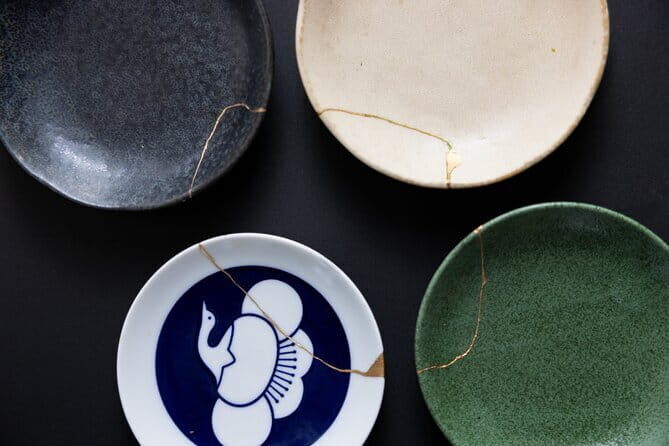
- Pick your own pottery: you choose from Mon Cadeau’s collection before repairs begin
- Gold-glue kintsugi basics: learn the traditions behind repairing with gold
- Instructors named Michiko-san and Yuki-san: patient support that keeps the process doable
- A take-home restored piece: you leave with the repaired item, not just new skills
Kintsugi, explained the practical way (and why it fits Tokyo)
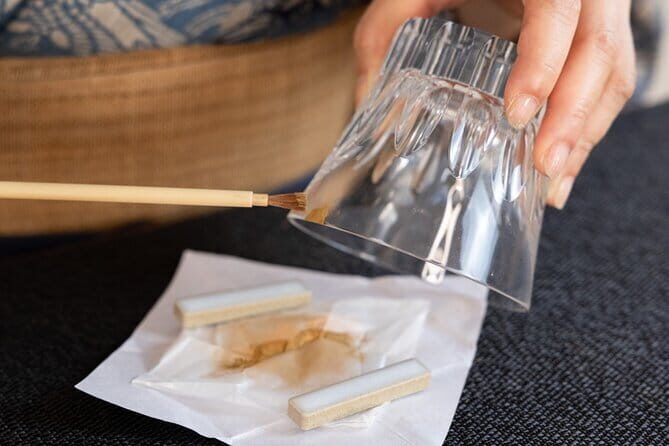
Kintsugi is the Japanese practice of repairing broken ceramics with visible seams—often using gold-toned glue—so the break becomes part of the object’s story. The point isn’t to hide damage. It’s to slow down and treat the repair like a step in the life of the piece.
That mindset matters in Tokyo, where everything moves fast and you can feel time slipping away. This workshop gives you a structure for being present: you look closely at the fracture lines, you work step-by-step, and you see your chosen item transform. You’re not just doing a craft project. You’re practicing patience.
A few more Tokyo tours and experiences worth a look

The Shibuya setting: where you meet and how it feels
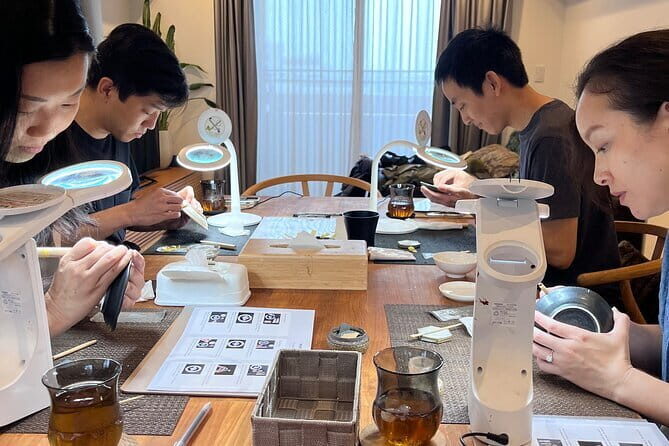
You start at Central Hospital, 25-1 Shinsenchō, Shibuya, Tokyo. It’s near public transportation, which is a relief if your day is packed with trains and walking. The activity ends back at the meeting point, so you don’t get dropped into the city with a half-finished plan.
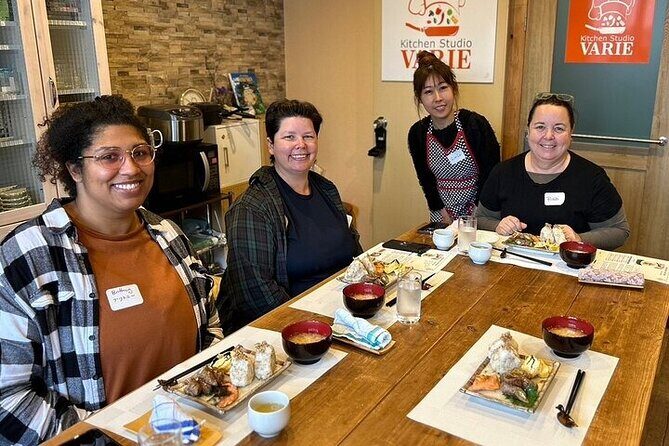
The vibe is small and personal. The workshop happens in a home-like setting, which comes through in how people describe the welcome: tea, snacks, and a relaxed atmosphere where you’re encouraged to ask questions. For many first-timers, that matters as much as the technique, because kintsugi can sound intimidating until someone breaks it down clearly.
Matcha and sweets: the calm start that sets the tone
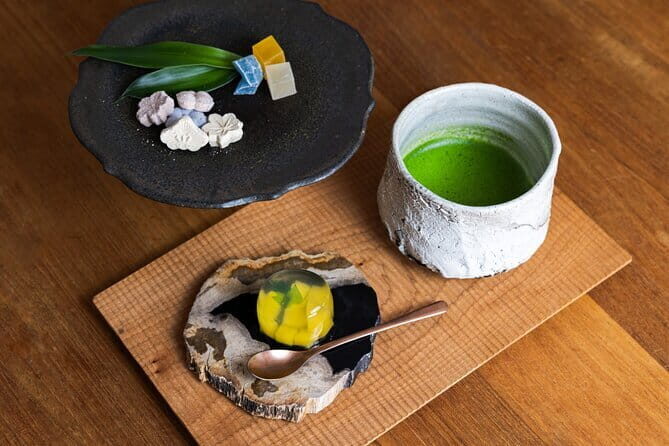
Before the repair work begins, you’ll have a matcha tea experience to get into the right mindset. Along with the tea, you’re served local sweets and snacks.
This isn’t just a nice extra. The early ritual helps you switch from sightseeing mode to careful craft mode. You’ll be handling materials that reward steady attention, so having that quiet ramp-up makes the whole class smoother—especially if you’re arriving after a busy day.
Meeting Michiko-san and Yuki-san: teaching that sticks
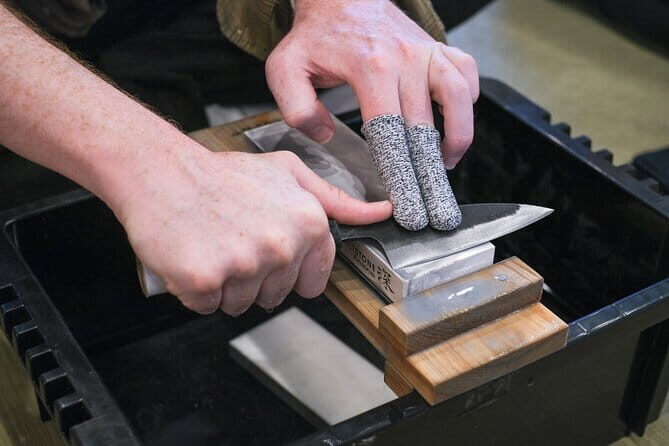
The workshop is led by instructors who are consistently praised for being kind and supportive. Names that come up often include Michiko-san and Yuki-san. The teaching style is hands-on and step-by-step, with enough structure that you can follow along even if you’ve never tried kintsugi before.
What you’re really buying here is not only the gold repair method. You’re buying coaching that prevents common mistakes, like rushing the placement of the seams or losing track of what to do next. When an instructor can see what you’re doing, you get the right kind of corrections at the right moment—so you’re not left guessing.
Choosing your ceramic: what you’ll actually repair
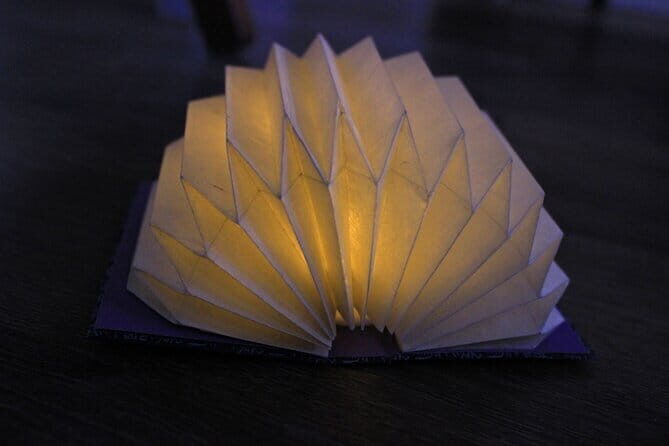
Here’s a key detail: you choose your own piece of crockery from Mon Cadeau’s collection. That means the class provides the broken item, and you select which one you’d like to restore.
This setup is great for most visitors because it removes a logistical headache. You don’t have to hunt for a damaged souvenir or worry about how to transport it. It also means the teaching team can guide you through a repair that fits the workshop’s materials and timing.
Just keep in mind the earlier consideration: if your dream is to repair your own heirloom item, you’ll need a different kind of workshop. This one is designed around choosing from what’s available on-site.





Learning the kintsugi tradition: more than a technique
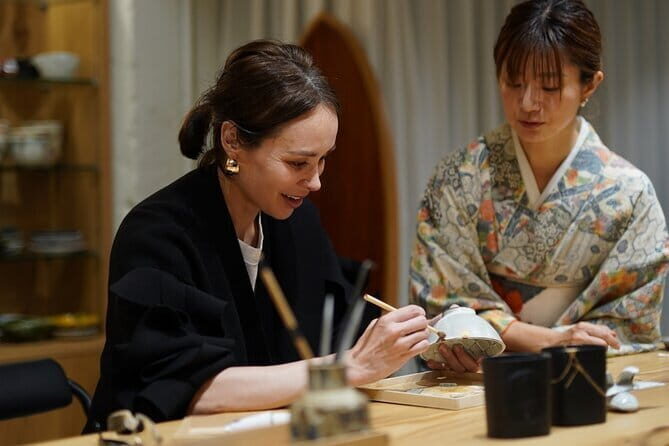
You’ll learn about the origins and traditions behind kintsugi—how for centuries in Japan, broken pottery has been fixed and often made more beautiful with gold glue. The workshop frames kintsugi as both craft and philosophy: a way to treat cracks as something honest rather than something to erase.
That context changes how you look at the final result. Instead of thinking, I made a repair, you end up thinking, I restored a piece of history, even if the history is new to you. It’s a subtle shift, but it’s why people leave feeling more than they expected—especially those who came to Japan specifically to understand cultural practices rather than just collect photos.
The hands-on repair part: what the two hours are for

The workshop runs about 2 hours. During that time, you’ll do the core work: following demonstrations and then restoring your chosen pottery with guidance.
In practical terms, you can expect a rhythm like this:
- You watch a step-by-step demo.
- You try the same step yourself.
- You get personalized coaching while you work.
- You keep going until your piece is restored enough to take home.
Because the group is small (max 6), the instructor can help with the “in-between” problems that happen when you’re working with your hands for the first time. That’s the difference between a class where you do a craft project and one where you learn a repeatable process.
Tea-table comfort meets careful craft
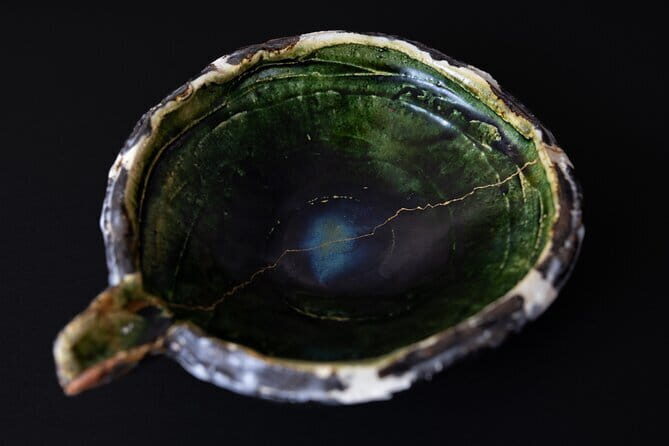
One of the strongest themes in the experience is the atmosphere: it feels like you’re welcomed into a home to learn something important, not shoved into a studio line. The tea and snacks are described as excellent, and the instructors are described as patient and engaged the whole time.
That comfort matters if you’re the type who freezes when you’re unsure what to do. You’ll have permission to ask questions and to take your time. Even if you only know kintsugi from videos, the emotional tone of the workshop helps you focus on the process instead of worrying about getting it perfect.
Price and value: why $145.35 can make sense
The price is $145.35 per person for about 2 hours. In a city like Tokyo, pricing for hands-on workshops varies a lot, but the value here comes from several specific elements that fit visitors:
- Small group size (max 6), which raises the attention you get per person
- Personal guidance, which reduces the risk of ending with a disappointing result
- Tea, snacks, and sweets included in the experience flow
- A take-home restored piece, which means you’re not leaving with only photos
- A private group format, so your class time is focused on your group
If you’re comparing this to a “quick demo” type activity, the price starts to feel more reasonable. You’re paying for coaching plus materials plus a finished object you can actually use or display later.
Who should book this kintsugi workshop
This workshop is a strong fit if you:
- Want a meaningful Japanese craft that connects to philosophy, not just technique
- Prefer small groups where you can ask questions
- Like quieter experiences that break up the sightseeing grind in Shibuya
- Want a hands-on souvenir that doesn’t feel like a factory product
It may not fit as well if you:
- Want to repair your own broken item (you’ll be choosing from the studio’s collection)
- Only want a short, drop-in activity with minimal instruction
- Are expecting lots of cultural touring beyond the workshop itself (this is focused on the class experience)
Logistics that matter for a smooth day
You’ll use a mobile ticket, and you’ll receive confirmation at booking time. The workshop is near public transportation, so you can slot it into a day without long transfers.
Time-wise, plan for around 2 hours plus a buffer for arriving and getting settled with tea. If you’re sensitive to timing, pick a slot that doesn’t squeeze you right into your next reservation.
Also note: service animals are allowed, and most people can participate. If you have specific needs, it’s worth checking directly with the provider before you go, since not every studio runs the same way.
Should you book Mon Cadeau’s kintsugi class in Shibuya?
Yes—if you want a calm, hands-on cultural workshop with a small-group feel and real instruction. This is the kind of activity that can reset your trip: you slow down, learn a respected Japanese tradition, and leave holding a restored piece of ceramic.
Book it if kintsugi appeals to you as a philosophy as much as a craft. Skip it if you’re specifically hoping to repair your own broken item. Otherwise, this class is a solid use of time in Tokyo, especially when you want something authentic that’s not just another stop on a long checklist.
FAQ
How long is the kintsugi workshop in Shibuya?
The workshop lasts about 2 hours.
Where does the workshop start?
The meeting point is Central Hospital, 25-1 Shinsenchō, Shibuya, Tokyo 150-0045, Japan.
What is the group size for the class?
The class is limited to a maximum of 6 travelers, and it’s a private tour/activity for your group.
Do I bring my own broken ceramic to repair?
No. You choose your own piece of crockery to repair from Mon Cadeau’s collection.
Is matcha tea included?
Yes. The class begins with a matcha tea experience, along with local sweets.
What is the cancellation policy?
This experience is non-refundable and cannot be changed for any reason. If it’s canceled because the minimum number of travelers isn’t met, you’ll be offered a different date/experience or a full refund.