REVIEW · KANAZAWA
Kanazawa Half Day E-bike Tour
Book on Viator →Operated by Beyond Kanazawa · Bookable on Viator
Kanazawa on an e-bike feels like a shortcut to the good stuff. You roll past iconic sights and lesser-known corners with a local guide who explains how the city worked in feudal times—then you get a relaxing tea break with matcha and Wagashi.
What I like most is the mix of big-name stops (like Kenrokuen Garden) and the smaller streets where Kanazawa’s character really shows up. Another plus: the pace stays comfortable, with room for photos and questions, and even riders who haven’t been on a bike in years can get up to speed. One thing to consider: the route is best suited if you’re comfortable pedaling and you’re at least 145 cm tall.
Key highlights (what makes this tour worth your time)
- E-bike saves your legs for gardens and castle areas instead of turning the afternoon into a workout.
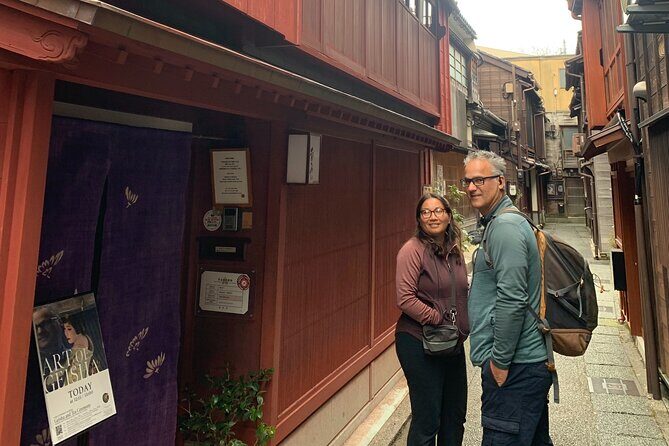
- Higashi Chaya District ride-by plus context on chaya teahouses and their social rules.
- Kenrokuen tea stop includes traditional Wagashi and a view that makes the pause feel like part of the sightseeing.
- Kanazawa Castle Ishikawa Gate area gives you the Maeda-clan story and how the fortress was designed.
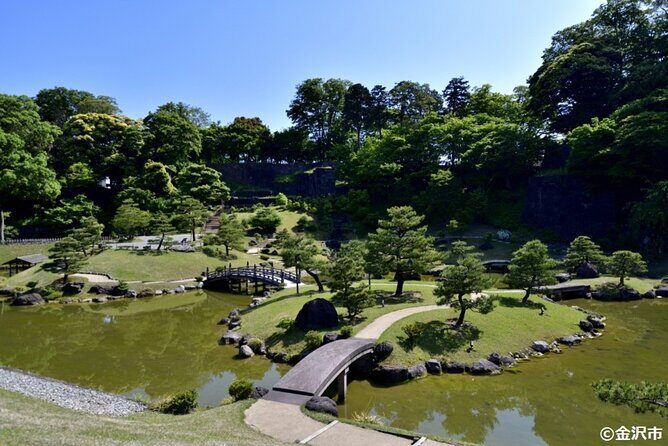
- Gyokusen-immaru Garden is a quieter counterpoint that adds variety after the more famous garden.
- Nagamachi Bukeyashiki samurai lanes lets you see how the warrior quarter was laid out with stone paths and canal-side atmosphere.
In This Review
- Why an E-Bike Works So Well in Kanazawa
- Price and What You Actually Get for $125.50
- Starting at Kanazawa Station: Tsuzumi Gate and Motenashi Dome
- Higashi Chaya District: Geisha-Era Streets Without the Guesswork
- Kenrokuen Garden: Seasonal Beauty Plus the Design Logic
- Around Kanazawa Castle: Walls, Gate Views, and the Maeda Story
- Gyokusen-immaru Garden: A Calmer Reset After the Famous Name
- Nagamachi Bukeyashiki: Stone Lanes, Earthen Walls, and Samurai Life
- The Guides Make or Break It: Rina, Nicola, Ti, Liam (and More)
- Weather and That Rain Plan: What Happens If It Turns
- Who This Tour Is Best For (And Who Should Skip It)
- Should You Book the Kanazawa Half Day E-Bike Tour?
Why an E-Bike Works So Well in Kanazawa
Kanazawa is the kind of city where you can easily spend your day doing the “wrong math”—walking too much between sights, then rushing the places you actually came for. This tour solves that. An electric bike turns longer stretches into a smooth glide, so you arrive at each stop with energy left for the explanations and the photo moments.
Also, the tour’s length is just right for a first visit. It’s about 4 hours, so you get orientation fast: how the districts relate to each other, where power sat, and why the gardens are arranged the way they are. It’s ideal when you want depth without eating up your whole day.
Finally, the guide-led structure matters. You’re not just biking from point to point. You’re learning what to notice—walls, gates, the social logic behind tea districts, and what a restored private garden can tell you.
Price and What You Actually Get for $125.50
At $125.50 per person, this isn’t a “cheap and cheerful” activity. But it’s also not overpriced when you count what’s included.
Here’s what you get that helps justify the cost:
- Electric bicycle rental
- Local guide who stays with you through multiple districts
- Entrance fees (at least the garden admissions are handled)
- Traditional snacks and matcha
What you don’t get:
- Hotel pickup/drop-off
- Extra meals or drinks beyond what’s provided
- Personal expenses
For me, the value angle is simple: your money buys time and clarity. You save energy with the e-bike, and you also save planning time because someone local is handling the route logic and the “what to look for” commentary.
You can also read our reviews of more cycling tours in Kanazawa
Starting at Kanazawa Station: Tsuzumi Gate and Motenashi Dome
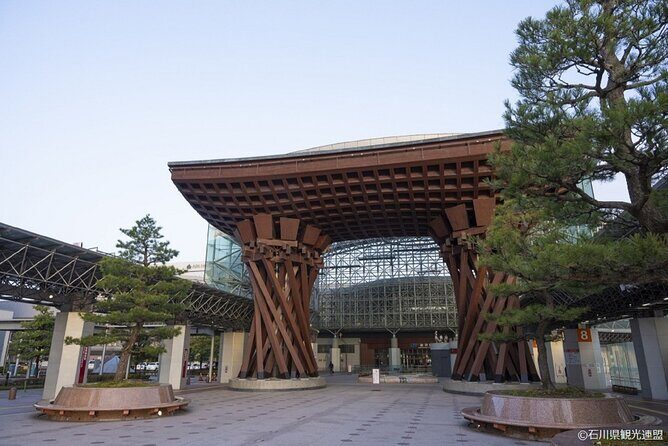
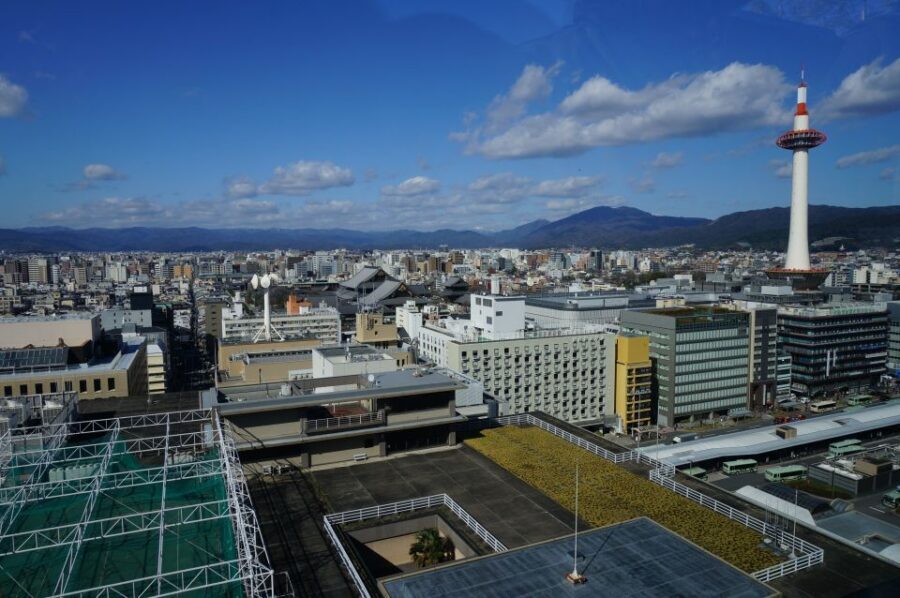
You begin at Kanazawa Station, right near the big visual anchors: the Tsuzumi Gate and the Motenashi Dome. This matters more than it sounds. Starting here helps you understand the city’s layout from the jump, because you get your bearings fast before heading into the older districts.
It’s also practical. The meeting point is at a McDonald’s (1-1-1 Kinoshinbomachi) area, and it’s described as near public transportation. In a city where you’ll likely hop between zones, that kind of access is a real win.
The ride from the station onward sets the tone: you’re not just “going to sights,” you’re moving through Kanazawa like someone who knows which streets feel calm and which ones get busy.
Higashi Chaya District: Geisha-Era Streets Without the Guesswork
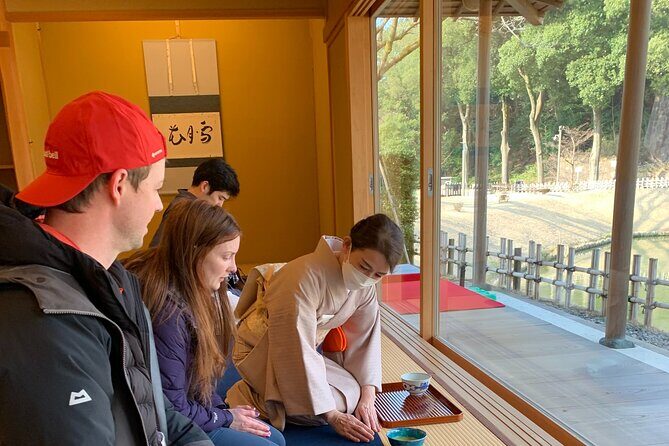
One of the best parts of Kanazawa is walking around old district streets where the buildings hold their shape. This tour takes that same idea but adds the benefits of an e-bike: you can linger for photos, then smoothly reposition to the next point without feeling trapped by distance.
At Higashi Chaya District, you step into an Edo-period atmosphere where chaya (teahouses) were part of a strict social system. The guide explains the origins of chaya culture and the hierarchy that shaped how people interacted. That’s key—without the story, you mainly see architecture and street layout. With the story, you start noticing how the district functioned.
A real-world plus from the experience reports: guides like Rina and Nicola are repeatedly praised for pacing and commentary. If you’re the kind of person who likes asking follow-up questions, this stop is where that tends to pay off.
Drawback to keep in mind: this is a group tour. If your goal is ultra-private wandering, you may feel mildly guided. The trade-off is that you’ll get context instead of guessing.
Kenrokuen Garden: Seasonal Beauty Plus the Design Logic
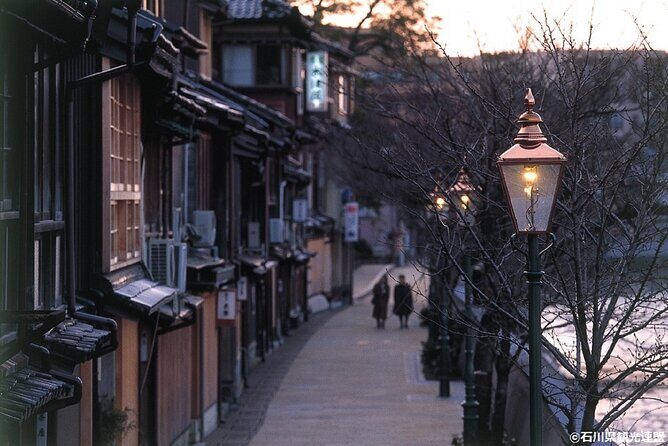
Kenrokuen Garden is one of Japan’s Three Great Gardens, and the tour treats it like more than a postcard stop. You’re given time to stroll the planned paths while your guide explains feudal-era landscape thinking—what the designers wanted you to notice and why certain routes matter.
You’ll also get a standout break: tea in the garden with Wagashi. From the feedback I saw, that tea moment with the garden view is a major highlight. It’s the kind of pause that turns a list of stops into a real memory.
Practical advice for enjoying this stop:
- Wear shoes you can walk slowly in. Gardens reward a slower pace.
- Bring your attention, not just your camera. The guide’s explanations make the layout easier to understand.
One consideration: garden time is limited in a half-day format. You’ll see a lot, but you won’t have all-day freedom to drift anywhere. If you love gardens so much you could spend 3–4 hours, plan a longer revisit on your own.
Around Kanazawa Castle: Walls, Gate Views, and the Maeda Story
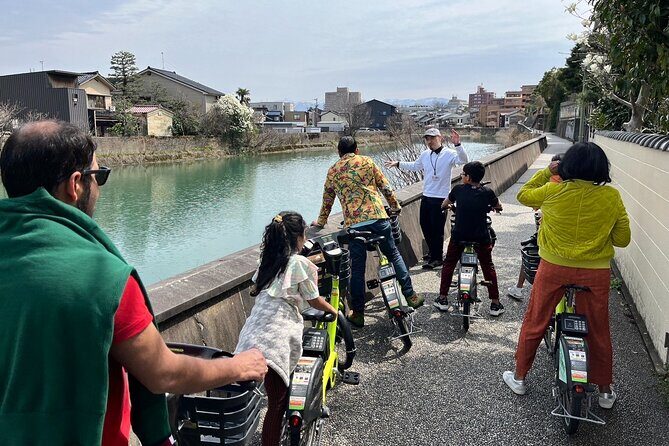
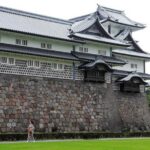
Next you cycle around the Kanazawa Castle area, focusing on the Ishikawa Gate zone. The tour frames the castle as the seat of the Maeda clan for over 280 years. That time anchor helps everything click, because you can connect the later district stories—samurai quarters, social structures, and what all these spaces were built to support.
You’ll also learn about architecture designed for survival. The descriptions include points like fire-resistant storehouses and the way castle layouts can be difficult to navigate. Even if you’re not a military history fan, this kind of practical design talk makes the walls feel less abstract.
Drawback to consider: castle areas can involve a bit of walking on top of cycling. It’s not presented as a heavy hike, but it’s still outdoor movement. If you’re sensitive to heat or rain, plan your day with that in mind.




Gyokusen-immaru Garden: A Calmer Reset After the Famous Name
Right behind the castle grounds, you visit Gyokusen-immaru Garden—a quieter, less-famous counterpart that used historical records for restoration. That detail matters because it turns the garden from just a scenic pause into a “how do we know” lesson: restoration can be guided by documents, not guesswork.
This stop also gives the tour pacing contrast. Kenrokuen is a headline garden. Gyokusen-immaru is the quieter chapter that makes the day feel balanced instead of repetitive.
If you love atmospheric places where you can slow down and breathe for a bit, you’ll likely appreciate this break. It’s designed to be a more meditative counterpoint after earlier stops.
Nagamachi Bukeyashiki: Stone Lanes, Earthen Walls, and Samurai Life
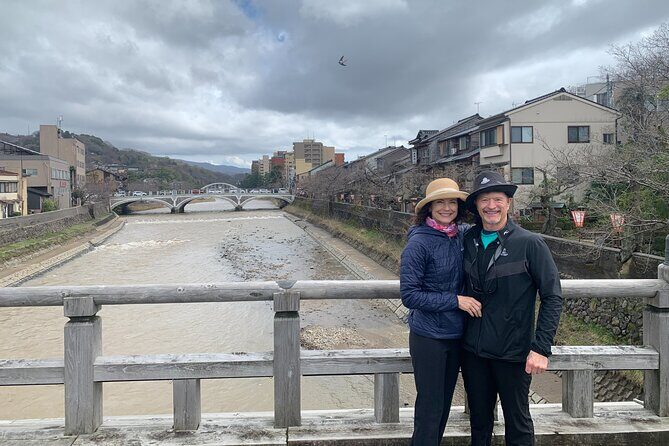
The tour finishes with a ride to the Ruins of Nagamachi Bukeyashiki, the samurai quarter area. This is where the city’s “who held power” story becomes physical. You’ll see stone-paved lanes lined with earthen walls and hear how the warrior class adapted over time.
What I like about ending here is the emotional shape. Earlier stops deal with culture and court-adjacent life. This one brings you back to the daily geography of the samurai—how their neighborhoods were built and how the streets and canal atmosphere shaped everyday routines.
Also, since this portion is described as riding along lanes and canals, it pairs well with e-bike pacing. You get motion without feeling like you’re racing.
One practical note: the tour ends in a different location. That’s not a problem, but it affects your next plan. Before you book, decide what you’ll do after—whether you’ll walk, take public transit, or aim for a nearby meal.
The Guides Make or Break It: Rina, Nicola, Ti, Liam (and More)
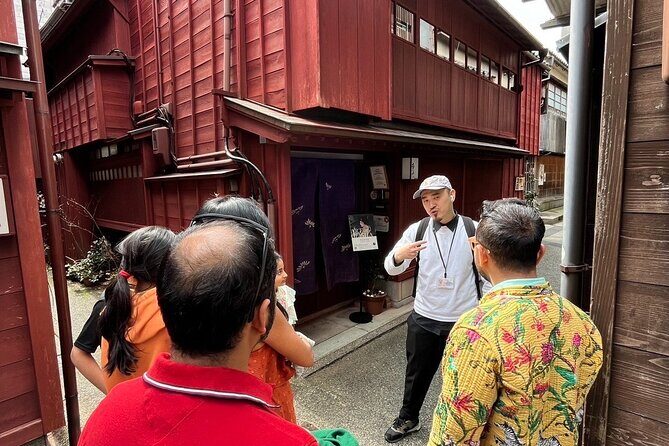
In a tour like this, the guide isn’t a background character. They’re the point. And the feedback you provided makes that very clear.
Names you’ll see connected to top experiences include Rina, Nicola, Ti, and Liam. The praise pattern is consistent:
- Communication that’s easy to follow
- Strong commentary that connects what you’re seeing to why it mattered
- Patience with bike basics—especially for people who haven’t ridden in decades
- A route that avoids overly busy streets when possible
- Extra tips for what to do after the tour
One detail worth flagging: helmets are available upon request in the experience notes, and the guides help with readiness. If you’re a little nervous, that’s a good sign. You’ll likely get some practice time before rolling longer distances.
If you care about practical local advice for restaurants and follow-up sights, this tour seems to deliver. Several comments mention guidance for what to do next after you finish.
Weather and That Rain Plan: What Happens If It Turns
Cycling tours live and die by conditions. The tour has a safety-first weather approach. It may be canceled due to rain, snow, strong winds, or unsafe road conditions.
At the same time, at least one experience report mentions a weather disruption where the day still happened using bus and walking instead. That suggests you might not automatically lose the whole afternoon if conditions get messy. The best move is to keep an eye on the forecast close to departure and accept that your plan might shift.
If you’re visiting during a season known for sudden weather swings, this is still a solid activity—but mentally prepare for a less “bike-heavy” version.
Who This Tour Is Best For (And Who Should Skip It)
This half-day format is built for people who want Kanazawa’s main stories without getting stuck in transit time.
It’s especially good if:
- You’re on your first visit and want a fast orientation
- You want culture context, not just photos
- You want Kenrokuen plus castle and samurai district coverage in one go
- You don’t want to plan every route between districts
- You can handle light cycling and are at least 145 cm tall
You might want to think twice if:
- You want a full, self-guided day at Kenrokuen without set pacing
- You strongly dislike group tours
- You expect hotel pickup (this tour doesn’t include it)
Should You Book the Kanazawa Half Day E-Bike Tour?
If you’re trying to decide between “see highlights quickly” and “slow travel with lots of independent wandering,” I’d lean toward booking this if you want the highlights with explanations and a comfortable pace. The tour’s biggest strength is that it combines iconic stops—Kenrokuen, castle gate areas, and samurai streets—with a guide who helps you understand what you’re actually looking at.
The value equation also makes sense. You’re paying for the guide, the e-bike ride, and covered admissions plus matcha and snacks. That’s a lot of included cost for a half-day, especially when you factor in how much ground you can cover without exhausting yourself.
My final advice: book it if you want your Kanazawa day to feel organized, meaningful, and not overly strenuous. Skip it only if you prefer total independence or you know you’ll want to spend hours longer inside the gardens than a half-day allows.
![[Airport Transfer] Smoothly move between Sapporo and New Chitose Airport with a private car! one way - Meeting your driver: the welcome board system that saves time](https://images.thejapantraveler.com/wp-content/uploads/airport-transfer-smoothly-move-between-sapporo-and-new-chitose-airport-with-a-private-car-one-way.jpg)
![[Once-in-a-Lifetime Experience]Tokyo City Go-Kart Experience Tour - Getting There: ALOHA Go-Kart and What You Need Before You Drive](https://images.thejapantraveler.com/wp-content/uploads/once-in-a-lifetime-experiencetokyo-city-go-kart-experience-tour.jpg)