REVIEW · KAGOSHIMA
Kagoshima Private & Custom Tour with Licensed Guide and Vehicle
Book on Viator →Operated by TABIKAGO(たびかご) · Bookable on Viator
Kagoshima is one city with two faces. You get coastal heritage and samurai-era culture, then you pivot to Sakurajima’s active-volcano reality—all in a private, custom setup. I like that you’re not shoved into a fixed route; you pick 2–3 sites that match your energy and interests. I also like the small details that make it easy to travel smoothly: a licensed English guide, a government-licensed vehicle, bottled water, and help finding your pickup with a name sign. One thing to watch: many top attractions have separate admission fees and, on Sakurajima day, the ferry and vehicle fare may add cost.
If you want a day that feels like you planned it yourself (without doing the hard work), this is the kind of tour style that works. The big win is control: you can move at a family pace, senior pace, or fast pace, and you won’t be mixed into other groups. The tradeoff is that you’ll need to choose priorities carefully, since 6 hours only allows a small slice of what Kagoshima has to offer.
In This Review
- Key highlights you should care about
- Private Kagoshima touring: what makes it work in real life
- Price and what you really get for $625.94
- Sengan-en and the Shimadzu world: elegant gardens plus power
- Satsuma modernization on your radar: Shoko Shuseikan and foreign engineers
- Kiriko glass and craft shopping without wasting time
- Shiroyama, the restored castle gate, and Tenmonkan city energy
- Sakurajima day: volcano viewpoints and the public footbath
- Sakurajima Visitor Center
- Yunohira Observatory
- Sakurajima Yougan Nagisa Park public footbath
- One important caution
- The aquarium and Meiji Restoration museum: water views and national change
- Saraku hot sand baths: calming for some, a no-go for others
- Chiran’s peace and samurai atmosphere: Kamikaze museum and Little Kyoto
- Chiran Peace Museum
- Chiran Samurai Residence Complex
- Kirishima: national treasure shrine halls and an art forest detour
- Armor, pottery, and the 15th Chin Jukan: making Satsuma feel tangible
- Mars Tsunuki Distillery: whisky with a sense of place
- How guides make the difference: names you’ll hear and what they did well
- Picking your 2–3 stops: my practical decision guide
- Should you book this private custom Kagoshima tour?
- FAQ
- How long is the Kagoshima private custom tour?
- Is this tour private?
- How many stops can I choose?
- Are pickup and drop-off included?
- Are admission tickets included in the price?
- Is the Sakurajima ferry included?
- Is food included?
- What’s included in the tour package?
- Is the tour weather dependent?
- Who should not do the Saraku hot sand baths?
Key highlights you should care about
- Private customization with 2–3 selected stops, so your day fits your interests instead of a rigid schedule
- Licensed English guide + government-licensed vehicle, which keeps timing tight and communication clear
- Name-sign pickup flexibility (ports, hotels, train stations) so you’re not wandering for a meeting point
- Sakurajima viewpoints and public footbath options, great for first-timers who want “real volcano” views
- Satsuma craft and industry stops like Satsuma Kiriko glass and the Shoko Shuseikan western-style factory
- Unique wellness and specialty experiences, including Saraku hot sand baths and whisky at Mars Tsunuki
Private Kagoshima touring: what makes it work in real life
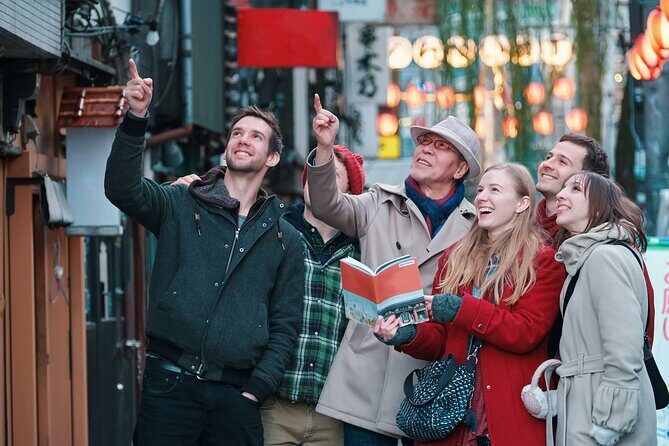
This tour is built for one thing: control. You’re not paired up with strangers, and your itinerary is supposed to match your pace. In practice, that matters in Kagoshima because you’re balancing city walking, museum time, and longer stretches between neighborhoods and viewpoints.
The format is also designed for communication. A staff member meets you with a sign that shows your name, which is a lifesaver at ports or stations. You can message the team through Viator and also contact them during the day via WhatsApp. That means if your ship is late, your train is delayed, or your group needs a bathroom break, you’re not stuck guessing.
The other practical win is the vehicle plan. A government-licensed private vehicle handles transport, and depending on group size and needs, the provider can coordinate multiple guides/vehicles. If you’re traveling with kids, scooters, wheelchairs, or you simply want less walking, this setup tends to feel easier than “train + transfers + taxis.”
You can also read our reviews of more guided tours in Kagoshima

Price and what you really get for $625.94
At $625.94 per group (up to 1 person in the pricing shown), the headline number looks steep until you translate it into what’s included.
You’re paying for:
- a private arrangement
- an English-speaking licensed guide
- a government-licensed vehicle
- bottled water
- domestic travel accident insurance
- flexibility for families and seniors
What’s not included is also clearly spelled out: meals for yourself and the guide/driver, admission tickets, and costs connected to Sakurajima logistics like ferry boarding and vehicle fare. Fuel, tolls, and parking fees can also be extras.
So the value math is this: you’re not paying per ticket. You’re paying for time, guidance, and convenience—especially if you’re selecting 2–3 places that would otherwise require multiple transfers. If you’re a couple or a small group, it can feel like a luxury. If you’re a family or you hate transit stress, it can feel like a bargain because your day stays smooth.
Sengan-en and the Shimadzu world: elegant gardens plus power

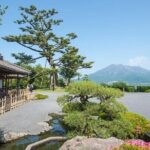
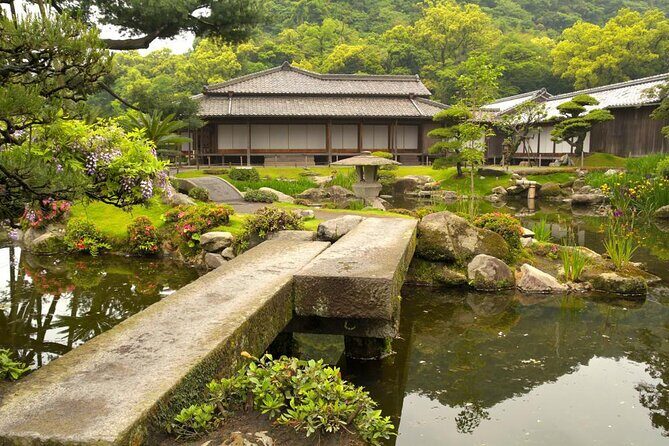
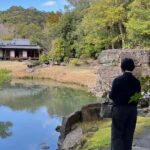
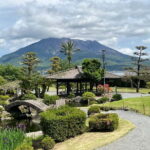
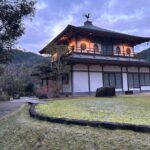
One of the first stops on the menu is Sengan-en, a stately home and garden along the coast north of downtown Kagoshima. It was built in 1658 as part of the Shimadzu clan’s residences, so it gives you a sense of how regional power shaped both culture and design.
Why I like this stop for a private tour: it’s easy to pace. If your group enjoys strolling and quiet spaces, you can linger. If you want faster movement, you can concentrate on the main areas and be out without the feeling of “we’re wasting a slot.”
Possible drawback: it’s a garden-type visit, which means the experience depends on your timing and weather. If it’s raining or too hot, you may want a shorter plan and more indoor time elsewhere.
Satsuma modernization on your radar: Shoko Shuseikan and foreign engineers
If you pick the Shoko Shuseikan Museum stop, you’ll be stepping into one of Japan’s early western-style industrial stories. The extant oldest western-style factory building in Japan is the anchor here, and the exhibits focus on modernization projects connected to the Satsuma domain.
Then there’s the Foreign Engineer’s Residence (Ijinkan). This is tied to the early western-style spinning mill operations. The pairing is useful: the factory explains what changed, and the residence helps you understand who lived with those changes.
Why this works in a custom day: it’s not just “see buildings.” With a guide, you can connect the why—how this region pulled in outside techniques and turned them into local industry.
Possible drawback: these are museum-style visits with shorter time windows listed. If your group only enjoys one museum per day, plan your selections so you don’t stack too many compact interior stops.
Kiriko glass and craft shopping without wasting time
For craft lovers, Satsuma Kiriko Glassworks is one of the most fun stops to choose. You can watch the manufacturing process of Satsuma Kiriko cut glass and then buy pieces at the nearby Iso Kogei-kan.
This is a great private-tour choice because it’s practical shopping. Your guide can help you navigate what’s what, and you can match your budget: small items, larger statement pieces, or just watching the craft if you don’t want to shop.
Possible drawback: glassworks can take a little longer than expected if someone in your group likes to browse. If you have a strict time goal for Sakurajima, keep an eye on the clock and decide early how much shopping you’ll do.
You can also read our reviews of more private tours in Kagoshima
Shiroyama, the restored castle gate, and Tenmonkan city energy
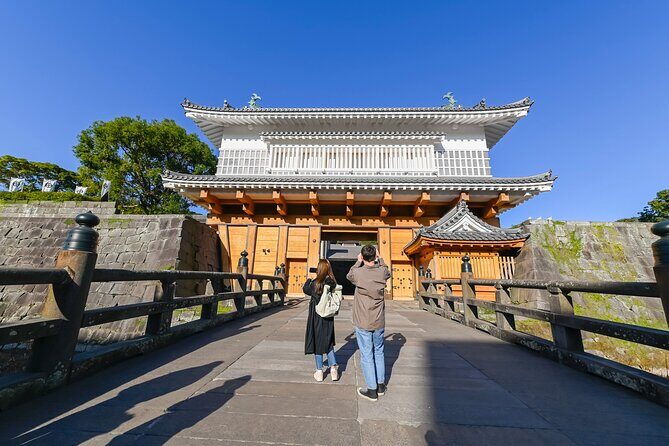
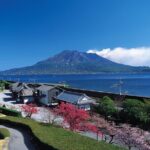
On the city side, Shiroyama is a 107-meter hill in central Kagoshima. It’s named for a castle that once stood there. There’s a 2-kilometer promenade to the observatory, so the stop can be as active or as relaxed as you choose.
One of the coolest detail points here is the restored castle gate: it’s described as the largest one of this kind in Japan, with 20-meter height and width, restored in 2020 for the first time in about 150 years.
Then you can weave in Tenmonkan, Kagoshima’s central shopping district. Even if you don’t shop, it’s a good area to feel how the city lives today between viewpoints.
Possible drawback: walking time can add up. If you’re doing observatory views plus shopping plus another museum, shorten your steps at Shiroyama so you don’t burn energy before Sakurajima.
Sakurajima day: volcano viewpoints and the public footbath
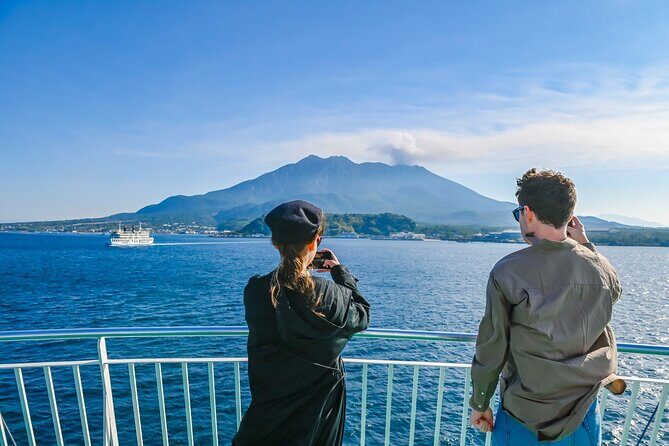
If you want the real Kagoshima experience, choose your Sakurajima options carefully. The menu includes several stops that make the volcano feel close, not abstract.
Sakurajima Visitor Center
At the Sakurajima Visitor Center, you’ll learn about volcanic eruptions through films and dioramas. It’s also a base for the geopark and offers specialty goods and souvenirs.
This helps first-timers because it turns what you see outdoors into a story. Even if you’re not a science person, it gives context for why the landscape looks the way it does.
Yunohira Observatory
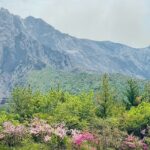
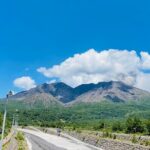
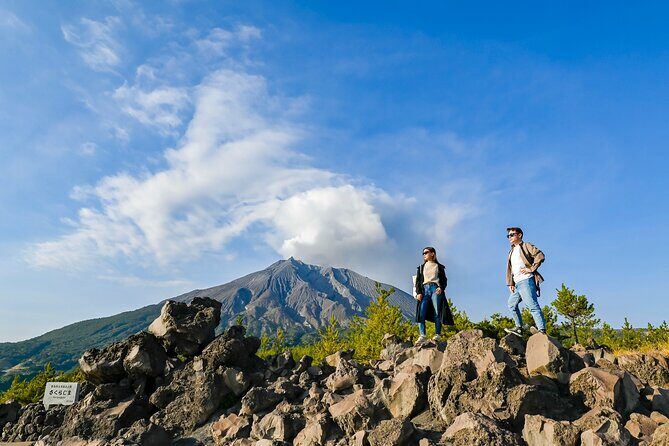
Yunohira Observatory is the highest public point on Mt. Sakurajima. From there you can see rough lava fields and, at times, volcanic smoke plumes. The viewpoint is reached along a 1-kilometer trail in lava ground created by the 1946 eruption.
Possible drawback: observatory visibility depends on weather. Fog or heavy rain can mute the views, so choose this stop early in your day if possible.
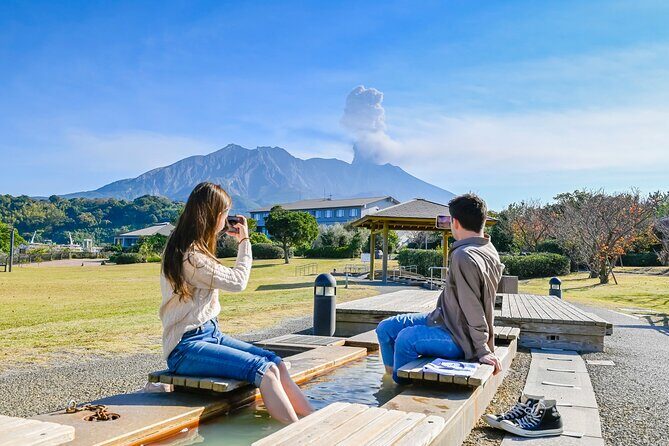
Sakurajima Yougan Nagisa Park public footbath
This one is delightfully practical: a 100-meter-long footbath—one of the biggest in Japan—soaking in natural hot spring water while you look toward Sakurajima.
It’s a top pick for groups who want a shared “weird and wonderful” moment. If your group is heat-sensitive or you’re short on time, you can also treat it as a quick break rather than a long hangout.
One important caution
No matter which Sakurajima stop you add, plan around transportation logistics like the ferry and vehicle fare. Those costs aren’t included, so ask your guide for a clear estimate of how much your final plan will run.
The aquarium and Meiji Restoration museum: water views and national change
Two more menu stops are designed for different moods.
The aquarium is set up with Sakurajima directly in front. The main attraction is listed as 30,000 marine creatures. It’s the kind of stop that can work as a “weather insurance” choice too—when outside views are less impressive, indoor water life still delivers.
The Museum of the Meiji Restoration tackles the bigger national story. You learn about the Meiji Restoration through displays and movies that recreate the past. If your trip includes Satsuma modernization stops like Shoko Shuseikan, this museum can connect those local changes to the larger national shift.
Possible drawback: if you’re not into museums, you may want to pick one indoor history stop and spend the rest of the time outdoors.
Saraku hot sand baths: calming for some, a no-go for others
Saraku Sand Bath Hall is where Kagoshima shows off its weird natural wellness. Hot sand baths are loved by local people for over 350 years, and they’re marketed for body detoxification and increased circulation.
This is one of those experiences that can add a “story you bring home.” But there’s a strict health note: people with high blood pressure (180/100 mmHG or more), heart disease, arrhythmia, angina pectoris, lung disease, pregnancy, inflammation, or fever cannot bathe. Also, don’t drink alcohol before bathing.
So if you’re deciding whether to include Saraku, treat it like a safety-first choice, not an optional whim.
Chiran’s peace and samurai atmosphere: Kamikaze museum and Little Kyoto
Moving toward Chiran gives your day a different emotional tone.
Chiran Peace Museum
The Chiran Peace Museum focuses on kamikaze pilots. This is described as a testament to the importance of worldwide peace. Expect a heavier stop. For some groups, it’s the most meaningful part of the day; for others, it may feel too intense if you’re traveling with kids or you don’t want dark historical content.
Chiran Samurai Residence Complex
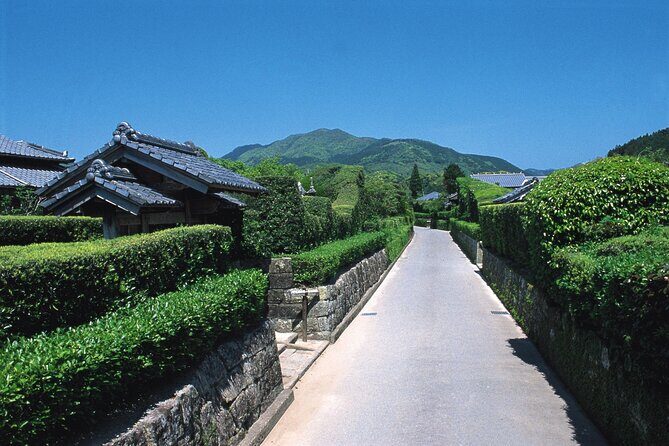
Then comes the lighter contrast: Chiran Samurai Residence Complex, nicknamed the Little Kyoto of Satsuma. It has more than 500 samurai residences from the late Edo period (19th century). The stop is listed as 30 minutes, so it’s usually a quick, focused walk through preserved grounds.
The private-tour advantage here is tonal control. You can pick how long you want at each site, depending on the group’s comfort.
Possible drawback: if your group wants “fun first,” you may want to avoid piling too many heavy-history stops in one day.
Kirishima: national treasure shrine halls and an art forest detour
Kirishima Jingu is on the menu, and the main halls (Main Hall, Shinden Hall, Worship Hall) are designated national treasures as of Feb 9, 2022. If you pick this stop, you’ll be seeing architecture with official protection, not just a pretty shrine.
Then there’s the Kirishima Art Forest, described as a modern art museum surrounded by Kirishima nature. It’s a nice way to break up the day if you’ve already done glass, museums, and viewpoints.
Possible drawback: art museums can be hit-or-miss depending on your taste. If your group is more classical-history focused, keep art forest time short or skip it.
Armor, pottery, and the 15th Chin Jukan: making Satsuma feel tangible
If you like hands-on craft stories, the menu includes:
- Marutake Armor Factory, renovated and reopened in 2018. You can see armor and helmets used in the workshop, with a large Japanese castle and garden setting inside.
- Kiln of the 15th Chin Jukan, a Satsuma ware kiln. The name refers to the 15th generation, and it produces Shiro Satsuma and other traditional Satsuma ceramics.
These stops are useful because they connect a region’s identity to real objects. It stops the day from feeling like it’s only “looking at signs.”
Possible drawback: factory and kiln visits can be time-variable depending on what’s happening inside. Your guide will help you pick the right moment to enter and keep your schedule realistic.
Mars Tsunuki Distillery: whisky with a sense of place
At Mars Tsunuki Distillery, you’ll find the southernmost whisky distillery on the main Japanese islands. The listed highlights include old still tower buildings, a stone barrel warehouse, and a tour of the production process.
This is a smart stop if you want something different from shrines and museums. It’s also a good pick for adult groups who want an experience that feels modern while still grounded in place.
Admission is listed as free for this stop, which can help you keep your day’s total cost more predictable.
How guides make the difference: names you’ll hear and what they did well
In the feedback shared by past groups, certain guide behaviors come up again and again. Guides like Cozy and Tada are repeatedly described as friendly, flexible, and able to handle families with young children without losing the thread of the explanation. Mio and Tada also show up as prompt at ports and stations, and there’s an emphasis on going the extra step—like creating calligraphy for your name.
There’s also a key operational strength: when unexpected issues happen, the team adjusts. One example involved rerouting due to an unforeseen incident, and another mentioned being proactive about customs delays. That’s valuable because it turns private touring from a “plan on paper” into a plan that survives real-world friction.
One small consideration comes up too: if your guide speaks softly outside the vehicle, you might have trouble hearing from a distance when you’re standing around. If that’s your concern, ask early for where the group should gather so everyone can hear clearly.
Picking your 2–3 stops: my practical decision guide
Start with your “musts” and then build around Sakurajima and your energy level.
If you’re first-timing Kagoshima and want iconic views:
- Choose Sakurajima Visitor Center + Yunohira Observatory
- Add either the footbath or an indoor backup like the aquarium if weather looks uncertain
If you love culture, crafts, and Satsuma identity:
- Add Satsuma Kiriko and Shoko Shuseikan
- Then decide if you want a history-heavy stop like the Meiji Restoration Museum or a craft-heavy one like Chin Jukan or Marutake Armor
If your group wants a calm, scenic pace:
- Choose Sengan-en
- Then pick either Tenmonkan for food and strolling or a shorter shrine/art stop depending on your tastes
And if you’re considering Saraku sand baths:
- Make it your “anchor” experience and build around it
- Respect the health limitations, and don’t plan it as a surprise last-minute stop if someone has any concerns
Should you book this private custom Kagoshima tour?
I’d book it if you want a day that feels tailored and low-stress. The combination of licensed English guiding, a private vehicle, and a 2–3 stop custom plan is especially good for families, mixed-age groups, and anyone who hates tight itineraries.
Skip or rethink it if your idea of a great day is to hit many attractions with lots of walking and you’re comfortable figuring transportation on your own. Also reconsider if your priority is only free outdoor sightseeing, since admissions and Sakurajima ferry/vehicle costs can add up fast once you finalize your picks.
Overall, this is the kind of tour that helps you “choose the right version” of Kagoshima—volcano views for curiosity, crafts for souvenirs with meaning, and history stops for perspective—without turning your day into a sprint.
FAQ
How long is the Kagoshima private custom tour?
It’s listed as about 6 hours.
Is this tour private?
Yes. It’s described as private, and only your group participates.
How many stops can I choose?
The customizable tour selects 2–3 sites from your interests.
Are pickup and drop-off included?
Pickup is offered, and drop-off locations are flexible, including ports, hotels, and train stations.
Are admission tickets included in the price?
No. Admission fees are not included.
Is the Sakurajima ferry included?
No. Sakurajima ferry boarding fee and vehicle fare are not included.
Is food included?
Meal expenses are not included.
What’s included in the tour package?
Included items listed are domestic travel accident insurance, air-conditioned vehicle/private transportation, bottled water, and a mobile ticket.
Is the tour weather dependent?
Yes. The experience requires good weather; if canceled due to poor weather, you’ll be offered a different date or a full refund.
Who should not do the Saraku hot sand baths?
People with high blood pressure (180/100 mmHG or more), heart disease, arrhythmia, angina pectoris, lung disease, pregnancy, inflammation, and fever cannot bathe. It also advises not drinking alcohol before bathing.