REVIEW · TOKYO
2.5 Hour-Guided Cycle Tour in the Central Tokyo
Book on Viator →Operated by 東京下町自転車ツアー Tokyo Backstreets Bike Tour · Bookable on Viator
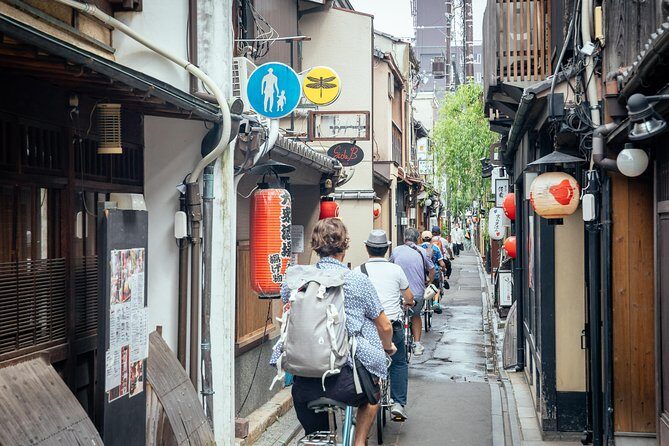
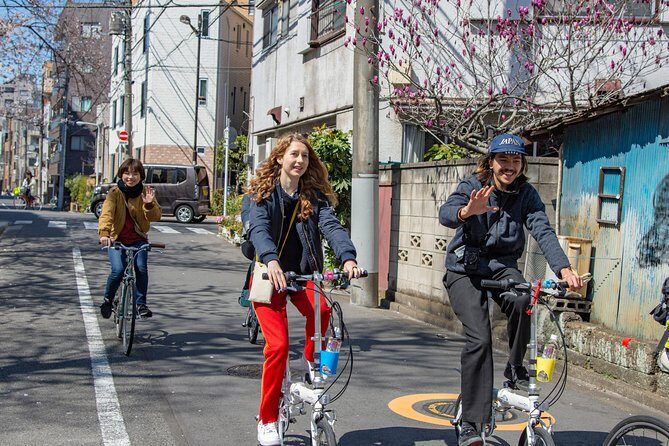
Tokyo on two wheels changes your whole day. This 2.5-hour guided cycle tour takes you off the main drags and into real neighborhoods, then blends in iconic stops like Senso-ji and Tokyo Skytree. You’ll meet your guide near Hikifune Station, get a helmet, and spend the rest of the day on your own.
I especially love the mix of quiet local lanes with big-name landmarks. The ride stays relaxed, and the stops feel intentional, from an older temple-within-a-temple to a candy craft shop you can actually watch in action.
One thing to consider: this is a short, weather-dependent outdoor ride. If it’s raining or conditions are poor, the experience may be rescheduled or refunded, so plan to be flexible.
In This Review
- Key highlights at a glance
- Why this central Tokyo bike loop feels more local than sightseeing buses
- Meeting up near Hikifune Station and what to expect for 2.5 hours
- Safety first: helmets, folding bikes, and a ride that fits most people
- Stop 0: Suida River cycling for spring sakura vibes
- Honryuin Matsuchiyama Shoden: a quieter temple tied to Senso-ji
- Imado Shrine: the power spot angle for love and marriage
- Senso-ji Temple: the classic landmark with room to slow down
- Asakusa Amezaiku Ameshin: watch traditional candy craft up close
- Sumida River bridge crossing and the Tokyo Skytree runway of views
- Kyojima Minami Park: everyday Japan in an old-school shopping area
- Street food and fuel: the snack logic that keeps the ride enjoyable
- Price and value: what $50.08 buys you in Tokyo terms
- Who should book this tour (and who might skip it)
- A quick reality check: what could throw off your plans
- Should you book Tokyo Backstreets Bike Tour
- FAQ
- How long is the Central Tokyo cycling tour?
- Where do I meet the guide?
- What’s included for safety and the bike?
- What size riders are the bikes for?
- Can I request a tandem bike?
- How many people are in the group?
- Are there any paid admissions at the stops?
- What happens if the weather is bad?
- Can I cancel and get a full refund?
Key highlights at a glance
- Small group size (max 6) keeps the pace calm and questions easy
- Provided helmet and gentle route make cycling feel manageable
- Suida River sakura area gives seasonal atmosphere when blossoms are up
- Senso-ji + Imado Shrine add spiritual stops with local meaning
- Asakusa amezaiku candy craft lets you see traditional sugar art
- Skytree viewpoints + Sumida River crossing add major photo moments
Why this central Tokyo bike loop feels more local than sightseeing buses
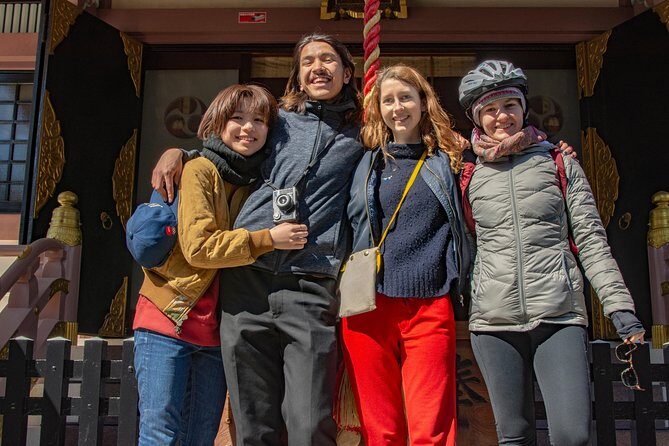
Tokyo’s best “wow” moments aren’t only on the big-name streets. I like tours that help you feel the city at walking speed, with just enough structure to keep you from wasting time. This one does that by mixing residential backstreets with a few high-visibility landmarks.
The practical win is that the ride saves your legs for the rest of the day. You cover ground quickly without the stress of trains, transfers, and route planning. And because it’s a guided experience with a small group, you get that rare combo: you see a lot, but you’re still moving like a local.
Another plus is the theme of the day. Instead of “only temples” or “only shopping,” you get culture, craft, views, and everyday street life, all in one smooth arc.
You can also read our reviews of more cycling tours in Tokyo
Meeting up near Hikifune Station and what to expect for 2.5 hours
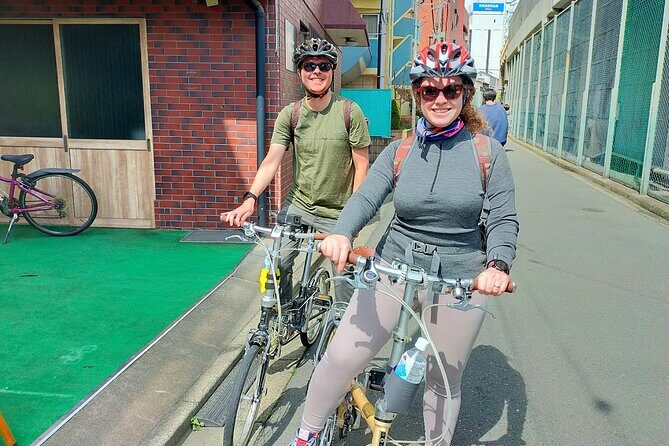
The tour is set for about 2 hours 30 minutes in total, with a few stops along the way. You’ll meet your guide near Hikifune Station, then the activity ends back at the meeting area.
This timing matters because you’re not surrendering your whole day. You get a focused morning or afternoon with the guide, and then you’re free to explore Asakusa, Sumida, or wherever your curiosity pulls you next.
Group size is also a big deal here. With a maximum of 6 travelers, you’re less likely to get stuck in a long line or feel rushed through stops. In the reviews, the ride gets described as calm and well-balanced, and that matches what you want for a short city cycling tour.
Safety first: helmets, folding bikes, and a ride that fits most people
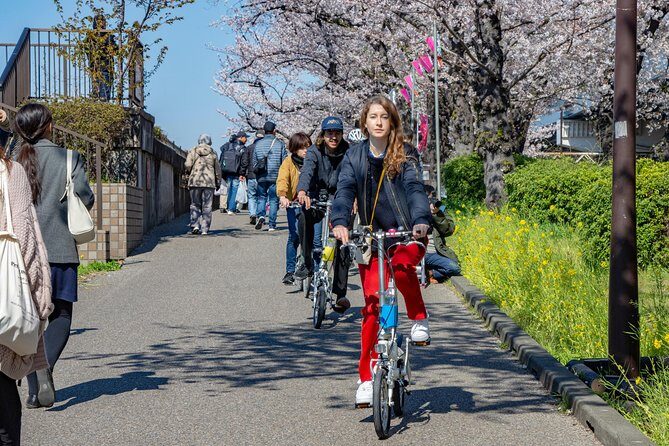
You get a provided helmet. That’s not just good form—it makes you feel more confident when you’re threading through dense city streets.
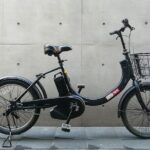
The bikes are folding bikes with 14–20 inch sizes, designed for people about 140–180 cm tall. If you’re over 180 cm, you should inform the operator ahead of time. They also note that if you want to ride a tandem bike, you need to request it 3 days before booking.
The route is designed for “good city-bike legs,” not hardcore riding. Even if you’re not a cyclist, you’re usually fine as long as you’re comfortable handling a bike in crowded places and you follow the guide’s safety cues.
Stop 0: Suida River cycling for spring sakura vibes
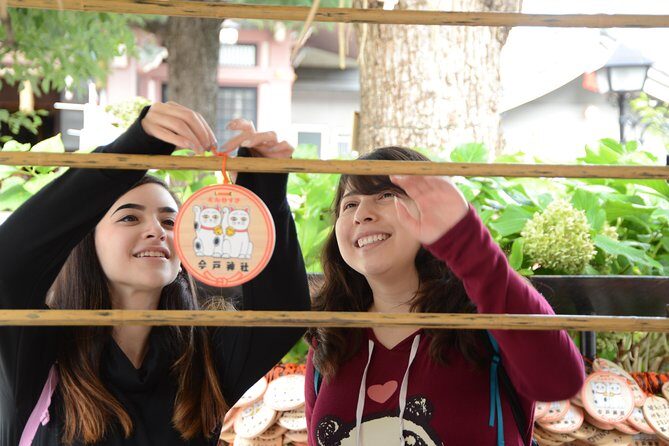
The ride starts with cycling along the bank of the Suida River. This area is famous for sakura blossoms in spring, which means the scenery can change dramatically depending on when you go.
Even if you miss peak bloom, you’ll still get that “river air” feeling that’s hard to find in Tokyo’s middle-of-the-road neighborhoods. It’s a nice way to ease into the tour: you’re rolling, taking in views, and getting comfortable before the first temple stop.
If you’re traveling in spring, this is the part where you’ll want to pause for photos—especially if the trees are in full bloom and the water gives you a softer background than buildings.
Honryuin Matsuchiyama Shoden: a quieter temple tied to Senso-ji
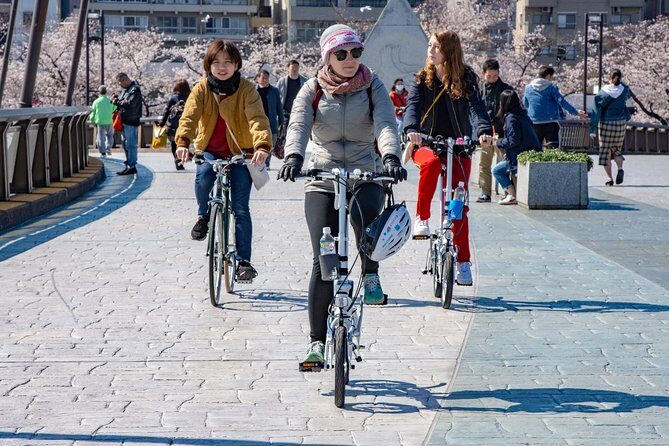
Next comes Honryuin Matsuchiyama Shoden, a temple connected to Senso-ji and founded in 595. This stop lasts about 20 minutes and admission is free.
What makes it special is the specific visual symbolism you’ll notice on-site. There are many images of a daikon (Japanese radish) and a pouch, and the guide explains the idea that the daikon represents our minds trapped in deep ignorance. It’s not the usual “walk in, take a picture, walk out” stop.
A small drawback: if you’re expecting huge crowds and big spectacle, you may find this stop more contemplative and less flashy than the main Senso-ji complex. That said, if you like meaning in the details, this is often the kind of stop people remember later.
You can also read our reviews of more guided tours in Tokyo

Imado Shrine: the power spot angle for love and marriage
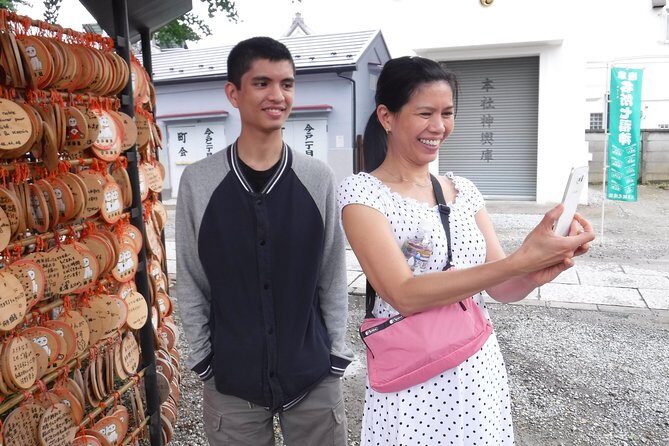
Then you head to Imado Shrine, founded in 1063. This stop is about 15 minutes and also free to enter.
Imado Shrine is popular as a power spot, especially for people looking for love or marriage partners. That matters because it changes how you read the place. You’re not only viewing architecture—you’re stepping into an area with a living local purpose.
If you’re the type who enjoys the quieter, more personal side of Tokyo’s religious sites, this one fits. If you’re purely there for famous monuments, you might move through quickly, but the power-spot focus makes it feel grounded.
Senso-ji Temple: the classic landmark with room to slow down
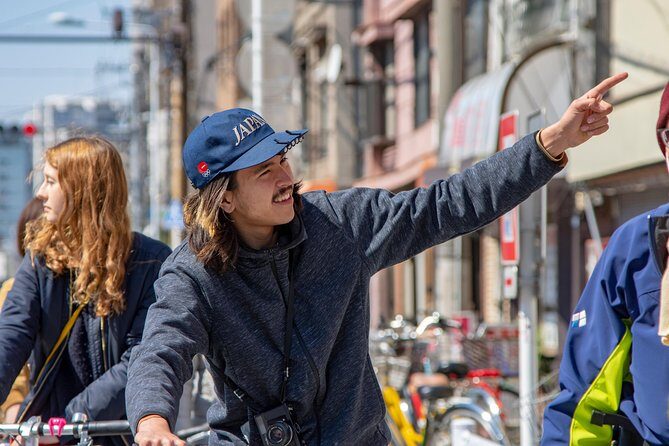
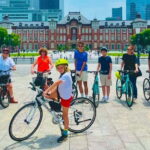
After the shrine, you arrive at Senso-ji Temple for about 30 minutes. Admission is free, and the tour is timed so you can park bikes nearby and stroll inside.
Senso-ji is the kind of place where Tokyo reveals its layers: classic faith, everyday foot traffic, and a constant flow of people who come for different reasons. The guide’s job here is helpful because it keeps you from getting stuck in the most crowded path and lets you see more than just the first postcard angle.
One practical benefit for cyclists: you’re not trying to squeeze a bike into a maze of pedestrian congestion on your own. The tour handles the transition, and you focus on walking where it makes sense.
Asakusa Amezaiku Ameshin: watch traditional candy craft up close
Next is Asakusa Amezaiku Ameshin, a traditional craft candy shop. Your stop is about 15 minutes, admission free.
Amezaiku is one of those Tokyo traditions that feels almost impossible to appreciate fully from afar. Here, you can see how the candies are made, and the results are described as highly artistic—so it’s fun even if you don’t plan to buy much.
Keep your expectations realistic: it’s not a long workshop. It’s a short viewing stop, designed to give you a feel for the craft. But if you love street-level culture and small skills, this quick moment is worth it.
Sumida River bridge crossing and the Tokyo Skytree runway of views
Between temple time and final park time, you’ll cross a bridge over the Sumida River. This part is built for scenery, with wonderful river views.
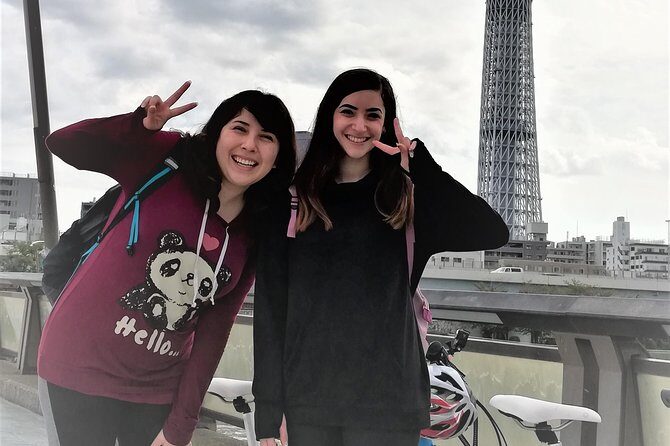
Then you ride under the Tokyo Skytree, which is one of the few chances in Tokyo to experience the building from street level instead of a far-off skyline photo. Even if Skytree isn’t your top interest, the scale does something to your sense of space.
What I like here is the way the tour gives you multiple perspectives. You’re not only looking at Skytree—you’re passing through parts of the city that make it feel integrated into everyday life.
Kyojima Minami Park: everyday Japan in an old-school shopping area
The last named stop is Kyojima Minami Park, about 20 minutes. Admission is free.
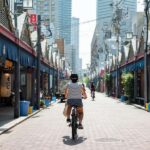
This area is described as an old-fashioned shopping zone where you can see daily life. That’s a key part of why this tour works: you end not with another big monument, but with ordinary Tokyo rhythms.
If you want to keep the day going with snacks, window-shopping, or just people-watching, this ending can help you decide where to spend your leftover time.
Street food and fuel: the snack logic that keeps the ride enjoyable
The tour also includes a chance to visit street stalls selling authentic Japanese foods that you can buy to keep you fueled. That’s a smart design choice for a bike tour.
Two reasons: first, you don’t want to be hungry while stopping in and around temples and crafts. Second, buying a small snack gives you a more local flavor than just buying something when you’re already tired later in the day.
You won’t leave with a full meal guaranteed, so I recommend treating food stops as “top-ups.” If you eat earlier, you’ll enjoy the ride more.
Price and value: what $50.08 buys you in Tokyo terms
The price is $50.08 per person. For that, you’re getting a guided experience, a helmet, and rental folding bikes (sized to typical heights). There’s also the note that group discounts apply, and you’ll receive a mobile ticket.
Is it “cheap”? No, Tokyo tours rarely are. But it’s also not a generic add-on. You’re paying for two things that are hard to DIY: local guidance through backstreets and the logistics of timing stops so you’re not wasting half the day finding bike-friendly routes.
Because the tour lasts about 2.5 hours, you also get something intangible: momentum. You’ll likely spend the rest of your day exploring with a better understanding of where you are and how the neighborhoods connect.
Who should book this tour (and who might skip it)
This tour is a great fit if you want:
- a short, structured way to see central Tokyo without taking on full-day transport stress
- temple and shrine time plus one or two culture stops like traditional candy craft
- a guided ride that stays comfortable and not overly strenuous
You might skip or consider another option if:
- you hate biking outdoors in city traffic, even with a helmet and a guide
- you’re expecting a long food-focused market crawl
- your schedule is ultra-tight and you can’t handle weather-based changes
A quick reality check: what could throw off your plans
The tour requires good weather. If it’s canceled due to poor conditions, you’ll be offered a different date or a full refund. There’s also a note that a minimum number of travelers is required, so you could see rescheduling if that threshold isn’t met.
This doesn’t mean you should fear booking. It just means you should treat this like a true outdoor activity. If you’re visiting in a season with unpredictable weather, build in some flexibility.
Should you book Tokyo Backstreets Bike Tour
I’d book it if you want Tokyo without the all-day chore of figuring out routes and transport. The biggest value comes from the blend: you get temple context, craft viewing, river and Skytree views, and a final look at everyday street life in Kyojima.
For the money, it’s also easy to justify because it saves time and energy. Two and a half hours with a small group is the sweet spot—long enough to matter, short enough to keep your afternoon open.
If you’re worried about weather, plan to dress for the conditions and keep your schedule flexible. If you’re comfortable on a bike and curious about the quieter side of central Tokyo, this tour is a strong match.
FAQ
How long is the Central Tokyo cycling tour?
It runs for about 2 hours 30 minutes.
Where do I meet the guide?
You can meet the guide near Hikifune Station, and the tour’s listed meeting point is at the Tokyo Backstreets Bike Tour shop inside the share office at 131-0032 Tokyo, Sumida City, Higashimukōjima, 2-chōme 24-14.
What’s included for safety and the bike?
You receive a provided helmet, and you ride the tour’s rental folding bike.
What size riders are the bikes for?
The folding bikes are suited for people between about 140 and 180 cm tall. If you’re taller than 180 cm, you should inform the operator in advance.
Can I request a tandem bike?
Yes, but you need to inform the operator 3 days before the day you booked if you want to ride a tandem.
How many people are in the group?
This activity has a maximum of 6 travelers.
Are there any paid admissions at the stops?
The tour information lists free admission for the temple and shrine stops, and the main included stops you’ll have listed time at are described as free for admission.
What happens if the weather is bad?
The experience requires good weather. If it’s canceled due to poor weather, you’ll be offered a different date or a full refund.
Can I cancel and get a full refund?
You can cancel up to 24 hours in advance for a full refund. If you cancel less than 24 hours before the start time, the amount paid is not refunded.