REVIEW · TOKYO
Create Your Own Party Sushi Platter in Tokyo
Book on Viator →Operated by Patia's Japanese Cooking Class · Bookable on Viator
Sushi-making turns party food into real skills. In this class you learn futomaki and temari sushi from scratch, then add two classic home dishes: miso soup and Japanese rolled omelet.
I like how hands-on it is. You’re not just watching—you’re making, and the format naturally turns into a fun team moment with friends, including English-speaking support right beside you. I also love that lunch is built in, so you get to eat what you made and taste the results immediately.
One thing to plan for: this experience is non-refundable, so check your calendar before booking. Also, private transportation isn’t included, so you’ll want your own way to get to Minato City for the 11:30am start.
In This Review
- Key highlights worth your attention
- Sushi Rolls You Can Actually Recreate at Home
- What You’ll Cook Besides Sushi: Miso Soup and Tamagoyaki
- The 11:30am Minato City Timing and How to Plan Your Arrival
- Hands-On Instruction That Actually Helps You Finish
- What the $100.73 Price Really Buys You
- Lunch Included Means You Get Results, Not Just Lessons
- Who This Tokyo Sushi Party Class Is Best For
- Should You Book Create Your Own Party Sushi Platter?
- FAQ
- What sushi styles will I make?
- Will we also cook miso soup and tamagoyaki?
- How long is the experience?
- Where does the class start and when?
- Is lunch included?
- Will the instructors speak English?
- Is transportation included?
- What if the minimum number of people isn’t met or I need to cancel?
- What are the group size limits?
Key highlights worth your attention
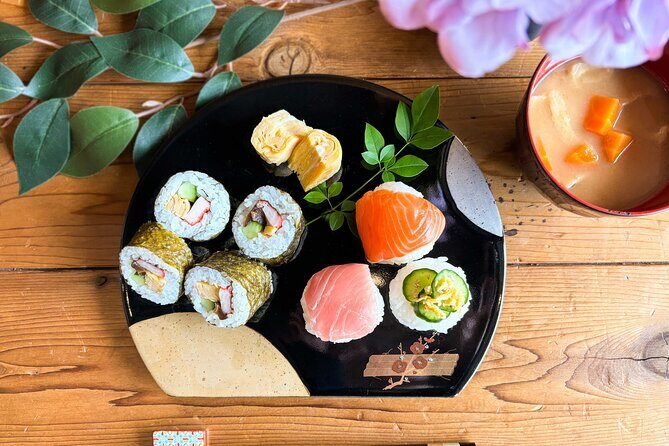
- Futomaki + Temari: Learn two party-friendly sushi styles known for great looks and crowd appeal
- English-speaking instructors: Get side-by-side help and can relax while you cook
- Lunch included: Eat the sushi platter you assemble, then sit down and enjoy it
- Miso soup and tamagoyaki: Add everyday Japanese home cooking to your skill set
- Small-group feel (up to 40): Big enough for energy, small enough for practical guidance
- Made for celebration food: Futomaki and temari are commonly tied to special occasions in Japan
Sushi Rolls You Can Actually Recreate at Home
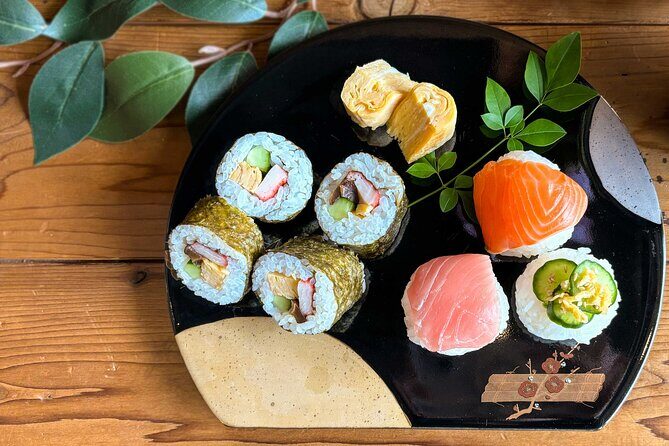
Tokyo has plenty of sushi options. But a class like this gives you something rarer: a repeatable sushi process you can bring home for birthdays, movie nights, or any excuse to “make it special.”
You start by learning how futomaki works—think of it as a thicker roll built around sushi rice and multiple ingredients, wrapped in nori, with a heavy focus on shape and bite. Then you move to temari-sushi, which is built around round rice formed by hand and topped with sashimi and vegetables. Both are known for eye-catching presentation, and the whole point is that you’ll be able to recreate that look, not just copy a flavor.
The best part is the mentality shift. Instead of ordering “party sushi,” you learn the logic behind assembling it—rice, toppings, and structure. That’s what turns this from a one-time meal into a skill you’ll use again.
You can also read our reviews of more tours and experiences in Tokyo.



What You’ll Cook Besides Sushi: Miso Soup and Tamagoyaki
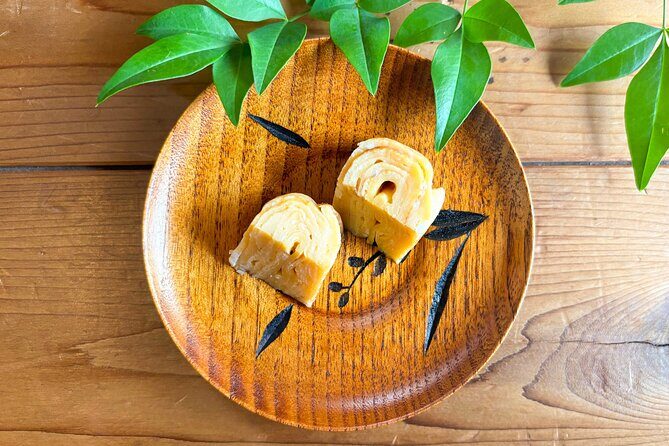
Sushi is the headline here, but I like that the class also covers two Japanese home staples: miso soup and tamagoyaki (Japanese rolled omelet).
Miso soup is a good anchor dish for learning because it teaches a comforting, everyday Japanese flavor profile. It also adds balance to the meal—something warm and soothing next to sushi rice and nori. Tamagoyaki matters for a similar reason: it’s a core technique many people associate with Japanese cooking at home, and it rounds out the whole “make a Japanese lunch” vibe.
This combination is practical. If you want to host a sushi-themed spread, you’re not just making rolls and calling it a day. You’re learning a simple supporting cast that makes the table feel more complete.
The 11:30am Minato City Timing and How to Plan Your Arrival
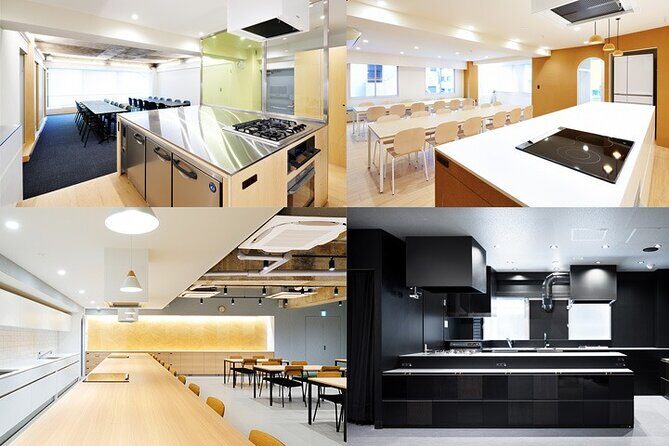
The class starts at 11:30am in Minato City, Tokyo, and it ends back at the meeting point. That timing is smart if your day in Tokyo is packed—this is a midday activity that feeds you instead of stealing your dinner plans.
Still, don’t treat it as “easy to fit in.” You’ll want to leave yourself enough time to reach the meeting point without rushing. Since private transportation isn’t included, your commute plan is on you. If you’re using public transit, I’d build in a small buffer so you arrive calm and ready.
Also note the experience duration is about 2 hours. That’s enough time to learn, make, and sit down for lunch, but not so long that you’ll feel stuck. Plan the rest of your day with the expectation you’ll be done before afternoon fully takes over.
Hands-On Instruction That Actually Helps You Finish
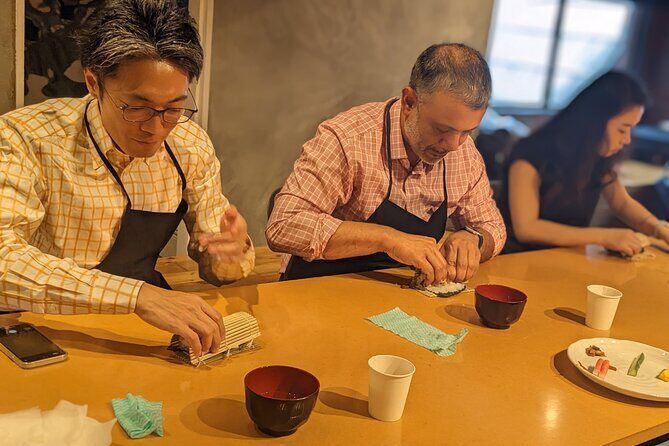
This is designed to be learn-by-doing. English-speaking instructors support you side by side with chats and care, so you can focus on what your hands are doing instead of trying to translate everything on the fly.
What I like about this teaching style is that it reduces the usual intimidation factor of sushi classes. Making sushi can look fancy from the outside, but in a good class environment you’re guided through each stage until it makes sense. The result is that you finish with food that looks right and tastes right—not just something you made “in theory.”
Another practical benefit: working with others naturally creates conversation. The class format is built for socializing, and people have described it as a fun way to combine team spirit with cooking and lunch. If you’re traveling with friends, that “we’re in this together” feeling is a big part of the payoff.
What the $100.73 Price Really Buys You
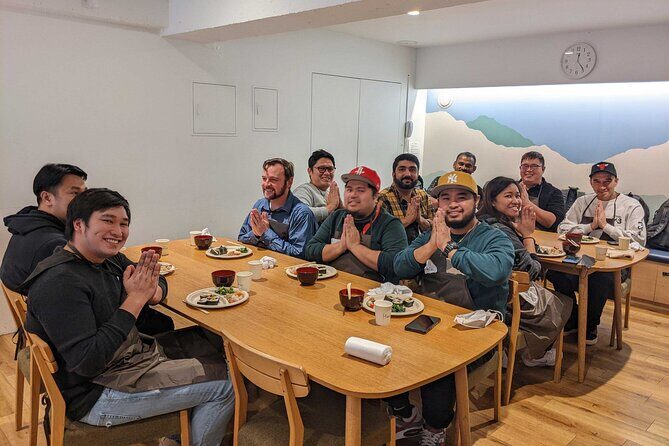
The price is $100.73 per person, which sounds like a lot until you break it down. For that cost, you’re getting lunch, the cooking experience, and the ingredients—so you’re not paying separately for the food and tools.
Also, you’re paying for instruction in techniques that are hard to guess correctly if you only watch videos at home. Sushi rice, rolling, and presentation style aren’t just about taste. They’re about texture, structure, and how everything holds together on the plate.
Is it cheaper than buying party sushi from a store? Often yes on paper. But the value here is the skill transfer: you’re leaving with a process you can repeat. If you’ve ever wanted to host a sushi night without constantly ordering takeout, this class is a direct shortcut.
And since the class is limited to a maximum of 40 travelers, you’re not likely to feel like you’re cooking in a giant crowd. It’s not a private lesson, but it also doesn’t sound like a mass-production factory.






Lunch Included Means You Get Results, Not Just Lessons
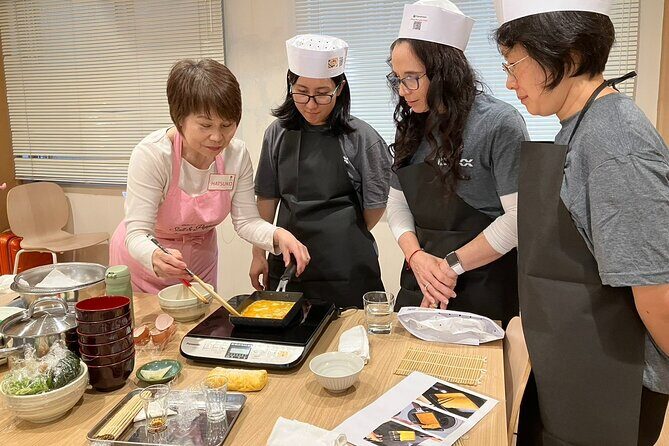
This is one of those rare classes where you cook and then immediately eat. Lunch is included, and you can expect to taste the sushi you made yourself.
That matters more than it sounds. When you eat your own futomaki and temari, you learn by comparison—how your version of sushi rice feels, how the toppings work together, and how the roll or round shape affects each bite. You also get instant satisfaction, which is exactly what makes food classes fun with friends.
From a practical hosting point of view, that meal also gives you a reference for later. When you try it at home, you’ll remember what the “right” version should feel like.
Who This Tokyo Sushi Party Class Is Best For
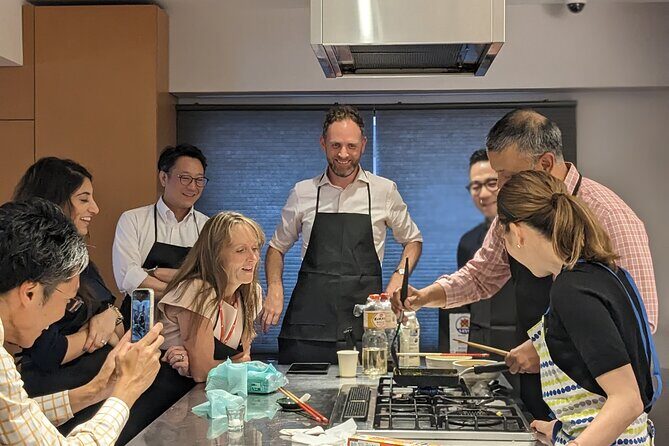
I think this works best if you fall into one of these groups:
- You’re going to Tokyo with friends and want a shared activity that’s more than a photo stop
- You want an authentic cooking experience without needing advanced Japanese skills
- You like the idea of learning party-style food you can recreate at home, not only eat once
- You enjoy Japanese comfort flavors alongside sushi, especially miso soup and tamagoyaki
If you’re on a strict schedule and want only the fastest activity, this might feel like more commitment than, say, a quick tasting. But if you want your Tokyo trip to include making something with your own hands, it’s a strong pick.
Should You Book Create Your Own Party Sushi Platter?
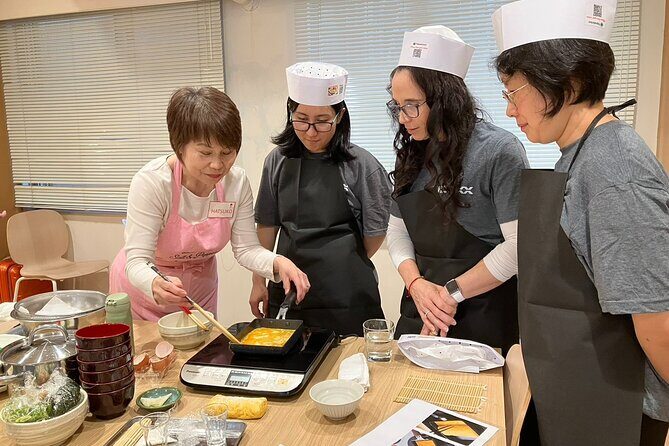
I’d book it if you want a hands-on, social experience that teaches more than one dish. The combination of futomaki + temari plus miso soup and tamagoyaki gives you skills for a whole Japanese spread, not just a single roll.
I’d think twice if your plans are fragile, because the experience is non-refundable. I’d also make sure you’re comfortable handling your own commute to Minato City since private transportation isn’t included.
If you can lock in the date, this is the kind of class that turns Tokyo flavor into something you’ll still be doing months later—one sushi party at a time.
FAQ
What sushi styles will I make?
You’ll make futomaki and temari sushi.
Will we also cook miso soup and tamagoyaki?
Yes. The class includes miso soup and Japanese rolled omelet (tamagoyaki).
How long is the experience?
It lasts about 2 hours.
Where does the class start and when?
It starts in Minato City, Tokyo, at 11:30am, and ends back at the meeting point.
Is lunch included?
Yes. Lunch is included, along with the cooking experience and ingredients.
Will the instructors speak English?
Yes. English-speaking instructors provide support side by side.
Is transportation included?
No. Private transportation is not included.
What if the minimum number of people isn’t met or I need to cancel?
This experience is non-refundable and cannot be changed for any reason. If it’s canceled because the minimum number of travelers isn’t met, you’ll be offered a different date/experience or a full refund.
What are the group size limits?
A minimum of 4 people is required per booking, and the maximum is 40 travelers.