REVIEW · KYOTO
Kyoto Japanese Tea Ceremony Experience in Ankoan
Book on Viator →Operated by KYOTO Japanese tea ceremony experience in ANOAN, Chinese/English OK! · Bookable on Viator
Matcha lessons, no museum theater. At Ankoan in Kyoto, you get a calm welcome tea, then you learn the parts and manners of the Japanese tea ceremony before trying matcha yourself in a setting that feels genuinely serene. I especially liked the small group feel and the hands-on matcha practice.
A big win is the relaxed conversation built into the ritual, including time with Yuka over welcome tea while the host explains what different gestures and pieces mean. One thing to consider: this experience isn’t recommended if you have knee pain, since traditional seating and movements are part of the format.
In This Review
- Key highlights to know before you go
- Ankoan tea room: where Kyoto slows down
- Welcome tea and tea-ceremony manners in plain language
- Matcha preparation: the ritual you practice with guidance
- Tasting matcha and wagashi in the right kind of quiet
- Ikeabana alongside tea: why it fits the same mindset
- Price and value: what $32.84 is buying you
- Getting there in Kyoto and what to plan on your day
- Who this Kyoto tea ceremony is best for
- Should you book Kyoto Japanese Tea Ceremony Experience in Ankoan?
- FAQ
- How long is the Kyoto Japanese Tea Ceremony experience in Ankoan?
- What is the group size?
- Is the experience available in English?
- What will I do during the session?
- Can I take photos indoors?
- Is it suitable if I have knee pain?
- Can I cancel for a full refund?
Key highlights to know before you go
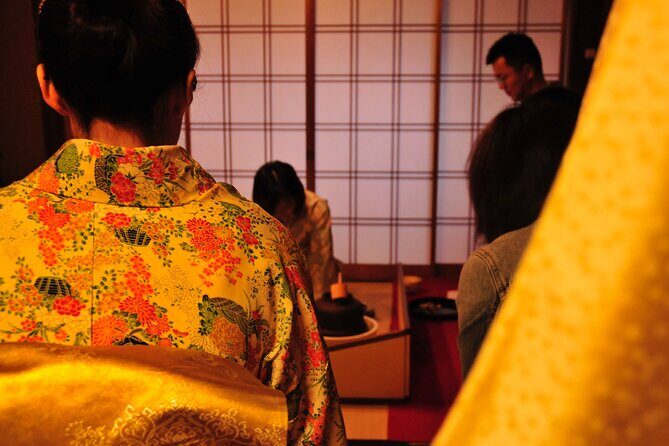
- Small group (max 8 travelers) keeps the experience personal and interactive
- Matcha practice you do yourself, not just watch from the sidelines
- Welcome tea with conversation, including tea-ceremony manners and the why behind them
- Wagashi tasting after matcha is prepared in the tea space
- Indoor photo time is allowed, so you can capture the moment without rushing
- Ankoan is English-friendly (Chinese/English OK), which helps you follow every step
Ankoan tea room: where Kyoto slows down
This Kyoto tea ceremony experience takes place at 暗香庵 (Ankoan), in Kita Ward, Murasakino Monzenchō. The vibe is not stiff and performative. It’s quiet, structured, and friendly at the same time, which is a rare combo in travel experiences that involve tradition.
What makes the location work for a trip is that it’s set up like a small studio rather than a busy tourist factory. You’ll start at the studio and end back at the same meeting point, so you’re not dealing with extra logistics after your tea time.
Also, you get a mobile ticket, which is one less thing to think about while you’re walking around Kyoto. Plan to arrive with a little buffer; even with near public transportation, the last stretch to a tucked-away street studio can take longer than you expect.
You can also read our reviews of more tours and experiences in Kyoto.



Welcome tea and tea-ceremony manners in plain language
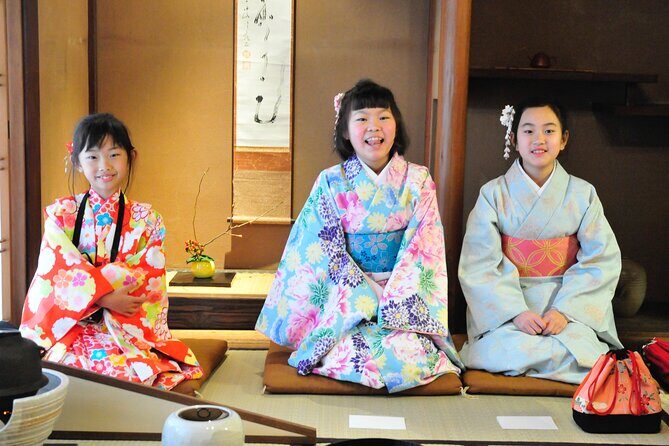
Your session starts with a welcome cup of tea and conversation. You’ll get a chance to relax after the journey to the studio, which matters in Kyoto, where you can easily stack too many stops in one day.
Then the host guides you through the basics: what the ceremony is trying to express, and how the different parts connect to etiquette. This is not just a list of rules. It’s explained like something you can actually understand and use, even if you’ve never done tea before.
A detail I liked here is how the tea is introduced as culture in action. You’re encouraged to ask questions, and the host also brings in broader curiosity like how Japanese people live and how Japanese culture developed. That kind of talk turns a tea lesson into a real exchange, not a classroom lecture.
Matcha preparation: the ritual you practice with guidance
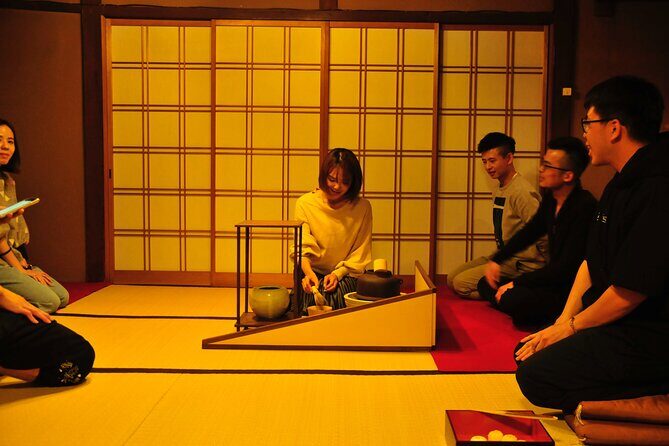
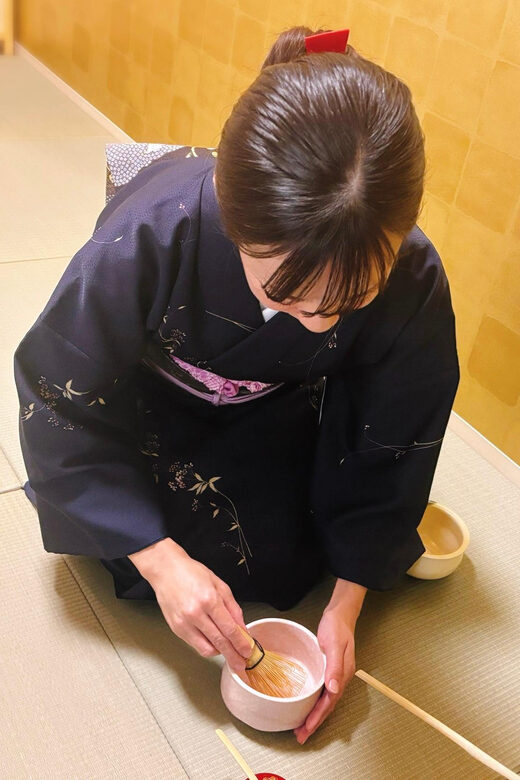
Here’s where this experience earns its high rating: you don’t just watch the tea master. You model the steps yourself and prepare matcha as part of the ceremony.
The flow is easy to follow:
- You watch a demonstration of the procedure.
- You then do the key actions yourself.
- The host stays close to explain and correct so you learn the method, not just the outcome.
In practice, the experience is described in the range of about 1 hour to around 2 hours, with an expectation of roughly 90 minutes of service. That makes sense because matcha involves timing, texture, and technique, and the host needs time to help everyone settle into the rhythm.
One more thoughtful touch: you also learn some of the symbolic side of tea ceremony—like specific gestures and phrases people use during the event. Even if you never plan to host a full tea gathering at home, knowing that there’s meaning behind each step makes the whole experience feel deeper.
Tasting matcha and wagashi in the right kind of quiet
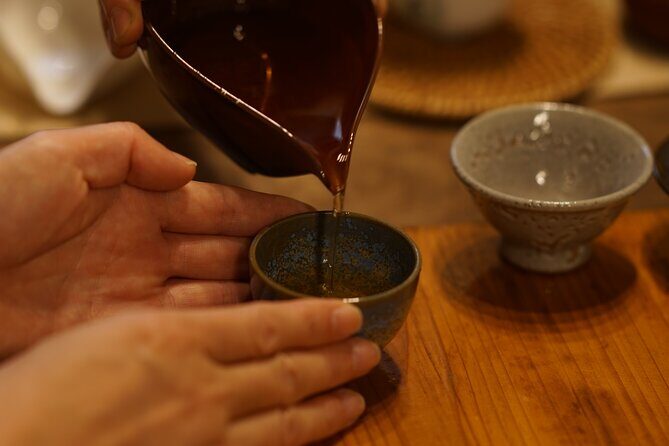
After your matcha is prepared, you taste it. The goal isn’t to turn it into a “compare brands” tasting. It’s more about appreciating the tea in context—how it’s served, how you pause, and how the flavors and texture show up once you’re fully paying attention.
You’ll also get wagashi, which is a big part of why tea ceremonies feel complete. The sweetness and texture work like punctuation after the matcha—especially if you’re used to Western desserts that are mostly about sugar. Wagashi tends to be more subtle, and having it paired with tea teaches you how Japanese sweets are often built for harmony rather than overload.
And yes, the experience includes a social side. The format supports interaction in a respectful way, so you’re not silently doing everything while someone else performs. You’ll even have moments where your tea-making connects with others, which helps the ceremony feel like a shared ritual rather than a solo activity.
Ikeabana alongside tea: why it fits the same mindset
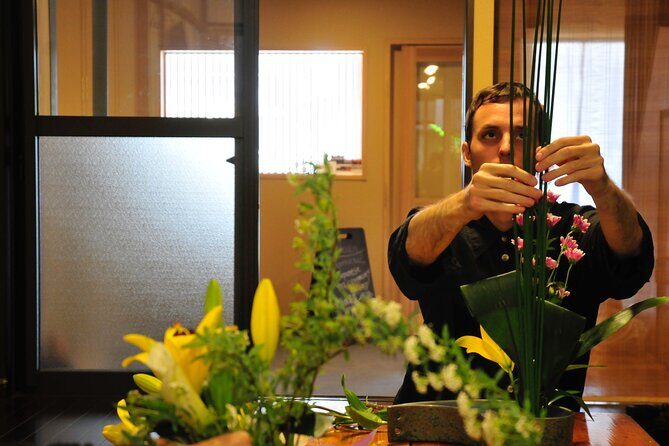
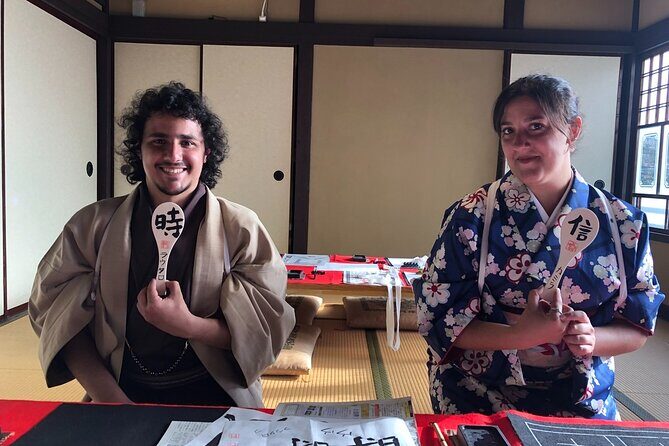
This studio visit also includes ikebana as part of the service. Even though the flower arrangement isn’t described in detailed step-by-step instructions here, the important point is that it’s offered alongside tea ceremony in the same setting.
That pairing makes sense. Both traditions train your attention and your pacing. Tea ceremony asks you to slow down and respect space, tools, and timing. Ikebana does something similar with lines, balance, and restraint.
If you like experiences where culture shows up through everyday discipline—how people hold, place, and present things—this add-on is a nice bonus. You’re not only learning about tea; you’re also seeing how Japanese aesthetics show up in more than one form.






Price and value: what $32.84 is buying you
At $32.84 per person, this can look modest or cheap depending on what you’re comparing it to. In my view, the value comes from what you actually do:
- You get guided instruction and explanation of manners and ceremony parts.
- You make matcha yourself.
- You taste tea you prepared plus other items like wagashi.
- You get time for conversation and questions in English (or Chinese/English).
So you’re not paying only for access to a pretty room. You’re paying for coaching, pacing, and a cultural lesson that ends with something tangible—your own matcha experience.
The small group size (up to 8) also matters for value. In a larger class, your instruction often becomes generic. Here, it’s set up so the host can check your technique and help you feel comfortable.
Getting there in Kyoto and what to plan on your day

Your meeting point is 暗香庵 (Ankoan), 603-8216 Kyoto, Kita Ward, Murasakino Monzenchō 63. The tour starts there and ends back at the same spot. The area is described as near public transportation, but there’s no mention of a pickup, so don’t plan on private transportation.
That’s the practical part to get right. If you’re juggling buses or trains and you’re already tired, build in a little extra transit time. A few reviewers noted that reaching the studio can be a slight hassle, so aim to arrive early enough that you’re not rushing your calm moment.
Wear something that lets you sit comfortably. If you have knee issues, take the guidance seriously—this experience is not recommended for knee pain. Even if you can physically attend, the traditional seating style can make it harder than you’d want.
Who this Kyoto tea ceremony is best for
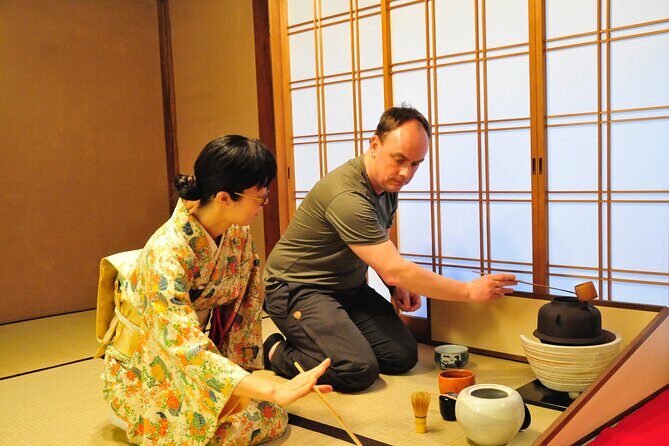
This is a great fit if you:
- Want a true “do it yourself” cultural experience rather than just watching.
- Like calm, structured activities where you learn the meaning behind gestures.
- Enjoy conversation as part of cultural learning, not separate from it.
- Travel with someone who also enjoys hands-on skill-building.
It’s also a smart pick for families when the kids can participate comfortably. The format is interactive, and the studio is set up for shared experience in a small group.
If you’re the type who needs fast, high-intensity sightseeing every hour, tea ceremony won’t scratch that itch. It’s slower by design. But if you want a break from Kyoto’s crowds and temple circuits, this is exactly the kind of reset that makes your trip feel balanced.
Should you book Kyoto Japanese Tea Ceremony Experience in Ankoan?
I’d book it if your goal is to learn matcha preparation with real guidance and to understand how tea ceremony manners connect to everyday respect and attention. The small group size, the strong English support, and the fact that you make and taste matcha yourself make it feel worth the time and price.
Skip it (or choose carefully) if you have knee pain, since the experience isn’t recommended for that. Also, be realistic about timing: plan for roughly 90 minutes to about two hours, not a quick stop.
If you want a Kyoto experience that’s quiet, authentic, and genuinely interactive, Ankoan is a solid choice.
FAQ
How long is the Kyoto Japanese Tea Ceremony experience in Ankoan?
The duration is listed as about 1 hour, and the service is described as about 90 minutes. Some experiences may run closer to around two hours depending on the flow of instruction and participation.
What is the group size?
The experience has a maximum of 8 travelers, so it stays intimate and interactive.
Is the experience available in English?
Yes. The provider states Chinese/English is OK, and the instruction is shared in those languages so you can follow the ceremony steps.
What will I do during the session?
You’ll start with welcome tea and a discussion of tea ceremony manners and key ideas, watch a demonstration, and then make matcha yourself. You’ll also taste matcha and wagashi, and ikebana is offered as part of the studio experience.
Can I take photos indoors?
Yes. You can take pictures indoors freely.
Is it suitable if I have knee pain?
It’s not recommended for those with knee pain.
Can I cancel for a full refund?
Yes. Cancellation is free, as long as you cancel at least 24 hours before the experience start time. If poor weather cancels the experience, you’ll be offered a different date or a full refund. Confirmation is received within 48 hours of booking, subject to availability.