REVIEW · HIROSHIMA
An Amazing set of Cultural experience: Kimono, Tea Ceremony and Calligraphy
Book on Viator →Operated by Okeiko Japan · Bookable on Viator
A kimono day on Miyajima feels like time travel. This small-group culture workshop pairs a Tokujuji temple visit with hands-on making matcha, a guided tea ceremony, and calligraphy practice, plus plenty of photo time. I especially liked how smoothly the staff helped me get dressed, and how the tea and brushwork weren’t just talk—they were real do-it-yourself steps. One possible drawback: your kimono will be fitted for comfort and style, but you may want to manage expectations if you’re between sizes or worried about tight clothing in warmer weather.
The payoff is that you leave with usable new skills, not just souvenir photos: you’ll whisk matcha, learn the basics of tea etiquette, and write characters (including your own name, in the way you’re prompted). The calligraphy portion can feel a bit tricky at first—like learning your ABCs again—but that’s part of the charm.
In This Review
- Key Highlights You’ll Actually Care About
- Miyajima Zen Temple Workshop: Why This Combo Works
- Getting Dressed in Kimono at Okeiko Japan Miyajima
- Matcha and Tea Ceremony: What You Actually Do
- Calligraphy on Location: Writing Kanji and Your Name
- The Temple Setting at Tokujuji: Quiet Surroundings, Not Fake Atmosphere
- Getting There: Ferry Port to Okeiko Japan Miyajima
- Timing, Group Size, and How the 1.5 Hours Feel
- Price and Value: Is $132.14 a Fair Deal?
- Who Should Book This Hiroshima + Miyajima Culture Stop
- Should You Book This Kimono, Matcha, and Calligraphy Experience?
- FAQ
- What is the duration of the Kimono, Tea Ceremony and Calligraphy experience?
- Where does the experience start?
- How close is it to the Miyajima ferry port?
- What activities are included?
- Is there an age limit?
- How big is the group?
- Do you need to bring anything for the ticket?
- Can I cancel for a full refund?
- FAQ
- Is the temple admission included?
- Are there different starting times?
- How long in total is the visit?
- What’s the main focus—watching or doing?
- Do I get help with the kimono?
- Will there be photos taken?
- Is it taught in English?
- What should I do after the experience ends?
Key Highlights You’ll Actually Care About
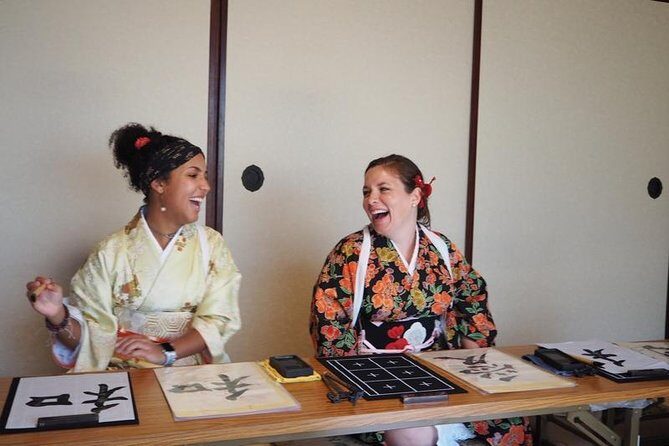
- Zen temple setting at Tokujuji on Miyajima: calm space for tea and brushwork, not a classroom vibe.
- Kimono dressing help: staff handle the fast, fiddly parts like obi and accessories so you can focus on enjoying it.
- You make matcha: you whisk and participate, not just watch a performance.
- Tea ceremony with a step-by-step explanation: you learn the why behind the motions.
- Calligraphy practice includes your name: it makes the lesson personal and easy to remember later.
- Small group capped at 8: more attention, more photos, less waiting around.
Miyajima Zen Temple Workshop: Why This Combo Works
Hiroshima is full of big, important history—and you probably also want at least one experience that’s gentle on your brain. This is that kind of break: you trade tour-bus bustle for the quiet rhythm of Japanese arts in a Zen temple setting on Miyajima.
What makes the experience click is the combination. Kimono gets you into the mood immediately. Then matcha gives you a sensory anchor—smell, color, texture. Finally, calligraphy turns it into something you can carry home: a piece of practice you can look back on and remember how it felt to try.
The time commitment is short—about 1 hour 30 minutes—so you’re not signing up for a half-day that eats your sightseeing schedule. The day still feels full, though, because the activities loop: learn, try, take photos, and move on without long downtime.
You can also read our reviews of more tours and experiences in Hiroshima.

Getting Dressed in Kimono at Okeiko Japan Miyajima
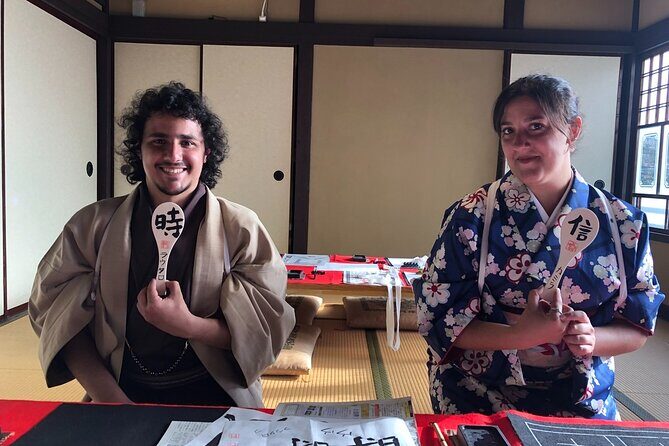
Your experience starts at Okeiko Japan Miyajima, about a 5-minute walk from the Miyajima ferry port toward Tokujuji. You’ll meet at the address listed for the activity, and the team will guide you from there.
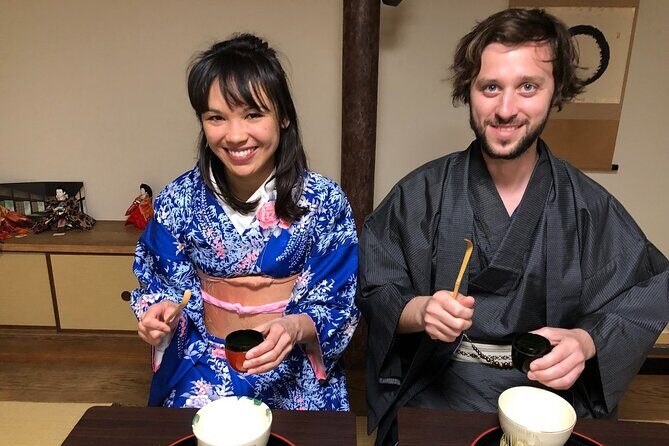
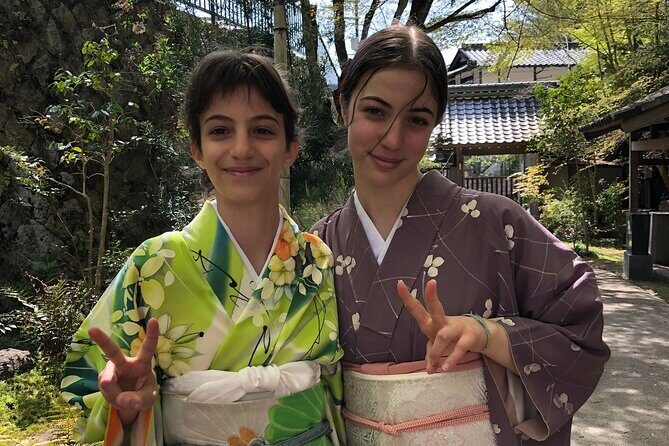
Once you’re inside, the focus shifts to getting you into a kimono that looks right and feels workable. Based on how people describe the process, it’s not a quick hand-off. Staff help you choose from kimono options in your size, and they also assist with the details that most visitors would struggle with—like socks, obi, and the little accessories that make the outfit look finished.
A key practical point: you’ll be in a robe plus traditional styling for the photos, so plan to be ready for the visual transformation. This is one of those experiences where the whole point is dressing up and letting someone else do the tricky parts. The staff are friendly and talk with you while they get you ready, which makes the whole thing feel relaxed instead of rushed.
Photo-wise, this is a big moment. People mention that photos happen throughout the entire experience, and kimono time is clearly the peak. If you care about getting pictures that look like a true cultural moment (not just a random selfie in front of a temple sign), this is built for that.
Matcha and Tea Ceremony: What You Actually Do
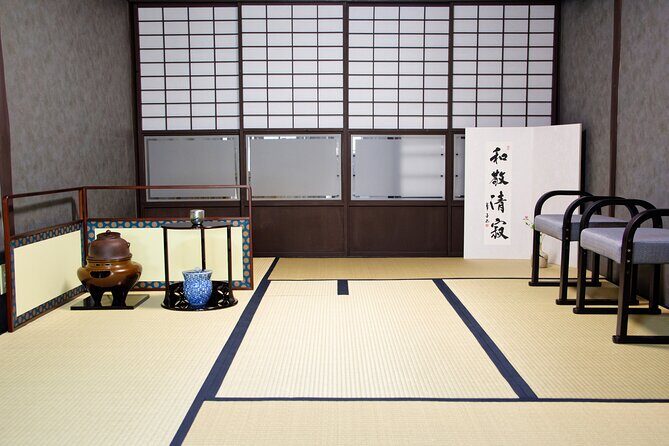
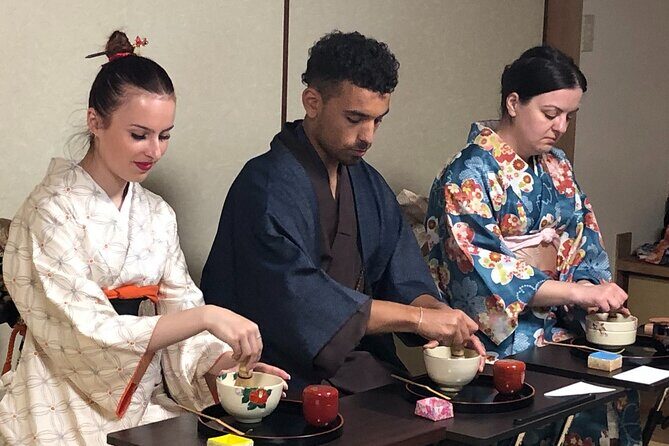
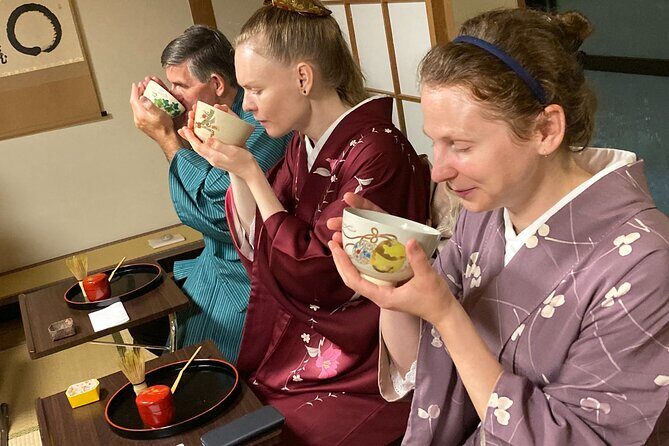
After you’re dressed, you move into the tea ceremony component. The workshop includes a tea ceremony performance, but it’s not passive. You’ll learn the sequence by watching first, then doing.
The most satisfying part is that you make your own matcha. You’ll whisk it yourself using the tools provided as part of the lesson. Matcha isn’t hard to make, but it is easy to do imperfectly on your first try—so you’re doing something real, with guidance, rather than simply following a script.
People also note that the explanations in English are clear, and the staff share the small intricacies that help you understand why the tea ceremony has its particular pacing and gestures. In other words, you’re not just mimicking moves; you’re learning what those moves aim to communicate.
One more detail that adds value: tea bowls used during the ceremony are described as beautiful and made by local artisans. That matters because you’re tasting from something that feels genuinely tied to the place, not generic props.
If you’re the type who thinks tea ceremonies are too formal to enjoy, this one tends to work anyway because you’re participating. You’re doing the whisking. You’re paying attention to the steps. That’s what turns it into an experience you’ll remember later.
Calligraphy on Location: Writing Kanji and Your Name
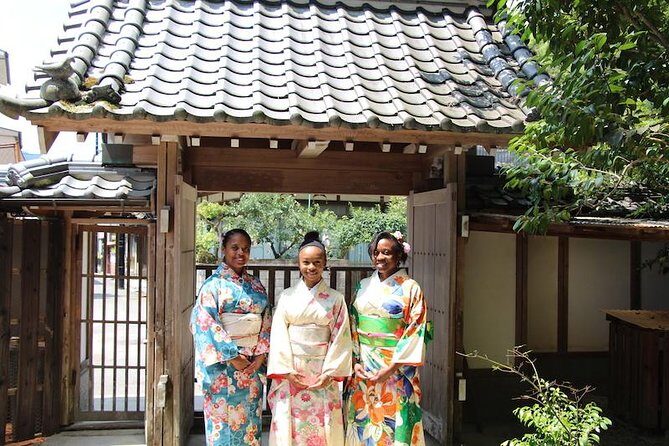
Then comes calligraphy, and it’s where the workshop becomes surprisingly fun. Even if you’ve never held a brush, you’re given a structure you can follow.
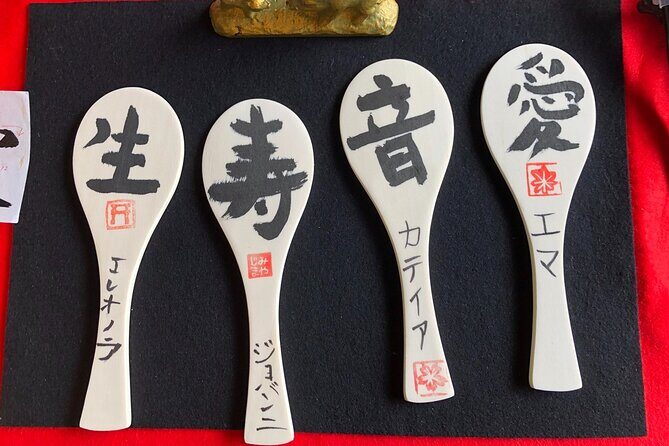
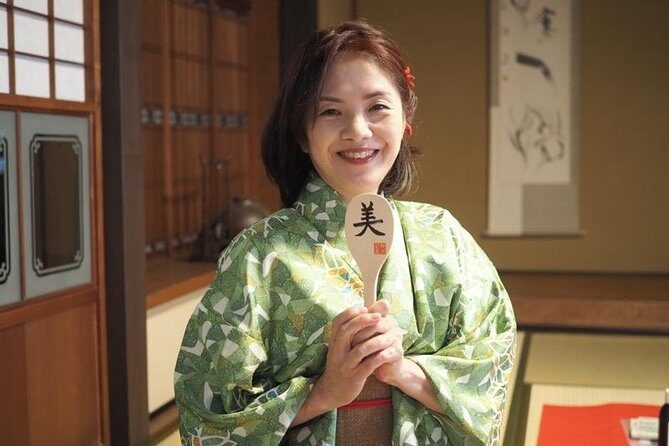
You’ll practice writing characters—often including kanji—and you may also be guided to write your own name. That last part is a huge memory trick. Your brain keeps the result because it’s personal, not because it’s abstract.
A practical reality: calligraphy has a learning curve. People point out that the effort is harder than it looks at a distance. That’s good news for you. When something is challenging, you remember it more. You’ll likely make a few strokes, adjust your grip, and understand that brushwork isn’t about being perfect—it’s about control.
Also, the workshop environment helps. Doing calligraphy around a Zen temple atmosphere changes your mindset. It’s calmer than a museum classroom, and you’re not being asked to produce a masterpiece. You’re being asked to try.
And yes, there can be take-home items. One person describes wrapping up the results of their wooden spoon practice as a souvenir. Even if your exact take-home varies, plan on leaving with something tangible from your effort.
The Temple Setting at Tokujuji: Quiet Surroundings, Not Fake Atmosphere
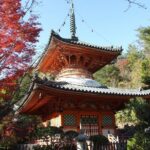
The location is a historic Zen temple on Miyajima, and the experience includes entering Tokujuji Temple. You’re not doing these arts in a generic storefront studio, and that difference is part of the value.
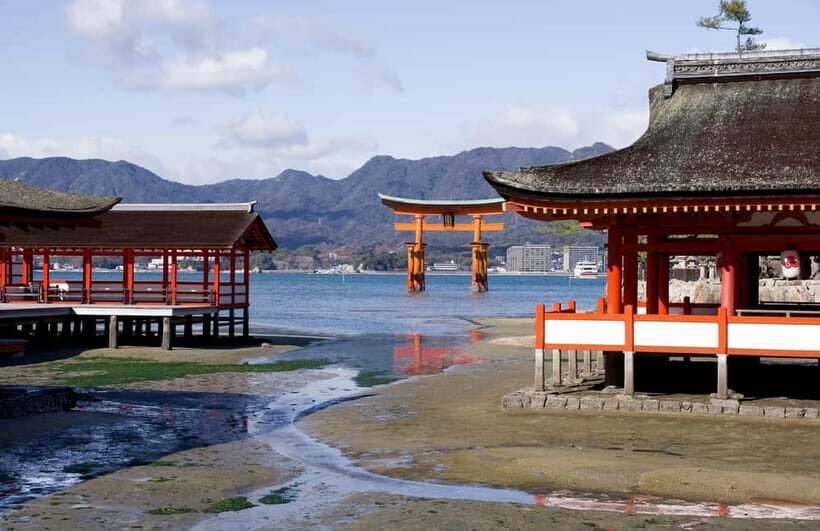
Miyajima itself is famous for its sights, but the texture of a temple setting is different from a main attraction crowd. You get a chance to experience Japanese tradition in a calmer space that matches the tea and calligraphy theme.
There’s also a small but meaningful logistics win: the temple admission is listed as free as part of the stop. That’s not the whole reason to book, but it helps you feel like you’re not paying twice for the same access.

Getting There: Ferry Port to Okeiko Japan Miyajima
Let’s keep the arrival easy.
Meet at Okeiko Japan Miyajima (741-1 Miyajimachō, Hatsukaichi, Hiroshima 739-0588). From the Miyajima ferry port, it’s a short 5-minute walk toward Tokujuji. If you’re already on Miyajima for other sightseeing, this is simple to add on without major coordination.
The experience uses a mobile ticket. That’s useful if you’re already juggling transit, ferry schedules, and daily reservations. You can keep everything in your phone and not hunt for paper when you’re already a bit travel-tired.
Timing, Group Size, and How the 1.5 Hours Feel
This workshop runs for about 1 hour 30 minutes and offers both morning and afternoon start times. That flexibility matters because Miyajima can get busy, and Hiroshima weather can shift quickly. Having more than one time slot means you can pick the part of the day that fits your plan better.
Group size is capped at 8 travelers, which is one of the big quality signals here. Smaller groups usually mean more time and attention during the dressing and the instruction. Based on participant feedback, the staff take lots of photos and help people comfortably through each step, which fits the smaller-group approach.
Pacing is another reason people call it a highlight. There’s a clear flow: kimono first, then tea/matcha, then calligraphy. You aren’t stuck for long stretches waiting. It also tends to work even if you’re not a “craft person.” You still get a guided structure and support at every stage.
Price and Value: Is $132.14 a Fair Deal?
At $132.14 per person for about 1.5 hours, you’re not paying for a bus ride and a single photo stop. You’re paying for staff time, materials, and a guided lesson that includes dressing help plus hands-on participation.
Here’s how I think about the value:
- You get multiple activities in one package: kimono dressing, tea ceremony with matcha-making, and calligraphy.
- You’re guided in steps, not left to figure it out on your own.
- The group is small, which generally increases the attention you receive.
- Photos are part of the experience, which reduces the work of arranging shots yourself while you’re wearing a kimono.
The main tradeoff is that it’s short. If you’re hoping for a half-day cultural immersion with tons of written material or a deep multi-hour craft session, this may feel brisk. But if you want one high-impact culture block that fits into a busy itinerary, the price starts to make sense fast.
Also, you’re basing the activities around a real Zen temple visit, which adds authenticity beyond what a purely studio workshop would offer.
Who Should Book This Hiroshima + Miyajima Culture Stop
This is a strong match if you want:
- a hands-on cultural experience you can participate in, not just observe
- a photo-friendly activity that still feels respectful and real
- a break from heavy sightseeing days around Hiroshima
It also seems to work across ages and styles. The minimum age is 6, and most people can participate. One theme from participant comments is that even men in the group enjoyed it—often because the staff are welcoming and the activities are structured, so you’re not stuck in a purely “girly” setup.
If you have mobility concerns, the basic route is short (a ferry-port walk and time at the meeting point/temple area), but your exact comfort level will depend on your day. The tour is described as doable for most travelers, so it’s worth considering if you like guided activities but want a manageable length.
Should You Book This Kimono, Matcha, and Calligraphy Experience?
If you’re doing Hiroshima and Miyajima and you want one experience that feels personal, interactive, and memorable, I’d book it. The biggest reasons are practical: small group size, hands-on matcha-making, and kimono dressing help that makes the photo moment easy without turning it into a chaos event.
The only time I’d hesitate is if you strongly dislike the idea of dressing in traditional garments or you’re sensitive to clothing fit and warmth. For most people, though, this works because you’re not wrestling the outfit alone—staff handle the details.
In a trip filled with big stories, this gives you a quieter one: tea in a temple setting, brushstrokes that are yours, and kimono photos that look like you actually stepped into the culture.
FAQ
What is the duration of the Kimono, Tea Ceremony and Calligraphy experience?
It runs for about 1 hour 30 minutes.
Where does the experience start?
The meeting point is Okeiko Japan Miyajima, 741-1 Miyajimachō, Hatsukaichi, Hiroshima 739-0588, Japan.
How close is it to the Miyajima ferry port?
It’s about a 5-minute walk from the Miyajima ferry port toward Tokujuji.
What activities are included?
You’ll wear a kimono, make matcha and enjoy a tea ceremony, and learn calligraphy.
Is there an age limit?
The minimum age is 6, and most travelers can participate.
How big is the group?
The experience has a maximum of 8 travelers.
Do you need to bring anything for the ticket?
You’ll use a mobile ticket.
Can I cancel for a full refund?
Yes. Free cancellation is available up to 24 hours before the experience’s start time for a full refund.
FAQ
Is the temple admission included?
The Tokujuji temple admission ticket is listed as free as part of the experience.
Are there different starting times?
Yes, there are both morning and afternoon start times.
How long in total is the visit?
Plan for about 1 hour 30 minutes total.
What’s the main focus—watching or doing?
It’s hands-on. You’ll participate in making matcha and doing calligraphy, not just watch.
Do I get help with the kimono?
Yes. Staff assist with dressing you and choosing kimono options in your size.
Will there be photos taken?
The experience is described as including photo taking throughout the cultural activities.
Is it taught in English?
The tea and cultural explanations are described as being in English and easy to follow.
What should I do after the experience ends?
It ends back at the meeting point.