REVIEW · HIMEJI
Himeji Full-Day Private Tour with Government-Licensed Guide
Book on Viator →Operated by Japan Guide Agency · Bookable on Viator
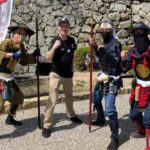
Himeji is all about precision and beauty. I like that this tour locks in the big sights, especially Himeji-jo and Koko-en, without wasting your time. I also like the human touch: you get a government-licensed guide who can tailor the day around what you actually want to see. One drawback to plan for: it’s a walking tour, and entrance fees, lunch, and transit costs are not included.
This format works well if you want a day that feels organized, not rushed. You pick 3–4 stops from the options, and the guide builds the route to match your pace. Over and over in the experience feedback, the stand-out pattern is the guides’ clear communication and patient, flexible guiding—even in rain or when ropeway plans change.
In This Review
- Key highlights I’d circle before you book
- Entering Himeji-jo: why this castle is worth your one big investment
- Koko-en garden near the castle: a calm reset that still tells a story
- Engyo-ji and Mt. Shosha: what changes when the ropeway is suspended
- Literature museum, shrine, and Egret Himeji: three ways to fill gaps between big hitters
- Himeji City Museum of Literature
- Hiromine Shrine
- Egret Himeji rooftop (free views)
- Nadagiku Shuzo and sake tasting: why the female-led brewing angle is more than a trivia line
- How the 3–4 stop choice shapes your whole day (and your comfort level)
- Price and what you’re really paying for at $155.22 per person
- Meeting on foot: pickup offered, but plan for walking
- A guide makes or breaks the day: the names I’d watch for
- Quick practical tips so your 6 hours feel effortless
- Should you book this private Himeji tour?
- FAQ
- How long is the Himeji private tour?
- Is this tour private or shared with other people?
- What does the tour include?
- What is not included in the price?
- Can I choose which sites I visit?
- Is there a ropeway involved for Engyo-ji / Mt. Shosha?
- Do I need to pay entrance fees for the sites?
- Is the tour mostly walking?
- Can I cancel for a full refund?
Key highlights I’d circle before you book
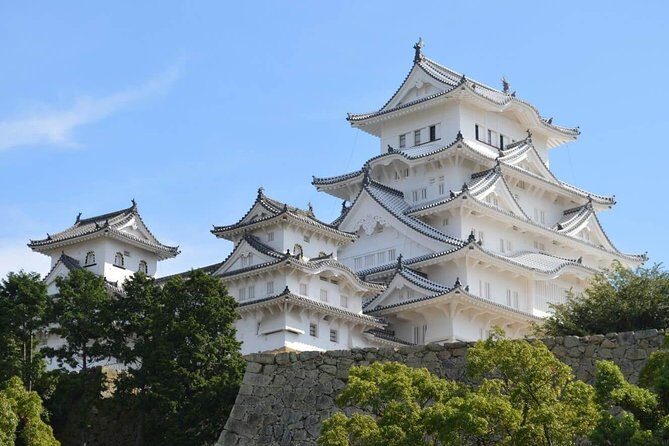
- Himeji-jo focus: the best-preserved feudal castle in Japan is the anchor stop
- Koko-en pacing: a Japanese garden next to the castle, built for the city’s 100th anniversary
- Mount Shosha flexibility: Engyo-ji access can shift when the ropeway is suspended
- Nadagiku Shuzo sake tasting: a sake brewery known for female staff involved in brewing
- Shinto-Buddhist context: Hiromine Shrine where study of both traditions is part of the story
- Free viewpoints: Egret Himeji rooftop is open to the public at no charge
Entering Himeji-jo: why this castle is worth your one big investment
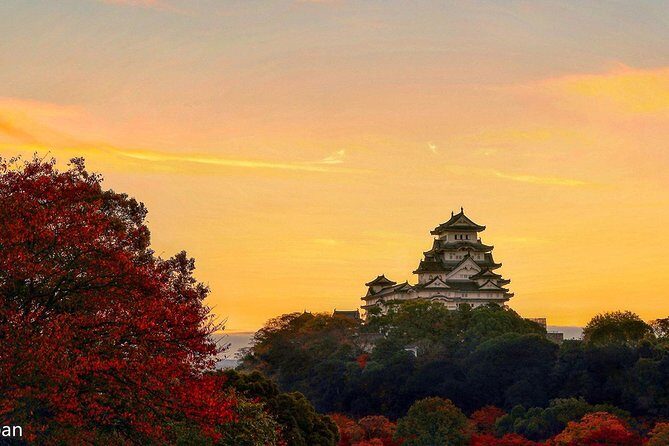
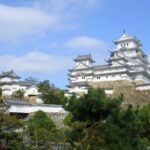
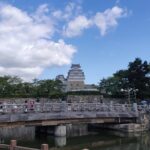
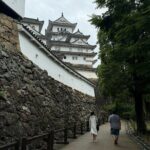
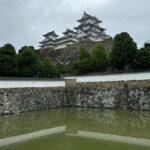
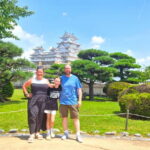
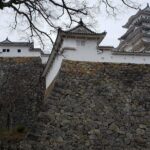
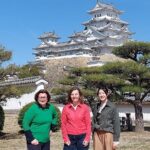
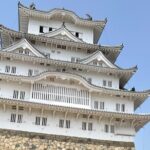
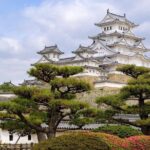
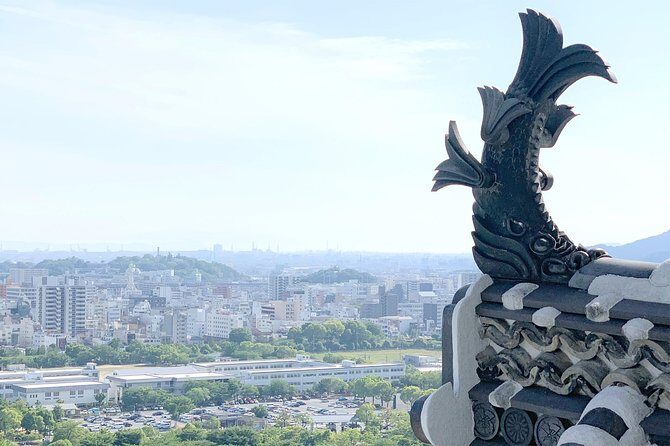
Himeji-jo is the headline for a reason. It was registered as a World Heritage site in 1993, and the castle’s architecture is designed around defense and control—so you’ll notice how the layout isn’t just pretty, it’s smart. Your guide should help you “read” the building: where you’re meant to slow down, why the corridors and sections feel the way they do, and what the castle’s design says about the people who built it.
In a 6-hour day, you’ll usually get about 30 minutes at Himeji Castle. That’s not a forever visit. It’s enough time to cover the essentials with context, especially if your guide points out what you might miss when you’re left to guess. Entrance tickets are not included, so you’ll want to budget for that separately.
Practical note: Himeji Castle can feel crowded. If you’re sensitive to lines, ask your guide to prioritize the route that keeps you moving and lets you pause at the best viewpoints without losing time.
You can also read our reviews of more guided tours in Himeji

Koko-en garden near the castle: a calm reset that still tells a story
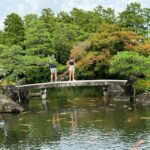
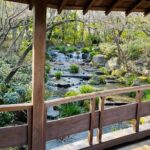
Right next to the castle is Koko-en, a garden built for the city’s 100th anniversary. It’s about 3.5 hectares, so it feels substantial without turning the day into a long walkathon. The garden was originally part of castle land, and in 1618 that land was excavated and repurposed into the garden.
This stop is usually around 10 minutes in the plan. That might sound short, but gardens are one of those places where having a guide matters. If you know what to look for—pond sightlines, the way paths frame views, how garden design works in Japanese space—you get more out of your time.
If your day is hitting you from all directions (castle, temple, and hills), Koko-en is a good breather. It gives you a different pace: less “defense system” and more stillness.
Engyo-ji and Mt. Shosha: what changes when the ropeway is suspended
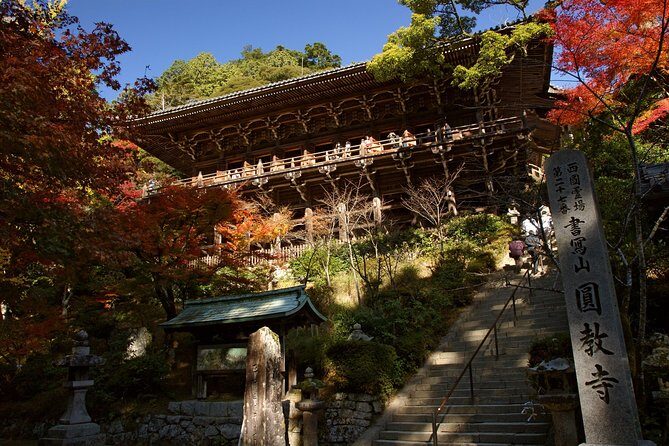
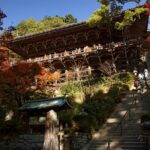
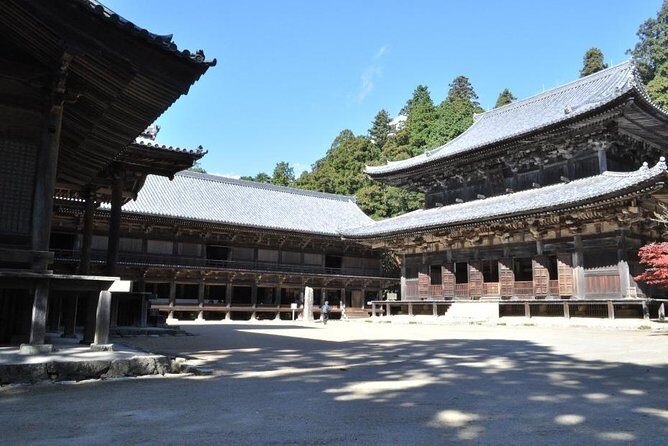
Engyo-ji sits on Mt. Shosha (Shoshazan), and it’s part of the Tendai sect tradition. The plan typically includes a short stop at Engyo-ji Temple (around 10 minutes) and a chance to experience Mt. Shosha hiking (also around 10 minutes). The mountain context matters here: you’re not just walking in a park; you’re stepping into a sacred geography.
The big planning twist is the ropeway. Mt. Shosha Ropeway is listed as suspended due to annual maintenance from February 5, 2026 to March 18, 2026. There’s also a note about another suspension window for January 20, 2025 to March 23, 2025 due to inspections.
What this means for you: if you’re traveling inside those suspension dates, you should expect more walking. The itinerary already includes a hiking component, so you’re not going to be stranded without a plan—it just shifts how you get up and how the day feels. If you’re choosing between “castle-and-garden only” and “temple on the mountain,” consider your comfort level with uphill walking.
Also, Engyo-ji access via the ropeway can be a practical time-saver on an otherwise full day. So even if ropeways aren’t suspended for your dates, it still helps to ask your guide what the route options will be that day.
Literature museum, shrine, and Egret Himeji: three ways to fill gaps between big hitters
This tour doesn’t just stack famous monuments. It also offers smaller stops that add texture to a short day.
Himeji City Museum of Literature
This one is a nice break from “only castles” mode. The building used to be an old army headquarters and has a red-brick structure. The museum’s focus includes European art, which can feel like a surprise detour in Japan—and that contrast can refresh your brain after hours of medieval architecture.
It’s typically around 10 minutes, and entrance fees are not included.
You can also read our reviews of more private tours in Himeji
Hiromine Shrine
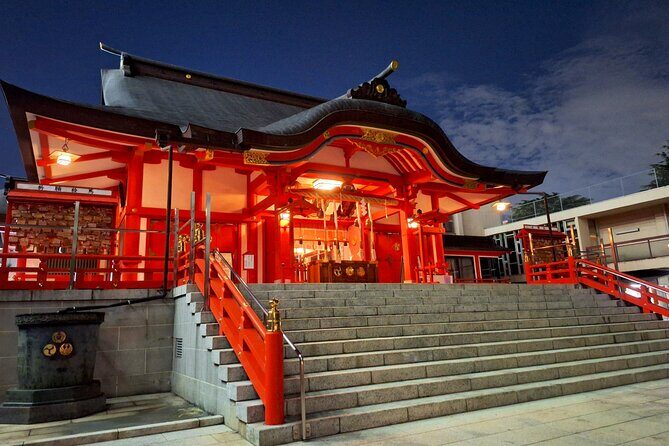
Hiromine Shrine dates back to 733 and sits on Hiromine Mountain. The reason it’s more than just a quick shrine stop: it’s famous for how Shinto and Buddhism were studied together there. If you like learning how religions actually overlap in daily life and historic sites, this is a quick, meaningful window.
This stop is usually about 10 minutes, and it’s listed as free.
Egret Himeji rooftop (free views)
Egret Himeji is a public building attached to a shopping center area, plus public halls and restaurants. The rooftop view is open to the public for free, and it’s a smart way to get a castle perspective when the main viewpoint is busy.
Expect around 10 minutes here, and it’s listed as free. It’s especially useful if you want photos without burning your whole time at the castle.
Nadagiku Shuzo and sake tasting: why the female-led brewing angle is more than a trivia line
Sake is not just a souvenir in Japan. It’s part of local identity, and Himeji is tied to old writing about being a birthplace name associated with sake. This tour includes Nadagiku Shuzo, a sake brewery where the program highlights female staff involved in brewing.
Your stop here is usually 10 minutes and is listed as free for the tour component. You’re likely to get a tasting as part of the experience, and the way the tour frames the brewery—especially the role of women in the brewing staff—gives you a human connection, not just a sample cup.
If you care about how food and drink stories connect to culture, this is one of the better ways to spend part of your day. It’s quick enough to fit a tight schedule, but it still feels like you touched something local.
How the 3–4 stop choice shapes your whole day (and your comfort level)
This is a private tour, so you’re not fighting a crowd-controlled group pace. Your guide customizes a route based on the activities you choose, typically 3–4 sites out of the listed options. The entire tour is about 6 hours.
Here’s how I’d think about choosing stops:
- If you want the classic Himeji day: pick Himeji Castle + Koko-en first, then add one of: sake at Nadagiku Shuzo, Hiromine Shrine, or Egret Himeji.
- If you want scenery with effort: swap in Mt. Shosha / Engyo-ji. It changes the day because it’s the only part that reads like a hike.
- If you like variety and breaks: add the Himeji City Museum of Literature. European art in a former army HQ is a strong contrast.
The itinerary timing is fairly tight at each stop—many are around 10 minutes. So your guide’s job isn’t just explaining; it’s also keeping you focused and moving. If you want extra time inside any location, tell your guide early so they can adjust the route.
Price and what you’re really paying for at $155.22 per person
At $155.22 per person for about 6 hours, this is priced like a serious private-guide experience. What you’re paying for isn’t just seeing sites—it’s smooth coordination and a licensed guide who can translate history into something you can actually use while walking.
Here’s the value math you should do before you book:
- What’s included: licensed local English-speaking guide, a customized selection of 3–4 sites, and meeting on foot within a designated Himeji area.
- What’s not included: transportation fees, entrance fees, lunch, and other personal expenses. Also, you cannot combine multiple tour groups, and you don’t get a private vehicle.
So your final cost depends on entrance tickets and how you handle transit and lunch on your own. If you would otherwise take taxis or spend time figuring out routes in Japanese, this tour often pays for itself in stress saved. If you already know the logistics and plan to go fast, it may feel pricey for the short time spent at each location.
Group discounts are mentioned. That can make the per-person cost feel more reasonable if you’re traveling with others in your own small party.
Meeting on foot: pickup offered, but plan for walking
The tour says pickup is offered, but it also specifies it’s a walking tour with pick-up on foot, meeting the guide within a designated area of Himeji. Transportation fees are not included, and a private vehicle is not included.
For you, that means: you’ll want to be ready to walk some distance right away, and you should plan your meeting point timing carefully. If you’re coming from Himeji Station, build in a little extra buffer so you’re not speed-walking with your camera already half packed.
This is also a reason to bring comfortable shoes. Most stops are short, but the day still relies on walking.
A guide makes or breaks the day: the names I’d watch for
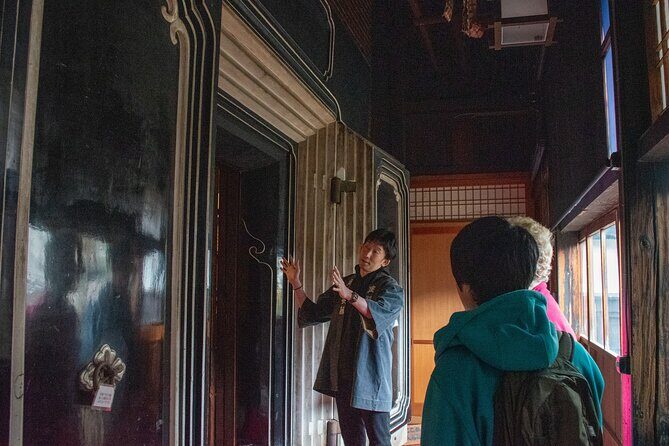
The standout theme in the experience feedback is guide communication. People praised clear, friendly coordination from the start and the way guides handled weather and changing conditions.
A few guide names pop up often in the provided feedback:
- Yama-san: praised for communication and seamless meet-up, plus interest in local food.
- Hiro: highlighted for being patient and accommodating, even with rain.
- Mariko: guided a route including Mt. Shosha access and a memorable temple bell moment described through their narration and timing.
- Yuka: noted for building a plan that included hiking up to Engyo-ji when the ropeway situation required more walking.
- Nishi: praised for deep historical context around castle and garden, with attention to pace.
- Norio and Hiromi: repeatedly mentioned for strong history explanations and for connecting sites to each other in a way that makes the city layout make sense.
Even if you don’t get these exact guides, the pattern matters: you’re not just buying access to locations. You’re buying someone’s ability to connect dots across Himeji’s history.
Quick practical tips so your 6 hours feel effortless
- Choose your theme first: castle history, garden calm, mountain temple, or sake.
- If you’re aiming for Engyo-ji during Feb 5, 2026 to Mar 18, 2026, mentally prepare for the ropeway being suspended and the hike component mattering more.
- Bring a light layer. You’ll be outside, and weather can change fast around mountain areas.
- If you care about photos, ask your guide where to stand so you don’t lose time hunting for the angle.
- Plan for entrance tickets and lunch on your own. Your guide can guide you on timing, but you’ll handle those costs.
Should you book this private Himeji tour?
I’d book it if you want a structured day that covers the highest-value stops in Himeji with an English-speaking licensed guide. It’s especially worth it when you want more meaning than a checklist—castle defense design, garden layout logic, and the way a shrine story ties Shinto and Buddhism together.
Skip it (or adjust expectations) if your travel style is fully independent and you already have the routes, ticket timing, and language support figured out. Also consider the ropeway suspension windows for Mt. Shosha. If you’re not up for extra walking, you may prefer choosing castle + garden + one culture stop instead of the mountain portion.
If your calendar and footwear are ready, this is a very solid way to do Himeji in a single day.
FAQ
How long is the Himeji private tour?
It’s listed as about 6 hours.
Is this tour private or shared with other people?
It’s a private tour/activity, and only your group participates.
What does the tour include?
You get a licensed local English-speaking guide, and a customizable route based on your selection of 3–4 sites. You meet the guide on foot within a designated area of Himeji.
What is not included in the price?
Transportation fees, entrance fees, lunch, and other personal expenses are not included. A private vehicle is not included.
Can I choose which sites I visit?
Yes. You choose your preferred activities from the available sites, and your guide customizes the day around 3–4 locations.
Is there a ropeway involved for Engyo-ji / Mt. Shosha?
Mt. Shosha Ropeway is listed as suspended for annual maintenance from February 5, 2026 to March 18, 2026. The plan also includes a Mt. Shosha hiking portion.
Do I need to pay entrance fees for the sites?
Entrance tickets are not included (for example, Himeji Castle and the museum are listed as not included). Some stops are listed as free.
Is the tour mostly walking?
Yes. It’s a walking tour, with pick-up and meeting on foot within a designated area.
Can I cancel for a full refund?
Yes. Free cancellation is available if you cancel at least 24 hours in advance for a full refund.