REVIEW · FUKUOKA
Fukuoka Like a Local: Private & Personalized Experience 2-3 hours
Book on Viator →Operated by City Unscripted · Bookable on Viator
Fukuoka makes sense fast on foot. This private tour is built around personal recommendations and getting your bearings, so you’re not wandering blind in Hakata’s layers. I like how it pairs big sights with practical city know-how, and I also love the flexibility to steer toward what you care about most.
One thing to keep in mind: it’s mostly a walking experience, and the price covers guiding only, so you’ll still handle snacks, transit, and any tickets.
You’ll start at Tully’s Coffee by Hakata Station and move through a clean arc of must-sees and “wait, that’s cool” stops. You’ll see Hakata as a vertical city of shops and cafés, then head toward Dazaifu’s Tenman-gū Shrine and plum season energy, before winding down with a park stroll and the quiet remnants of Fukuoka Castle. If you only have a short window in Kyushu, this is a smart way to get oriented and come away with a real plan for the days after.
In This Review
- Key takeaways before you go
- Hakata Station as your launchpad, not just a stop
- From Dazaifu Tenman-gū to plum-bloom exam prayers
- A religion and traditions stop that answers the why
- Ohori Park: the pond walk that turns lunch into a plan
- Fukuoka Castle ruins: gates, guard towers, and context
- How private guides make the tour feel tailored, not templated
- Price and value: what $66.33 really buys
- Walking logistics that actually matter for comfort
- Who should book this Fukuoka like a local tour
- Should you book? My straight answer
- FAQ
- How long is the Fukuoka like a local private experience?
- Is this tour private or shared with other travelers?
- Where does the tour start and where does it end?
- Is food included in the tour price?
- Does the tour include transportation?
- Are attraction tickets included?
- What is included in the tour price?
- Is there a cancellation window for a full refund?
Key takeaways before you go
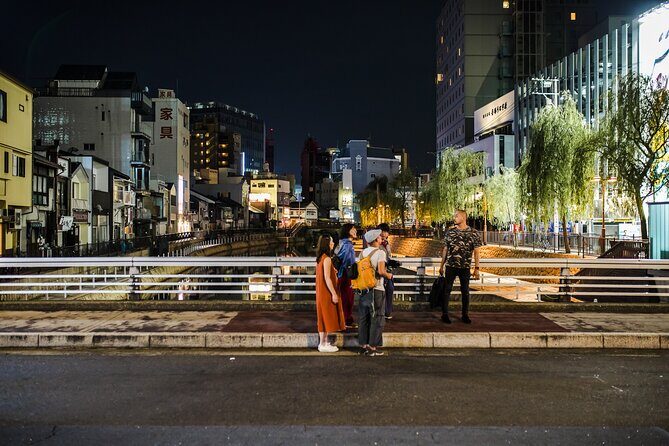
- Private, customized pacing: your host adjusts stops around what you want to see and what time you have.
- Hakata Station orientation: a quick tour through one of Japan’s most complex stations so you can navigate later.
- Dazaifu Tenman-gū and exam prayers: plum-bloom seasonal vibes and the meaning behind the shrine.
- Ohori Park for a lunch reset: a pond circuit that works for an easy walking break and a bento-style lunch.
- Fukuoka Castle ruins with context: gates and guard towers explained in plain language.
- Mobile ticket and group discount options: convenience features that make booking feel low-stress.
Hakata Station as your launchpad, not just a stop
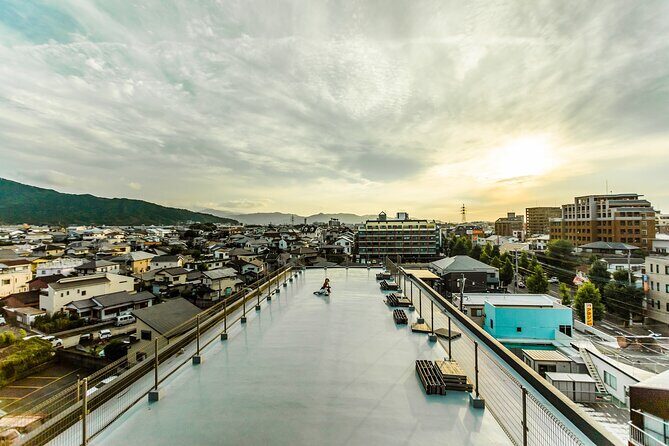
Most people use Hakata Station as a transit hub and then disappear. Here, you treat it like the city’s front door. Your guide starts you at Tully’s Coffee at 1-1 Hakataekichūōgai, and the first big lesson is orientation: Hakata is massive, multi-story, and packed with everyday life. The station building is around 10 stories high, with shops, cafés, and restaurants on multiple floors, so even the walk to your next connection becomes easier once you understand the layout.
This matters more than it sounds. On your second day in Fukuoka, you’ll save time and mental effort because you’ll know where you are in the “stack” of the station rather than treating it like a maze. If you’re jet-lagged or arriving right after transport, that orientation can be the difference between enjoying your evening and just making it through.
You can also use your host’s transport tips immediately. Your guide isn’t just naming stations; they’re helping you understand routes and timing so you don’t waste your limited hours doing trial-and-error.
You can also read our reviews of more private tours in Fukuoka

From Dazaifu Tenman-gū to plum-bloom exam prayers
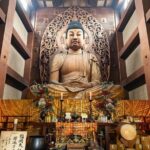
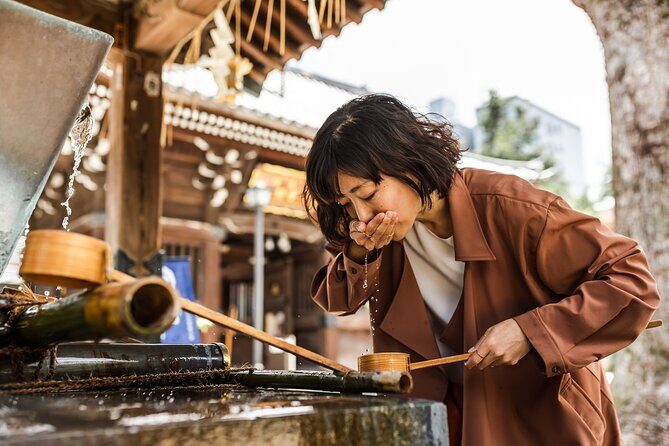
The next shift takes you out toward Dazaifu, where Tenman-gū Shrine is famous for its role in Japanese education prayers. The highlight here is the plum tree lined scenery at the shrine, especially when it’s blooming between February and March. Even if you’re not traveling during plum season, your guide will explain why university students and families visit: it’s about hope, effort, and wishing for good exam results.
What I like about this stop is that it’s not just a pretty shrine photo moment. You’ll learn the cultural logic—why certain prayers exist, what people tend to ask for, and how the shrine fits into real life for students. That kind of context makes the visit feel less like a checkbox and more like you understand what you’re seeing.
Timing note: if you’re there during peak plum bloom, the area can be busy. For a small private group, though, you should still feel less rushed than you would on a larger tour, and your guide can help you find a comfortable pace and viewing angles.
A religion and traditions stop that answers the why
Then the tour “travels through time,” focusing on Japanese religion and traditions. The itinerary doesn’t lock you into one single scripted storyline; it’s guided by a local host’s explanations of how the sites you visit connect to belief, everyday habits, and historical layers.
Even without knowing every exact detail in advance, you can expect this part to be the most clarifying. When people visit shrines and temples, they often get the what but not the why. Here, you’re getting the why—how practices emerged, what certain spaces are meant to convey, and what locals pay attention to beyond the obvious buildings and gates.
This is where a good private host pays off. You can ask questions on the spot, and you can steer toward what makes sense for you: history, rituals, architecture, or just practical etiquette. If you prefer a calm cultural talk, this is also the part that can feel the least like a race.
Ohori Park: the pond walk that turns lunch into a plan

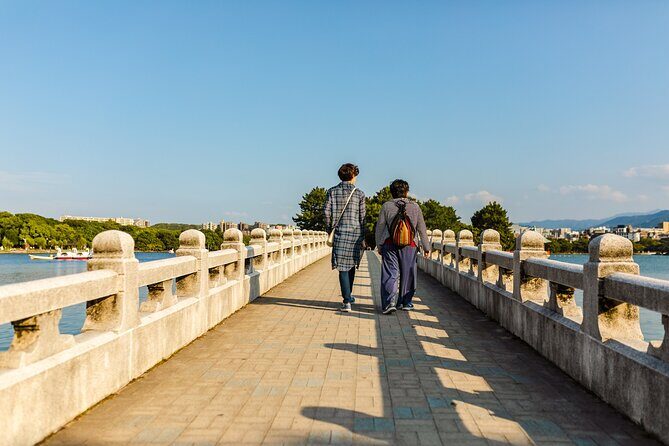
After shrine-world and history talk, you get a breather: Fukuoka’s biggest park with a walking path around the circumference of the pond. It’s popular for jogging and relaxed strolls by the water. This is a great contrast to crowded station corridors—less noise, more breathing room.
And yes, it’s set up perfectly for a practical lunch. The tour experience specifically notes that the park is a good spot for a bento-box lunch. That’s a smart tip for two reasons:
1) you don’t lose time hunting for food mid-walk, and
2) you get a pleasant setting that helps you slow down and digest before continuing.
If you’ve been walking a lot in Japan, you know the trick: choose one “soft landing” stop each day. Ohori Park can be that moment. You’ll likely end up with better energy for the rest of your sightseeing, and you’ll also have a calmer mental map of the city’s geography.
Fukuoka Castle ruins: gates, guard towers, and context
Next comes Fukuoka Castle ruins. During the Edo Period, it was the biggest castle in all of Kyushu, and afterward, much of it fell into ruin after the Meiji Restoration. What remains today is mainly gates and guard towers.
The key value here isn’t just seeing stone and structure remnants. It’s learning how to interpret them. Ruins can look random if no one tells you what the original layout meant. With a local host, you can understand what you’re looking at: what parts were defensive, which areas mattered, and why the castle’s influence was so significant for the region.
A small caution: castle ruins are not the same as a fully restored site. Plan for atmosphere and explanation more than wow-factor rebuilds. The payoff is that you’ll understand what’s missing and why.
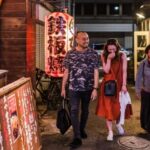
How private guides make the tour feel tailored, not templated
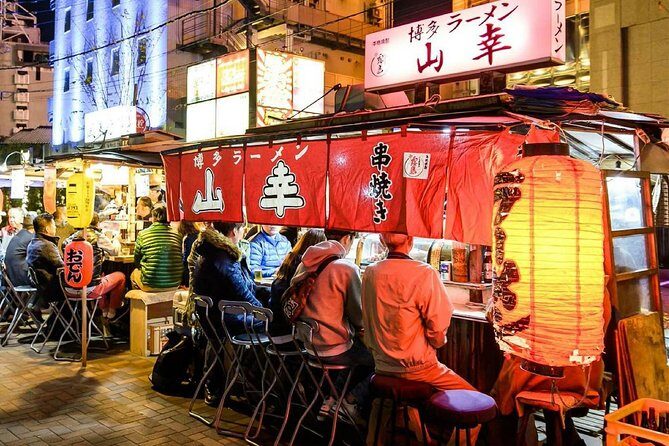
This is a private tour, so you’re not stuck with one pace for a mixed group. The format is built around you and your group, with a host hand-picked for you. Your guide should ask what you want to see and then build the tour around it, including personalized advice for what to do next after the tour ends.
In the real world, that flexibility can save time in unexpected ways. I’ve seen hosts go well beyond simple pointing. For instance, one guide named Yuko helped a guest handle a last-minute issue with train tickets during the tour window by stepping in with staff at the counter. Another host, Ai Kim, was described as highly organized and proactive about asking what the guest wanted, then providing clear tips afterward. Luis was praised for connecting history, culture, and modern life in a way that actually made the places feel real. Bruce guided someone back into the city with extra directions and tips when the meeting point was slightly out of the way.
Even if you get a different guide, the pattern is what matters: a strong local host doesn’t just escort you. They help you make decisions. They also help you avoid common Fukuoka time traps like wasting a connection because you didn’t understand the station flow.
Price and value: what $66.33 really buys
At $66.33 per person for a 2 to 3 hour private experience, the key question is what you’re paying for. Here, the price includes guiding only. That means:
- Food and drinks are on you.
- Transportation is not included (the experience is primarily walking, but public transport may be used).
- Tickets to attractions are not included.
- Gratuities are optional.
So why does it still feel like good value? Because the guide time is the most expensive part if you try to replace it yourself. You’re not just paying for movement; you’re paying for:
1) custom recommendations for what to do next,
2) city navigation help (especially around Hakata), and
3) cultural context that makes your stops easier to understand and remember.
Also, because it’s private, you’re less likely to feel the cost “burn” when you’d otherwise spend time waiting for others. This works especially well if you’re traveling as a couple, a small group of friends, or solo and want more attention than you’d get on a standard group tour.
One more practical note: this experience has solid demand—on average it’s booked about 41 days in advance. If you’re traveling around plum season or have a tight itinerary, booking earlier can help you lock in a time that fits your Kyushu schedule.
Walking logistics that actually matter for comfort
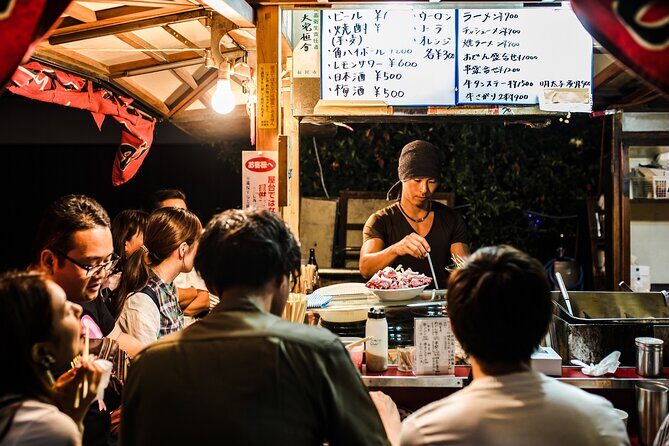
This tour is primarily a walking experience, with public transport potentially used depending on your custom route. That makes sense for efficiency: Hakata is walkable in the right zones, and then the day can be shaped around how you want to cover Dazaifu, park time, and the castle ruins.
For you, the biggest comfort tips are simple:
- Wear shoes you can stand in for a few hours.
- Bring a layer. Stations and parks can feel different as weather shifts.
- Treat the park as your energy reset, not a quick pass-through.
Because it’s private, your guide can typically adjust pacing if you want a more relaxed day or if you prefer a faster sweep between sights. If you’re prone to getting tired on long strolls, tell your host early so they can shape the route.
Who should book this Fukuoka like a local tour
This is a strong fit if:
- you want a fast orientation to Hakata and central Fukuoka,
- you care about culture and context, not just photos,
- you want your day customized instead of forced into a set route, and
- you’re starting a Kyushu trip and want smart next-step advice.
It’s also ideal if you’re traveling with a small group that wants the freedom to pause, ask questions, or linger near something that catches your eye.
You might want to skip or supplement it if:
- you want lots of long, major-ticket attractions packed into the day (tickets and food are not included), or
- you dislike walking and don’t want to handle transit decisions yourself.
Should you book? My straight answer
Book it if you want to leave Fukuoka feeling organized and informed. The biggest payoff is practical: a local host helps you understand the city’s geography, teaches you what to notice, and gives you personalized suggestions for what to do after the tour.
Skip it if your goal is purely to hit as many paid attractions as possible with minimal walking. In that case, you’ll probably want a different style of tour.
If your schedule is short but you still want depth, this private walking format hits a sweet spot: big station orientation, meaningful shrine time, a park reset, and ruins explained in plain language.
FAQ
How long is the Fukuoka like a local private experience?
It lasts about 2 to 3 hours.
Is this tour private or shared with other travelers?
It’s private. Only your group participates.
Where does the tour start and where does it end?
The start point is Tully’s Coffee at 1-1 Hakataekichūōgai, Hakata Ward, Fukuoka. The tour ends back at the meeting point.
Is food included in the tour price?
No. Food and drinks are not included.
Does the tour include transportation?
Transportation isn’t included. The experience is primarily a walking tour, but public transport may be used.
Are attraction tickets included?
No. Tickets to any attractions are not included.
What is included in the tour price?
The price includes private guiding by a local host, plus a walking tour of highlights and hidden gems.
Is there a cancellation window for a full refund?
Yes. You can cancel up to 24 hours in advance for a full refund. If you cancel less than 24 hours before the start time, the amount paid is not refunded.