REVIEW · OSAKA
Osaka Private Half-Day Tour with a Local – Secrets & Highlights
Book on Viator →Operated by City Unscripted · Bookable on Viator
Osaka makes more sense with a local guide. This private half-day walking tour is built around a guide matched to your interests, plus a flexible plan that can shift as you go. I especially like the personality-matched guide concept, because it changes the whole tone from sightseeing to learning how Osaka fits together.
The second thing I like is the range in just 3–4 hours: castle-area views, an ancient temple, old back alleys, and then the neon can stay for the end. Main consideration: it’s a true walk-first experience, so plan for time on your feet and be ready to ask for slower routes if you need it.
In This Review
- Key Highlights You’ll Actually Feel
- A Half-Day That Starts Like a Conversation, Not a Checklist
- The Walk-First Rhythm: What 3 to 4 Hours Feels Like
- Meeting in Dōtonbori: Getting Your Bearings Fast
- Osaka Castle Area: Stone Walls, Moats, and Samurai Stories
- A Breather at the Temple Founded in 593
- Behind Dōtonbori: The Narrow Alley with Moss-Covered Fudō-myōō
- Shinsekai: Retro Streets and Deep-Fried Comfort
- Dōtonbori Canal Nights and Backstreet Arcades
- Price and Value: Is $114.17 Worth It?
- Guides, Personality, and the Pace That Keeps It Fun
- Who This Tour Suits Best (And Who Might Want Something Else)
- Should You Book This Osaka Private Walk?
- FAQ
- How long is the Osaka private half-day tour?
- Where is the meeting point?
- Is the tour walking-only?
- What’s included in the price?
- Are food, drinks, and tickets included?
- Can I bring a service animal?
- What is the cancellation policy?
Key Highlights You’ll Actually Feel
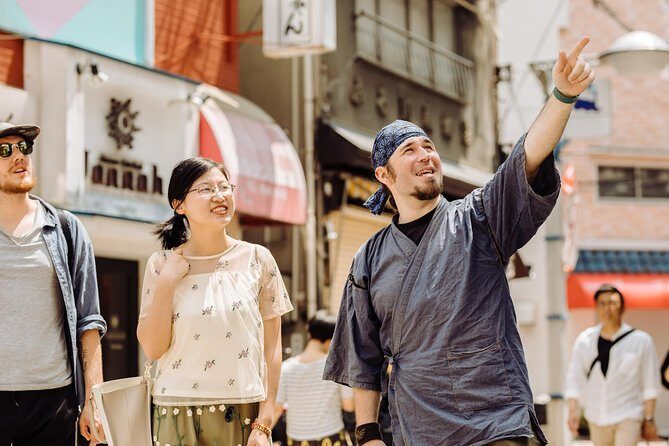
- Pre-tour questionnaire + direct messaging so your guide can tailor the day to history, food, photos, or quieter lanes
- Private, matched guide style means the tour feels like your pace, not a fixed group script
- Osaka Castle-area park views with moats/stone walls plus stories that connect samurai and the city
- A calm stop at Japan’s oldest official Buddhist temple (founded in 593) for a breather from the street noise
- Old Osaka alley details behind Dōtonbori, including the moss-covered Fudō-myōō statue
- Shinsekai retro district + Dōtonbori canal nightlife to cap the day with classic Osaka energy
A Half-Day That Starts Like a Conversation, Not a Checklist
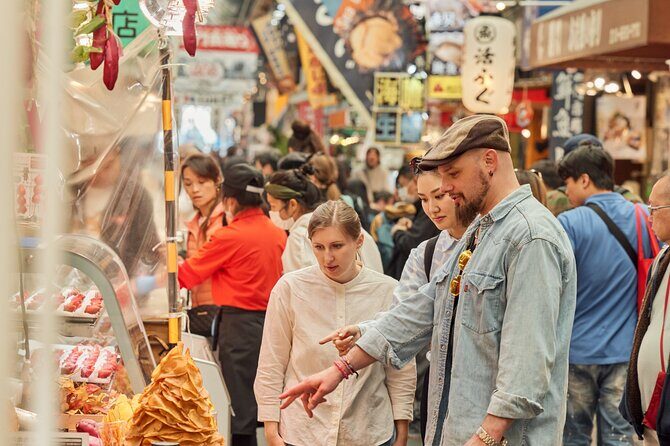
This tour’s real value is the human part. After you book, you fill out a short questionnaire about what you want to see (and what you’d rather skip). Then your guide reaches out directly to shape the route around your style—history-first, street-food hunting, hidden corners, shopping detours, photo stops, or a mix.
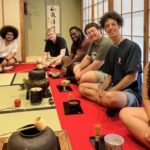
That’s why many people end up calling it a relaxed, friendly afternoon. Guides like Kai and Maria are described as fun and personal—more like a local friend than a formal lecturer. And when someone says Max fit the pace just right, that’s the big promise here: you’re not trapped in a fast group shuffle.
One practical perk: start times are flexible when you book, so you can line this up with your day plan. Your tour also starts and ends back at the same spot, near Dōtonbori, which makes it easier to keep the rest of your Osaka plans flowing.
You can also read our reviews of more private tours in Osaka

The Walk-First Rhythm: What 3 to 4 Hours Feels Like
This is designed for a walking experience. There’s no private vehicle included, though you might use public transportation or local taxis to transfer between sites. The tour is fully private, so you’re not sharing pace decisions with a big crowd.
In plain terms: you’ll want comfortable shoes. Osaka’s fun stuff often comes with short distances that still add up, plus stairs and narrow lanes in the older neighborhoods. If you’ve got mobility limits, it’s worth messaging your guide early—at least one guide handled mobility problems by adjusting the route so the key sights still fit.
Also, don’t plan this as a zero-waiting day. Even with good pacing, temples, parks, alleys, and shopping streets have their own tempo. The goal is to get you oriented fast and show you how locals experience the city, not to turn Osaka into a race.
Meeting in Dōtonbori: Getting Your Bearings Fast
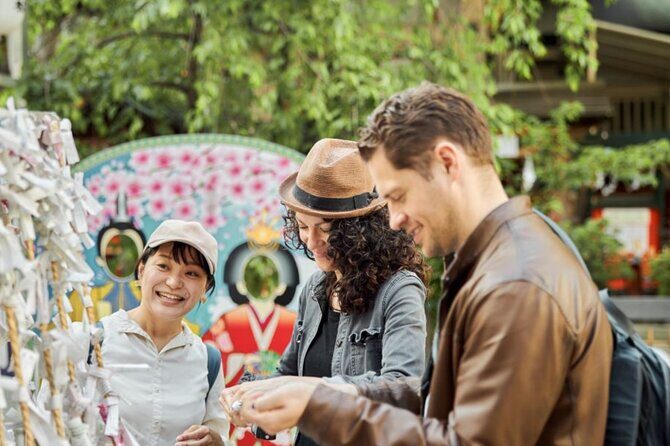
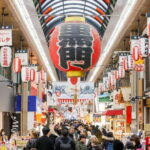
You’ll meet at Starbucks Coffee – Tsutaya Ebisubashi (1-chōme-8-19 Dōtonbori, Chuo Ward). That location matters more than it sounds. Dōtonbori is where Osaka’s energy is loudest—signs, street performers, people-watching, and food everywhere. Starting here gives you an easy anchor point for the rest of the day.
From here, your guide works the route based on your preferences. Some guides lean into easy photo angles and small stops; others keep it moving. A common theme from guide styles (like Shingo or Khalid) is communication up front—asking what you want, then shaping the day accordingly.
You’ll also have a mobile ticket, and your guide can help with the practical side of getting around. One review specifically mentioned walking through metro ticketing and the IC card system, which is exactly the kind of “first-day life” help that saves time and stress.
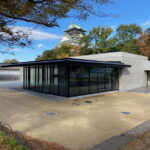
Osaka Castle Area: Stone Walls, Moats, and Samurai Stories

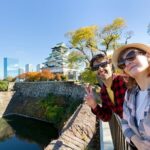
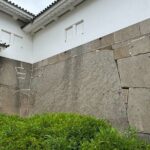
One stop centers on Osaka’s famous landmark viewed from the surrounding park area—so you get the big picture without immediately starting with the busiest indoor attractions. You’ll see the stone walls and moats, plus seasonal views depending on when you go.
This is also where the guide storytelling is useful. The park setting is ideal for connections between the physical city and the historical imagination: samurai and shoguns aren’t just names here. You’ll hear the city’s past in a way that matches what you’re looking at.
A practical tip: parks often have multiple vantage points, and you’ll appreciate going slow for photos. If you’re interested in history, ask your guide what details matter most from each angle. If you’re more into modern Osaka, you can still treat this as a grounding moment—like learning the stage before watching the show.
A Breather at the Temple Founded in 593
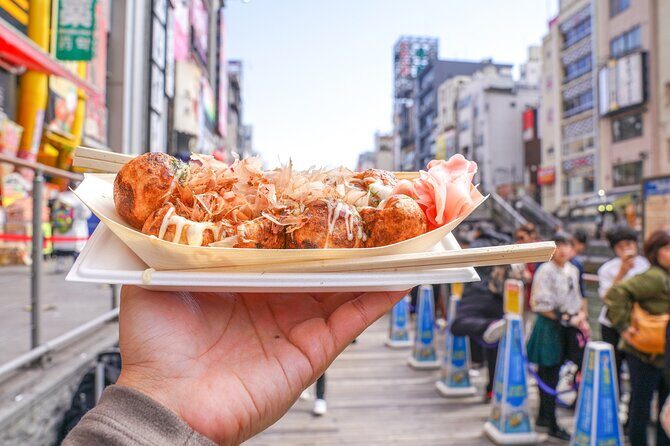
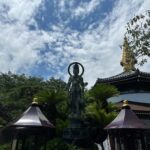
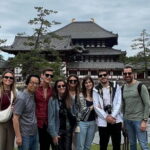
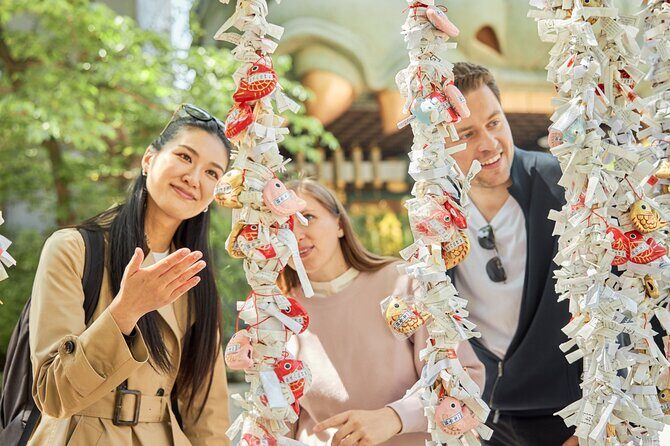
Next comes a peaceful reset: Japan’s oldest official Buddhist temple, founded in 593. You step into a calmer rhythm that contrasts hard with Dōtonbori’s energy. Even if you’re not a “temple person,” this kind of stop helps you understand Osaka as a layered city, not just neon and snacks.
Your guide shares cultural insight on what you’re seeing and why it matters historically. The benefit isn’t just facts; it’s the pacing. One of the biggest wins of a half-day tour is getting the emotional variety right—noise, then quiet, then noise again.
A good way to use this stop: take a moment before asking questions. Slow down, look around, then let the guide fill in meaning. If you’re planning to do photos, be respectful of quiet areas and signage. A guide who likes to take family photos—like Kai did—can also help you find appropriate angles that don’t disrupt others.
A few more Osaka tours and experiences worth a look


Behind Dōtonbori: The Narrow Alley with Moss-Covered Fudō-myōō
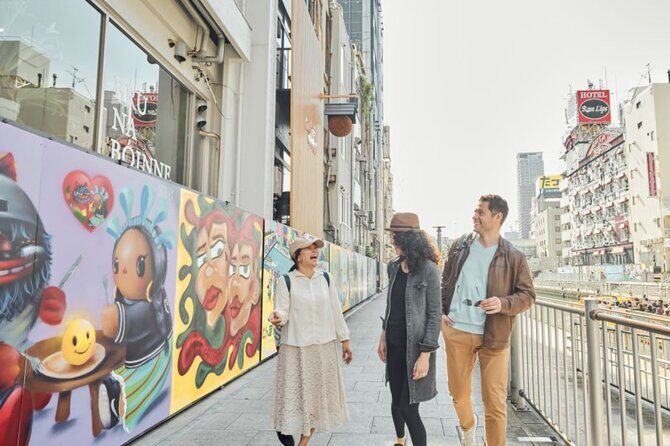
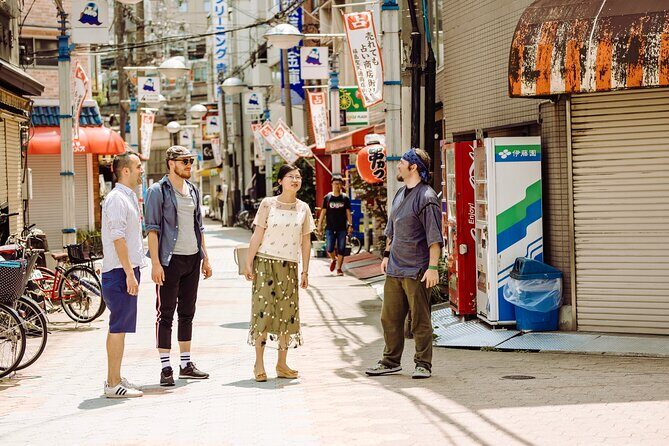
After the calmer temple stop, you’ll head toward a narrow alley tucked behind Dōtonbori. This is old Osaka in miniature: small restaurants, traditional shops, and a street feel that’s less about big entertainment and more about everyday life.
A highlight here is the moss-covered Fudō-myōō statue. It’s one of those details that can be easy to miss if you’re just walking through with no direction. The alley setting also makes the experience feel more like a discovery than a ticketed attraction.
Practical notes:
- Go at alley speed. Narrow streets are not for rushing.
- Watch your footing—older lanes can be uneven.
- If you want food, ask early. Some alley spots can be perfect, but eating well takes timing.
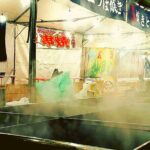
Shinsekai: Retro Streets and Deep-Fried Comfort
Then you’ll move into Shinsekai, a nostalgic district known for its retro atmosphere and deep-fried street food. It has a quirky, themed feeling—modeled after early 1900s Paris and New York—yet it still reads as authentically Osaka in how people hang out and eat.
This is a great stop for anyone who wants to taste Osaka in a way that feels playful rather than formal. Food isn’t included, but your guide’s job is to point you toward places that fit your preferences and appetite level. One review mentioned a lunch that turned into a memorable story—because the guide knows how to steer you to experiences that go beyond generic restaurant recommendations.
If you’re a first-time visitor, Shinsekai is also a confidence builder. It gives you an Osaka “style” you can recognize later when you wander on your own.
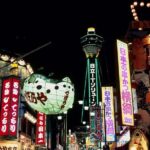
Dōtonbori Canal Nights and Backstreet Arcades
You’ll wrap up in Osaka’s iconic entertainment zone, with time near the canal under bright signage. Then your guide takes you into backstreet arcades filled with food stalls and unique shops.
This end section matters because it matches the way Osaka feels at night: bright, playful, and packed with choices. When you’re leaving a guided walk at the right moment, you’re not stuck with tired legs and zero energy—you’ve got momentum for the rest of the evening.
Two practical ideas:
- If you want to shop for something specific, bring a little extra time into the arcade portion. Your guide can help you find the shops that match what you like.
- Bring cash for smaller stalls unless you know your payment options.
Price and Value: Is $114.17 Worth It?
At $114.17 per person for about 3 to 4 hours, this tour sits in the range where the “value” question is really about what you get beyond a walk.
You’re paying for:
- A private guide (not shared), so the route can match your interests
- A tailored plan built from your questionnaire
- Local know-how: navigation help, what to prioritize, and where to spend time
- Flexibility to adjust as you go
What you don’t get (so plan accordingly):
- Food, drinks, and attraction tickets are not included
- It’s mostly on foot, with transfers possible
So the best way to think about cost is this: if you’ll spend money anyway on meals, snacks, and a couple of attractions, the guided time often becomes cheaper than it sounds because it saves you from wasted hours and wrong turns. Plus, guides often bring a layer of context that makes the sights feel connected instead of random stops.
Also note that start times are flexible, pickup is offered, and group discounts may apply. If you’re traveling with family, that can improve value quickly—especially when one guide can handle logistics and keep things calm for everyone.
Guides, Personality, and the Pace That Keeps It Fun
The consistently praised part across guide experiences is the mix of humor, flexibility, and clear communication. You’ll see names like Max, Maria, Shingo, Khalid, Takaya, Taiga, and Aljic in feedback. The details aren’t just nice to read—they point to what you can expect from the best guides on this format.
Here’s what those names tend to represent:
- A relaxed, not rushed style (tour time that feels comfortable)
- Photo-friendly guidance (helping families get good shots)
- Real logistical help for first-timers (like metro tickets and IC cards)
- Customized stops based on your requests, including shopping detours such as a Japanese kitchen knife shop
- Adaptation when mobility needs change the route
One small drawback to keep in mind: since it’s tailored, you get the best results when you show up with at least a few ideas. If you tell your guide you’re happy anywhere, they’ll still do their job, but you’ll get less of that tight, personal match. Share what you care about before you meet.
Who This Tour Suits Best (And Who Might Want Something Else)
This Osaka private half-day walking tour fits well if you:
- Have limited time and want the main Osaka flavors without guessing
- Prefer a local guide who adjusts on the fly
- Want a mix of history, temples, alley details, and food culture
- Are traveling with family and need a guide who can keep things easy
- Would love help with transit basics like train navigation and IC card use
It might be less ideal if you:
- Want a mostly “sit and ride” sightseeing format (this is walk-first)
- Are only interested in one single attraction type and don’t want the variety
Should You Book This Osaka Private Walk?
I think you should book it if your priority is a smart introduction to Osaka in a half day. The strongest reason is the design: private, tailored, and flexible. You start in Dōtonbori, get the calm temple break, pick up the old alley details, then end with canal lights and backstreet arcades where Osaka’s mood really shows.
If you’re the type who gets tired doing random self-guided wandering, this is a clean fix. And if you like the idea of being guided to places you might not find on your own, the format is built for that.
FAQ
How long is the Osaka private half-day tour?
The tour lasts about 3 to 4 hours.
Where is the meeting point?
You meet at Starbucks Coffee – Tsutaya Ebisubashi, 1-chōme-8-19 Dōtonbori, Chuo Ward, Osaka, 542-0071, Japan.
Is the tour walking-only?
It’s primarily a walking experience. A private vehicle is not included, and you may use public transportation or local taxis to transfer between sites.
What’s included in the price?
You get a private walking experience with insider tips from a local guide, flexible start times, a pre-tour questionnaire to tailor the day, and direct communication with your host for planning and recommendations.
Are food, drinks, and tickets included?
No. Food, drinks, and attraction tickets are not included.
Can I bring a service animal?
Yes, service animals are allowed.
What is the cancellation policy?
You can cancel for a full refund up to 24 hours before the experience starts (local time). If you cancel less than 24 hours before, the amount paid is not refunded.