REVIEW · KYOTO
Kyoto UNESCO World Heritage Site Private Tour with a Premium Van
Book on Viator →Operated by MagicalTrip Inc. · Bookable on Viator
Kyoto in one day is a lot, but this tour makes it doable. You get a private driver plus a guide who helps you move between Kyoto’s top UNESCO sights without the daily hassle of trains, transfers, and timing fights. Two things I really like: the stop-by-stop pacing that keeps each site visit focused, and the photo-friendly guidance that turns the usual quick looks into better shots. One thing to keep in mind: the day is packed, and several major temples are timed at about 30 minutes each, so you’ll want a calm mindset and comfy shoes.
Starting at Kyoto Station Karasuma Entrance (General Taxi Rank) at 9:00am, you roll out in a premium van with your own group. Admissions are included for several big-ticket sites, and lunch is built in with vegetarian, vegan, and gluten-free options available if you request ahead. If you’re the type who hates crowds and wants slow strolling everywhere, you may feel slightly rushed at the clock-driven stops.
In This Review
- Key highlights worth planning around
- The big idea: why a premium van matters in Kyoto
- Nijo Castle: move fast, look closer
- Golden Pavilion at Kinkakuji: reflections are the whole game
- Ryoan-ji rock garden: the quiet stop in the middle
- Tenryuji area and Sogenchi Teien: bamboo-and-garden contrast
- Lunch in Kyoto: where value shows up
- Kiyomizu-dera: the UNESCO finale that gets everyone’s attention
- Fushimi Inari Taisha: torii gates at the end of the line
- What the guide and driver add to the experience
- Pacing and expectations: the day is full, on purpose
- Price and value: what you’re really paying for
- Weather matters more than you think
- Who this tour is best for
- Should you book this Kyoto UNESCO private tour?
- FAQ
- What time does the tour start?
- Where do we meet for the tour?
- How long is the tour?
- Is this tour private or shared?
- Are admission tickets included for the temples and castles?
- Is lunch included, and can dietary needs be accommodated?
- How does the tour handle weather?
- What does the tour include for transportation?
Key highlights worth planning around
- Private van and only your group: easier logistics, less waiting, and more control of the day.
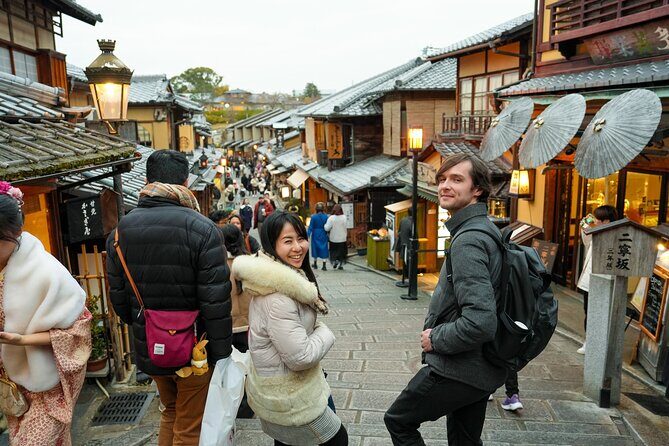
- Photo help from your guide: you’re not just taking selfies at the right angle; you’re getting direction.
- Admissions included at major UNESCO stops: Nijo Castle, Golden Pavilion, Ryoan-ji, and Kiyomizu-dera are covered.
- Zen gardens and temple variety in one route: castle, pavilion, rock garden, bamboo/temple grounds, and shrine gates.
- Lunch break with dietary options: veggie and allergy-friendly choices are possible with advance requests.
The big idea: why a premium van matters in Kyoto
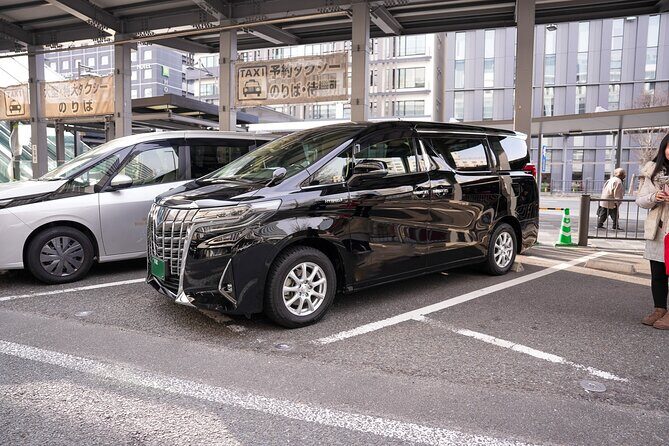
Kyoto’s biggest challenge isn’t the sites. It’s the travel time between them. With a private premium van, you skip a lot of the stop-and-go stress that usually hits first-time visitors: platform changes, figuring out which bus is actually headed where, and losing time when you misjudge how far a gate is from the station.
This setup also helps your itinerary stay more human. The tour runs about 9 hours, starting at 9:00am and ending back at the meeting point near Kyoto Station Karasuma Entrance. That “home base” matters because you’re not dragging your day across town while jet-lagged. And since it’s a private tour, it’s designed for your group only, not a mixed crowd funneling you along.
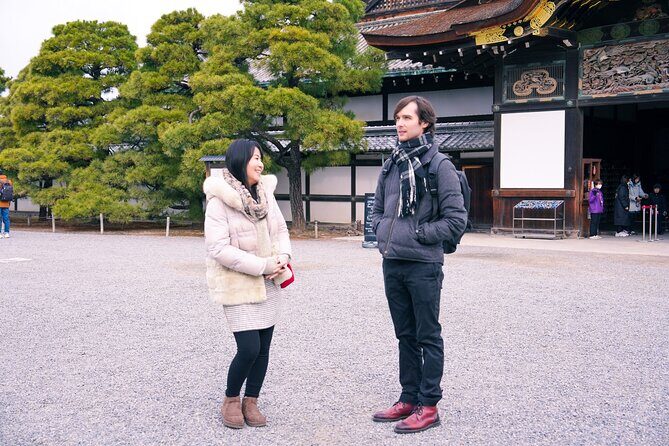
The other practical win is the guide’s role beyond talking. Some tours just hand you a map and say good luck. Here, your guide also works as a photographer, which is huge in Kyoto. Many of the best moments are quick—reflections, stone compositions, torii rows—so having direction for angles and timing helps.
You can also read our reviews of more private tours in Kyoto


Nijo Castle: move fast, look closer
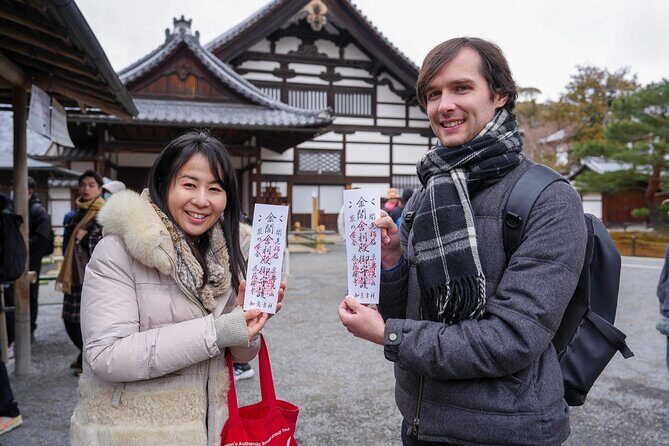
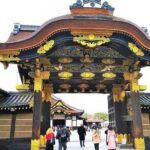
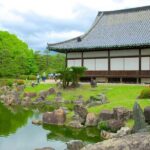
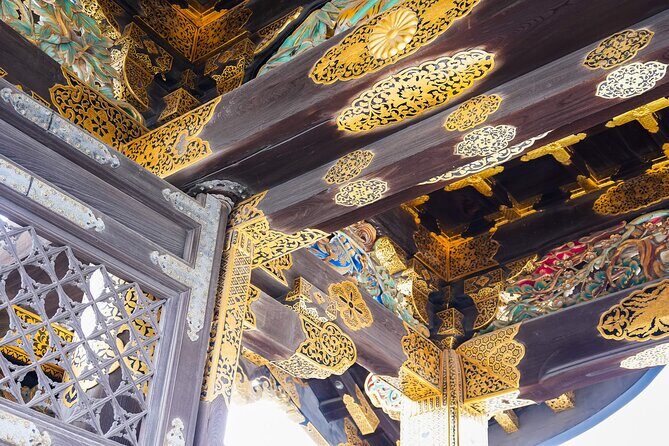
Your day starts at Nijo Castle. It’s one of those Kyoto stops where you can do it two ways: rush through like a checklist, or notice the details once you know what you’re looking at.
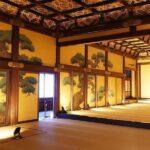
You’ll have about 30 minutes here, and admission is included. In that short time, your best strategy is to keep your eyes moving but your priorities clear. Focus on the feel of the place: the structure and the sense of ceremony that comes with a castle built for power and presentation. Even if you’re not an architecture nerd, you’ll feel why this site matters in Japan’s story.
A good guide makes the castle read faster. The tour is designed so your guide can set the tone early, cover your preferences, and help you adjust if you have any food restrictions before you head out.
Golden Pavilion at Kinkakuji: reflections are the whole game
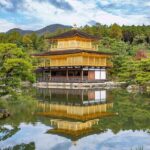
Next up is Kinkakuji (the Golden Pavilion), another UNESCO heavyweight. Expect about 30 minutes, with admission included. This is where the camera instinct kicks in, because the star feature is the pavilion itself—plus that famous reflection in the pond.
In a time-limited visit, don’t only frame the building. Try framing the pond reflection + pavilion together. The guide’s photo direction can help you avoid the most common problem: standing in the wrong spot and getting a “close but not quite” view. A guide who’s used to teaching photo angles can cut down wasted time.
The other detail: Golden Pavilion is popular, so you’ll likely be surrounded by visitors. A guided schedule helps you manage that by keeping the visit short and purposeful rather than wandering until your patience runs out.
Ryoan-ji rock garden: the quiet stop in the middle
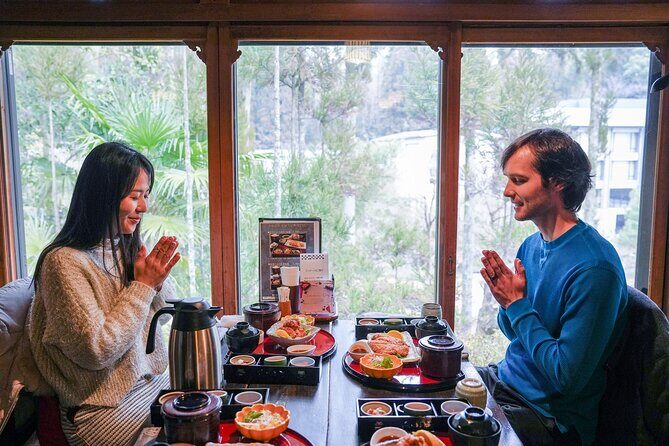
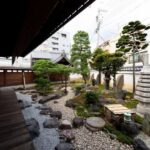
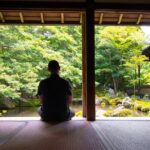
Then comes Ryoan-ji, centered on its famous Zen rock garden. You’ll have about 30 minutes, with admission included. This stop is different from the pavilion sites because it asks for a slower kind of attention.
Ryoan-ji’s garden is often described as meditative, and the practical takeaway for your visit is simple: give your eyes time to settle. Even if your body feels restless—because you’ve already seen two big hits back-to-back—try to slow your gaze. Look at how the stones and patterns sit in the composition, and how your viewpoint changes what you notice.
Also, if you’re traveling with kids or a group that loves photos, you can still enjoy it. Think of it as a “pause” stop. People sometimes assume temples are only for worshippers, but a Zen garden is also about observation. The short time keeps it from turning into a test of endurance.
Tenryuji area and Sogenchi Teien: bamboo-and-garden contrast
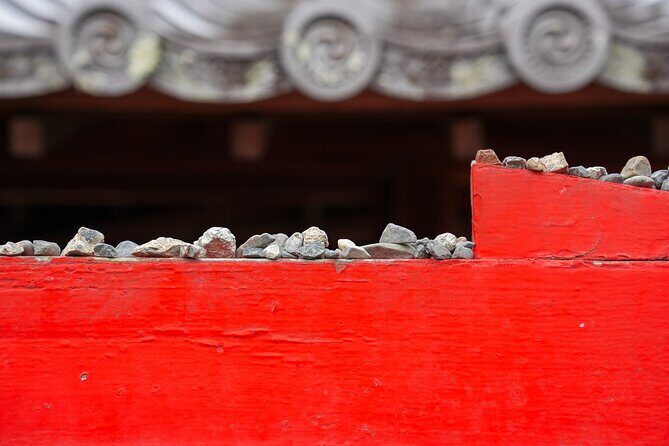
After Ryoan-ji, the tour leads you toward Tenryuji, including Sogenchi Teien. Expect another 30-minute slot, with admission included.
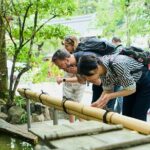
This is the contrast stop. If Ryoan-ji gives you structure and stones, Tenryuji gives you movement—especially with the bamboo groves and the garden feel. It’s also a good moment to switch from “photo mode” to “walk mode,” then back again, depending on your group.
The practical benefit of including this site in a single-day route is you don’t have to choose between Zen garden styles. You get different atmospheres back-to-back: rock garden stillness, then bamboo-garden atmosphere. If you want a rounded first Kyoto day, this pairing works.
You can also read our reviews of more historical tours in Kyoto
Lunch in Kyoto: where value shows up
At mid-day, the tour stops for lunch in Kyoto at a restaurant recommended by the guide. You get about 1 hour. This isn’t just a time filler. It’s part of the value.
First, lunch is included in the tour flow, and the day’s admissions and major transport are already handled. That makes the cost feel more reasonable when you compare it to doing everything yourself, paying multiple ticket prices, and then losing time hunting for food.
Second, dietary needs are taken seriously. The tour notes vegetarian, vegan, and gluten-free options are available with advanced request. So if you have restrictions, send them in when you book. Don’t assume a restaurant will magically accommodate last minute, especially when your schedule is tight.
If your group includes picky eaters, plan for flexibility. Having an hour gives enough time to eat, reset, and still stay on track for the afternoon temple rush.
Kiyomizu-dera: the UNESCO finale that gets everyone’s attention
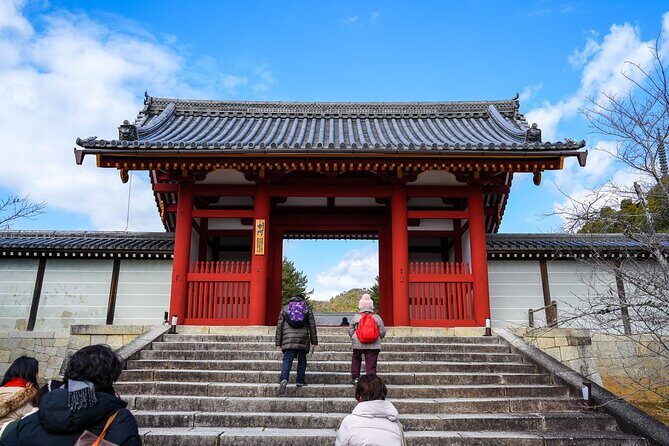
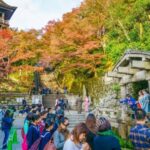
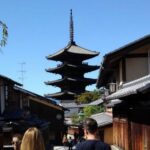
After lunch, you head to Kiyomizu-dera Temple. This stop is about 30 minutes, with admission included. Kiyomizu-dera is the kind of place where it’s easy to get carried away, because the site has big energy and lots to look at.
Here’s how I’d make your 30 minutes count: don’t try to read every plaque. Do a quick circuit first to understand the layout, then slow down once you find a spot that matches what you want—views, architecture, or atmosphere. The guide’s job is to help you see the important parts without turning it into a mad dash.
It’s also a good temple for group travel because it works for different styles: photo lovers, history fans, and people who just want to feel Kyoto in person. If your legs are getting tired by afternoon, this short, timed stop is still long enough to enjoy.
Fushimi Inari Taisha: torii gates at the end of the line
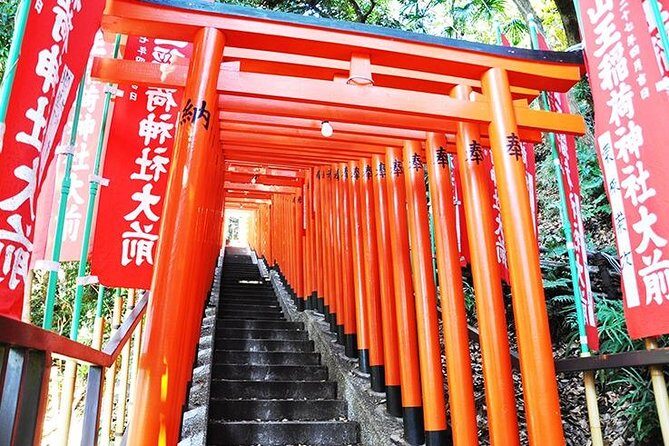
The day ends with Fushimi Inari Taisha, famous for its rows of vermilion torii gates. You’ll have about 30 minutes, and admission is free.
This is a stop that’s both visual and slightly addictive. The practical trick is choosing your depth. You can take photos right around the gate areas, or you can walk into the shrine paths. With only 30 minutes, don’t plan on reaching every far point. Instead, decide what you want most: a classic torii corridor shot, or a deeper walk with fewer crowd interruptions.
If your guide is also helping with photos, ask them where the best angles are in your time window. Inari can turn into a “we kept walking and now we’re late” situation. A guide helps prevent that.
What the guide and driver add to the experience
One of the strongest themes in the feedback is the human factor—people really appreciate their guide. Names that come up include Meri (also seen as Mari in some notes), and drivers like Kyomi and Mr. Yamashita. The common thread is a tour that feels upbeat and flexible rather than rigid.
A guide who is fun and knowledgeable is nice. But what matters for you is how it affects the day:
- You get explanations that connect the stops instead of isolated facts.
- You get practical photo guidance so you spend less time guessing.
- You can often adjust to your group’s needs when timing allows.
The premium van driver also matters quietly. Kyoto traffic and curbside access can be tricky. A competent driver helps you actually arrive where you need to be, rather than “close enough” and then walking too far with tired feet.
Pacing and expectations: the day is full, on purpose
This tour is designed to hit major UNESCO highlights without turning your vacation into a travel exam. But it’s still a full day. About 30 minutes per site means you won’t slow-cook each place the way you might on a multi-day stay.
That’s not a flaw if your goal is a first-round hits day. It’s a fit if you want structure, comfort, and reduced logistics friction. It can feel intense if you prefer:
- long museum time
- deep meditation stops
- wandering with no time pressure
If you’re in that slower-travel mode, you might want to pair this with one or two extra days in Kyoto for return visits to your favorite places. This tour works best as a strong first look.
Price and value: what you’re really paying for
At $525.50 per person for roughly 9 hours, this is not a budget tour. The value comes from a cluster of things that add up quickly if you DIY.
You’re getting:
- private transport in a premium van
- a personal guide who also helps with photography
- admission tickets included for multiple major sites (Nijo Castle, Kinkakuji, Ryoan-ji, Sogenchi Teien area, Kiyomizu-dera)
- a lunch stop with dietary options available if you request ahead
- a focused route that starts and ends near Kyoto Station, making the day easier to manage
So yes, it’s pricey. But it’s also more like buying time and coordination. If you have limited days in Kyoto, the cost can make sense fast because otherwise you’d spend your time figuring out routes, paying for separate admissions, and trying to build a day that doesn’t fall apart.
Also, the tour tends to get booked about 64 days in advance on average. That’s a hint to reserve early if your travel dates are fixed.
Weather matters more than you think
The tour requires good weather. If weather is poor, you may be offered a different date or a full refund. That matters because several stops involve walking between sites and being outdoors around gardens and shrine paths.
If you’re traveling in a rainy season or stormy months, keep your Kyoto plan flexible. Still, the day is structured so you’re not out in the elements for hours at a time; you’re mainly moving between grouped destinations.
Who this tour is best for
This one-day format works especially well for:
- first-time visitors who want a smart orientation to Kyoto’s top UNESCO sites
- couples and small groups who want privacy and a smooth plan
- families who need shorter timed visits rather than all-day wandering
- solo travelers who want a guide-driven day without doing logistics alone
It may not be the best match if you want long, quiet solo time at temples, or if your ideal day is mostly free-form exploring with no scheduled stops.
Should you book this Kyoto UNESCO private tour?
I’d book it if you want your first Kyoto day to feel organized, comfortable, and photo-friendly. The combo of premium van convenience, multiple UNESCO stops with admissions included, and a guide who helps you actually get good angles makes it feel like more than sightseeing. It’s a well-timed plan for maximizing limited time.
Don’t book it if you hate busy schedules or you prefer slow soaking with long breaks and lots of wandering. In that case, you might be happier picking a couple of sites and spending the rest of your day exploring neighborhoods at your own pace.
If you’re on the fence, pick the dates carefully, request your dietary needs early, and wear shoes you can walk in for short bursts all day.
FAQ
What time does the tour start?
The tour starts at 9:00am.
Where do we meet for the tour?
The meeting point is the General Taxi Rank at Kyoto Station Karasuma Entrance in Shimogyo Ward.
How long is the tour?
The duration is about 9 hours.
Is this tour private or shared?
It’s private, so only your group participates.
Are admission tickets included for the temples and castles?
Admission is included for Nijo Castle, Kinkakuji, Ryoan-ji, the Tenryuji/Sogenchi Teien area, and Kiyomizu-dera. Fushimi Inari-taisha and the lunch stop list admission as free.
Is lunch included, and can dietary needs be accommodated?
Lunch is included. Vegetarian, vegan, and gluten-free options are available with an advanced request.
How does the tour handle weather?
The experience requires good weather. If it’s canceled due to poor weather, you’ll be offered a different date or a full refund.
What does the tour include for transportation?
You’ll travel by premium van with a personal driver, and pickup is offered from the designated meeting area. The tour ends back at the meeting point.