REVIEW · ASIA
Okinawa: Traditional farming experience & cooking and a meal
Book on GetYourGuide →Operated by 株式会社瀬底商店 · Bookable on GetYourGuide
Your lunch starts with your hands. This Okinawa experience pairs a Sesoko Island harvest with cooking, dinner, and the rare chance to learn kusu (a secret Okinawan seasoning). I especially love how much you do yourself, not just watch, and how the food lessons connect back to real farm life with local farmers like Mei. One consideration: you’ll be outdoors and active enough to want comfortable shoes and a bit of stamina.
The tour runs about 150 minutes and keeps a friendly pace, with a private group feel and a guide available in Chinese, English, and Japanese. It starts at Kadoya Seimenjo (Hoshifuru Mori Beer Garden) and stays focused on farming, seasonal ingredients, and Okinawan cooking techniques you can actually taste. If you’re sensitive to altitude, it’s also not suitable for altitude sickness, so plan accordingly.
In This Review
- Key things that make this experience worth your time
- Harvest-to-Table on Sesoko Island: What You Actually Get in 150 Minutes
- Meeting at Kadoya Seimenjo and the Short Walk Over to Sesoko Island
- The Sesoko Island Farm Visit: Touch, Learn, and Ask Better Questions
- Cooking Class on Sesoko Island: From Your Picks to Traditional Dishes
- Making Kusu at the Factory: The Fun Souvenir Part (That’s Actually Serious)
- Dinner and Food Tasting: Eating the Island You Just Harvested
- The Guide Experience: Master Jun, Clear Steps, and Room for Questions
- Price and Value: Is $61 a Good Deal for This Kind of Day?
- Who Should Book This Okinawa Farm-to-Kusu Experience
- Should You Book This Tour or Not?
- FAQ
- How long is the Okinawa traditional farming and cooking experience?
- Where does the experience start?
- Do I need to pay for alcohol drinks?
- What’s included in the price?
- Is this a private tour?
- What languages are available for the live guide?
- What should I bring?
- Is it suitable for everyone?
- Do they offer free cancellation?
Key things that make this experience worth your time
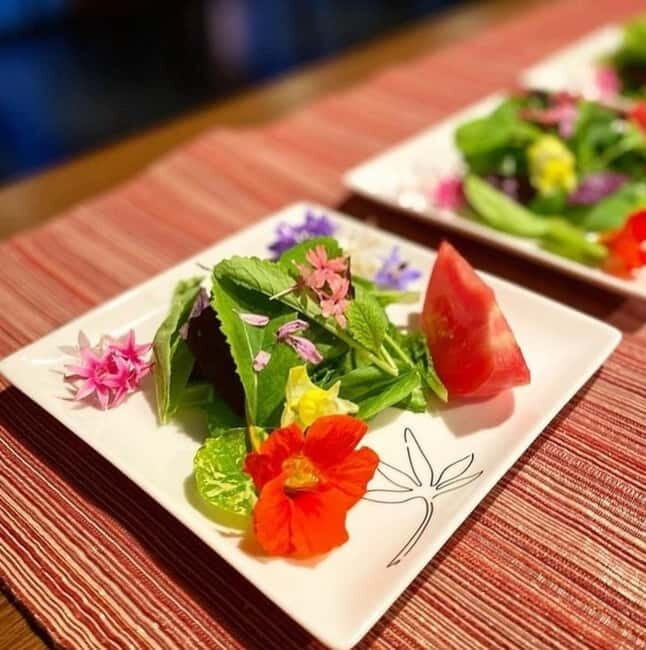
- Harvest first, then cook: you use what you pick, so the meal feels personal
- Kusu creation at a factory setting: a fun, souvenir-ready food project
- Local farmer conversations: you’ll get practical answers about food and cultivation
- Seasonal Okinawan ingredients: sometimes even edible flowers show up depending on what’s growing
- Dinner with freshly harvested produce: you taste the difference right away
Harvest-to-Table on Sesoko Island: What You Actually Get in 150 Minutes
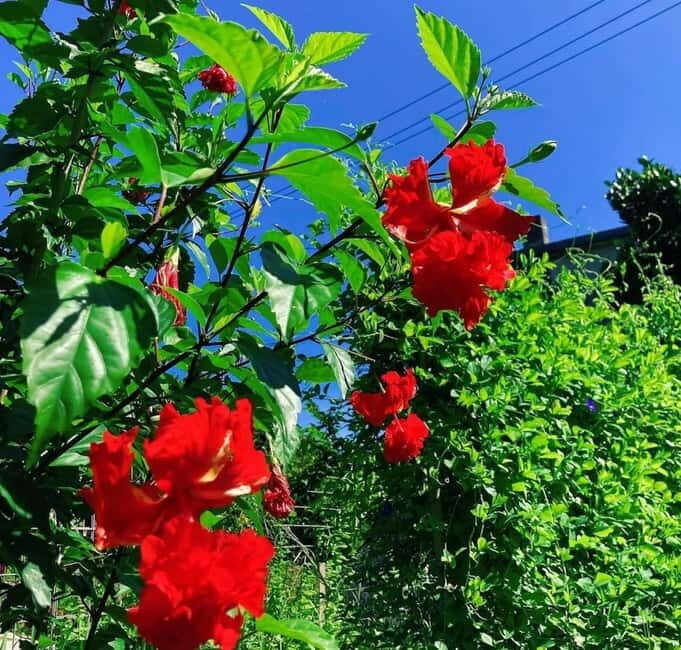
This isn’t a museum-style cooking class. It’s a farm-to-meal experience on Sesoko Island that’s designed to move fast in the best way: harvest, make, taste, then eat together. The big idea is that Okinawan food culture starts on the land, not on a menu.
The most satisfying part for me is the cause-and-effect. You pick vegetables and herbs with your own fingertips, and later you eat dishes built around those ingredients. That shift alone makes the meal more meaningful, even if you’re not a foodie.
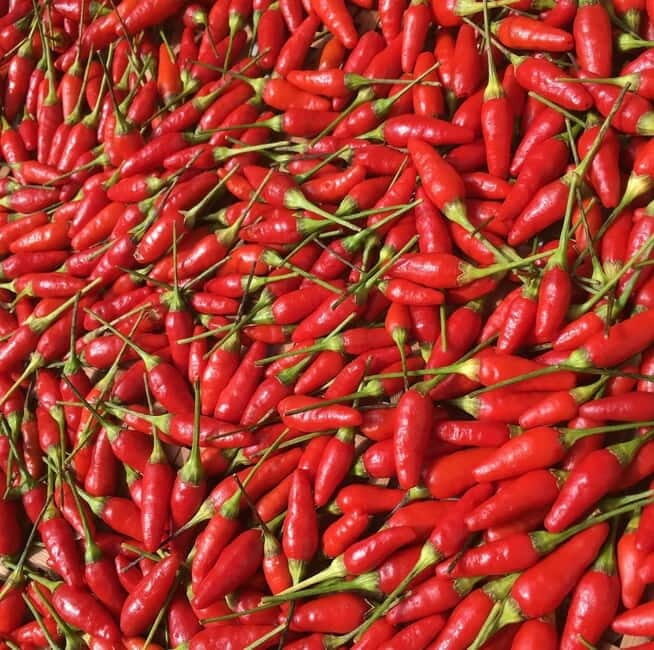
And then there’s kusu, the traditional Okinawan seasoning you help make. It’s passed down through generations and often kept secret within families, so learning the process is the standout “wait, really?” moment of the day. If you like bringing home edible souvenirs, this delivers without feeling gimmicky.
You can also read our reviews of more tours and experiences in Asia.

Meeting at Kadoya Seimenjo and the Short Walk Over to Sesoko Island
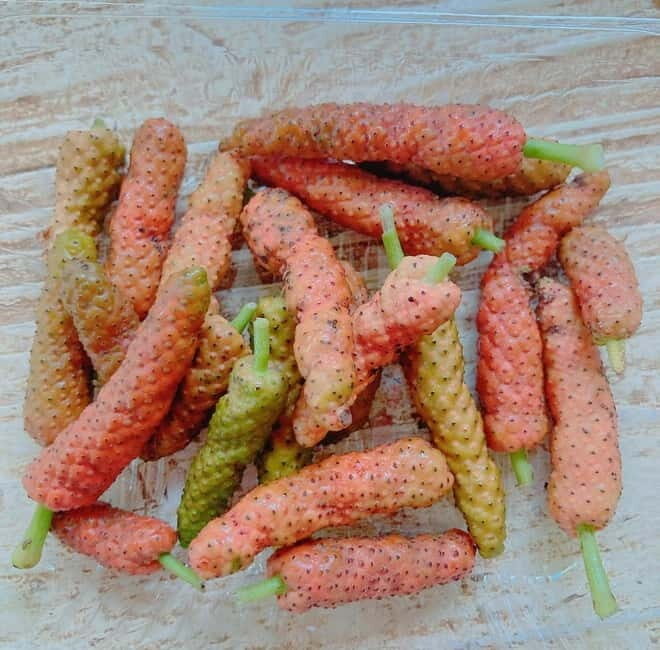
The experience starts at かどや製麺所 星降る森のビアガーデン (Kadoya Seimenjo, Hoshifuru Mori Beer Garden). From there, it’s an easy on-foot transfer of about 10 minutes to Sesoko Island. That short walk matters: it’s long enough to settle in and get your bearings, but not so long that you’re tired before you start harvesting.
If you’re coming from elsewhere in Okinawa, aim to arrive a bit early so you don’t rush. This type of activity works best when you can step into it calmly, because you’ll be moving around outdoors shortly after meeting.
The tour is private-group based, and you’ll have a live guide in Chinese, English, or Japanese. In practice, that means you can ask small questions without feeling like you’re in a big crowd, which makes the farming part more rewarding.
The Sesoko Island Farm Visit: Touch, Learn, and Ask Better Questions
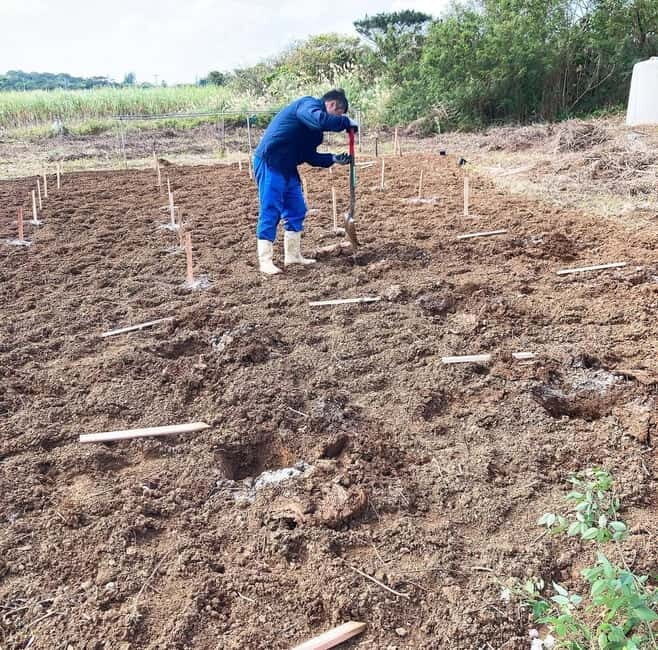
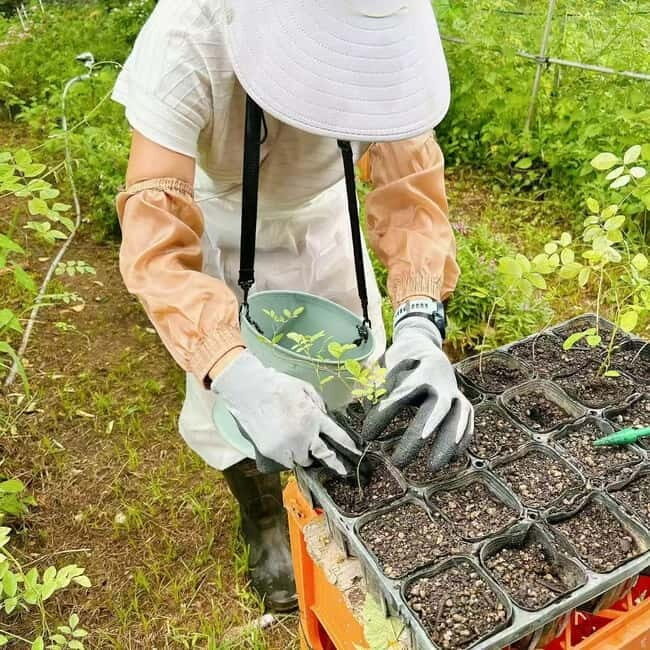
Your first main block is the farm time on Sesoko Island, roughly an hour focused on agriculture and gathering ingredients. This is where you’ll feel plants up close, not just glance at them. The activity is hands-on enough that it helps if you wear clothes you don’t mind getting a little grassy or dusty.
A key value here is the interaction with local farmers. You’re not just collecting produce; you’re learning why certain plants matter and how food connects back to farming on the island. The guide and farmers will answer even simple questions with care, which is great if you’re the type who wonders why a certain herb smells the way it does.
One practical thing I’d plan for: bring water and keep sipping. The experience isn’t described as extreme, but it is outdoors and you’ll likely be walking between plants while searching, touching, and harvesting.
Cooking Class on Sesoko Island: From Your Picks to Traditional Dishes
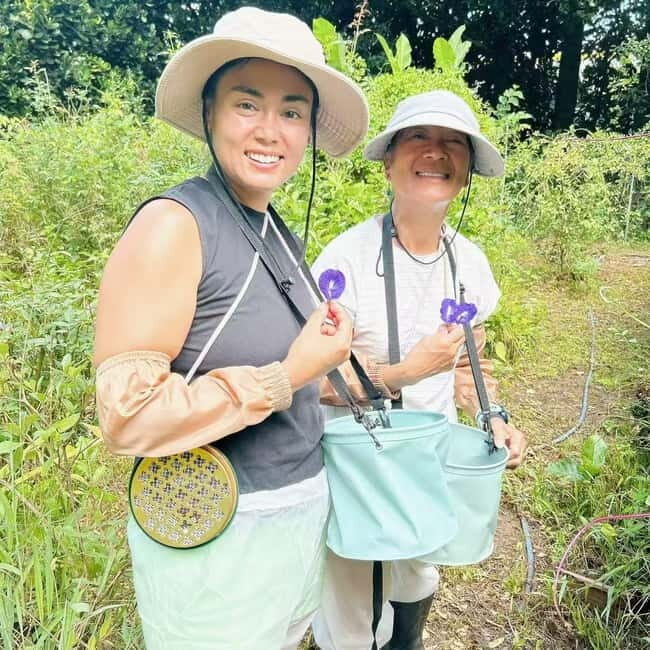
After the farm visit, the day shifts into hands-on cooking mode for about another hour. This is where the tour stops being just agriculture and becomes Okinawan food craft. You’ll prepare traditional Okinawan dishes using seasonal local ingredients, including items you harvested together.
What I like about this step is that it turns ingredients into flavor logic. Instead of seeing a finished plate and guessing what went into it, you understand how choices in the garden become choices in the kitchen. If you’re the kind of traveler who likes to recreate meals later, this structure makes it easier to remember what you did.
The experience also includes learning the story of Okinawa’s traditional cuisine. That storytelling matters because Okinawan cooking isn’t only about taste; it’s also about how island life shaped what was available and what made sense to cook with.
Making Kusu at the Factory: The Fun Souvenir Part (That’s Actually Serious)
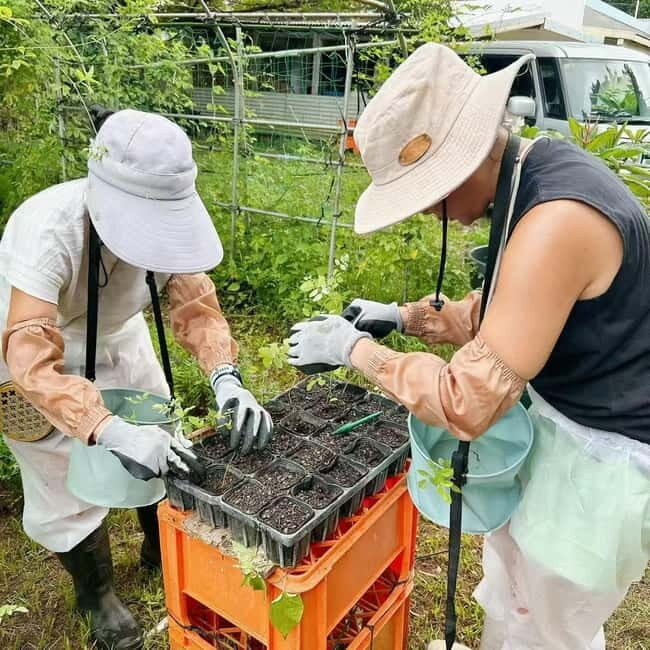
One of the best highlights is making kusu, a traditional Okinawan secret seasoning. The experience describes it as passed down through generations and usually kept within families, which explains why learning the method feels special rather than like a generic workshop.
You make kusu at a factory setting, and that detail is more useful than it sounds. A factory environment suggests consistency and process—how ingredients are handled and how the seasoning ends up in a form you can store and take home. It’s also a very tangible way to bring Okinawa flavor back with you.
In one of the guide-focused reviews, the cookery and explanation were led by Mei, and the group even noted they could get help with sending the secret elixir by post. I’d take that as a cue to ask your guide directly whether they can help with shipping or packaging when you make your kusu. It’s not listed as a guarantee, but it’s clearly something they may offer.
Also, don’t be surprised if you have a few light moments on-site. One participant mentioned adorable cats around the experience area. That’s the kind of small, human detail that makes a tour feel like a place, not a scheduled production line.
Dinner and Food Tasting: Eating the Island You Just Harvested
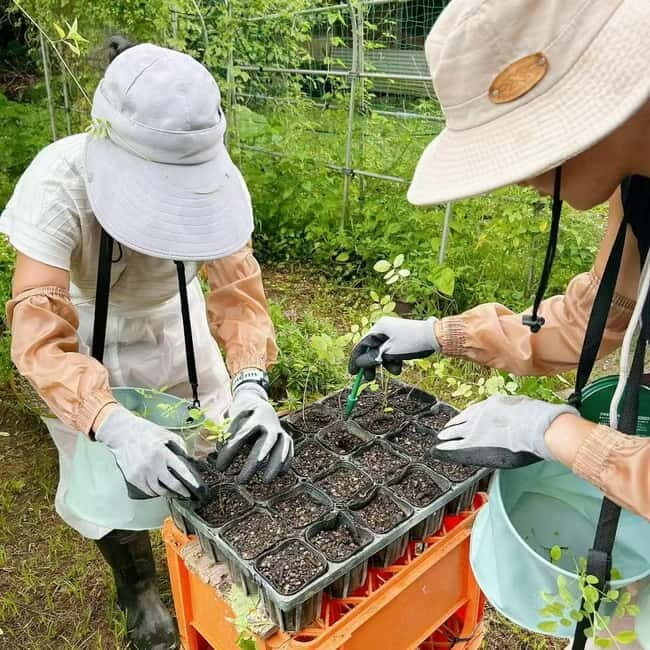
Dinner is where everything clicks into place. You’ll enjoy a meal made with freshly harvested vegetables and local ingredients, plus food tasting as part of the dinner block (about an hour). This is the payoff: you get to see how the ingredients you handled translate into Okinawan flavors.
The dinner is described as traditional Okinawan dishes, and the experience encourages sharing the meal and conversations with farmers and local people. I like this format because it turns eating into learning. You’re not just consuming; you’re listening, asking, and connecting flavors to people.
If you’re curious about variety, you’ll likely taste multiple dishes rather than one simple lunch plate. One review even mentioned eating handpicked flowers in Okinawa style. Since that wasn’t presented as a universal promise, think of it as season-dependent: if edible flowers are available, you might get that kind of extra taste.
A simple tip: pace yourself. With farm activities plus cooking, it’s easy to get hungry fast and then feel stuffed halfway through. If you take small bites and ask questions as you go, the tasting feels fun instead of rushed.
The Guide Experience: Master Jun, Clear Steps, and Room for Questions
This tour is guided with live interpretation in Chinese, English, and Japanese, and it’s private-group based. That alone changes the vibe. You’re more likely to get direct answers and follow-up questions, especially during hands-on farming and cooking.
The experience also references Master Jun, and the reviews highlight how guides explain each step clearly. One participant specifically called out Mei as wonderful at explaining every part of the process. That kind of teaching style matters because it turns a hands-on activity into something you can repeat later, at least in spirit.
When you’re doing food and farming together, the “how” is the learning. Why a certain ingredient is used. What texture matters. What changes depending on the season. Ask about those points. You’ll remember them on the next day, when you’re cooking at home and wondering what made it taste right.
Price and Value: Is $61 a Good Deal for This Kind of Day?
$61 per person for about 150 minutes can be a strong value, especially because the experience includes more than a single meal. You’re paying for three major components:
- Agricultural experience (hands-on harvesting)
- Cooking class (traditional dishes made from local ingredients)
- Dinner and tasting (food built from what you harvested)
- Plus the special kusu making activity that many people won’t find anywhere else
If you compare this to a typical cooking class plus a separate meal elsewhere, the value improves because they’re not two separate transactions. The ingredients feed the cooking, the cooking feeds the meal, and the seasoning becomes a take-home souvenir.
Also, the private-group format can be part of the value. It’s easier to ask questions and move at a comfortable pace when you’re not pressed inside a large mixed group.
What might affect perceived value is your appetite for active food travel. If you dislike outdoor farm work or you just want a quick tasting, you may feel this is more work than you expected. But if you like doing as well as eating, the price starts to feel fair.
Who Should Book This Okinawa Farm-to-Kusu Experience
I think this fits best if you fall into one of these categories:
- You want an Okinawa food day that starts on the land, not in a kitchen only
- You like hands-on workshops and edible souvenirs
- You enjoy meeting farmers and learning through conversation
- You want a shorter experience that still feels “complete” from harvest to dinner
It may be less ideal if you:
- Have trouble with outdoor walking and active participation
- Need step-by-step activities that avoid any outdoor exposure
- Are affected by altitude issues (the experience is not suitable for altitude sickness)
It’s also a nice option for people who want a social day without the pressure of heavy group logistics. Private group format and a focused itinerary help keep it relaxed.
Should You Book This Tour or Not?
Book it if you want a memorable Okinawa food experience that’s practical and hands-on. This one has a clear flow: harvest on Sesoko Island, cook with what you picked, eat traditional Okinawan dishes, and make kusu to bring the flavor home. You’ll leave with more than a full stomach—you’ll have a story, a skill, and a souvenir you made.
Skip it if you’re only looking for a passive meal or a quick overview of Okinawan cuisine. The point here is participation. You’ll do the work, then enjoy the reward.
If you do book, show up with comfortable shoes, drink water, and come ready to ask questions. The farmer conversations and the guide explanations are where the day becomes more than a class.
FAQ
How long is the Okinawa traditional farming and cooking experience?
It lasts about 150 minutes.
Where does the experience start?
It starts at かどや製麺所 星降る森のビアガーデン.
Do I need to pay for alcohol drinks?
Alcohol drinks are not included.
What’s included in the price?
You get the agricultural experience, a meal with local ingredients, and interaction with local farmers.
Is this a private tour?
Yes, it’s described as a private group.
What languages are available for the live guide?
The guide is available in Chinese, English, and Japanese.
What should I bring?
Bring comfortable shoes, water, and comfortable clothes.
Is it suitable for everyone?
It’s not suitable for people with altitude sickness.
Do they offer free cancellation?
Yes, you can cancel up to 24 hours in advance for a full refund.