REVIEW · KAMAKURA
Kamakura Zen Temples and Gardens Private Trip with Government-Licensed Guide
Book on Viator →Operated by Japan Guide Agency · Bookable on Viator
Kamakura’s temples are easier to read with a guide. I love having a government-licensed English guide explain what you’re looking at, and I love that the route is customizable so you choose the Zen and shrine sights that match your mood. One thing to plan for: entry fees, meals, and transportation add-ons are not included, so your final day cost can rise if you pick several paid stops.
This is set up as a private, walking-focused experience in Kamakura, with a meet-up in a designated area and then time moving between temple gates, gardens, and viewpoints. I also like the practical pacing: the tour is long enough to feel satisfying (about 6 hours) without forcing you to cram every single site in town. If you hate walking hills or you want a fully vehicle-based day, this setup may feel less convenient than you’d like.
In This Review
- Key things that make this tour worth your time
- Why a private Zen-and-temple route works better in Kamakura
- Price and what you’re really paying for ($153.11 per person)
- Getting around: walking tour style, pickup on foot, and transit costs
- How to choose your best 3–4 stops (and avoid wasting time)
- Engaku-ji and Kencho-ji: where Kamakura’s Zen identity starts
- Meigetsuin (Hydrangea Temple) and the quieter Rinzai stops
- Hokoku-ji bamboo and the Great Buddha at Kotoku-in
- Tsurugaoka Hachimangu and Zeniarai Benten: samurai history and coin-washing lore
- Hasedera’s Kannon and Nichiren-temple additions: mix Buddha, sects, and statues
- Tokeiji, Jufukuji, and Eishoji: lesser-known corners that can feel more personal
- Enoshima Island and Kamakura hiking trails: sea air and forest edges
- Tips for matching the guide’s strengths to your interests
- Who should book this Kamakura private Zen trip
- Should you book it?
- FAQ
- How long is the Kamakura Zen Temples and Gardens private trip?
- Is this a private tour?
- Can I customize which places we visit?
- What is included in the price?
- Are entrance fees included?
- Are meals included?
- Is transportation included?
- Is there pickup?
- Is the tour mostly walking?
- Is there a cancellation option?
Key things that make this tour worth your time
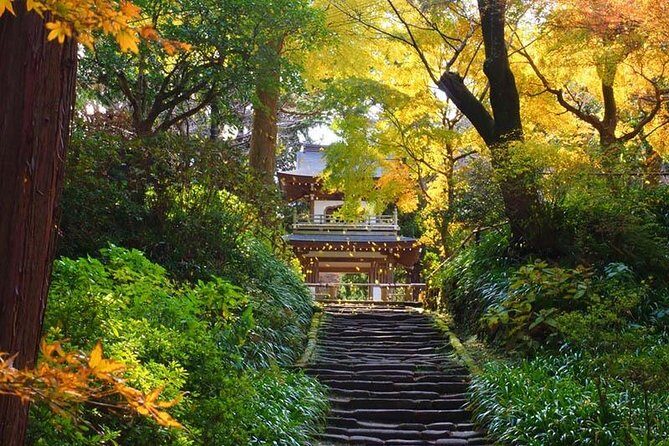
- Government-licensed guide who can translate more than words: customs, design choices, and temple rules
- Choose 3–4 stops from a long list, so your time goes where your interests actually land
- Zen gardens plus key icons like the Great Buddha at Kotoku-in and Kannon at Hasedera
- A private format where you can ask questions and adjust pace instead of following a crowd
- Optional nature time with Kamakura hiking trails, tying the temples to the city’s hills
Why a private Zen-and-temple route works better in Kamakura
Kamakura can be a bit of a choose-your-own-adventure. You’ll see signs, gates, statues, and garden paths—but the meaning can feel blurry if you’re just moving from place to place. With a guide, the day turns from checklist tourism into reading the place like a story.
What I like most is that a good guide helps you notice details you’d otherwise miss. In temples and shrines around Kamakura, small things matter: why one garden is arranged the way it is, how a particular sect shows up in what you see, and what behavior is expected inside. Even the pacing becomes more intelligent. Instead of rushing to the next stop and hoping you get it, you spend time where the guide tells you what to look for, then you move on feeling oriented.
The private format also helps on a practical level. Kamakura can mean tight walking stretches and changes in elevation. If you want slower breaks, or if one site hits harder than you expected, you’re not locked into a fixed group tempo.
You can also read our reviews of more guided tours in Kamakura
Price and what you’re really paying for ($153.11 per person)
At $153.11 per person for about 6 hours, you’re not just buying entry tickets. You’re buying:
- a licensed local English guide
- a private experience (only your group)
- the ability to customize your chosen sites
- a plan that reduces decision fatigue in an area with a lot to see
Now the honest part: entrance fees, meals, and transportation fees are extra. That means the best value comes when your picked stops align with the paid sights that match your interests. If you choose several of the big, ticketed temples (like Engaku-ji, Kencho-ji, Meigetsuin, Hasedera, and others), you’ll pay more on top—but you’ll also get a stronger, more memorable “temple day” rather than a quick pass through free areas.
For cost-conscious planning, I suggest you do two things:
1) Decide your 3–4 must-sees before you arrive (your guide can help you narrow).
2) Bring a little buffer cash for entry fees and any bus/train hops that come up.
Getting around: walking tour style, pickup on foot, and transit costs
This is a walking tour with meet-up on foot in a designated area in Kamakura. It’s also near public transportation, which helps if you’re using JR lines to connect to other parts of the region.
Still, don’t assume it’s a pure “all walking, no transit” day. The temple cluster you’ll want to see can include spots that are easiest with short rides, and transportation fees are not included. That matters if you’re trying to keep everything budget-tight.
My practical advice:
- Wear shoes you’d actually wear for a long walk.
- Bring a small umbrella or rain layer if weather looks iffy.
- Keep some cash or a card ready for entrance tickets and quick transit.
How to choose your best 3–4 stops (and avoid wasting time)
Your guide can customize the experience and will generally work from the temple/shrine options available during the day. The smart move is to pick based on your “one day vibe.”
Here are good ways to decide:
- If you want Zen gardens and temple architecture, choose more from the Engaku-ji and Kencho-ji circle.
- If you want signature statues and major highlights, add Kotoku-in’s Great Buddha and Hasedera’s Kannon.
- If you want variety and culture mix, include Tsurugaoka Hachimangu and Zeniarai Benten, then optionally connect to the coast with Enoshima.
- If you like nature + temples, add a stretch on Kamakura hiking trails so the day doesn’t turn into only indoor or only paved spaces.
Below, I’ll walk you through the stops you can build into your personal route, with what to expect and what to consider.
Engaku-ji and Kencho-ji: where Kamakura’s Zen identity starts
Engaku-ji (円覚寺) is one of Kamakura’s leading Zen temples, and it’s ranked number two among the five great Zen temples. It was founded in 1282 by the ruling regent Hojo Tokimune. This kind of origin story tells you the temple isn’t just scenic—it’s tied to power and the development of Zen in the region. If you like temples with a sense of institutional importance, this is a strong anchor.
Kencho-ji (建長寺, Kenchōji) is number one among the five great Zen temples. It’s the oldest Zen temple in Kamakura, founded in 1253 during the Kencho Era by ruling regent Hojo Tokiyori. This is the sort of stop where a guide’s context really pays off. You’ll get more out of the architecture and grounds when you know what “oldest” and “number one” really implies for style and influence.
A small consideration: these are major temples, and the day can get ticket-heavy if you pile on several paid sites back to back. If you’re trying to keep costs down, pick one or two of the ticketed Zen anchors and let the rest of your 3–4 stops include free shrines or shorter visits.
You can also read our reviews of more private tours in Kamakura
Meigetsuin (Hydrangea Temple) and the quieter Rinzai stops
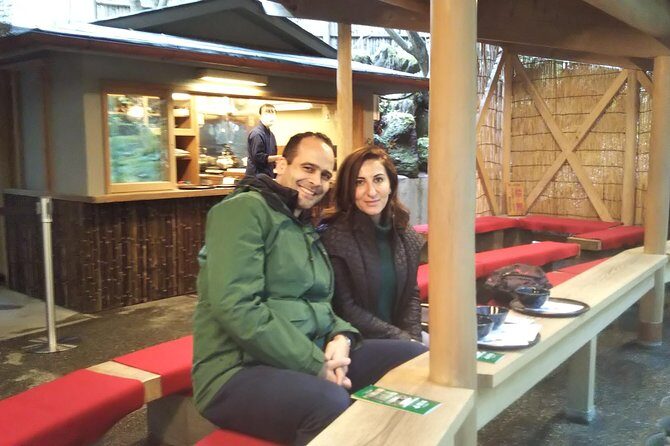
Meigetsuin Temple (明月院), also called Ajisaidera or Hydrangea Temple, is known for abundant hydrangea blooms when they’re in season. It’s a temple of the Rinzai Zen sect, founded in 1160. Even if you’re not visiting during hydrangea peak, this is still a great example of how Kamakura temples can be planned around natural cycles.
Jochiji (浄智寺, Jōchiji) is ranked number four among the five great Zen temples. It’s a branch temple of the Engaku-ji school within the Rinzai tradition. If you like seeing how temple lineages work—how branches relate to head temples—this is a satisfying stop.
Jomyo-ji (浄妙寺, Jōmyōji) sits in the hills of eastern Kamakura and is ranked fifth among the five great Zen temples. It was founded by the influential Ashikaga family. Hillside temples can feel more atmospheric because you’re walking into a different pocket of the city, but keep in mind: elevation means your walking time can feel longer.
Hokoku-ji bamboo and the Great Buddha at Kotoku-in
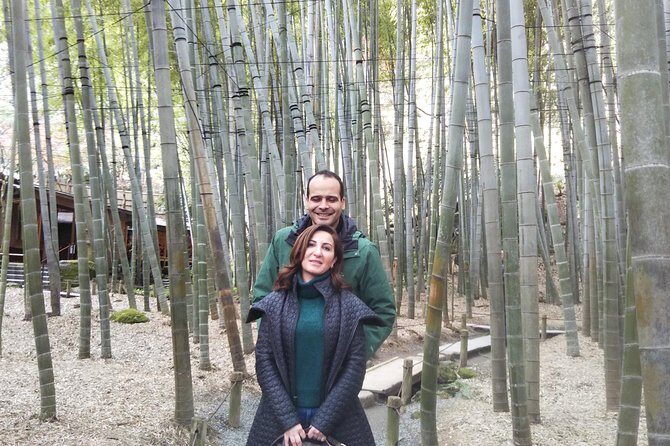
Hokoku-ji is famous for a bamboo grove behind the main hall—over 2,000 dark green bamboo stalks, plus narrow pathways. This is one of those places where you immediately understand why people come. The bamboo creates a feeling of enclosure and quiet that’s hard to reproduce elsewhere.
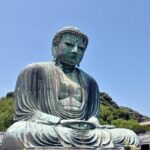
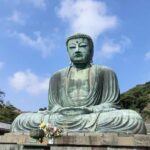
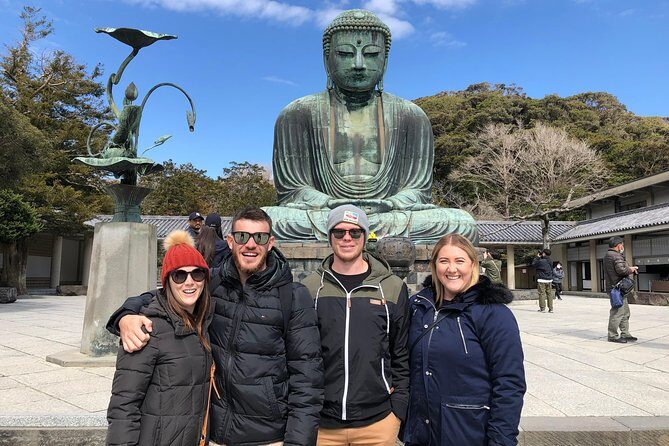
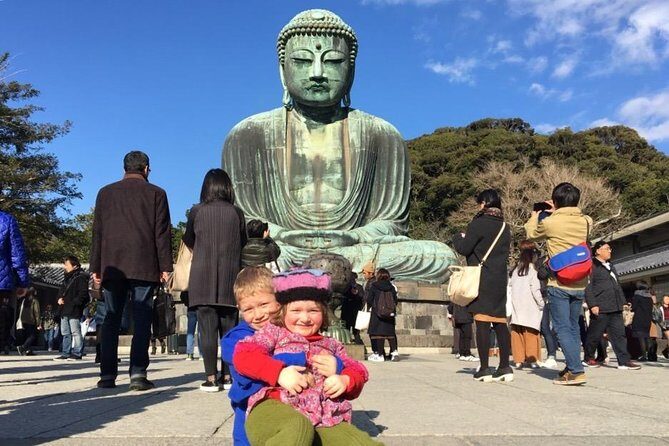
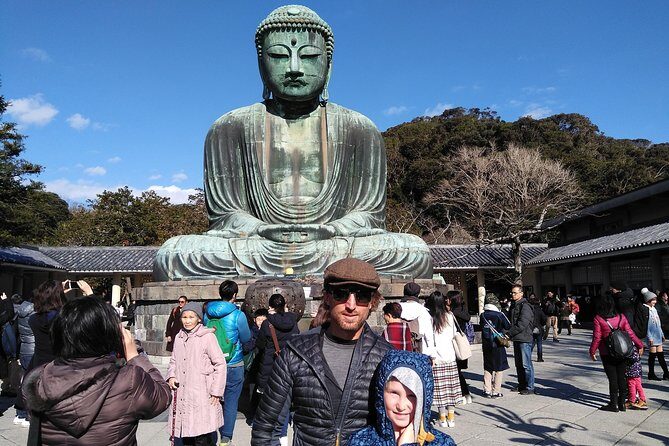
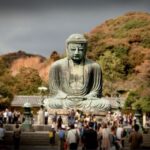
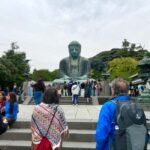
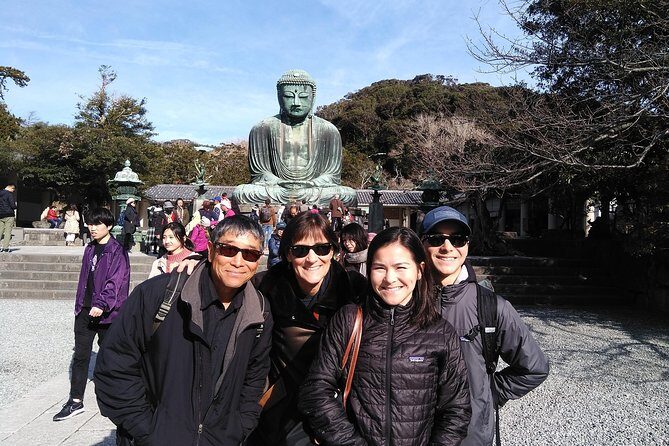
Then swing to Kotoku-in for the Great Buddha of Kamakura. The Great Buddha (鎌倉大仏, Kamakura Daibutsu) is a bronze statue of Amida Buddha, sitting on the grounds of Kotoku-in Temple. It’s 11.4 meters tall. This is the kind of highlight that can anchor a whole day because it’s instantly recognizable and photographable—but the deeper value is in understanding what the statue represents and how it fits into Kamakura’s temple culture.
Consideration: large iconic stops can pull your timing. Plan your day so the Buddha doesn’t steal your energy from later, more reflective gardens.
Tsurugaoka Hachimangu and Zeniarai Benten: samurai history and coin-washing lore
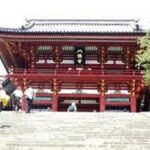
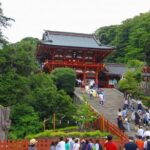
Tsurugaoka Hachimangu is a shrine dedicated to Hachiman, patron deity of the Minamoto family and samurai in general. The shrine also connects to the deified spirits of Emperor Ojin (identified with Hachiman). This stop shifts your day away from Zen-only focus into shrine tradition and samurai-era identity. It’s a helpful contrast if you want your day to feel like a full slice of Kamakura rather than only Zen temples.
Zeniarai Benten Shrine (銭洗弁天) is a fun, local custom stop. People come to wash money in the shrine’s spring—Zeniarai literally ties to coin washing. You’ll likely hear the story that money washed there will bring good outcomes. It’s not the kind of site that needs tons of interpretation, but a guide can help you understand the symbolism and why this custom became a regular tradition.
These are also smart choices if you want at least one free admission option in your mix. Both Tsurugaoka Hachimangu and Zeniarai Benten are listed with free admission.
Hasedera’s Kannon and Nichiren-temple additions: mix Buddha, sects, and statues
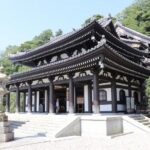
Hasedera (長谷寺) is famous for its eleven-headed statue of Kannon, the goddess of mercy. The statue is gilded wood and is 9.18 meters tall. This is a powerhouse visual. If you’re a statue person, this is often the stop that makes the day feel like more than a walk.
Ankokuronji (安国論寺) is a Nichiren sect temple. It’s noted for being founded by Nichiren around 1253 when he first came to Kamakura. This gives your day an extra layer: it’s not only Zen monasteries; it shows how different Buddhist traditions took root in the same city.
Zuisen-ji (瑞泉寺) is a Zen temple in the far east of Kamakura, located in a narrow valley and surrounded by wooded hills. It’s a branch temple of Engaku-ji. This is the sort of place you’ll appreciate if you like quiet settings and a more “out of the main flow” feel.
Myohonji (妙本寺, Myōhonji) is also Nichiren sect, located in the southeastern hills and founded in 1260 by Hiki Yoshimoto. Your guide can point out what’s most worth your attention there, since the value is often in knowing what the site is trying to communicate rather than just seeing more stone and signage.
Tokeiji, Jufukuji, and Eishoji: lesser-known corners that can feel more personal
Jufukuji (寿福寺) is one of Kamakura’s five great Zen temples, ranked number three. It’s a branch temple of the Kenchoji school of Rinzai Zen. The founding story is tied to Minamoto Yoritomo’s wife (named in the temple’s origins). If you’re building a “five great temples” mindset, this helps complete the picture without forcing you to run a marathon.
Tokeiji (東慶寺, Tōkeiji) is a small branch temple of the Engakuji school within Rinzai Zen. Sometimes “small” is what makes a stop memorable. You tend to slow down and notice how the site feels rather than just looking for a major landmark.
Eishoji (英勝寺) is described as the only surviving nunnery in Kamakura, located near Tsurugaoka Hachimangu. It was founded in the early Edo period by a woman connected to the Tokugawa family. This is a valuable stop if you want your day to include a perspective you don’t get as often: women’s religious life and the continuity of temple practice over centuries.
A practical note: some of these smaller temples can be short on time in a 3–4 stop route. If you love deep reading, give them at least enough minutes to understand what you’re looking at rather than snapping photos and moving on.
Enoshima Island and Kamakura hiking trails: sea air and forest edges
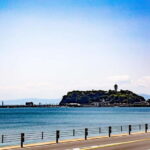
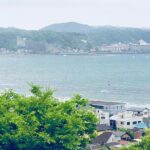
Enoshima Island (江の島) is only a short train ride west of Kamakura. It’s connected by bridge to the mainland and is described as a pleasantly touristy island with shrine attractions and more. If you want a change of pace from temples, Enoshima can add a coastal feel without requiring a whole separate day trip.
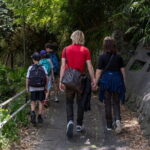
Kamakura hiking trails are a natural pairing with the temple theme. The city is surrounded by ocean to the south and wooded hills elsewhere, and trails connect temple areas. If you pick hiking time, you’re turning your Zen-and-shrine day into a city-with-a-temple-system day—temples as part of a living geography.
Consideration: hiking time can make the day feel less “museum-like” and more physically demanding. If your group wants to keep energy high for the major sights, treat hiking as a lighter add-on rather than a big detour.
Tips for matching the guide’s strengths to your interests
One thing I took from guide notes tied to this tour is that different guides emphasize different kinds of value. Names like Kei, Kappa, and Seky have been associated with strong guidance, friendly context, and tailoring what you’ll see next based on what you care about.
So when you meet your guide, do this:
- Say what you want most: architecture, gardens, big icons like the Buddha, or hillside quiet.
- Mention any limits: stamina, how much you like crowds, and whether you want extra transit.
- Ask a simple question early, like what makes this temple different from the one we saw first.
That kind of quick start helps the guide “lock in” your route so your 3–4 stops feel intentional.
Who should book this Kamakura private Zen trip
This tour fits best if you:
- want a private, guided day instead of sorting out temple-to-temple logistics on your own
- like the idea of customizing 3–4 sites rather than doing every stop blindly
- care about understanding temple context, not just taking photos
- can enjoy walking between locations and handling hills
It’s less ideal if you:
- want mostly free areas with minimal paid temple time (since many of the strongest Zen stops have admission)
- have limited mobility and need a mostly vehicle-based plan
- expect everything—including entrance fees, meals, and transit—to be included in the base price
Should you book it?
If you want Kamakura to feel guided and understandable, I’d book this. The core value is the combination of a government-licensed English guide and a route built around what you actually want to see from the temple list. You’ll spend your time better, and you won’t end up bouncing between sights that don’t click for you.
Just go in with the right expectations: the base price doesn’t cover everything, and it’s a walking-focused day with possible transit add-ons. If you plan for that, you’ll get a very satisfying mix of Zen temples, key statues, and the kind of cultural context that makes Kamakura stick in your head.
FAQ
How long is the Kamakura Zen Temples and Gardens private trip?
It lasts about 6 hours.
Is this a private tour?
Yes. It’s a private tour, and only your group participates.
Can I customize which places we visit?
Yes. You choose your preferred attractions from the available sites, typically around 3–4.
What is included in the price?
A licensed local English-speaking guide is included, along with a customizable walking tour and meeting your guide on foot in a designated area. A mobile ticket is also part of the experience.
Are entrance fees included?
No. Entrance fees are not included.
Are meals included?
No. Lunch and meals are not included.
Is transportation included?
Transportation fees are not included, and private transportation is not included.
Is there pickup?
Pickup is offered, but the tour is a walking tour and pickup/meet-up is on foot in a designated area.
Is the tour mostly walking?
Yes. This is a walking tour.
Is there a cancellation option?
There is free cancellation up to 24 hours in advance for a full refund.