REVIEW · KAMAKURA
Tokyo: Kamakura Private Tour With Guide
Book on GetYourGuide →Operated by TheTokyoTravel · Bookable on GetYourGuide
Kamakura is a time machine in one easy day. I really like the focused stops at Kōtoku-in’s Great Buddha and the peaceful walk through the Hokoku-ji bamboo forest, and the private format with an English driver keeps everything smooth and low-stress. The main thing to consider is timing: the 10 hours include pickup and drop-off, and traffic can add about 10–30 minutes.
You get door-to-door service within Tokyo’s 23 wards, plus an air-conditioned vehicle, onboard WiFi, and bottled water. That means you can spend your energy on temples, sea air, and photo stops instead of figuring out trains on a packed day.
In This Review
- Key highlights worth planning around
- Kamakura in 10 hours: why this private format works
- Price and value: is $774 per group a good deal?
- Tokyo pickup logistics: door-to-door, but plan for traffic
- Stop 1: Kōtoku-in and the Great Buddha photo-and-walk time
- Stop 2: Hokoku-ji bamboo forest, shade, and temple calm
- Stop 3: Hase-dera—temples plus the coast feeling
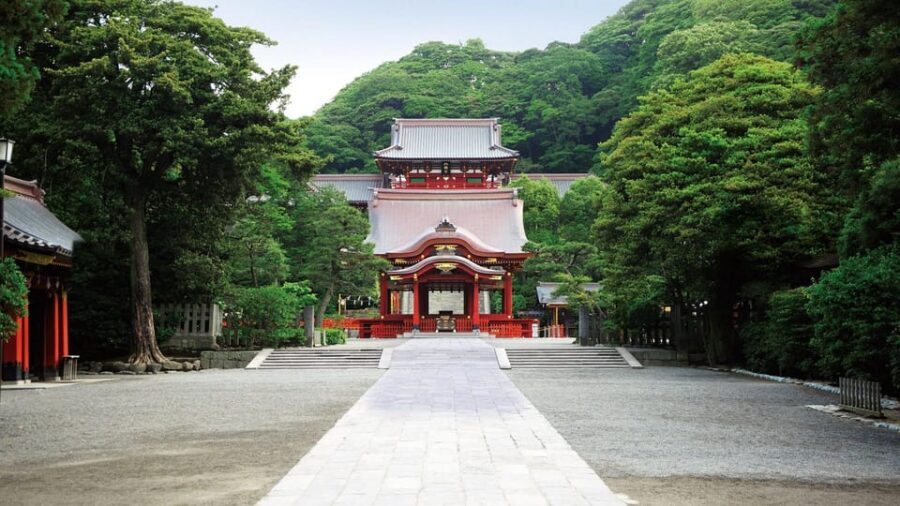
- Stop 4: Tsurugaoka Hachimangu—Kamakura’s main shrine center
- How Komachi Street and local snacks fit into the day
- The guide experience: why people loved the English support
- What’s included (and what you’ll pay for on your own)
- What to bring and small rules that keep the day easy
- Should you book this Kamakura private tour?
- FAQ
- How long is the Kamakura private tour, and does the time include pickup and drop-off?
- Where can pickup happen, and can I choose my pickup point?
- What are the main places you’ll visit in Kamakura?
- Is lunch included, and are entry fees included?
- Do you pick up from airports or ports?
- What cancellation and payment options are available?
Key highlights worth planning around
- Door-to-door pickup in Tokyo (23 wards), with pickup choices allowed at booking
- English driver and private vehicle for an easier, calmer day trip
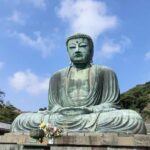
- Kōtoku-in Great Buddha with a photo stop and time to walk around
- Hokoku-ji bamboo forest for that quiet, shaded stroll to the temple
- Hase-dera and Tsurugaoka Hachimangu for big, meaningful Kamakura sights
- Coastal vibe built in, including time described near the sea and local street flavor like Komachi Street
Kamakura in 10 hours: why this private format works
Kamakura is close to Tokyo, but it can still feel like a puzzle if you’re trying to stitch together trains, buses, and walking distances. This tour solves the “where do we start?” problem with a private vehicle and a set flow of stops, so you’re not burning your day on logistics.
The private group matters, too. You’re not waiting on a big schedule for everyone else, and you can move at a comfortable pace through each shrine or temple area. In one highlight from a recent booking, the guide was described as exceptionally friendly and the day felt stress-free from start to finish—exactly what you want when you’re doing a temple-and-coast day.
The route also helps you get variety. You’ll hit a major Buddhist landmark, a bamboo forest, another temple with great views, and Kamakura’s most central shrine. Even if you’re not a serious temple person, the mix keeps the day interesting.
You can also read our reviews of more guided tours in Kamakura
Price and value: is $774 per group a good deal?
The price is $774 per group up to 5 people for a total duration of 10 hours (including pickup and drop-off). On a per-person basis, it can look very reasonable if you’re traveling as a small group or with family. At the full group size, that’s about $155 each for the vehicle time, onboard WiFi, water, parking, and fuel surcharge.
Where the value really shows up is in what you’re not doing:
- You’re not paying for separate transit tickets and transfers.
- You’re not spending time figuring out which stop connects best to the next one.
- You’re not stuck waiting around when crowds slow down walking or photo stops.
One practical note: entry fees and lunch are not included, so you’ll want to plan cash for those. That’s normal for Japanese temple/shrine days, but it’s still a cost to budget for.
Tokyo pickup logistics: door-to-door, but plan for traffic
You can get picked up from a hotel or train station within Tokyo’s 23 wards, and you can decide your pickup point. You’ll just need to include the pickup location when booking, and the driver will contact you before arriving. The instruction is to wait in the hotel lobby about 5 minutes before pickup.
Real life note: the driver might be late up to 30 minutes depending on traffic and road conditions. That doesn’t mean the day falls apart—it just means you should avoid booking anything tight right after you expect to return.
Also, pickups are not available from airports or ports. If you’re starting from somewhere outside Tokyo’s 23 wards, it’s possible, but extra charges can apply (and Yokohama port pickup has its own additional fee).
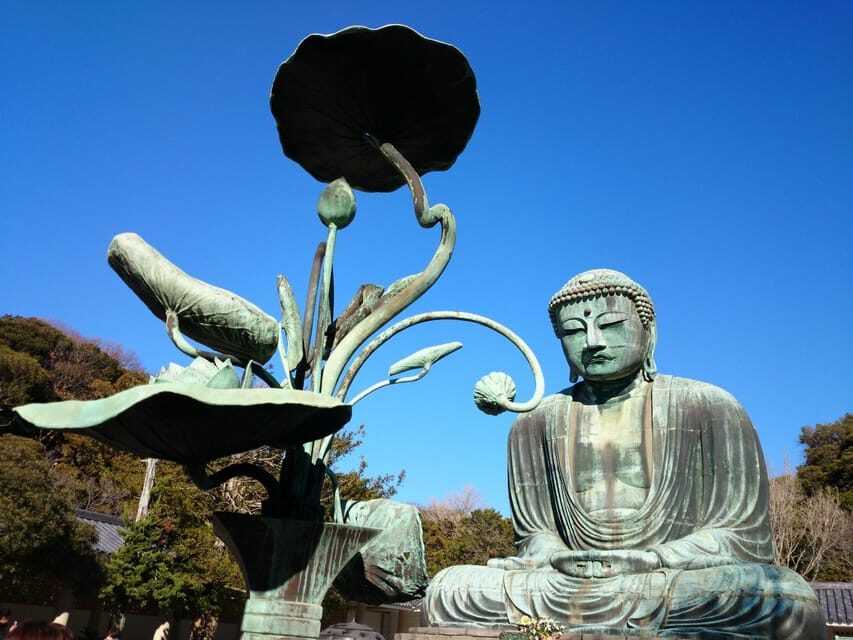
Stop 1: Kōtoku-in and the Great Buddha photo-and-walk time
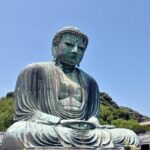
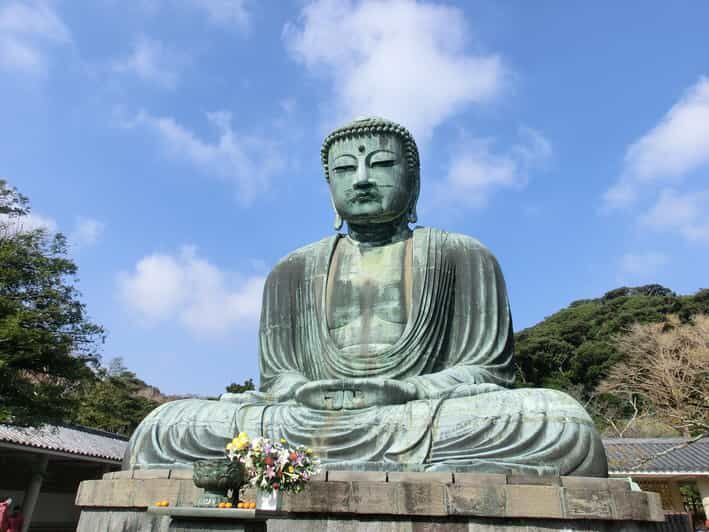
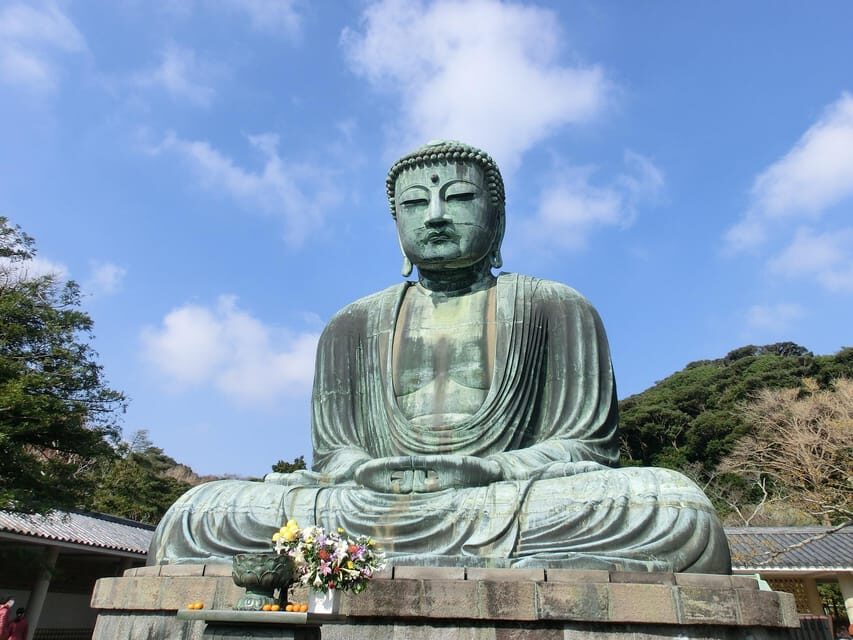
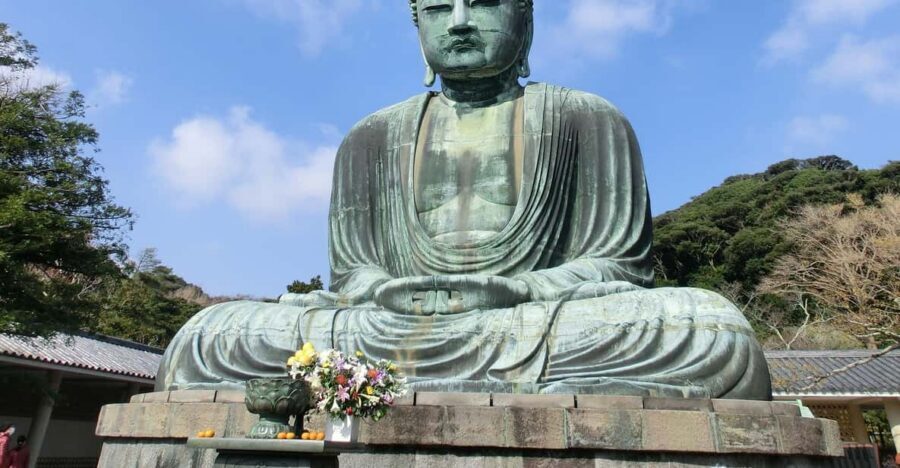
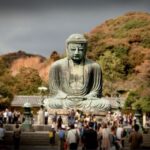
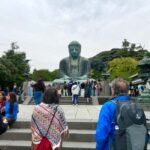
Kōtoku-in is famous for one reason: the Great Buddha. It’s an iconic Kamakura sight, and the format here makes sense for most visitors. You get time for a photo stop, plus a visit and a walk, so you can actually take in the scale instead of just snapping and moving.
What I like about this kind of stop is that it’s easy to experience even if your schedule is tight. You don’t need special context to enjoy it—you can simply look, walk the area, and feel what a centuries-old landmark does to your sense of time.
The possible drawback is also simple: it’s a popular place, so expect crowds around the main viewing area. Your best move is to use the “walk” time to step slightly away from the busiest moments for photos.
Practical tip: wear comfortable shoes. Temple grounds and approach paths are where your feet will do the work, not where you’re sitting.
Stop 2: Hokoku-ji bamboo forest, shade, and temple calm
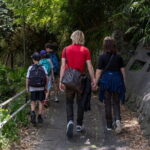
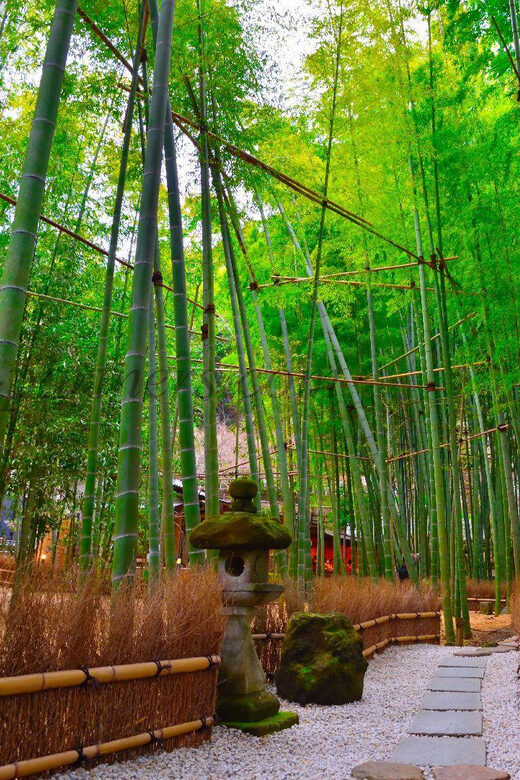
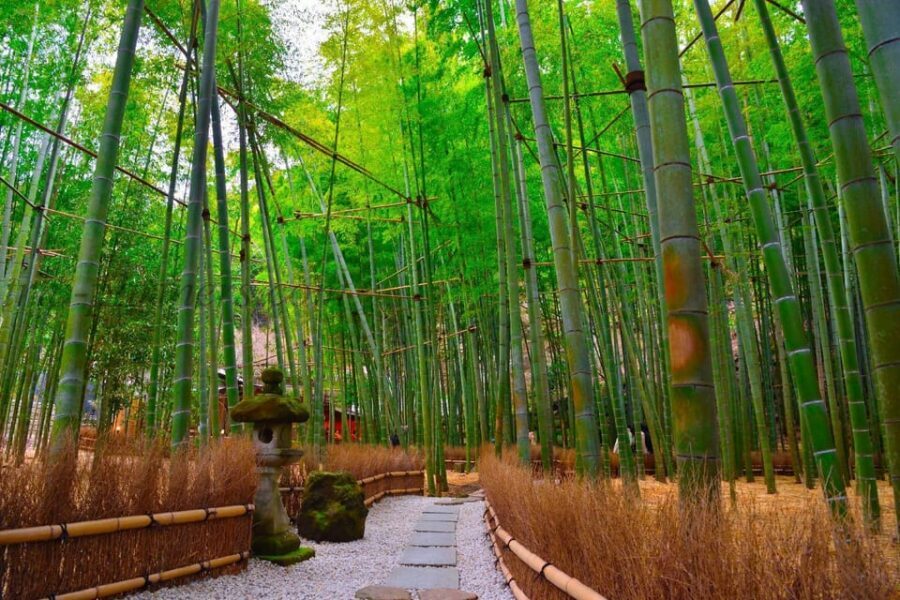
After the big landmark energy, Hokoku-ji gives you a different mood: quiet, shaded walking through the bamboo forest. This stop is described as including a photo stop, a visit, and time for a self-guided stroll.
This is often the part of Kamakura that people remember most, not because it’s complicated, but because it changes your pace. The bamboo-lined path tends to make you slow down naturally, and you get that sense of “I’m here” instead of racing to the next photo.
There’s a real value in the self-guided time here. A guide can explain context, but you’ll enjoy it more if you can wander at your own rhythm. Take a few photos, then put the phone away for a minute. You’ll be surprised how quickly the atmosphere lands.
One more thing: this kind of walking is great for photos, but it can be damp or slippery on rainy days. Solid shoes are your friend.
You can also read our reviews of more private tours in Kamakura
Stop 3: Hase-dera—temples plus the coast feeling
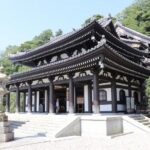
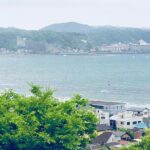
Hase-dera is where Kamakura starts to feel more coastal. You’ll have 1.5 hours here, and it includes another photo stop and time for visiting and walking (self-guided), plus scenic drive time on the way.
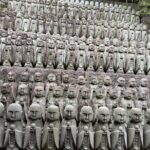
Even when you’re not chasing viewpoints, this stop tends to deliver because of how temple spaces sit on the hillside. You get that mix of stone, trees, and sea air. It’s also one of the spots where the day can feel less like an checklist and more like a wandering route.
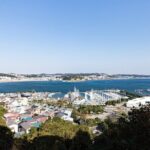
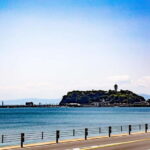
This is also where the tour messaging points toward the coast—there’s mention of feeling the sea breeze and time described around Yuigahama Beach and the surrounding coastal vibe. Even if you don’t spend a long stretch at the shoreline, the day is organized so the sea atmosphere is part of the experience rather than a last-minute scramble.
If you’re the kind of person who hates rushed sightseeing, this is likely a good stop to slow down. Use part of your time to just walk the grounds and take in the views without turning it into a sprint.
Stop 4: Tsurugaoka Hachimangu—Kamakura’s main shrine center
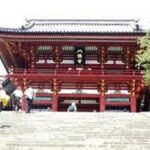
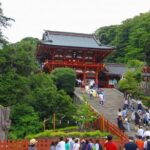
Tsurugaoka Hachimangu is Kamakura’s anchor shrine, and the tour gives you 1.5 hours here with a photo stop and time to visit and walk.
Why it matters: this isn’t just a pretty shrine. It’s the kind of place that gives you a sense of how Kamakura organized its identity—spiritual life, community space, and ceremonial importance all bundled into one location.
The experience also works well near the end of the day. By the time you arrive, you’ve had bamboo calm and coastal temple vibes, and then you get this more central, structured shrine feel. It’s a nice emotional reset.
One extra practical advantage: if you want to ask for a small detour, this is often the kind of stop where a guide can help you make the most of your time. In a real booking example, the guide also helped with a goshuin goal by taking visitors to a temple for a special stamp book. That kind of flexibility can be a big deal if you’re collecting these shrine/temple seals.
How Komachi Street and local snacks fit into the day
The tour description includes a nod to Komachi Street and local flavors. Even if your main focus is temples, this matters because it gives you a chance to balance sightseeing with real-life Japan street food and small shopping.
Here’s how I’d approach it: don’t plan to eat your entire lunch there. Instead, treat it as a quick chance to try a snack or browse. Since lunch isn’t included, you’ll want to decide on a meal based on your own tastes and energy level.
If the day runs close to the upper end of the timing, you’ll be glad you didn’t over-plan a long stop for food. The vehicle and guide help with movement, but you still control how fast you want to walk.
The guide experience: why people loved the English support
The tour runs with an English driver (private group), which is a key quality factor for temple days. Temple culture has details—how to approach, what to notice, and how to understand the flow without getting lost. An English-speaking guide makes it easier to ask questions and keep the day moving smoothly.
Two notable examples from recent bookings stand out:
- One group praised their guide as exceptionally friendly and helpful, calling out how easy it felt to navigate and stay comfortable at every stop.
- Another review included guide names and specifically thanked their support as absolutely amazing.
That kind of praise usually comes from the same thing: the guide isn’t just driving. They’re helping you get through the day with confidence, including handling simple requests along the way.
So if you have a specific goal—like a goshuin-related stop or a special shrine request on the way back—this tour may be a good fit, as long as you communicate it clearly.
What’s included (and what you’ll pay for on your own)
Included in the price:
- Air-conditioned vehicle
- WiFi on board
- Bottled water
- Parking fees and fuel surcharge
- Private transportation
Not included:
- Lunch
- Entry fees (bring cash for this)
- Extra pickup/drop-off outside Tokyo’s 23 wards
For your budget, think in two layers:
1) What the tour handles: the vehicle day and key stops.
2) What you handle: food, entry fees, and any optional purchases.
That approach keeps expectations realistic, and you’ll avoid the most common surprise: paying entry fees at each site when you assumed they were covered.
What to bring and small rules that keep the day easy
Bring:
- Comfortable shoes
- Comfortable clothes
- Cash
The cash part matters because entry fees aren’t included. Also, temple/shrine settings can be card-light, especially for smaller stalls.
Know the rules:
- No smoking in the vehicle
- No alcohol or drugs
- No fireworks and no alcoholic drinks in the vehicle
These are straightforward, but they help keep the vibe calm, especially during longer drives and multiple walking stops.
Not suitable for people over 95 years. If mobility is a concern, it’s still worth asking about your walking comfort before booking, since the day includes photo stops, walks, and temple grounds.
Should you book this Kamakura private tour?
If you want an easy, organized Kamakura day with minimal stress, this tour makes a lot of sense. The private vehicle, English support, and door-to-door pickup inside Tokyo’s 23 wards are the core reasons. You’ll see the Great Buddha, bamboo forest, Hase-dera, and Tsurugaoka Hachimangu without spending energy on transit juggling.
You might skip it if:
- You’re traveling solo on a tight budget and prefer DIY transit.
- You don’t want to pay for a private format when you could mix train lines yourself.
- You need airport/port pickup (this tour doesn’t offer that).
My take: for couples, friends, or small families who want Kamakura’s top spiritual and scenic stops in one day, the value is strong—especially when you factor in convenience and time.
FAQ
How long is the Kamakura private tour, and does the time include pickup and drop-off?
The duration is 10 hours, and that includes hotel pickup and drop-off.
Where can pickup happen, and can I choose my pickup point?
Pickup is available within Tokyo’s 23 wards, including hotels or train stations. You can decide your pickup point, and you should include your pickup location in the booking special requirements.
What are the main places you’ll visit in Kamakura?
You’ll visit Kōtoku-in, the Hokoku-ji bamboo forest area, Hase-dera, and Tsurugaoka Hachimangu Shrine.
Is lunch included, and are entry fees included?
Lunch is not included, and entry fees are not included either.
Do you pick up from airports or ports?
Pickup is not available from airports or ports. If you’re coming from outside Tokyo (or places like Yokohama port), extra charges may apply, depending on the location.
What cancellation and payment options are available?
You can cancel up to 24 hours in advance for a full refund. There’s also a reserve now & pay later option, so you can book without paying immediately.