REVIEW · TOKYO
Tokyo: Open Top Sightseeing Bus with Audio Guide
Book on Viator →Operated by VIP Japan Tours · Bookable on Viator
Open-top bus views beat Tokyo jet lag. This tour is a simple way to rack up major sights fast, with GPS-enabled audio that matches what the bus is passing. I especially like how the route mixes classic landmarks with Tokyo Bay views, so you get both old-and-new Tokyo in one easy loop.
The other thing I like is how practical the whole setup feels: you get a comfortable meeting spot, help from Japanese-speaking staff, and a relaxed pace designed for orientation. The main drawback to consider is that it is not hop-on, hop-off, so you cannot get off for photos or breaks mid-route.
In This Review
- Key things to know before you board
- Tokyo in 70 minutes: what this open-top bus experience is really for
- Price and logistics: how $11.71 stacks up for a one-hour sightseeing loop
- The meeting point: where you’ll start and why it matters
- Bay Course: Tokyo Bay, Rainbow Bridge, and the Odaiba shoreline views
- City Course: Imperial Palace to Roppongi to Ginza drive-by highlights
- How the GPS audio guide really works (and how to make it audible)
- Open-top seating and weather reality: rain, closures, and comfort
- Route watching vs. getting photos: a realistic expectation check
- Who this tour suits best (and who should skip it)
- FAQ
- FAQ
- How long is the open-top bus tour?
- Is this a hop-on, hop-off tour?
- What languages are available for the audio guide?
- Is there a live guide on the bus?
- Do I need to bring earphones?
- Where do I meet for the tour?
- Can I bring umbrellas or selfie sticks?
- What happens if it rains?
- Is luggage allowed?
- What if I’m late or at the wrong meeting point?
- Should you book this Tokyo open-top sightseeing bus?
Key things to know before you board
- GPS audio guide with multi-language support: the system feeds commentary based on your location as the bus moves
- Two different routes: Bay Course leans seaside, while City Course focuses on central neighborhoods
- Not hop-on, not hop-off: you stay on the bus for the full loop and watch landmarks from the street
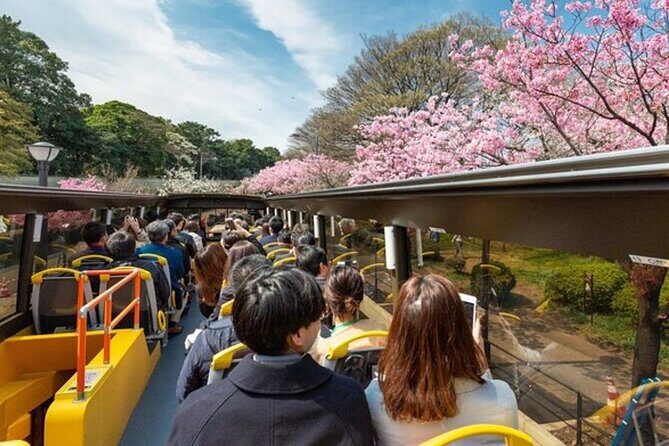
- Open-top experience depends on rain: the open top may be closed if it rains
- Earphones matter: the audio jack supports only 3.5mm mini plugs, with optional earphones sold on-site
- Small group limit (up to 40): easier to manage than mega-bus tours
Tokyo in 70 minutes: what this open-top bus experience is really for
If you’re trying to get your bearings in Tokyo, this kind of ride does a lot of work for you. You sit up top, you see landmarks without hunting for train transfers, and you get spoken context as the bus rolls past key areas.
This also works well if your first day is packed with jet lag and logistics. The route is designed as a “see the map in motion” experience. You’re not just passing buildings; you’re getting landmarks strung together into a story you can remember later when you’re planning your next day on foot or by subway.
And yes, the open-top factor is real. Tokyo can feel dense at street level, but from above you get cleaner sightlines—especially when the route heads toward water and big bridges.
You can also read our reviews of more guided tours in Tokyo

Price and logistics: how $11.71 stacks up for a one-hour sightseeing loop
At around $11.71 per person for roughly 70 minutes, the value is strong—mainly because you’re paying for transportation plus audio commentary. Tokyo can be expensive, and buying “time-saving” options helps, especially early in a trip.
That said, the value depends on your expectations:
- If you want guided stops, transfers into neighborhoods, or time to wander, this is not that kind of tour.
- If you want to see major icons from the bus and learn what you’re looking at, the price-to-time ratio is very competitive.
You’ll also appreciate the “small-group” feel with a maximum of 40 travelers. It’s not a quiet private tour, but it’s easier to manage than the biggest mass tours.
The meeting point: where you’ll start and why it matters
You’ll start at Tokyo VIP Lounge in Chuo City, Yaesu, on the 2nd and 3rd floors. The tour ends back at the same meeting point, so you don’t have to worry about being dropped somewhere you need to navigate later.
This meeting place is a paid facility, but open-top bus customers can use it free of charge starting 40 minutes before departure. A practical tip: if you’re arriving early, plan to wait there rather than wandering around the block trying to find your place again.
Also, the tour departs promptly. If you show up late or at the wrong entrance, you can lose your spot and refunds are not issued for late arrivals. I’d treat this like a train departure: get there early enough that you’re not racing the clock.
Bay Course: Tokyo Bay, Rainbow Bridge, and the Odaiba shoreline views
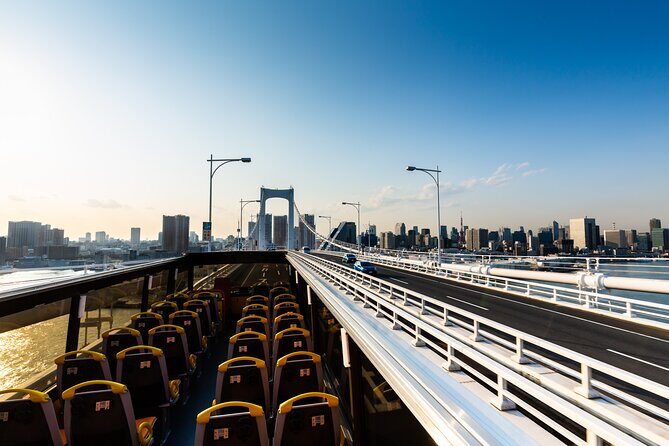
The Bay Course is the one I’d pick if you want that “Tokyo = modern city + water” feeling. The route mixes dramatic skyline angles with big-photo stops, even though you won’t get off the bus.
Here’s the flow you’ll experience:
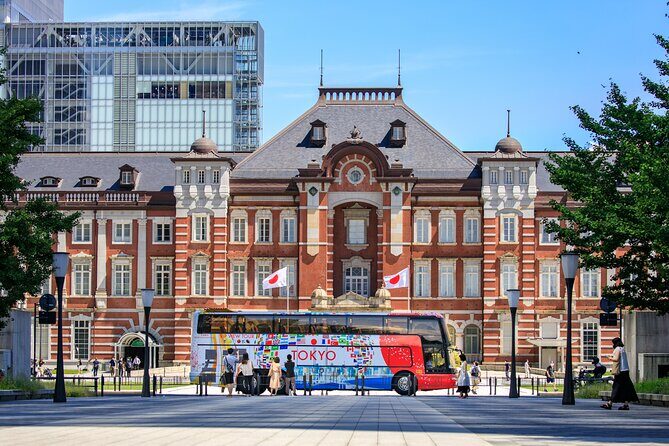
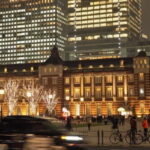
- Tokyo Station (Red Brick Station Building) and Marunouchi for classic central Tokyo
- Zojoji Temple and then up toward Tokyo Tower
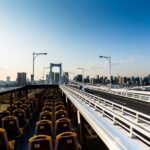
- Shibaura Rainbow Bridge (1st level) for iconic bridge framing from the roadway
- Past Fuji TV and the Statue of Liberty area (a recognizable landmark you’ll see from the bus route)
- Odaiba Seaside Park and then back across the Rainbow Bridge (2nd level)
- Through Shiodome and into Ginza
Why this course is worth it: Bay Course gives you contrast. You start with the famous central core (Tokyo Tower and Tokyo Station area), then you roll into the “future-ish” seafront districts and bridges. Even if you only spend one day in Tokyo, this route helps you visualize where Tokyo’s landmarks sit relative to each other.
One consideration: because it’s not hop-on, you’re mostly watching from the windows and open-top seating. If you’re chasing golden-hour close-ups, plan to use this as your overview, then do targeted walking later based on what you liked.
City Course: Imperial Palace to Roppongi to Ginza drive-by highlights
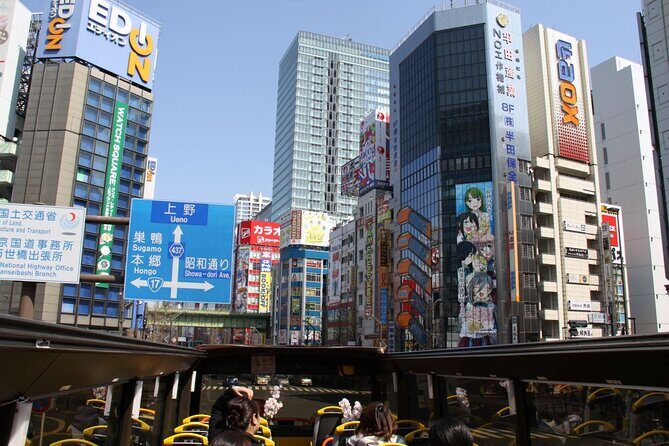
If Bay Course is about the water and bridges, City Course is about Tokyo’s big-name neighborhoods and skyline stretches.
This route passes by:
- Imperial Palace area
- Tokyo Midtown
- Roppongi
- Tokyo Tower
- Ginza
This is the route I’d choose when you want a central Tokyo scan—places you might otherwise feel you need multiple train rides to connect. It also tends to fit well if you’re staying near major stations, because the bus route naturally lines up with central sightseeing zones.
The drawback is similar to Bay Course: it’s a ride, not a walking tour. You’ll get good sightlines as the bus moves, but you won’t have time to stop and explore the moment inspiration strikes.
A few more Tokyo tours and experiences worth a look

How the GPS audio guide really works (and how to make it audible)

This is where the tour earns its keep. You’re not just looking at buildings—you’re hearing what they are and why they matter as you pass them.
The system is GPS-enabled, and it automatically delivers sightseeing information in multiple languages. Available languages listed include Japanese, English, Chinese, French, Korean, Vietnamese, and Thai. Translation quality can vary on any automated system, but the advantage here is timing: you’re not left trying to guess what’s being referenced while the bus is already gone.
Now the practical part: audio is through earphones. The audio guide’s earphone jack supports 3.5mm mini plugs only. If you don’t have the right adapter, you may want to plan for the optional earphones sold on-site for 100 Yen.
Also, there is no live guide. A Japanese-speaking staff member is there for assistance, but the sightseeing narration itself is prerecorded/GPS-driven. That can be fine—automated tours are consistent, and you can listen at your own pace—but it does mean you won’t get spontaneous answers to questions like Why is that building shaped that way?
A small warning from real-world experience: sometimes the audio can be hard to match exactly to what you see if you’re looking off-angle. My advice is simple: when you hear a key landmark, pause your photo-taking for a moment and get your bearings relative to the bus route.
Open-top seating and weather reality: rain, closures, and comfort
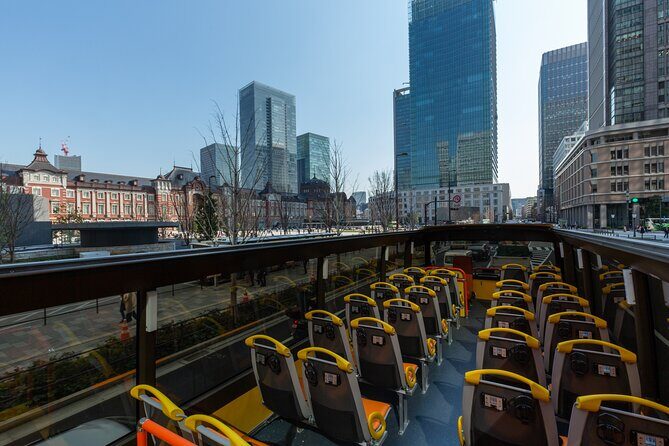
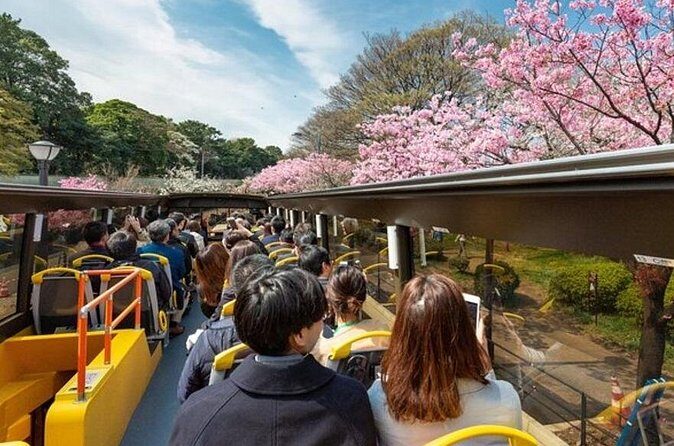
This tour runs rain or shine, with cancellations only in extreme weather like typhoons. The open-top experience can change if it rains—the open top may be closed.
So what should you do?
- If it’s a “maybe rain” day, bring a light rain layer you can wear without messing with umbrellas (umbrellas are not allowed).
- Dress for city weather and movement. Even in a short 70-minute loop, you’ll feel the wind more up top.
Also remember the basic rules: no smoking, no food inside the vehicle, and no selfie sticks. These restrictions keep it safer and more comfortable for everyone.
Route watching vs. getting photos: a realistic expectation check

Because this is not hop-on hop-off, the tour is best for:
- Orientation sightseeing
- Learning what you’re seeing
- Getting a skyline overview quickly
- Checking off major icons early, then choosing what to revisit later
If your goal is to photograph one place for 30 minutes, this probably won’t satisfy you by itself. You’ll likely see each standout area, but you’ll be on the bus moving through the traffic rhythm.
A good way to use this tour: treat it like your Tokyo “starter map.” If something grabs you—like Rainbow Bridge angles, Tokyo Tower proximity, or the Ginza stretch—plan a second visit on a day when you have time to slow down.
Who this tour suits best (and who should skip it)
This one fits best if you:
- Are in Tokyo for the first time and want big landmarks in one go
- Want a low-effort plan after travel fatigue
- Prefer audio guidance and a relaxed pace over walking all day
- Like the idea of seeing Tokyo from above without dealing with complicated routing
I’d skip it if you strongly prefer:
- A guided walk with stops and time to explore each attraction
- Frequent photo stops where you can jump off whenever you want
- A live guide who can customize answers to your questions
FAQ
FAQ
How long is the open-top bus tour?
It’s about 1 hour 10 minutes (approx.).
Is this a hop-on, hop-off tour?
No. This is not hop-on, hop-off. The bus does not stop for you to get off and rejoin later.
What languages are available for the audio guide?
The audio guide supports Japanese, English, Chinese, French, Korean, Vietnamese, and Thai.
Is there a live guide on the bus?
No live guide is included. The tour includes the audio guide and staff for assistance.
Do I need to bring earphones?
Yes, audio is through earphones. The jack supports 3.5mm mini plugs. Earphones are available optionally for 100 Yen.
Where do I meet for the tour?
Meet at Tokyo VIP Lounge in Chuo City, Yaesu, on the 2nd and 3rd floors. The tour ends back at the same meeting point.
Can I bring umbrellas or selfie sticks?
No. Umbrellas and selfie sticks are not allowed.
What happens if it rains?
The tour operates rain or shine, but the open top may be closed if it rains. Cancellations happen only in extreme weather (like typhoons).
Is luggage allowed?
Yes. You can bring one piece of luggage per person. It must be manageable and fit within the vehicle trunk size limit stated, and items in the trunk aren’t accessible between stops.
What if I’m late or at the wrong meeting point?
The tour departs promptly. Late arrivals or arriving at the wrong location are not accommodated, and refunds are not issued for those cases.
Should you book this Tokyo open-top sightseeing bus?
If you want a fast, low-stress way to see major Tokyo icons—especially Tokyo Tower, Ginza, and the Rainbow Bridge area—this is an easy yes. The GPS audio in multiple languages makes the sightseeing feel organized, and the short ~70-minute loop is ideal for your first day or a day with limited time.
Just go in with the right expectation: it’s a ride with great views, not a walking tour with stops. If that matches how you like to travel, this bus is a solid value purchase for Tokyo orientation.