REVIEW · TOKYO
Hakone: Self Guided Trip to Mt. Fuji // Made by Local Guides
Book on GetYourGuide →Operated by Sunrise Adventure · Bookable on GetYourGuide
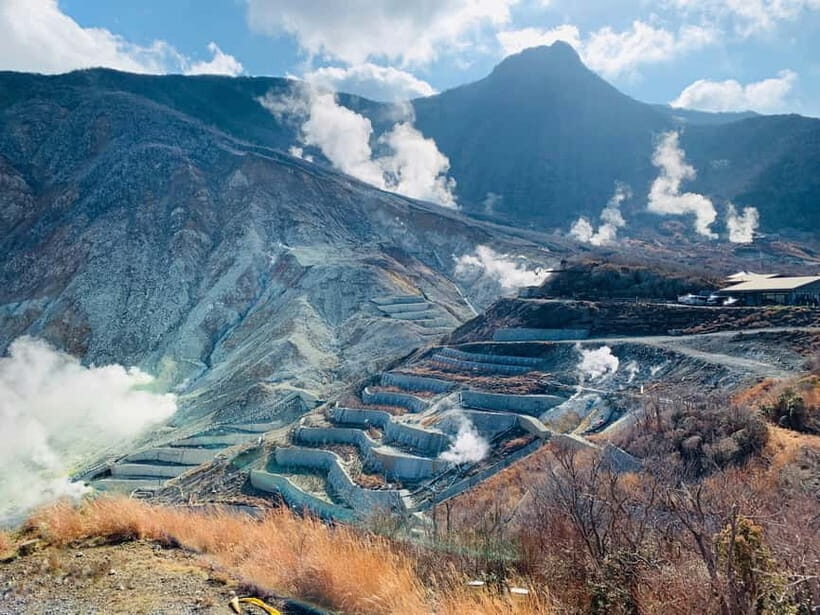
Fuji day planning, already handled. This self-guided Hakone-to-Mt. Fuji route is built around a clear PDF itinerary and practical food and transportation recommendations, so you can move with confidence while still setting your own pace. You start in Shinjuku, roll through Moto Hakone and an Amazake Chaya tea stop, ride part of the old route, cruise Lake Ashi like you’re in a movie, then end at Owakudani for summit views and the famous black onsen eggs.
The main drawback is simple: it’s not a guided escort. You’re responsible for timing, transit connections, and any on-the-spot choices, and Japan can be strict about early closures—so you’ll want to build your day with that in mind. In other words, self-guided works great if you like structure without babysitting.
In This Review
- Key Things I Think You’ll Appreciate
- Shinjuku to Hakone: why this start works for a one-day Fuji plan
- Moto Hakone stop: streets, photos, and your first taste of the region
- Amazake Chaya: a warm tea-house break that actually changes the rhythm
- Old Tokaido Line and 旧街道石畳(バス): historic route vibes with a walking segment
- Lake Ashi and the pirate ship cruise: the viewpoint payoff
- Mount Owakudano: geothermal views and the black onsen egg ritual
- How the PDF plan delivers value (and why it’s cheap)
- What’s not included: budgeting for tickets and food
- Independence without chaos: how to run this day smoothly
- Who this Hakone and Mt. Fuji self-guided plan is best for
- Should You Book This Mt. Fuji Day Trip from Shinjuku?
- FAQ
- Where does the tour start?
- How long is this experience?
- When will I receive the itinerary PDF?
- What’s included in the price?
- Are transportation and entry tickets included?
- Is food included?
- Can I cancel for a full refund?
- Is it suitable for wheelchair users or mobility impairments?
Key Things I Think You’ll Appreciate
- Easy PDF with an itinerary that tells you where to go next and how to get there
- Food and transport recommendations at multiple stops, not just one quick mention
- Real variety in one day: tea house break, historic route, lake cruise, geothermal finale
- Photo stops designed into the flow so you’re not scrambling for viewpoints
- Local “ask us” support when you have questions
- Low entry cost for planning help (you’re mainly paying for guidance, not tickets)
Shinjuku to Hakone: why this start works for a one-day Fuji plan
Starting from Shinjuku City is a smart move for a 1-day trip. Shinjuku is one of Tokyo’s big transit hubs, so it tends to be the least painful place to begin. The meeting point is Shinjuku station (coordinates: 35.6938253, 139.7033559), and the plan expects your day to start with the first train.
What I like about this approach is that the itinerary is paced as a loop. You leave Tokyo, hit Hakone’s classic highlights in a logical order, then return to Shinjuku at the end of the day. That matters because Hakone has more moving parts than it looks like on a map—rail, buses, and a lake cruise all play a role.
Also, this kind of day works best when you keep expectations realistic. The day is action-packed, but the structure gives you breaks (and “free time” blocks) so you’re not sprinting between stops the whole way.
You can also read our reviews of more guided tours in Tokyo

Moto Hakone stop: streets, photos, and your first taste of the region
The itinerary’s first Hakone block centers on Moto Hakone. This is where you get a village feel right away—traditional shops and eateries, plus scenery around you as you wander. The plan includes time for a visit and also room for break time and free time, so you can decide how long to linger.
Two practical reasons I think this stop is valuable:
- It’s a calm landing after Tokyo transit. You’re not jumping straight into the most crowded sights.
- It’s a good spot for your first round of photos, before the day gets heavier with riding and walking.
If you want to get value out of the village time, don’t treat it like a quick photo stop. Use it to reset. Grab something simple to eat, check how you’re doing energy-wise, and confirm you’re comfortable with your next leg.
Amazake Chaya: a warm tea-house break that actually changes the rhythm
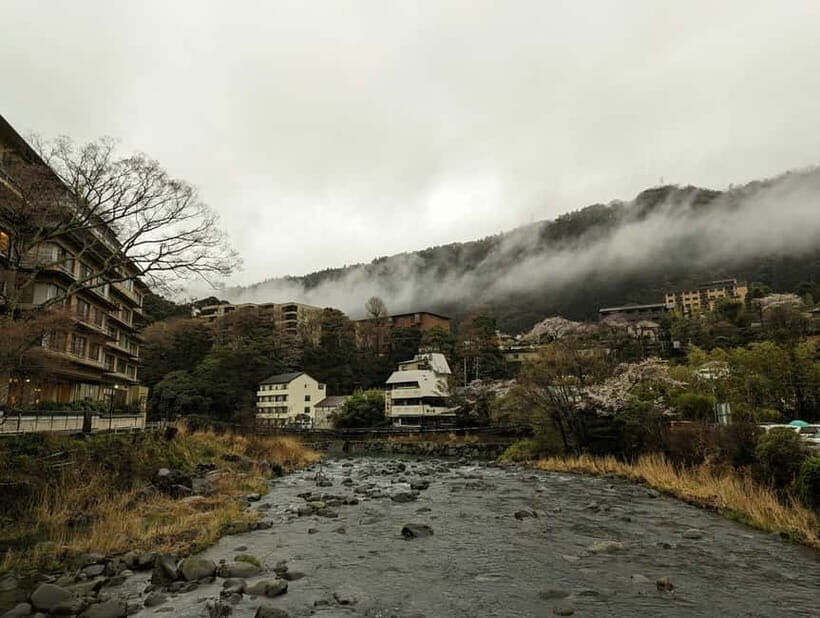
After Moto Hakone, your plan heads to Amasake Chaya, described as a cozy, traditional teahouse stop. You get about an hour here, which is plenty of time to slow down and try warm amazake, a sweet rice wine-style drink, plus savory snacks.
This matters more than it sounds. When people plan one-day Mt. Fuji trips, they often cram viewpoints back-to-back and forget that the body gets tired. A teahouse pause does two things:
- It gives you a predictable break
- It sets you up for the next section of riding and walking
Also, because it’s an included stop in the itinerary, you’re less likely to end up hungry and improvising. The day already has transportation segments; you don’t want to spend extra time searching for food while you’re on the move.
Old Tokaido Line and 旧街道石畳(バス): historic route vibes with a walking segment
Next comes the stretch tied to the Old Tokaido Line and the 旧街道石畳(バス) segment. The itinerary includes about 45 minutes for walking/hiking here.
This is where you feel the difference between “having a route” and “having a plan.” The PDF doesn’t just say go somewhere—it builds in time for you to actually experience the old-route feel and not just pass by on transit.
A couple of practical considerations:
- Wear shoes you’re comfortable walking in. The itinerary explicitly includes a walking/hiking time block, and Hakone areas can mean uneven ground.
- If you’re sensitive to physical effort, take the self-guided nature seriously. This is one of the segments that can push you faster than you expect.
You’ll also want to keep your phone battery in mind. If the route includes stops that are easier to follow by looking at your device, don’t let power run out.
Lake Ashi and the pirate ship cruise: the viewpoint payoff
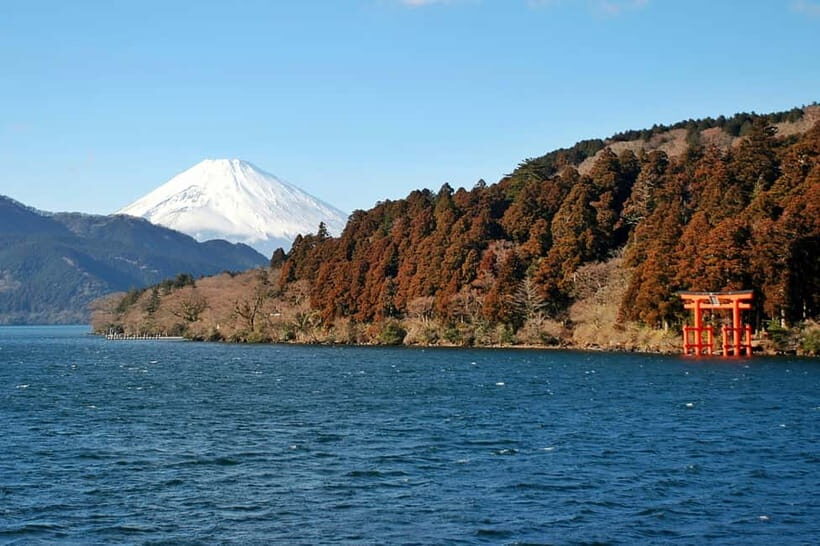
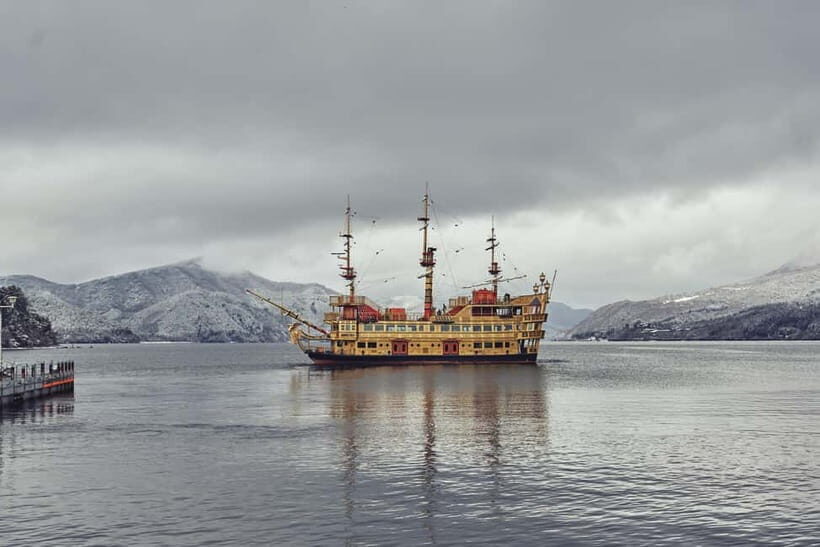
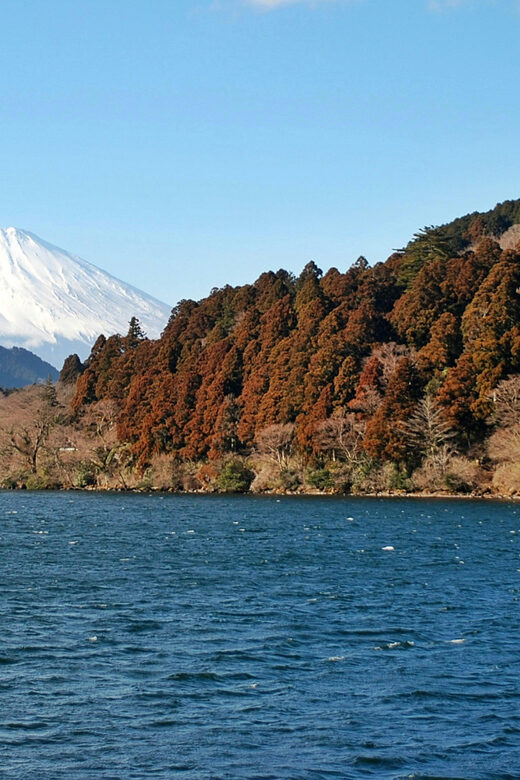
Then you get the highlight that almost everyone pictures when they think of Hakone: Lake Ashi. Your plan includes a photo stop and scenic views en route, plus a lake cruise on a pirate ship-style vessel.
You also have an hour allocated here, so you’re not stuck in a “get on, get off, run” situation. The cruise is the centerpiece. You’ll be on the water with Mt. Fuji visible in the distance during the voyage as part of the experience flow.
Why this stop is such good value in a one-day itinerary:
- It gives you a moving viewpoint. You’re not just standing in one spot trying to line up photos.
- It’s a natural break between land segments—rail/bus time turns into a slower pace on the water.
- It’s built around camera moments, because the day includes multiple photo stops, not just one.
If you care about photos, think about timing before you board. The itinerary already schedules photo stops, so you can use those windows to get your shots without forcing it.
A few more Tokyo tours and experiences worth a look


Mount Owakudano: geothermal views and the black onsen egg ritual

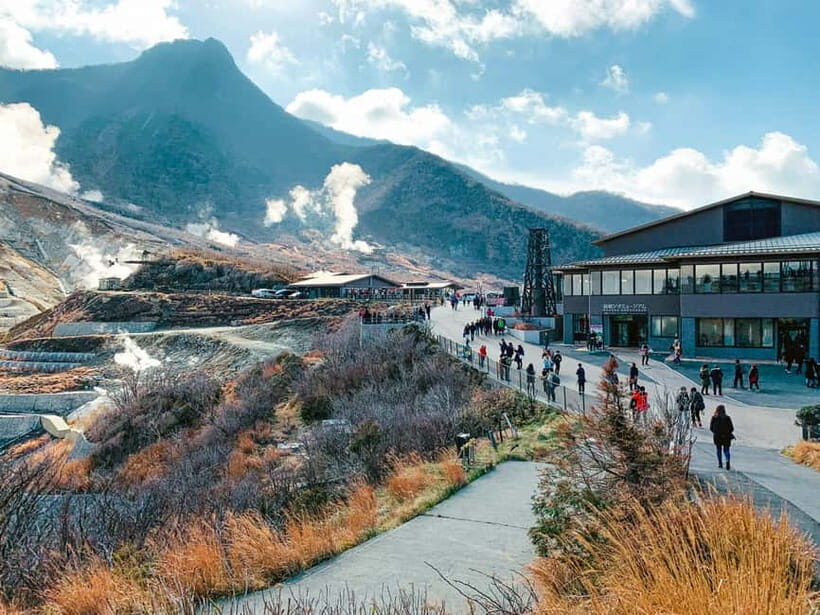
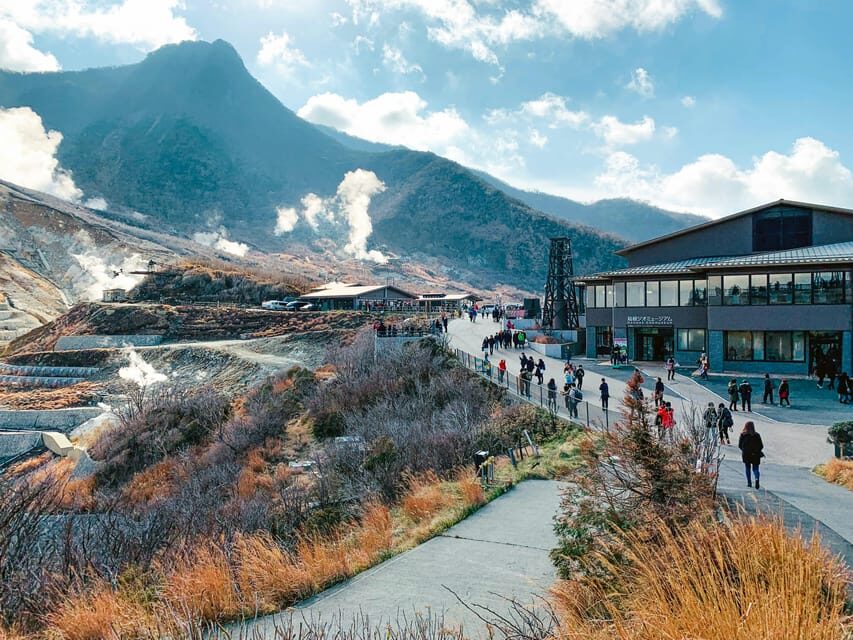
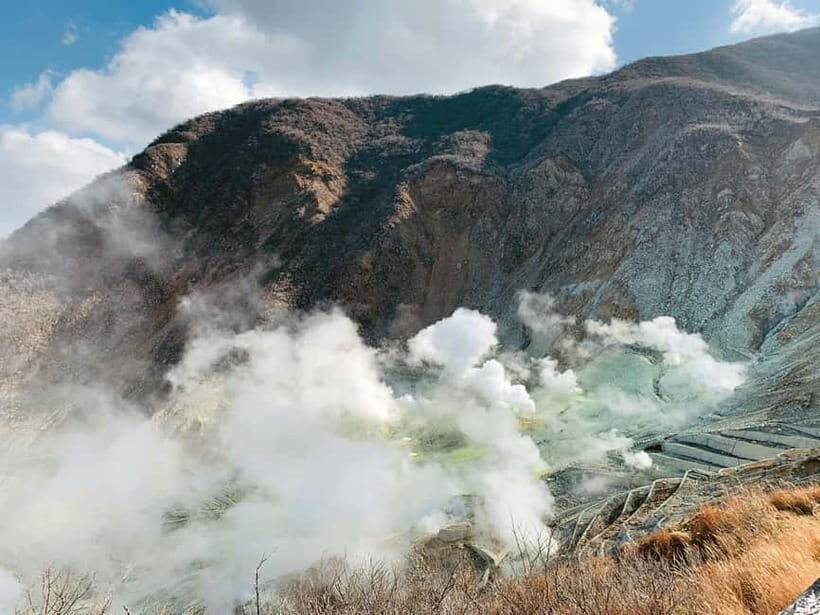
Finally, the day lands at Mount Owakudano, Hakone, with about an hour for photo stop, sightseeing, and self-guided time. This is where the geothermal character of the region shows up, and where the itinerary adds the famous food moment.
The plan includes the “famous black onsen eggs,” boiled in Owakudani’s geothermal waters. It also includes the legend that each egg adds seven years to your life. Even if you treat legends as entertainment, the egg itself is a nice way to end the day with something local and memorable.
One consideration: this stop is a “big finale,” meaning you’ll likely feel like you want to linger once you’re there. The itinerary gives you time, but because it’s a one-day loop back to Shinjuku, don’t lose track of your return timing.
Also, there’s an accessibility note in the tour details: it isn’t suitable for people with mobility impairments, wheelchair users, or recent surgeries, and people with back problems or low fitness are advised against it. Owakudani is the kind of place where comfortable walking is important, so take that seriously.
How the PDF plan delivers value (and why it’s cheap)
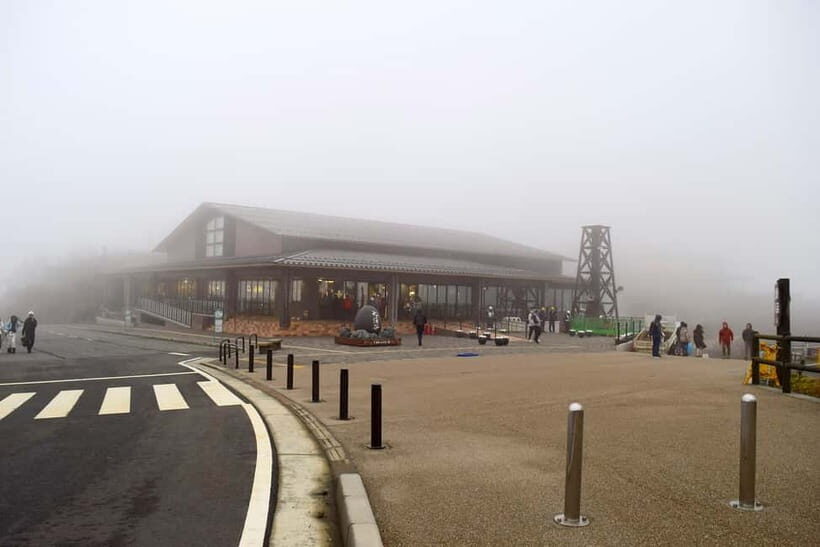
Let’s talk price, because it’s part of the appeal. The cost shown is about $3.22 per group up to 1. At that level, you’re not paying for tickets or a driver. You’re paying for the planning support: the PDF itinerary with where to go and how to get there, plus food recommendations and general Japan travel tips.
In plain terms, here’s the value you’re buying:
- You don’t have to stitch together a day plan from scratch
- You get clear sequencing for transportation and stops
- You get included photo stop guidance, so you can plan your time around the most scenic moments
- You receive a small bonus discount code in the PDF for an e-sim (a $3 discount on e-sim in Japan)
One more thing: the reviews highlight how much clarity matters. The PDF is described as easy to understand, and the provider reportedly answers questions if you contact them. That combination—clarity plus support—makes a self-guided plan feel more reliable.
The flip side is also fair. A different review made the point that a lot of this can be done on your own if you’re comfortable planning Hakone basics. That’s true in theory. But the difference here is time and stress. If you’d rather spend your energy on the trip itself instead of building the schedule, this kind of guidance can be worth it fast.
What’s not included: budgeting for tickets and food
The tour explicitly does not include the real-world costs of going to places. That means you should expect to pay for transport and entry tickets, and food while you’re out.
This matters for two reasons:
- Your final total depends on how you buy transit and what you choose to eat.
- You’ll want cash or a ready payment setup so you don’t stall when you reach ticket points.
The good news is the itinerary includes food recommendations at different stops and includes tea house time. You’re still paying for food, but you’re not guessing what to try at every location.
Independence without chaos: how to run this day smoothly
This is a self-guided day trip, so “independence” is the whole point. If you like doing your own thing, you’ll probably love the feel of it: planned stops, then freedom within the blocks for breaks and free time.
To make it go smoothly, I’d use three tactics:
- Follow the sequence closely, especially between transportation transitions.
- Keep an eye on timing, since early closures can affect later stops in Japan. One review suggested thinking about closing times to get more flexibility with departure timing.
- Bring essentials for the walking segments and lake/rope-in-water day: comfortable shoes and a way to stay charged.
And since the meeting point is Shinjuku station with “first train” guidance, you’ll get better results by not rolling out too late. This kind of day doesn’t forgive slow starts.
Who this Hakone and Mt. Fuji self-guided plan is best for
This experience fits you if:
- You want a 1-day route that covers multiple iconic places in Hakone
- You like having a clear PDF that tells you where to go next
- You’re comfortable handling transport connections and timing yourself
- You enjoy photographing scenery from designated viewpoints
It’s less suitable if you:
- Need mobility support or wheelchair access (the tour is not suitable for wheelchair users)
- Have respiratory issues, recent surgeries, or back problems
- Prefer a fully guided format where someone manages logistics for you
Also, if you already know Hakone well and enjoy DIY planning, you might feel it’s optional. The price can feel like “just planning help,” because that’s essentially what it is.
Should You Book This Mt. Fuji Day Trip from Shinjuku?
I’d book it if you want a simple, structured day that hits the classics: Moto Hakone, Amazake Chaya, an old-route walking segment, Lake Ashi on a pirate ship cruise, and the Owakudani finale with black onsen eggs. The biggest win is the easy-to-follow PDF itinerary with food and transport recommendations, plus the fact that you’re not locked into a group rhythm.
I wouldn’t book it if you strongly prefer guided service, you can’t comfortably handle the walking/hiking component, or you already plan Hakone days in your sleep. In that case, the information might feel redundant.
Overall, this is a smart buy for people who want independence with a safety net: you get a plan that’s clear, timed, and built for capturing Mt. Fuji moments without turning your day into spreadsheets.
FAQ
Where does the tour start?
It starts at Shinjuku station in Tokyo. The meeting point is at the first train, with coordinates 35.6938253, 139.7033559.
How long is this experience?
The duration is 1 day.
When will I receive the itinerary PDF?
After purchasing, you’ll receive an email with the PDF itinerary. It can take 1–3 business days to arrive.
What’s included in the price?
You get photo stop planning, the full PDF with where to go and how to get there, food recommendations at different stops, general useful Japan travel tips, and a $3 discount on e-sim in Japan using a code included in the PDF.
Are transportation and entry tickets included?
No. The actual costs of going to places such as entry tickets and transportation are not included.
Is food included?
No. Food is not included, but the itinerary provides food recommendations at different stops.
Can I cancel for a full refund?
Yes. Free cancellation is available up to 24 hours in advance for a full refund.
Is it suitable for wheelchair users or mobility impairments?
No. It is not suitable for wheelchair users or people with mobility impairments.