Osaka moves fast, and this tour keeps up. You’ll cover the city’s top postcard spots and real local hangouts in just 3 hours, guided in English, Spanish, Italian, or French. I like that it’s private or small group, so you’re not stuck watching someone else’s pace.
I especially love the extra value you get from the guide’s perspective. In my experience, Tom (the name that shows up again and again in the feedback) doesn’t just point things out—he shares what matters culturally and how to read what you’re seeing on the street. You walk away knowing what to do next without guessing.
The main drawback is simple: it’s a walking tour with no food or drinks included. So if you’re the type who needs a snack every 30 minutes, plan ahead before you meet.
In This Review
- Key things to know before you go
- Starting in Namba: an easy base for a tight 3-hour walk
- Dotonbori and Namba: the Osaka soundtrack, with context
- Shinsekai at Magic Cafe&Bar: where time feels different
- Harukas 300: panoramic views, then a food hall reality check
- Tsuruhashi and Korea Town alleys: a pre-war commercial vibe
- Osaka Castle Park: the exterior you recognize, the story you don’t
- Kuromon Ichiba and Doguyasuji: food markets and kitchen craft
- Price and value: is $45 a fair deal for 3 hours?
- Who should book this Osaka walk, and who might not love it
- Should you book this Osaka must-see plus market-street route?
- FAQ
- How long is the walking tour?
- Where does the tour meet?
- What does the tour cost?
- Is it private or small group?
- What languages are offered for the guide?
- Is food or drink included?
- Does the price include local transportation?
- Is there free cancellation?
Key things to know before you go
- You’ll hit iconic Osaka spots plus neighborhoods that feel more lived-in than checklist-heavy
- Tom’s culture tips help you understand what you’re looking at, not just where it is
- A tight 3-hour route built around photo stops and short guided stretches
- Harukas food-hall stop includes standout tastes like puffer fish and Kobe beef (at least as part of what you’ll see)
- Market-and-kitchen finale at Kuromon Ichiba and Doguyasuji gives you Osaka beyond the neon
Starting in Namba: an easy base for a tight 3-hour walk
You start in Namba, at 1-chōme-7-10 Namba. That matters more than it sounds. Namba is where Osaka’s day-to-night life concentrates, and it’s also one of the easiest zones to orient yourself in. Even before the first stop, you’ll get that immediate feel for the city’s energy.
A big benefit of a walking format is that you don’t waste time hunting trains and stations between highlights. You still use quick public transport for a couple of hops, but most of the experience is on foot, which means you’ll catch street-level details. Think signs, alley geometry, storefront styles, and the rhythm of people moving between shops and eateries.
Also, because this is private or small group, your guide can tailor small timing changes. If you’re the kind of person who pauses for photos, that’s usually fine; if you hate slow group logistics, this keeps you from feeling trapped.
One practical note: because it’s a walking tour, wear shoes you trust. You’re not in “stroll for ten minutes” mode—you’re in “walk Osaka like a local” mode.
You can also read our reviews of more walking tours in Osaka
Dotonbori and Namba: the Osaka soundtrack, with context

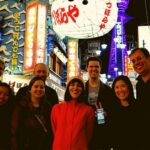
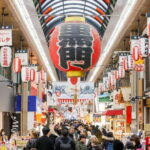
The first major stop is Dotonbori, with a guided walk and a photo stop built in. Dotonbori is the place most people picture when they think Osaka: fast, loud, and filled with visual attention. The difference here is that you’re not just taking pictures. Your guide helps you read the scene—what these areas are known for, why certain styles and food cues show up the way they do, and how the neighborhood’s identity shaped the city’s reputation.
Then you move into Namba itself. You’ll get another photo stop and guided walk, which is smart because Namba and Dotonbori overlap in feel but aren’t identical. Namba often works as the practical “hub,” while Dotonbori feels more like the symbolic front door.
What I like about this setup is that it gives you both sides of Osaka’s first impression:
- the iconic visuals you expect
- the local flow you might miss if you only self-guide
Because the tour is only about 3 hours, you’ll also avoid the trap of spending half a day in one neighborhood and then realizing you didn’t see the other Osaka you came for.
If you’re someone who hates crowds, you’ll still be in crowd areas—this is Namba and Dotonbori. But having a guide helps you time your walking and keep your focus on the stops that matter most.
Shinsekai at Magic Cafe&Bar: where time feels different
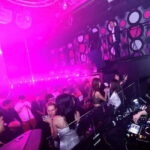
Next comes Shin-sekai, including a photo stop at Magic Cafe&Bar SHINSEKAI. Shin-sekai has a reputation for feeling older and slightly worn at the edges, in a way that doesn’t feel fake. The atmosphere is part of the appeal: local highlights can seem frozen in time, with a gentler sense of nostalgia than the newer commercial stretches.
This is a great stop if you want Osaka that isn’t only Instagram-ready. Instead of racing from one photo spot to another, you’ll be guided through the feel of the district—what to look for, what the area signals about local leisure, and why this zone still matters in the city’s daily life.
One reason I think this stop works on a short tour: it offers contrast. After Dotonbori and Namba, Shin-sekai gives you a different “temperature.” The pace of the story changes. You’re looking at a neighborhood that feels like it carries its own memories, even while people still live and work there.
And yes, it’s still fun. Even if you’re not a “bar scene” person, a name like Magic Cafe&Bar helps you find the area quickly and anchor your photos in something specific.
Harukas 300: panoramic views, then a food hall reality check
From Shin-sekai, the tour moves to Harukas 300. You’ll get a photo stop and visit time, with the chance to take in panoramic views from the elevated floors.
This is the part of the tour that helps you see Osaka as a whole. Street-level Osaka can feel like you’re inside one big maze. From above, you start connecting neighborhoods to one another. You also get context for why the city’s layout feels the way it does.
Then comes the payoff that I think most people appreciate once they’re there: you go down underground into the department store food hall. This is where the experience shifts from “watch the city” to “taste the city.” The food hall is known for standout offerings you may have only heard about—like puffer fish and premium Kobe beef. Even if you don’t order everything, seeing these items in one place helps you understand Osaka’s food-forward identity.
A practical consideration: Harukas is popular, and the food hall is exactly the kind of place where you might suddenly feel hungry. Since food and drinks aren’t included, treat this stop as inspiration. If you’re hoping for a full meal, decide in advance whether you’ll eat here on your own afterward.
Tsuruhashi and Korea Town alleys: a pre-war commercial vibe
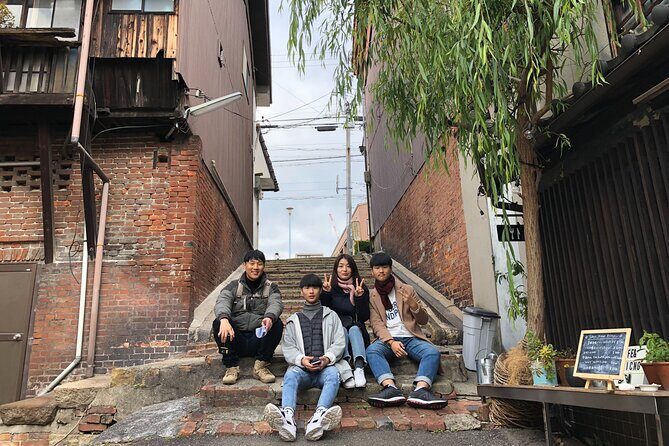
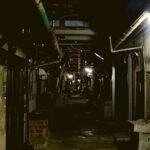
After Harukas, you’ll take a short public transport ride to Tsuruhashi, described as a place where you’ll navigate labyrinthine alleys in Korea Town. This stop is especially valuable because it shows another layer of Osaka—one that isn’t simply “tourist city,” but a community with its own local shopping rhythm.
You’ll also hear about the district’s pre-war commercial character. That kind of context changes how you walk those streets. Instead of seeing it as just a dense cluster of shops, you start noticing patterns: storefront styles, alley shapes, and how commerce sits right up against everyday life.
For me, this is the stop that makes the tour feel like it’s giving you a real sense of Osaka’s neighborhoods rather than just checking boxes. It’s also a nice speed change. After a high-view moment at Harukas, the alleys bring you back down to human scale.
If you’re traveling with someone who likes food but also likes culture, this is a great middle ground. It’s visual, walkable, and full of storefront energy—without needing a formal museum visit.

Osaka Castle Park: the exterior you recognize, the story you don’t
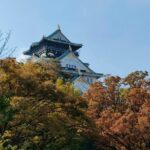
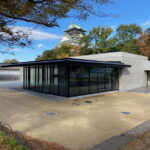
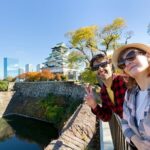
The tour then heads to Osaka Castle, with a photo stop and guided visit at Osaka Castle Park. You’ll marvel at the exterior of Osaka Castle, which is the kind of landmark you recognize immediately, even if you’ve never visited before.
The history part is handled in a memorable way: you’ll hear a story about a near robbery that took place four centuries ago. That detail matters. A lot of castle visits can turn into generic “big building, big battles” talking. Here, you’re given a specific anecdote that makes the past feel closer and more human.
Also, castles are tricky on city tours. They can eat time if you’re wandering on your own. With a guide, you get the key meaning quickly—why the castle symbol matters, how it fits into Osaka’s development, and what to pay attention to in the space.
The timing works well too. After Shin-sekai and the markets, Osaka Castle provides a reset. Even if you’re not a history superfan, it helps you regroup your impressions of the city.
Kuromon Ichiba and Doguyasuji: food markets and kitchen craft
Later in the experience, you’ll make two stops that connect food to everyday life.
First is Kuromon Ichiba, a fish market with a history spanning over 150 years. This isn’t just a place to buy snacks; it’s a place that shows how Osaka’s food scene grew from steady, working trade. When you’re in a market like this with guidance, you learn what’s normal here and what’s special—so you’re not overwhelmed by the noise and choices.
Then you finish in Doguyasuji, an area devoted to kitchens and culinary arts. Here, the tour turns visual in a different way. You’ll see wax food models, traditional noren hanging at kitchen entrances, and oversized pottery pieces tied to cooking and storage. This is one of my favorite kinds of “last stops” on walking tours because it shifts from eating to understanding how the food world is built.
Since the tour ends with these craft-and-street-details, it leaves you with souvenirs you can’t bring home, but you can remember: textures, shop fronts, and the way small symbols tell you what a place does.
And because it’s on foot, you get the payoff of seeing how signage and displays change block by block—something you’d miss if you only used transit.
Price and value: is $45 a fair deal for 3 hours?
At $45 per person for about 3 hours, this tour can be a good value if you care about guidance more than self-guided wandering. What you’re paying for isn’t just walking from place to place—it’s the guide’s ability to connect dots between neighborhoods, culture, and what you’re seeing right then.
You’re also getting private or small group options, which usually matters on tours like this. When you’re in a city like Osaka, the difference between solo walking and guided walking is that you spend less time figuring out what you’re looking at and more time enjoying it.
That said, the value depends on your expectations. Food and drinks are not included, and that’s important for budgeting. Also, while the tour is mostly on foot, there are short segments using public transport. The info says local transportation isn’t included around the city because it’s a walking tour, so be ready for your own transit costs for those brief hops.
So the smartest way to think about the price is: you’re buying time with a guide, plus a structured route through the places you’d want anyway. If you show up hungry, plan to buy your own bites at stops that tempt you.
Who should book this Osaka walk, and who might not love it
I think this tour fits best if:
- you’re seeing Osaka for the first time and want the main highlights without building a plan from scratch
- you like culture notes alongside landmarks
- you’re comfortable walking for much of the 3 hours
- you want a guide to suggest what to do next (the feedback about getting advice comes through strongly)
I’d be more cautious if:
- you hate crowds, because Namba and Dotonbori are popular areas
- you want a food-and-drink package, since none is included
- you’d rather do everything at your own speed without stops
One plus for logistics: the guide is offered in English, Spanish, Italian, and French, and it’s wheelchair accessible. That combination makes it simpler for a wider range of travelers to enjoy the experience without feeling locked out by language.
Also, if you’re traveling with a small circle and want flexibility, the private group available option is worth considering. It can make the “what should we stop for” question much easier.
Should you book this Osaka must-see plus market-street route?
If you want a 3-hour plan that balances iconic sights with neighborhood texture, I’d say it’s a smart booking. The biggest strength is the guide-led approach—especially the way Tom is described as sharing cultural significance, not just directions. You’ll come away with better Osaka instincts, which pays off long after the tour ends.
Book it if you enjoy walking, want help interpreting what you’re seeing, and you’re fine grabbing your own food along the way. Skip it only if you’re expecting an all-inclusive meal crawl or you prefer slow, unstructured sightseeing with no guided rhythm.
FAQ
How long is the walking tour?
It lasts 3 hours.
Where does the tour meet?
The meeting point is 1-chōme-7-10 Namba.
What does the tour cost?
The price is $45 per person.
Is it private or small group?
It’s available as a private or small group walking tour.
What languages are offered for the guide?
The guide is available in English, Spanish, Italian, and French.
Is food or drink included?
No. Drinks or food are not included.
Does the price include local transportation?
No. It’s described as a walking tour, and local transportation around the city is not included.
Is there free cancellation?
Yes. You can cancel up to 24 hours in advance for a full refund.