REVIEW · OSAKA
Nostalgic Osaka walk, totally different from Dotonbori
Book on Viator →Operated by Four Leaves · Bookable on Viator
Forget Dotonbori for two hours. This nostalgic walk through Karahori feels like old Osaka in motion, with stops focused on real crafts such as Inoue Seijosho’s tatami maker and Maruyo-shoten’s centuries-old bonito shop. I also like that Chieko-san explains what you’re seeing in plain, human terms, so the neighborhood stops being a blur.
One consideration: it’s a lot of walking, sometimes on slight uphill or downhill, plus narrow lanes where residents still live. Wear comfortable shoes, and be ready to keep quiet and careful.
In This Review
- Quick highlights
- Karahori is Osaka’s quiet rewind, not Dotonbori 2.0
- What you actually get for $36.13 (and why it feels fair)
- Timing, meeting point, and how the 2-hour loop works
- Stop-by-stop: tatami, machiya streets, and the Osaka Castle moat line
- Stop 1: Inoue Seijosho and the tatami-making reality
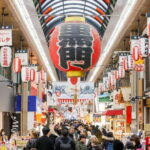
- Stop 2: Karahori Shopping Street for daily-life browsing
- Stop 3: A renovated old-house cafe stop for non-airport souvenirs
- Stop 4: Maruyo-shoten and authentic bonito culture
- Stop 5: Ek Chuah Karahori Kura Main Shop for chocolate that breaks the pattern
- Stop 6: Len – Karahori Residence and renovated-house shopping
- Final stop: a hidden cafe alley with Osaka Castle moat history
- Chieko-san’s local touch: more than facts, it’s how the neighborhood feels
- Etiquette in residential lanes: this tour asks you to be a good neighbor
- Shopping, snacks, and what to do if you get hungry
- Who should book this nostalgic Osaka walk (and who might skip it)
- Should you book this tour?
- FAQ
- How long is the nostalgic Osaka walk?
- How much does the tour cost?
- Are there morning and afternoon options?
- How many people are in the group?
- Does the price include meals?
- What stops are included?
- What if I arrive late?
Quick highlights
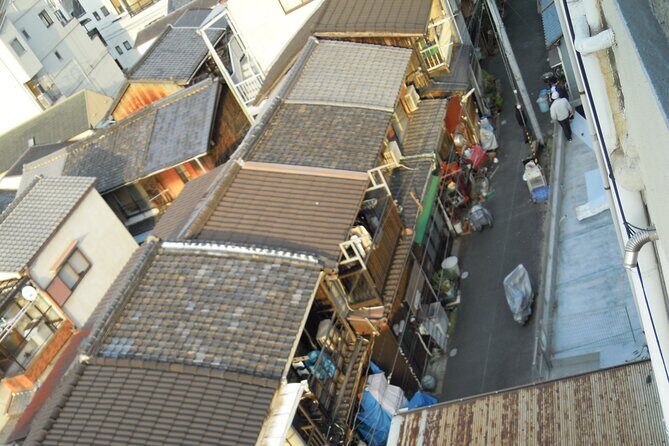
- Karahori over Dotonbori: quiet streets, old houses, and daily shopping rhythm
- Tatami craft at Inoue Seijosho: you’ll see materials and the making process
- Age-old food makers: Maruyo-shoten (est. 1765) for authentic bonito and taste of Osaka trade
- Renovated homes turned shops: café and store stops inside older machiya buildings
- Osaka Castle moat wall (15th century): you get a real sense of the area’s past
- Small group, big attention: max 6 people, plus bottled water and a local guide’s recommendations
Karahori is Osaka’s quiet rewind, not Dotonbori 2.0
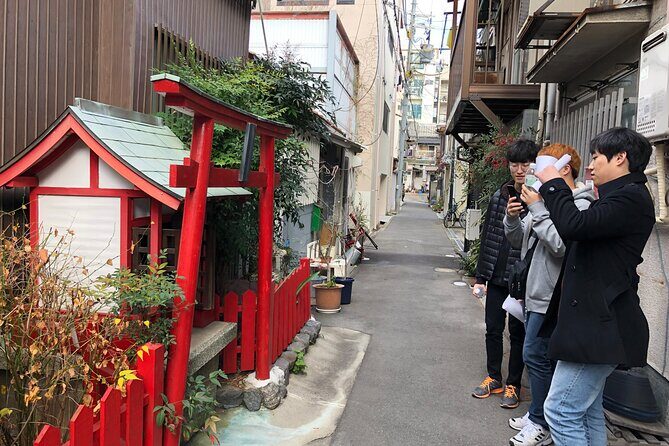
Dotonbori is bright, loud, and easy to find. Karahori is the opposite. It’s calmer and more residential, with that old-Osaka feeling you only get when you slow down and follow a local route.
What I like most is how this walk keeps pulling you away from “big sight, quick photo.” You’re instead learning how Osaka functions at street level: where people shop, how old houses are still used, and how crafts and small stores survive next to modern life. You get the sense that the neighborhood has a memory, and you’re walking through it.
The route is also designed to keep things varied. You’re not stuck in only one kind of place. You’ll bounce between a tatami maker, shopping lanes, renovated cafes, long-running specialty shops, and a view-related stop tied to Osaka Castle’s history.
You can also read our reviews of more walking tours in Osaka



What you actually get for $36.13 (and why it feels fair)
$36.13 for about two hours sounds like a small price, and it is—especially because the “cost” is mostly paying for the guide’s local knowledge and the ability to move through a neighborhood respectfully.
A few value boosters are built in:
- It’s a small-group walk (maximum 6 travelers), so you’re not lost in a crowd.
- You get bottled water.
- Multiple stops include free admission, meaning you’re not paying extra just to enter the places the guide brings you to.
You’re also paying for something harder to price: context. Chieko-san isn’t just listing facts. She points out what you can see right in front of you—details about architecture, the street layout, and why this area looks the way it does.
If your Osaka plan is heavy on popular areas, this is a nice counterbalance. If your Osaka plan is already light and flexible, this is one of the best ways to fill time with something real.
Timing, meeting point, and how the 2-hour loop works
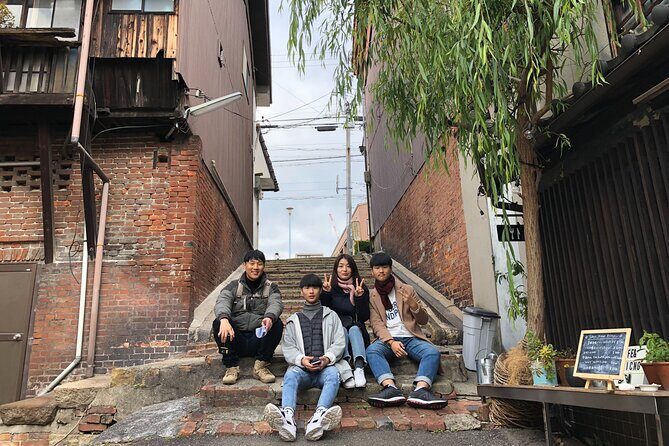
You can pick a morning or afternoon tour to fit your day. The experience runs about 2 hours, and it ends back at the meeting point.
The meeting point is:
6-chōme-2-24 Tanimachi, Chuo Ward, Osaka, 542-0012, Japan
You’ll also have a mobile ticket, so you’re not digging through paper.
This tour is best when you treat it like a guided stroll rather than a strict sightseeing checklist. The pacing matters because you’re walking through smaller lanes and older streets. If you rush it, you miss what makes Karahori special.
Stop-by-stop: tatami, machiya streets, and the Osaka Castle moat line
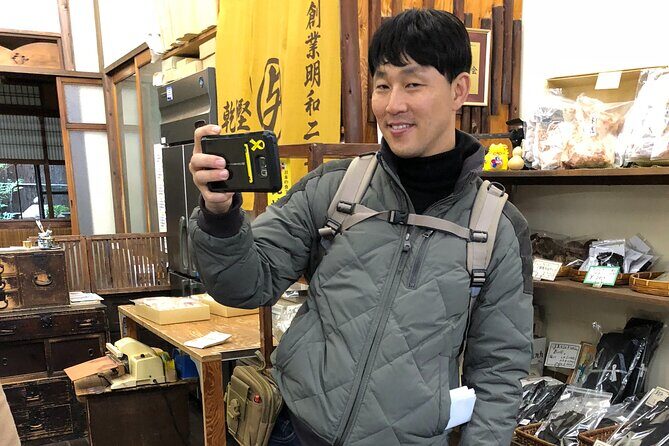
Here’s what you can expect, in the order you’ll experience it.
Stop 1: Inoue Seijosho and the tatami-making reality
This is where the tour switches on your curiosity fast.
At Inoue Seijosho, you’ll see how tatami mats are made—specifically how tatami material is prepared and how the making process works. The shop master shows you the material and the tatami making machine, which is a great moment if you’ve only ever thought of tatami as something you occasionally step on.
Why it’s worth it: tatami is practical, not just decorative. Seeing the process gives you a grounded understanding of a craft that’s still part of everyday Japanese life.





Stop 2: Karahori Shopping Street for daily-life browsing
Next is Karahori Shopping Street, a place built for local routines.
You’ll walk through a shopping lane where daily life doesn’t stop for tourists. It’s also in the Karahori area with nostalgic, historical streets and many machiya houses—some over 100 years old. Even when you’re not shopping, you can watch how people move through the area and what kinds of stores exist here.
Small drawback: because it’s a real neighborhood lane, you should keep your pace respectful and stay mindful around doorways and quiet corners.
Stop 3: A renovated old-house cafe stop for non-airport souvenirs
At クーデリーカフェ (Kouderi Cafe), you’ll step into a cafe housed in a renovated older structure.
The point isn’t just caffeine. The stop helps you connect the area’s past building style with something current—like browsing goods you’re less likely to see at airport souvenir counters.
This is a good time to slow down, look around, and decide what kind of souvenir you actually want. Think small, thoughtful, and local-made rather than mass-produced.
Stop 4: Maruyo-shoten and authentic bonito culture
Then you hit Maruyo-shoten, a bonito shop established in 1765, with over 250 years of history.
This stop is for anyone who loves food culture that’s tied to long-standing trade. You’ll learn what counts as authentic bonito and how the shop’s history connects to that.
Even if you’re not a seafood person, this is still interesting because it shows how specialist shops keep relevance across generations.
Stop 5: Ek Chuah Karahori Kura Main Shop for chocolate that breaks the pattern
At chocolatier Ek Chuah, Karahori Kura Main Shop, the focus shifts from savory to sweet.
The tour frames it as one of the most delicious chocolate shops in Osaka, and the real value here is that it’s part of the Karahori neighborhood experience, not a standalone tourist stop. You’re shopping in an older area where the storefront feels like it belongs to the street—not a theme park set.
Tip: if you plan to buy for friends, this is one of the better places to pick a recognizable, giftable item that still feels local.
Stop 6: Len – Karahori Residence and renovated-house shopping
Next is Len – Karahori Residence, a refurbished commercial complex that uses a traditional house as the basis.
This is where machiya style isn’t only “heritage to look at.” It becomes retail and browsing. You’ll find unique souvenirs and shop experiences that feel connected to the neighborhood rather than copied for visitors.
I like stops like this because they show you what renovation can do when it’s done thoughtfully—old structure, new use.
Final stop: a hidden cafe alley with Osaka Castle moat history
The last part is the most atmospheric.
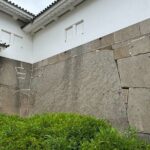
You’ll find a hidden cafe in an alley, and just beside it you can see the original moat wall of Osaka Castle, with parts that remain since the 15th century. That timeline detail matters because it turns a casual alley moment into something you can feel historically—stone and layout that survived for centuries.
Practical note: this final stretch is quiet and narrow. It’s not the place to stop suddenly, take forever, or block foot traffic.
Chieko-san’s local touch: more than facts, it’s how the neighborhood feels
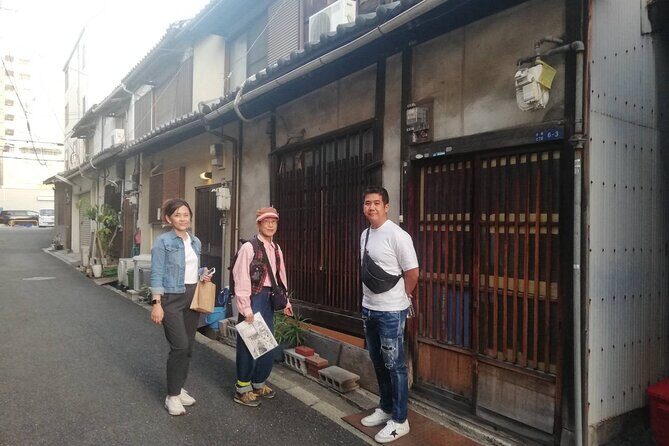
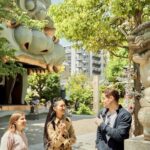
Chieko-san is a key reason this tour works. She doesn’t just translate sights into bullet points. She explains how the neighborhood functions, and she adapts based on what you notice.
A few things you can reasonably expect from the way she guides:
- She shares neighborhood context you can’t Google as fast—why certain streets feel the way they do, and what you’re seeing related to the old layout.
- She helps you understand everyday shopping patterns, not just major landmarks.
- She’s known for tailoring parts of the walk when people have shared interests, including cat-related chats.
One of the best “soft” skills you’ll notice: respectful interaction. The walk is careful around residents. You’ll even see the guide maintain good relations with locals, which is part of why you’re allowed to move through these spaces with confidence.
Etiquette in residential lanes: this tour asks you to be a good neighbor
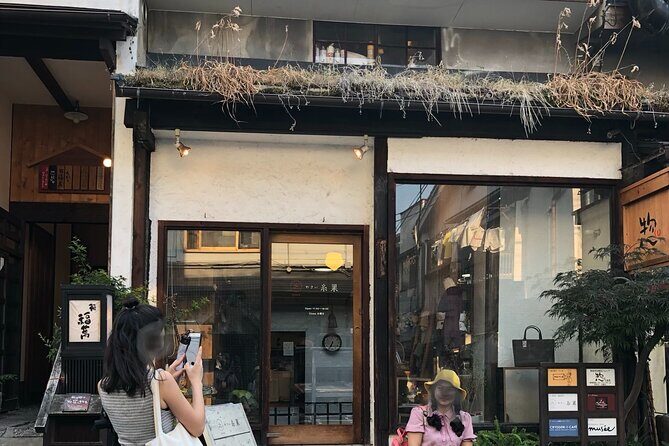
This is an important practical note, and it’s not just for politeness. The route includes hidden paths and lanes where grandpa and grandma still live.
So follow the guide’s instructions closely:
- Don’t disturb residents.
- Don’t linger at doorways or peek into private spaces.
- Keep your voice down and your photos quick.
Also, the tour has a timing rule: if you arrive more than 15 minutes late, you can’t join, since the walk schedule is designed around the group and respecting residents.
If you’re the kind of person who tends to “arrive early-ish but not early,” set an earlier alarm. Osaka transit can be simple, but this tour isn’t a sightseeing bus loop. It’s a neighborhood walk that depends on everyone keeping pace.
Shopping, snacks, and what to do if you get hungry
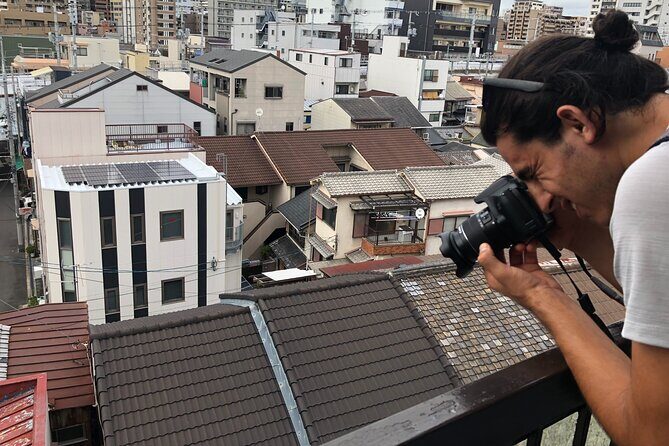
Meals are not included. That means you’ll want to decide in advance whether you’ll eat before or plan to grab something along the way.
You’ll see plenty of shop opportunities, and coffee/tea isn’t included either. The tour includes a bottle of water, which helps, but it’s still smart to bring an extra snack if you’re sensitive to long stretches.
The good news: the stops are designed so you’re not just passing shops. You get time to browse and choose. And because you’re in Karahori—not an airport or mass-market souvenir zone—you’re more likely to find items that feel specific to Osaka.
Who should book this nostalgic Osaka walk (and who might skip it)
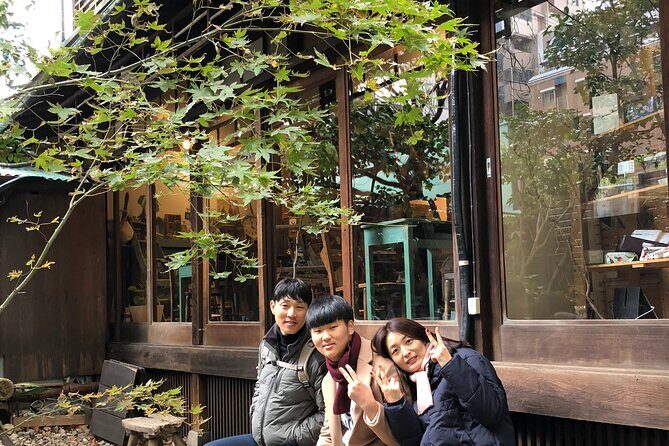
This tour fits best if you:
- Want a quieter Osaka experience that’s totally different from Dotonbori
- Like craft shops, old streets, and neighborhood life over giant attractions
- Can handle a good amount of walking, including slight uphill/downhill
- Enjoy small-group tours where you can ask questions and not feel rushed
Consider skipping (or pairing it with a lighter day) if you:
- Don’t handle walking well and prefer mostly flat, low-step areas
- Want a fast, high-icon “must-see” checklist like you’d get with major sites
- Hate narrow lanes and close-quarters walking through residential streets
If you’re visiting in a season with bad weather, it’s also worth knowing the tour requires good weather. If it’s canceled due to weather, you’ll be offered another date or a full refund.
Should you book this tour?
Yes, if you want Osaka with texture. This is one of those walks where you come away with more than photos—you learn how the neighborhood works, and you pick up crafts and souvenirs that feel connected to real life.
Book it especially if you’re already hitting Dotonbori and want the other side: older streets, long-running specialists like Maruyo-shoten (1765), a real look at tatami making at Inoue Seijosho, and that calm final moment by the 15th-century Osaka Castle moat wall.
Skip it if walking-heavy routes and residential lanes make you nervous. This tour is respectful and rewarding, but it’s still a neighborhood walk, not a ride with stops every 10 minutes.
FAQ
How long is the nostalgic Osaka walk?
It runs about 2 hours.
How much does the tour cost?
The price is $36.13 per person.
Are there morning and afternoon options?
Yes. You can choose either a morning or an afternoon tour to match your schedule.
How many people are in the group?
The tour has a maximum of 6 travelers.
Does the price include meals?
No. Meals are not included. Coffee and/or tea are also not included, so you’ll need to buy them yourself if you want them.
What stops are included?
The tour includes stops such as Inoue Seijosho (tatami), Karahori Shopping Street, Kouderi Cafe, Maruyo-shoten (bonito), chocolatier Ek Chuah Karahori Kura Main Shop, Len – Karahori Residence, and a final hidden cafe area by the Osaka Castle moat wall.
What if I arrive late?
If you are late by more than 15 minutes, you can’t join the trip so the guide can respect the schedule for other guests.