REVIEW · TOKYO
Mount Fuji-Lake Kawaguchi Private Tour with Bilingual Driver
Book on GetYourGuide →Operated by Tour Japan · Bookable on GetYourGuide
Mt. Fuji feels closer on a private day trip. This 10-hour route links the Fuji Five Lakes region with the photo stops people dream about, plus caves and a lake cruise option, all in one smooth plan with an English-speaking driver. You’re not stuck juggling trains, which means more time spent looking up instead of checking apps.
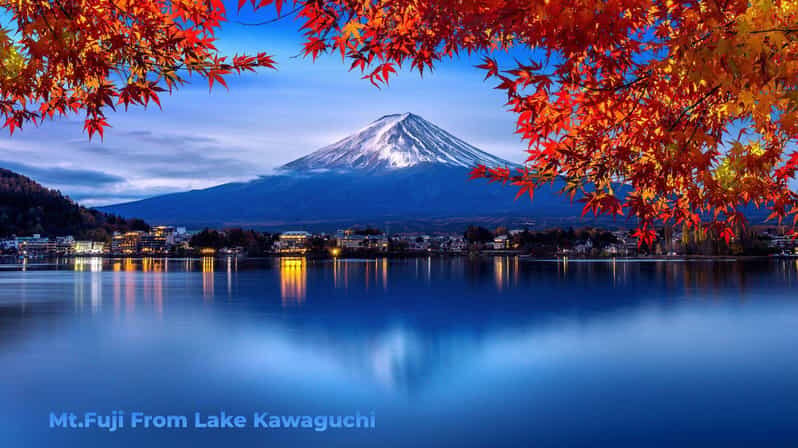
Two things I really like: first, the chance at jaw-dropping Mt. Fuji views around Kawaguchiko and the surrounding lakes. Second, the bilingual driver approach makes the day more than a checklist. When you can ask questions and get clear guidance, the sights click faster and you notice more than just the postcard angles.
One consideration: the views depend on weather and road conditions, and that can change how much you see from certain vantage points. On a day when conditions didn’t cooperate, the driver still worked hard to make it a great day, but you should expect Fuji to have moods.
In This Review
- Key points to know before you go
- A private Fuji day that feels built for real viewing
- Pickup, timing, and why the 10-hour structure matters
- Chureito Pagoda and Oshino Hakkai: the Fuji classics, close together
- Arakurayama Sengen Park: steps through cedar, views that earn the climb
- Ice Cave and Wind Cave: volcanic tubes that break up the routine
- Lake Kawaguchi and the five-lakes viewpoint area
- Mt. Fuji 5th Station: optional, weather-driven, and ticket rules
- Price and logistics: what $445 for up to 5 really buys
- The English driver difference: more than translation
- Who this tour suits best (and who might want to DIY)
- Should you book this Mount Fuji–Lake Kawaguchi private tour?
- FAQ
- How long is the Mount Fuji–Lake Kawaguchi private tour?
- Where can the tour pick me up and drop me off?
- Is this tour a private group?
- What’s included in the price?
- What fees should I expect to pay separately?
- Can the Mt. Fuji 5th Station stop be skipped?
Key points to know before you go
- Private luxury car for up to 5: your group only, with a driver who handles the driving and timing
- English-speaking guidance: easier explanations at each stop, plus smoother pacing between viewpoints
- Classic Fuji photo stops: Chureito Pagoda and Arakurayama Sengen Park are built for dramatic angles
- Volcanic caves without the grind: Narusawa Ice Cave and Fugaku Wind Cave add variety beyond lakes and temples
- Kawaguchiko time with options: ropeway and lake activities may work in the schedule
- Mt. Fuji 5th Station is optional: timing and conditions decide whether you can go up
A private Fuji day that feels built for real viewing
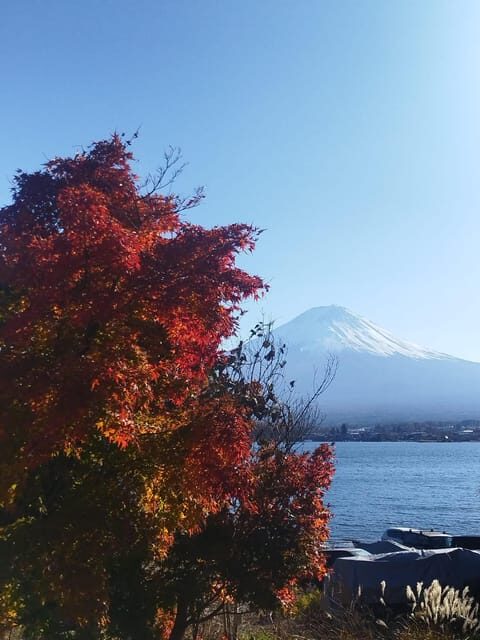
Mount Fuji is one of those places where timing matters. On a DIY day, you spend energy figuring out transport and then you rush the stops. Here, you’re paying for the opposite: a driver, a car, and a plan that moves between standout spots without you needing to micromanage the day.
The biggest advantage is pace. Chureito Pagoda, Oshino Hakkai, Sengen Park, cave sites, and Lake Kawaguchi are all doable in one day, but only if someone else is handling the flow. You also get a friendly English-speaking driver who can point out what to watch for, how to move efficiently, and what might be worth your time if the view window is short.
And yes, this is still a sightseeing day. Expect walking, stairs, and cool-to-cold weather at higher elevations. But it’s the good kind of tired.
You can also read our reviews of more private tours in Tokyo


Pickup, timing, and why the 10-hour structure matters
This is a 10-hour tour with hotel pickup and drop-off in Tokyo’s 23 wards, plus pickup/drop-off from Haneda Airport. You’ll be picked up from your hotel lobby (or a designated Tokyo location) and the driver waits up to about 15 minutes after the scheduled time.
That matters because a Fuji day can be fragile. Traffic, weather, and daylight all change the outcome. With a fixed 10-hour window, your driver has to make choices, and the itinerary is designed to hit the most famous spots while leaving room for viewing opportunities.
Also, remember the “private group” detail. This isn’t you squeezed into a mixed shuttle. It’s your group in the car, which helps if you want to take extra photos at a viewpoint or slow down at a shrine.
Chureito Pagoda and Oshino Hakkai: the Fuji classics, close together
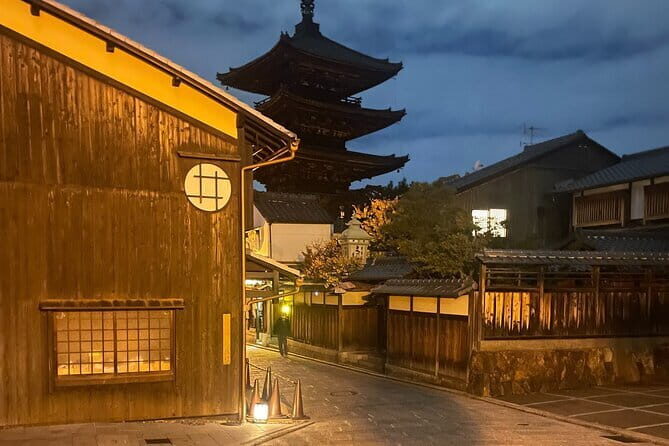
Your day starts with Chureito Pagoda, a small shrine area anchored by a five-tier pagoda and an observation deck that’s known for clean views toward Mount Fuji. The setting is famous for a reason: you get layers of structure and perspective, and on clear days it’s the kind of scene that almost looks staged.
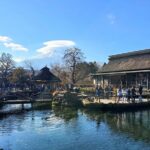
Then you move to Oshino Hakkai, a village in the foothills area known for spring water linked to Mount Fuji. This is a different feel than the pagoda stop. Instead of a single iconic angle, you get a laid-back water-and-courtyard vibe with multiple ponds in the network. It’s also the kind of place where the driver can help you decide where to spend your time so you don’t end up walking in circles.
Practical note: Chureito involves a decent number of stairs. Wear shoes you’re comfortable with for repeat steps, not just one quick stroll.
Arakurayama Sengen Park: steps through cedar, views that earn the climb
Next up is Arakurayama Sengen Park, also closely tied to Fuji faith traditions and the old climbing route mindset. This stop is built around a long climb of stairs lined with cedar trees and stone lanterns, leading to a shrine viewpoint with dramatic sightlines.
What I like about this part of the day is the mix of atmosphere and payoff. You’re not just moving between attractions. You’re stepping through a historically meaningful approach path that gradually “opens” into the big view. Even if Fuji is partly hidden, the experience still makes sense because you’re walking into the viewpoint deliberately.
One small drawback: if weather is bad (low clouds or rain), stairs and observation decks can feel less worth it. The good news is that your driver can often shift the timing and choose the best windows for sightlines.
Ice Cave and Wind Cave: volcanic tubes that break up the routine
After shrines and ponds, the day gets more geologic. You’ll visit Narusawa Ice Cave, a lava tube inside the Aokigahara forest area. It’s a natural cave system with a cool, different feel than the open air stops.
Then comes Fugaku Wind Cave, another lava tube on the northern foot of Mount Fuji, known as one of the largest of these tube systems in the Aokigahara forest region.
These two cave stops are valuable because they prevent the day from turning into only “lake + shrine + photo.” They also give you interior time on days when wind or rain makes outdoor viewing uncomfortable. If you’re trying to balance a Fuji day for variety, caves are the easiest win.
Quick reality check: cave visits are short on purpose in a one-day plan. Don’t expect a long guided exploration unless you’ve budgeted extra time. Go in ready to absorb the atmosphere and take your photos quickly.
A few more Tokyo tours and experiences worth a look

Lake Kawaguchi and the five-lakes viewpoint area
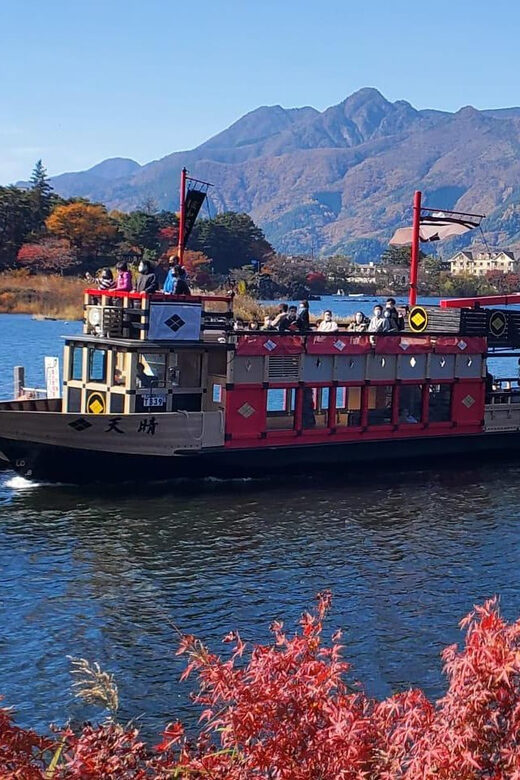
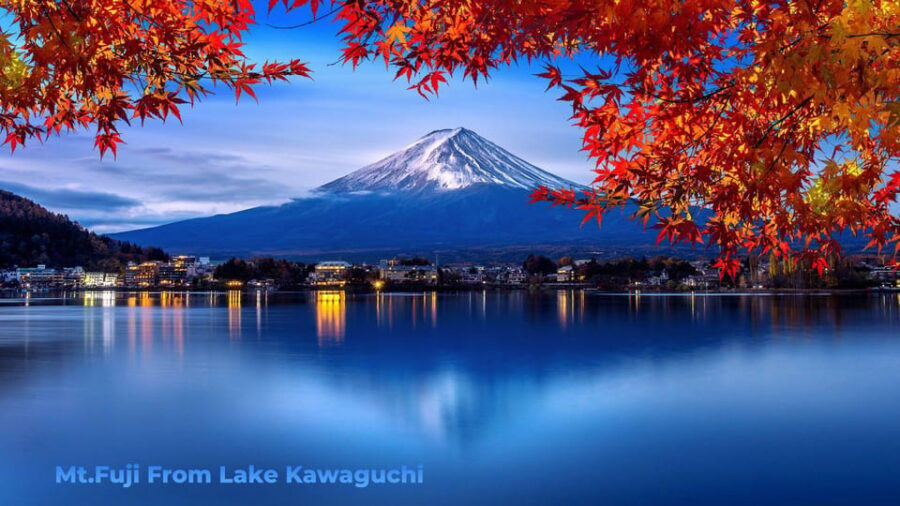
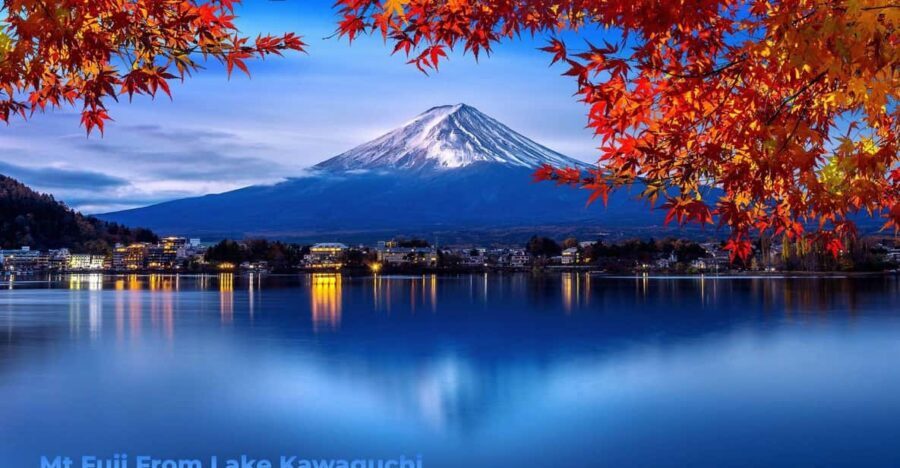
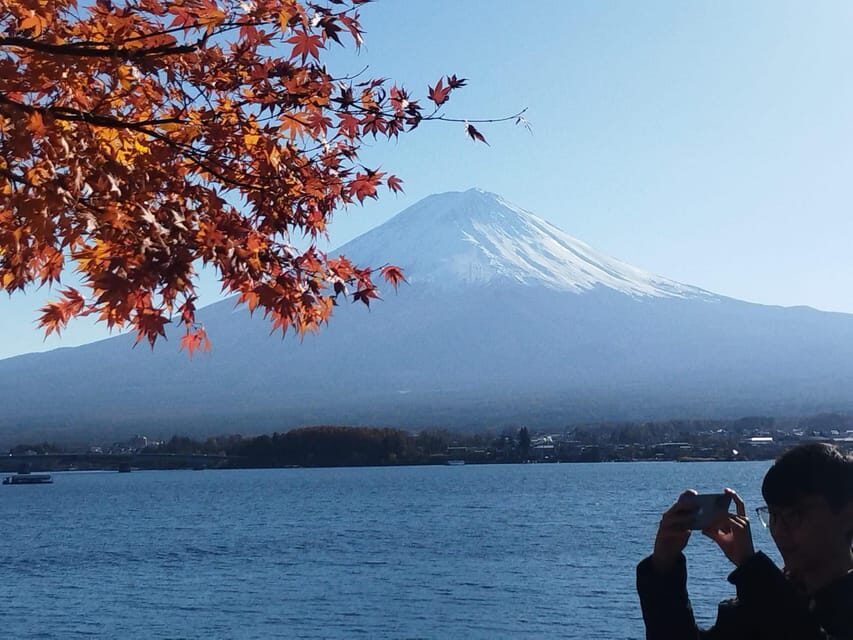
The day’s main scenic stretch comes around Lake Kawaguchi (Kawaguchiko-machi). This is where you typically get the wide views toward the Fuji Five Lakes area, with the chance to see Mount Fuji through the different lakes’ perspectives.
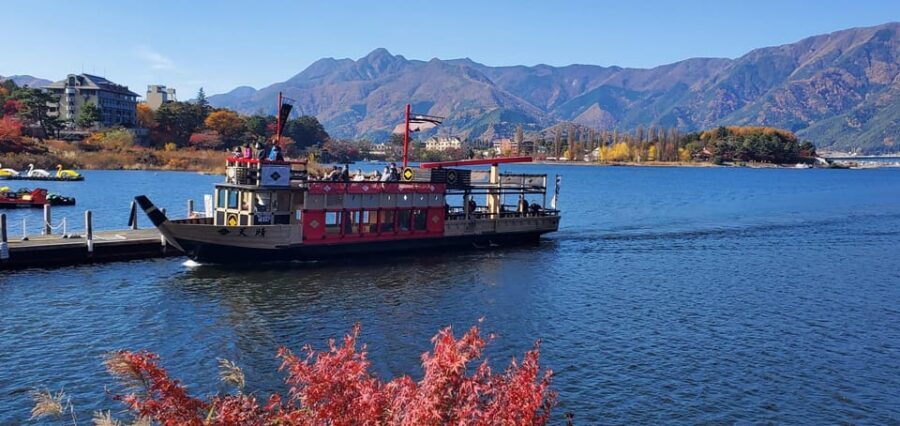
The tour description also calls out a cruise and ropeway options around the lake, depending on the schedule. If you can fit them, they help because they change your angle. At water level (or from above via ropeway), you’re less likely to end up shooting from the exact same spot as everyone else.
Lunch is usually easiest here, and it makes sense. You’re already in the heart of the lakes region, and there are restaurants around the area. If Fuji’s not showing clearly, this is still a strong time to reset, eat something local, and get back outside with fresh energy.
Also worth noting: the day includes Saiko Iyashi no Sato Nemba, a reconstructed traditional Japanese village setting on Lake Saiko. This stop adds cultural texture between the more dramatic view points. It’s especially useful if you want something more than sightseeing photos, something tactile like traditional houses and the option to rent traditional clothing.
Mt. Fuji 5th Station: optional, weather-driven, and ticket rules
A highlight for many people is the Mt. Fuji 5th Station option near the Yoshida Trail. It sits around 2,300 meters, so you can sometimes see Fuji Five Lakes and, on select days, a sea-of-cloud look.
The most important thing to know is that this stop is subject to weather and highway conditions. That means it might happen smoothly, or it might be adjusted or skipped depending on what the day allows. If you’re traveling in a season with frequent clouds or rain, build your expectations around flexibility.
Also: the Mt. Fuji 5th Station entrance fee is excluded and is listed as 2,100 JPY per vehicle. Since it’s per vehicle, how that cost feels depends on how many people are in your group.
If you do make it up, take time for the “Fuji foods” angle mentioned in the tour details. Local treats shaped around Mt. Fuji are a fun part of the experience, and eating them at altitude makes it feel like more than a gimmick.
Price and logistics: what $445 for up to 5 really buys
At $445 per group up to 5, this tour can be surprisingly good value if you’re traveling with friends or family. Here’s the simple math: if you fill all five seats, it works out to roughly $89 per person for a full day with a private luxury car, driver, tolls/fuel, and passenger insurance.
Compared to piecing together taxis or multiple rides, you’re also paying for reduced stress. You’re buying route planning, timing, and the ability to keep moving without the “we’re late, so we’ll skip the best part” effect.
What’s not included is also clear:
- Parking fees and entrance fees at attractions
- Food and drinks
- Mt. Fuji 5th Station entrance fee (2,100 JPY/vehicle)
- Any extra costs if you need an added hour (listed as 5,000 JPY/hour)
That means the real total cost for you depends on how many paid entrances you choose and whether you go to the 5th Station. Still, you’ll know the biggest predictable extra up front.
The English driver difference: more than translation
One standout from actual experiences is how much the guide’s personality matters when the day gets complicated. On a day when the weather didn’t cooperate, the driver still aimed to make the best of it. Another guest highlight called out a driver/leader named Maz for going out of his way with details and ideas, and that matters on a Fuji day.
Why? Because a clear view can vanish in minutes. If you have someone guiding you on where to stand, when to move, and what to prioritize, you lose less time and you walk away feeling the day made sense.
So if you care about learning while you tour, this kind of bilingual setup is one of the best parts of the whole concept.
Who this tour suits best (and who might want to DIY)
This tour fits you well if:
- You want Mount Fuji + Kawaguchiko in a single day without switching transport
- You’re traveling with up to five people and want private comfort
- You value English guidance so shrines, villages, and cave stops feel connected
- You don’t want to chase opening times or plan routes across multiple towns
You might consider a simpler option if:
- You only want one or two major stops and plan to take your time
- You enjoy long public transit days and don’t mind figuring things out yourself
- You’re traveling solo on a tight budget and don’t mind more logistics
In other words: this is for people who want a strong day with minimal friction.
Should you book this Mount Fuji–Lake Kawaguchi private tour?
If you want Mount Fuji’s best angles plus Kawaguchiko-area variety in one clean plan, I think this is a strong choice. The private luxury car and English-speaking driver do a lot of the heavy lifting, and the mix of pagoda views, spring-water ponds, volcanic caves, and lake time keeps the day from feeling repetitive.
Book it if you can be flexible about weather and possibly the Mt. Fuji 5th Station portion. If you expect perfect visibility every minute of the day, you’ll always be disappointed anywhere in Japan. If you accept that Fuji changes, you’ll likely come home with a full, memorable day.
FAQ
How long is the Mount Fuji–Lake Kawaguchi private tour?
The total duration is 10 hours.
Where can the tour pick me up and drop me off?
Pickup and drop-off are included for hotels within Tokyo’s 23 wards and also for Haneda Airport. The drop-off is the same locations as pickup.
Is this tour a private group?
Yes. It’s a private group tour, and your group will travel in a luxury car.
What’s included in the price?
Included are hotel pickup and drop-off (within Tokyo’s 23 wards and Haneda Airport), a luxury car, an English-speaking driver, tolls and fuel, and passenger insurance.
What fees should I expect to pay separately?
Entrance fees are not included for guests. The Mt. Fuji 5th Station entrance fee is listed as 2,100 JPY per vehicle. Parking fees and food and drinks are also not included.
Can the Mt. Fuji 5th Station stop be skipped?
Yes. Mt. Fuji 5th Station is described as optional and is subject to weather and highway/road conditions.