REVIEW · KYOTO
Treasures of Kyoto: Gion & historical Walking Tour
Book on GetYourGuide →Operated by Guydeez Tours · Bookable on GetYourGuide
Gion at night can feel like a movie set you can walk into. This 3-hour guided walking tour is built for people who want the big sights and the quieter lanes, with a local-style game plan you can reuse for the rest of your Kyoto days. I especially love the way the guide turns streets into stories, and how you get practical ideas beyond the walk itself. The route is also tight enough to feel efficient, not rushed chaos.
My only caution: this is a walking experience, so you’ll want comfy shoes and a little patience for slow moving crowds around the most popular stops like Hanamikoji Street and Yasaka Shrine.
In This Review
- Key highlights worth your time
- Gion after dark: why 3 hours hits the sweet spot
- Meeting at 213 Nakanochō: a starting point that keeps you close to the action
- Pontocho Park: your first photo stop, and the tone is set
- Nene-no-michi: a lane that teaches you how Gion “works”
- Izumo-no-Okuni statue: history with a human-scale story
- Chion-in: when Gion’s calm meets a major temple complex
- Maruyama Park: people, ritual vibes, and a pause in the flow
- Hanamikoji Street: the signature Gion lane (and what to do with your attention)
- Yasaka Shrine: Gion’s spiritual anchor
- Shijo-dori and Kyoto Minami-za: ending with a wider-night Kyoto view
- The guides really matter: advice that makes your whole Kyoto trip better
- Price and value: $44 for focus, pace, and smart routing
- Who should book this Gion night walk
- Should you book this tour?
- FAQ
- FAQ
- Where is the meeting point?
- How long is the tour?
- What’s the group format like?
- What languages are available for the live guide?
- Is it mostly walking, or does it include transport?
- Are food and drinks included?
- Can I expect to see geiko or maiko?
- Is there an option to pay later?
- Is the cancellation flexible?
- Do I need to choose a specific start time?
Key highlights worth your time
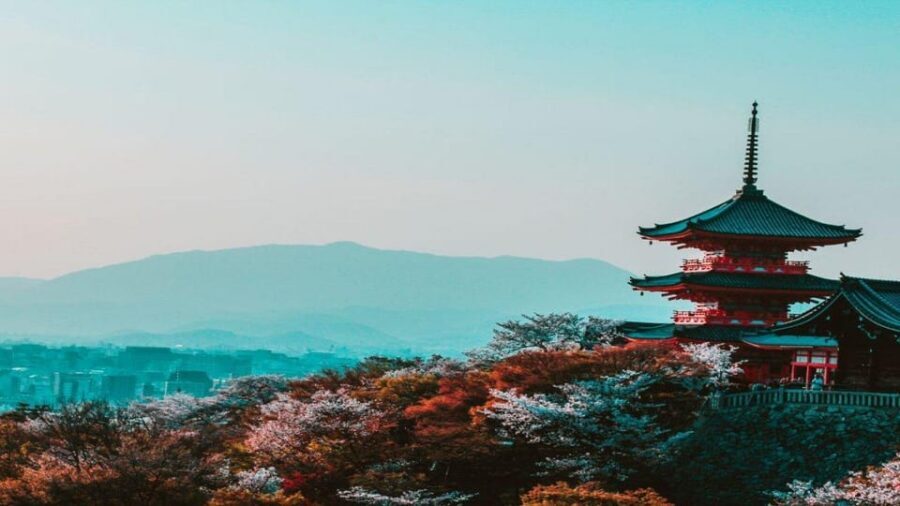
- Small-group or private format that keeps questions easy and the pace human
- Lantern-lit Gion night atmosphere that makes even a short visit feel like a proper evening
- Guide-led context for geiko and maiko culture, plus what to notice (and what to skip)
- Iconic stops plus sidestreets so you’re not stuck only in the postcard zone
- Multiple languages (English, French, Spanish, Italian), which matters in Kyoto
- A finish with city-night perspective thanks to a stop near Minami-za and Shijo-dori
Gion after dark: why 3 hours hits the sweet spot

Kyoto is famous for temples. But in Gion, it’s the tempo that grabs you. After sunset, the district shifts from daytime sightseeing mode into something calmer and more cinematic—lanterns glow, streets narrow, and the whole area feels designed for slow strolling.
This tour is a good match if you only have a limited window. Three hours is long enough to see the key landmarks and still have time to absorb details, but short enough that you won’t spend the whole evening shuffling between far-flung neighborhoods. You’ll also get more out of it because the guide’s focus is on what to look for as you walk—street design, signage, temple customs, and the everyday rules that keep the area respectful.
One more thing I like: the tour doesn’t pretend you’re learning everything about Kyoto in one night. Instead, it sets you up with a base understanding and a list of smart next steps. That’s where good guiding pays off.
You can also read our reviews of more walking tours in Kyoto


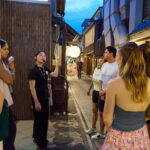
Meeting at 213 Nakanochō: a starting point that keeps you close to the action

You meet at 213 Nakanochō, Higashiyama Ward, Kyoto. That matters because being close to Higashiyama’s traditional lanes means you’re not wasting time commuting into the historic zone.
In practice, this kind of meeting point helps in two ways:
- You start walking with energy instead of transit fatigue.
- You’re already in the right neighborhood for the cultural vibe to feel real, not like you arrived, parked, and then hurried off again.
If you prefer the kind of Kyoto where you recognize streets as you go, this is a helpful launch pad. It also makes it easier to pair the walk with earlier evening plans—dinner nearby, or a later return to one stop you liked most.
Pontocho Park: your first photo stop, and the tone is set
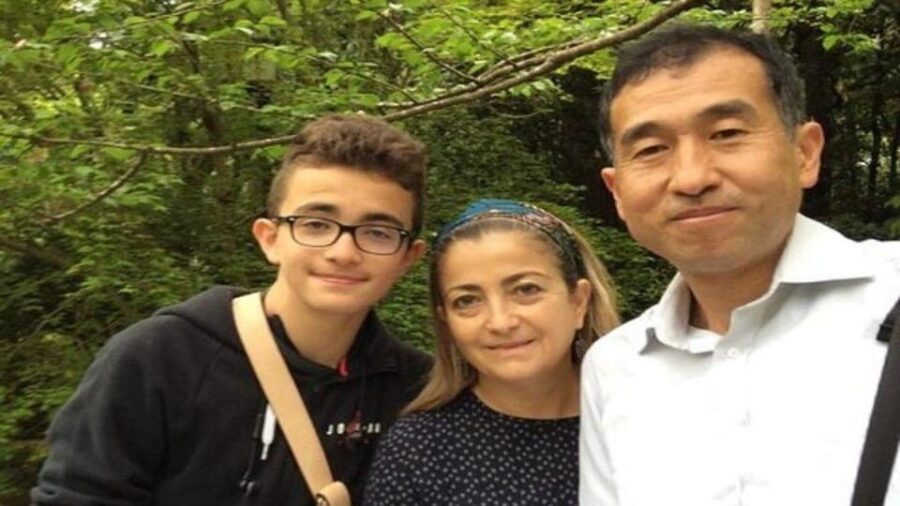
The walk begins with a stop at Pontocho Park. Expect a photo moment and a guided orientation as you move along. This is a classic “get your bearings” type of stop. You’re learning where the lanes lead, how the street feels at night, and what the guide considers important to notice—so later stops land harder.
What’s good here is timing. You’re early enough that the area still feels manageable. Even if you do run into crowds later, you’ll feel less lost because you’ve already seen how the neighborhood flows.
If you’re a photographer, this is also a nice early win. Lantern-light scenes tend to look better once you’ve adjusted your eyes and camera settings to the low light. Doing it early helps.
Nene-no-michi: a lane that teaches you how Gion “works”
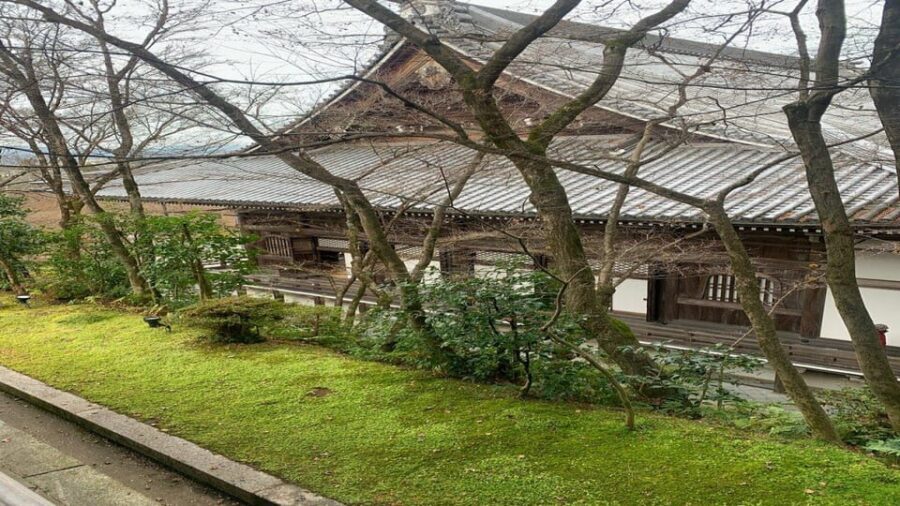
Next up is Nene-no-michi, another photo stop with guided touring. Lanes like this are the point of Gion. They’re narrower, more atmospheric, and they show you how daily life and tradition can coexist in a small space.
This is where a guide makes a real difference. Without context, you might just walk through. With context, you start noticing:
- how the street frames buildings and entrances,
- how people move through the area,
- and what details suggest the district’s cultural identity.
It’s also a spot where you’ll likely slow down naturally. Kyoto does that to you—once you’re in the small-lane rhythm, it’s hard to rush.
Izumo-no-Okuni statue: history with a human-scale story
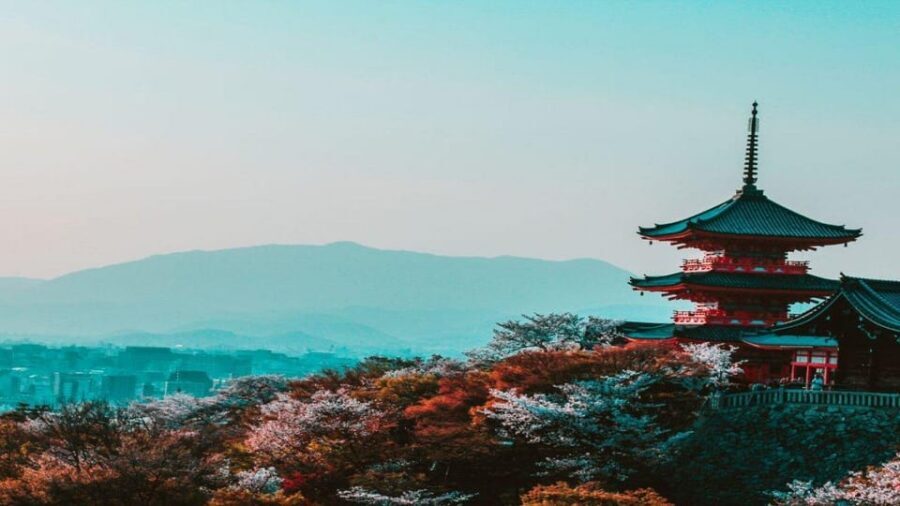
You’ll make another stop for a look at the Statue of Izumo-no-Okuni. This is one of those “small moment, big meaning” stops. The point isn’t just the photo—it’s connecting the cultural dots. Gion isn’t only about streets and lanterns. It’s connected to performance traditions and the broader history of entertainment in Kyoto.
The guide’s narration here matters because it’s easy to treat statues like background decoration. When the explanation is clear, you see how a public landmark can carry a cultural thread into modern neighborhood life.
You can also read our reviews of more historical tours in Kyoto

Chion-in: when Gion’s calm meets a major temple complex
Then the tour moves to Chion-in, with a guided visit and photo opportunities.
Chion-in shifts the mood. You go from neighborhood lanes to a larger, more monumental spiritual setting. Even if you’re not a temple superfan, the contrast is useful. It helps you understand that Gion sits inside a Kyoto where religious sites and cultural districts are intertwined.
What to watch for: the way scale changes your walking pace. On a temple visit, you naturally slow down. That’s not wasted time—it’s part of the value. It balances the evening so you’re not only chasing lantern photos. You’re also learning how Kyoto’s sacred spaces shape the atmosphere of surrounding neighborhoods.
Maruyama Park: people, ritual vibes, and a pause in the flow

After Chion-in comes Maruyama Park. Like the earlier stops, it includes a photo stop and guided touring. This is one of the places where you can see Kyoto as lived-in, not only as a museum piece.
Parks in historic city districts often act like social breathing spaces—places where locals and visitors mingle while still staying close to traditional settings. In the context of a Gion walking evening, it works as a mid-route reset. You get a chance to regroup, take a breath, and let the stories from earlier stops settle before you hit the busiest cultural hotspots.
Hanamikoji Street: the signature Gion lane (and what to do with your attention)
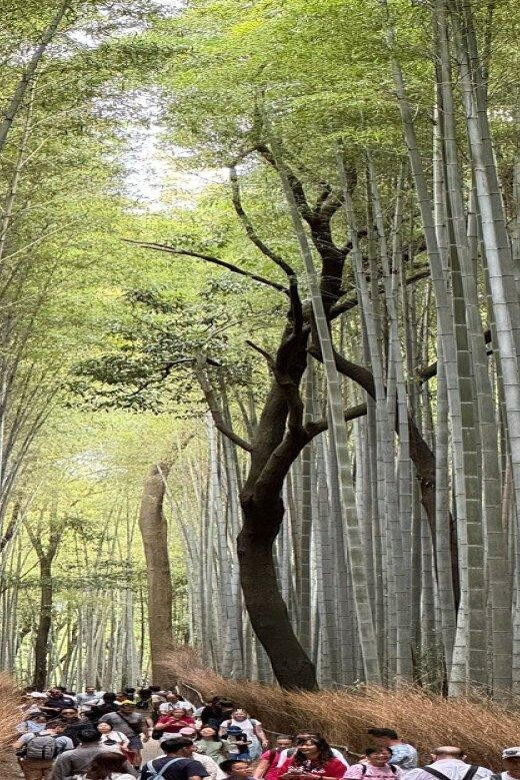
One of the big stops is Hanamikoji Street. This is the postcard street people recognize. But the reason it’s still worth it is that a guided walk changes the street from scenery into insight.
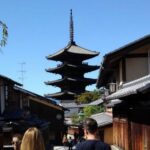
Hanamikoji Street is closely associated with the traditional geiko and maiko world. You’ll walk through the well-preserved lanes and learn what to look for—signals that hint at where to be respectful, where to keep your voice down, and how to observe without turning the street into a spectacle.
This is also one of your best chances for seeing geiko or maiko in the evening, but keep expectations grounded: the possibility is noted as subject to availability. Even if you don’t spot someone, you can still come away with a stronger sense of what the district represents and why the details matter.
Practical note: this is also where crowds can thicken. If you’re the kind of person who gets stressed by foot traffic, go with a calm mindset and let the guide help you position yourself.
Yasaka Shrine: Gion’s spiritual anchor
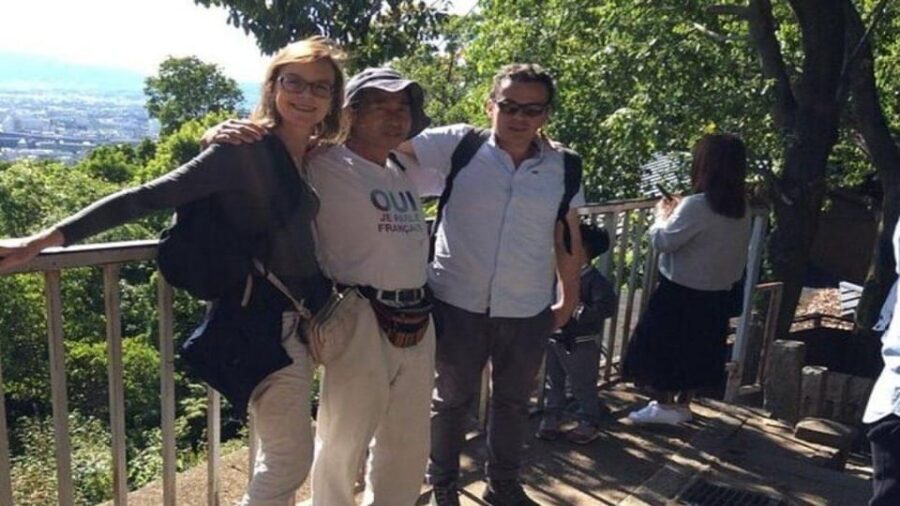
Next is Yasaka Shrine—photo stop, guided visit, and sightseeing time.
Yasaka Shrine is more than a stop on a map. In Gion, it acts like an emotional anchor. When you reach it, the atmosphere makes more sense: lantern aesthetics, neighborhood identity, and the deeper cultural structure all connect.
The guide’s role here is important because shrines can feel abstract if you only look at them as architecture. With clear explanations, you understand what you’re seeing and why people pay attention to certain areas, rituals, or directions.
Also, being near the shrine in the evening can feel special. It’s not only about beauty. It’s about timing and mood: the evening light changes how crowds move, and the shrine grounds can feel quieter once you get the rhythm.
Shijo-dori and Kyoto Minami-za: ending with a wider-night Kyoto view
The walk finishes with stops along Shijo-dori and Kyōto Minami-za (photo stop and guided sightseeing).
This ending is smart. After walking through Gion’s tight lanes and shrine atmosphere, you shift to a more city-scale view. It helps you transition from traditional focus to real-world Kyoto energy—where dinner lines, street activity, and evening entertainment all overlap.
Kyōto Minami-za is included for a reason: it connects the evening to Kyoto’s performance culture. Even if you don’t attend a show that night, seeing the location adds context. You start to recognize that this city’s culture isn’t trapped behind gates—it’s woven into places people go for entertainment and community.
Shijo-dori is also helpful for orientation. When you finish on a more connected street, it’s easier to plan your next move—whether that’s heading to dinner, finding a drink, or returning to one earlier spot you want to see again.
The guides really matter: advice that makes your whole Kyoto trip better
The reviews for this tour put the guide front and center, and that checks out with how the experience is structured. People specifically praised guides like Raphaël, who explained maiko and geiko culture clearly, and also mentioned the guides’ warmth and patience. Others highlighted the usefulness of extra recommendations—like getting additional visit ideas beyond the walking route—and that kind of advice is what turns a tour from a checklist into a tool.
You’ll also notice that the tour is offered in English, French, Spanish, and Italian. That matters in Kyoto. You want enough language accuracy to understand customs and avoid awkward misunderstandings. A strong guide helps you keep the night respectful and more enjoyable.
Finally, the guide’s job is not only to talk. It’s to keep your time organized so you see the main sights you came for without spending your evening lost in the wrong lane.
Price and value: $44 for focus, pace, and smart routing
At $44 per person for about three hours, the value is in what you get per minute. This price includes the walking tour and public transport (unless you pick the option that changes transport inclusion). In a city like Kyoto, saving time and not having to figure out the route on your own can be worth real money.
Here’s how I think about the price:
- You’re paying for guided interpretation, not just access to landmarks.
- You’re paying for a tight route through high-demand areas in a short timeframe.
- You’re paying for a guide’s local recommendations, which can reduce wasted time on the wrong plan later.
The only extra costs you should budget for are food and drinks, since those aren’t included. But even that can be a benefit: you’re not forced into a stop that doesn’t fit your tastes. You can pick your meal after the tour based on what the guide suggests and where you end up.
Who should book this Gion night walk
This is a strong fit if you:
- have limited time in Kyoto and want a focused evening plan,
- want to see the main Gion sights plus smaller lanes,
- prefer a private or small group feel,
- and like the idea of learning cultural context, including what to watch for with geiko and maiko (again, subject to availability).
It may be less ideal if you hate walking at night or you struggle with crowds around the most famous streets. In that case, it still might be worth it, but go in prepared—plan for comfy shoes and a slower pace.
Should you book this tour?
If you want an easy, structured way to experience Gion at night without spending hours planning, I think booking makes sense. The biggest reason is the combination of key sights and guide-led advice—the kind that helps you keep seeing Kyoto well after the tour ends.
Book it if you’ll appreciate clear explanations and want a short evening that feels purposeful. Skip it only if you’re looking for a long, deep study of one temple or you don’t want crowds or walking. For a 3-hour Gion evening plan, this one is built for value.
FAQ
FAQ
Where is the meeting point?
You meet at 213 Nakanochō, Higashiyama Ward, Kyoto, 605-0075, Japan.
How long is the tour?
The tour duration is 3 hours.
What’s the group format like?
The tour is offered as a private tour or a small group.
What languages are available for the live guide?
Live guides are available in English, French, Spanish, and Italian.
Is it mostly walking, or does it include transport?
It’s a walking tour with public transport included except if you select an option where transport is not included.
Are food and drinks included?
No. Drink or food is not included.
Can I expect to see geiko or maiko?
There’s a possibility of catching a glimpse of a geiko or maiko, but it’s subject to availability.
Is there an option to pay later?
Yes, you can reserve now & pay later.
Is the cancellation flexible?
Cancellation is free up to 24 hours in advance for a full refund.
Do I need to choose a specific start time?
You can check availability to see starting times.