REVIEW · TOKYO
Craft Your Own Elegant Handmade Chopsticks from Scratch
Book on Viator →Operated by 株式会社U-NEXT HOLDINGS · Bookable on Viator
Scented cedar, patient tools, and your own pair. This hands-on Tokyo class turns hinoki/cypress wood into chopsticks shaped around you, in a quiet Sasazuka workshop you can reach easily from Shinjuku. You also have an optional add-on that takes you into the normally off-limits lacquer workshop for a real look at how Japanese lacquer culture gets made.
What I like most is the combo of personalized craft and real guidance. You’re not just watching a demo—you carve, smooth, and finish chopsticks with careful instruction, and you can tailor the feel for your hand size and even how you plan to eat (think sushi, tempura, ramen, and more). And because English support is available (including translation help from Amy and the team), you won’t feel lost while the maker explains the why behind each step.
The only real drawback is that this is a true workshop. If you want sightseeing without getting your hands involved, you may not love sanding and shaping in a focused session.
In This Review
- Key things to know before you go
- Sasazuka is the Tokyo sweet spot for craft lovers
- Kakehashi: where chopsticks are made, explained, and sold
- 55 minutes of carving: shaping chopsticks to your hand
- Sanding and finishing: the part people rush, but you shouldn’t
- Camellia oil and your new daily-use mindset
- The optional lacquer add-on: a rare workshop experience
- What the schedule feels like in real life
- Price and value: why $97.98 can be worth it
- Who should book (and who might not love it)
- Small-group charm, thanks to the English support
- So, should you book it?
- FAQ
- How long is the chopstick-making experience?
- Where do I meet for the tour?
- What exactly do I make and take home?
- Are the chopsticks made from hinoki/cypress wood?
- Is there an optional lacquer coating experience?
- Is an English-speaking guide available?
- Is transportation included?
- Are meals included?
- How big is the group?
- Can I cancel for a full refund?
Key things to know before you go
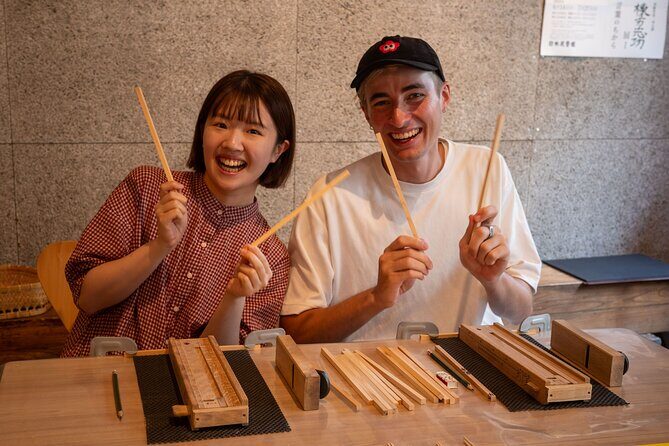
- A small group (max 6) means more attention as you carve and shape your pair
- You make your own chopsticks from hinoki/cypress, then take them home
- English support is available, including translation help from Amy and the team
- Optional lacquer coating experience includes a tour of a normally off-limits lacquer workshop
- You learn what different chopstick types are for, including food like sushi and tempura
Sasazuka is the Tokyo sweet spot for craft lovers
Sasazuka feels more local than the big-name tourist zones. You meet at Sasazuka Station, then take a short ride (about 10 minutes) to the shop and workshop called Kakehashi. From Shinjuku, it’s just a quick hop, so you get the best of both worlds: easy access with a calmer neighborhood pace once you arrive.
Timing matters here because the whole experience runs about 2 hours. Starting at 1:00 pm, it slots neatly between lunch and your evening plans. And the fact you use a mobile ticket makes it simple: fewer forms, fewer steps, more time focused on the craft.
You can also read our reviews of more tours and experiences in Tokyo.



Kakehashi: where chopsticks are made, explained, and sold
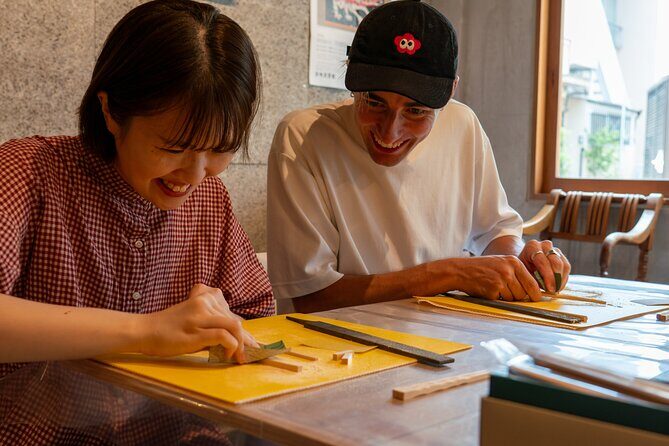
This isn’t a “come in, craft one thing, leave” setup. The workshop includes a shop space where different chopsticks are on display, so the maker can talk about chopstick history and the practical logic behind Japanese chopstick variety.
You’ll learn that there isn’t one magic chopstick shape. There are different types for different foods—sushi, tempura, ramen, and more. That matters because the design choices aren’t random. Grip comfort, tip shape, and how the chopsticks behave with different textures are part of why Japanese eating tools have so many styles.
Even if you mostly use store-bought chopsticks at home, you’ll likely start noticing how a “wrong” pair can feel awkward. That’s the point: the class connects craft to daily life, not just to tradition as a concept.
55 minutes of carving: shaping chopsticks to your hand
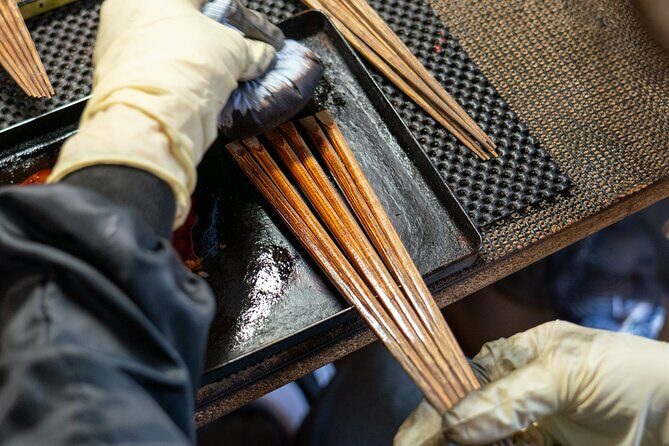
The main build time is about 55 minutes, and it’s broken into the kind of step-by-step flow that helps beginners without rushing you. You start with the raw wood (the experience specifically uses hinoki/cypress), then you carve with craftsmen’s tools.
What makes this part satisfying is the mix of precision and choice. You shape the chopsticks and refine their form, so the final pair isn’t just a generic “souvenir chopstick.” You’re creating something tailored to how you’ll hold and use it—your hand size and your preferred style of eating.
Here’s what to pay attention to while you work:
- How small changes in shape affect your grip
- How smoothing changes the feel against your fingers
- How you want the tips to relate to food (your guide can steer you based on the kinds of meals you plan to eat)
It’s also practical that you’re doing this in a quiet workshop environment. When you’re sanding and refining wood, you don’t need noisy distractions. You need time and attention—exactly what the setting provides.
Sanding and finishing: the part people rush, but you shouldn’t
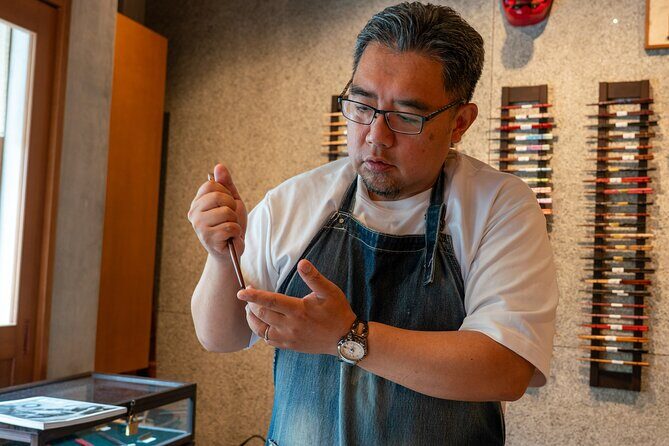
After carving, you refine the form with sandpaper, then finish with camellia oil. Those sound like “minor steps,” but they’re the difference between chopsticks that feel okay and chopsticks that feel right in your hand.
Even without getting too technical, you can use the finishing stage to check yourself. Before you’re done, you’ll want to confirm:
- The surface feels smooth when you run your fingers along it
- The chopsticks sit comfortably when you do a few “dry practice” holds
- The pair feels balanced—some shapes look great but feel awkward in use
The nice part is that you aren’t guessing alone. A chopstick artisan guides you through the process with care, and the small group size (max 6) makes it easier to ask questions instead of waiting your turn.
Camellia oil and your new daily-use mindset
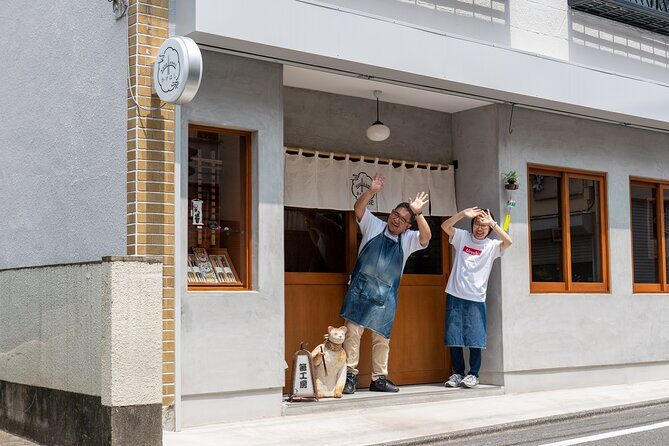
The camellia oil finish is where your chopsticks stop being just raw wood and start becoming something you’ll actually want to use. It’s also a subtle reminder that Japanese craftsmanship often focuses on everyday feel—not just how something looks on a shelf.
I especially like the mindset this builds. After you make something from scratch, you stop treating chopsticks as disposable tools. You start thinking about them like kitchen gear. That’s a fun shift, and it usually leads to better habits when you cook and eat back home.






The optional lacquer add-on: a rare workshop experience
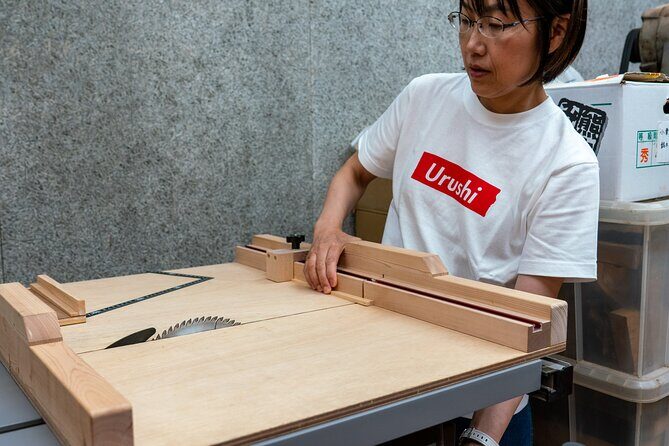
If you want a little extra Japan culture, choose the optional lacquer-coating experience. It runs about 25 minutes, and the payoff is access: you’ll tour a lacquer workshop that’s normally off-limits.
This part is different from the wood carving class. Instead of shaping one item, you’re learning a whole craft system. You’ll hear about lacquerware and its role in shrines, temples, and daily life—and you’ll experience the process with your senses, including the unique scent of lacquer while seeing craftsmen at work.
One caution: this add-on is optional, so don’t assume you get it automatically. If lacquer interests you (or you want a story-rich souvenir beyond the wood chopsticks), it’s worth considering because it adds a distinct second craft angle.
What the schedule feels like in real life
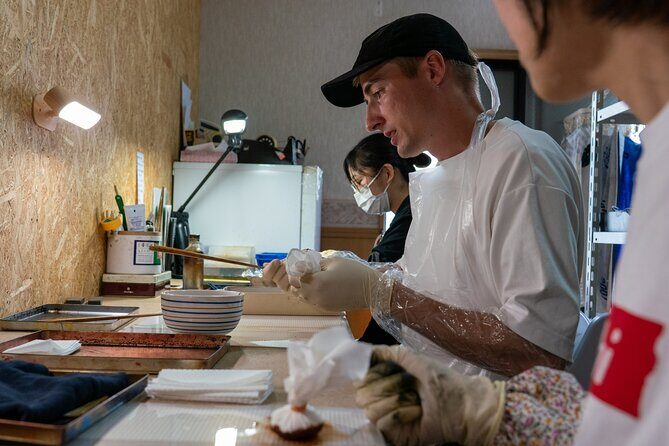
The flow is straightforward:
- Meet at Sasazuka Station
- Move to Kakehashi with your guide (about 10 minutes)
- Chopstick-making (about 55 minutes)
- Optional lacquer coating experience (about 25 minutes)
- Tour ends back at the venue
The “ends back at the venue” detail is helpful. You’re not sent to a far-off drop-off location. It’s a contained activity, which makes it easier to plan the rest of your day.
Also, this is a small group activity with a maximum of 6 travelers. In a workshop, that matters. Fewer people means more time for questions and corrections, and it keeps the class from feeling rushed.
Price and value: why $97.98 can be worth it
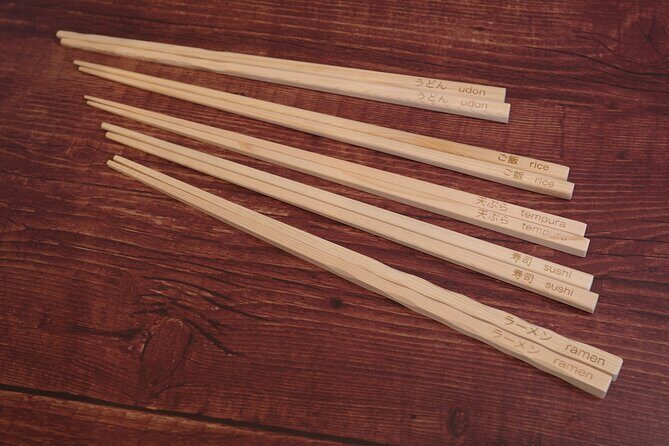
At $97.98 per person, this isn’t a cheap “make something quick” activity. But the value comes from what’s included and what you leave with.
You get:
- A custom made pair of chopsticks you shaped yourself
- Guidance from a craft artisan through carving, refining, and finishing
- English support availability for clearer understanding of the history and process
- The option to add a lacquer workshop tour (if you choose)
A big difference from many paid activities is that you’re not paying just for the class time. You’re paying for the finished, usable object—made from real hinoki/cypress—plus the context of Japanese chopstick culture and the craftsmanship behind it.
Another practical value point: the experience has strong demand. On average, it’s booked about 58 days in advance. That’s a clue it’s popular, especially for people who want something hands-on and giftable.
Who should book (and who might not love it)
This tour is a good match if you:
- Love hands-on experiences more than museum-style listening
- Want a meaningful souvenir that’s actually useful at home
- Care about food culture and want to understand why chopsticks differ
- Appreciate Japanese craft traditions and want a behind-the-scenes look (especially with lacquer)
You might skip it if you:
- Want a completely passive experience with zero workshop time
- Have very tight mobility or comfort needs during sanding and shaping (the class is hands-on, and you should plan accordingly)
Small-group charm, thanks to the English support
A recurring strength in the experience is the human side: patience, step-by-step teaching, and translation support. English guidance is available, and translation help from Amy and the team shows up in the experience clearly enough that people find communication easy.
That matters because chopstick-making isn’t just physical—it’s also instruction. If you understand what your guide wants you to do and why, you’ll get better results with less stress.
And with a group capped at 6, you’re less likely to feel like an extra body. You’re more likely to get the kind of corrections that help your chopsticks end up how you want them.
So, should you book it?
I think this is an easy yes if you want a Tokyo experience that’s practical, creative, and tied to everyday Japanese life. It combines hands-on craftsmanship, a small-group feel, and the option to see lacquer work up close. The added context about chopstick types for different foods makes it more than just a craft project.
One reason to book sooner rather than later: it’s commonly reserved about two months ahead, and the shop is set up for a small maximum group size. Also, it’s rated 5.0 with 15 reviews and a 100% recommended score—based on the provided data, that’s a strong signal you’re choosing something people genuinely value.
If you’re the kind of person who likes learning by doing, this class is the rare souvenir that doesn’t sit in a drawer. It becomes your chopstick pair—the ones you reach for because you made them.
FAQ
How long is the chopstick-making experience?
The experience is approximately 2 hours total.
Where do I meet for the tour?
You meet at Sasazuka Station (Start: 1 Chome-57 Sasazuka, Shibuya, Tokyo 151-0073, Japan).
What exactly do I make and take home?
You make a pair of custom chopsticks, and they are included in the experience.
Are the chopsticks made from hinoki/cypress wood?
Yes. The experience describes carving chopsticks from hinoki/cypress wood.
Is there an optional lacquer coating experience?
Yes. You can opt into a lacquer-coating experience, including a tour of a lacquer workshop that’s normally off-limits.
Is an English-speaking guide available?
Yes. An English-speaking guide is available for greater accessibility.
Is transportation included?
No. Private transportation and transportation expenses aren’t included, so you’ll handle your own travel to the meeting point.
Are meals included?
No. Food and drinks are not included.
How big is the group?
The experience has a minimum of 2 participants and a maximum of 6 travelers.
Can I cancel for a full refund?
Yes. Free cancellation is available if you cancel at least 24 hours before the start time.