REVIEW · KAMAKURA
Kamakura Private Custom Tour
Book on Viator →Operated by Fulfilling Inc. · Bookable on Viator
Kamakura is a temple hopping day done right. This private tour ties together key 12th-century sites using public transportation, so you spend less time guessing and more time looking closely at Kamakura’s sacred landmarks. I especially like the focus on English-speaking guidance that keeps the day comfortable, and the way the stops feel spread across Buddhism and Shinto. One thing to plan for: listed admission fees and your own local transit cost are separate.
You’ll meet at Kamakura Station and work through a set of major sights over about 7 hours, with timing that can shape how many stops you comfortably reach. It’s a private tour, so your guide can adjust to your pace and interests, whether you’re into statues, gardens, or just great street food browsing.
In This Review
- Key Highlights You’ll Care About
- Kamakura by Train: Why This Day Feels Efficient
- Price and What You Truly Get for $149.58
- A 9:00 a.m. Start and a 7-Hour Temple Day Plan
- Kotoku-in Great Buddha: Climb Inside the Open-Air Icon
- Tsurugaoka Hachimangu Shrine: Shinto Power with Shogun Roots
- Hase-dera: Eleven-Faced Kannon and the Kind of Stillness You Notice
- Jomyo-ji Zen Temple: Matcha Tea and Sweets in a 1188 Setting
- Komachidori Street: Where Kamakura Turns Practical and Fun
- How the Guide Makes This Tour Feel Easy
- Who Should Book This Private Kamakura Tour
- Practical Tips for Your 7 Hours in Kamakura
- Should You Book This Kamakura Private Custom Tour?
- FAQ
- What time does the tour start?
- How long is the Kamakura Private Custom Tour?
- Where do we meet the guide?
- Is this a private tour?
- What’s included in the price?
- What entrance fees should I expect to pay separately?
- Do I pay for local transportation in Kamakura?
- Will we see all five stops in one day?
- Is the tour good for people with limited mobility?
- What’s the cancellation policy?
Key Highlights You’ll Care About
- Public-transport friendly pacing: Your guide handles train and bus connections so temple-hopping doesn’t turn into stress.
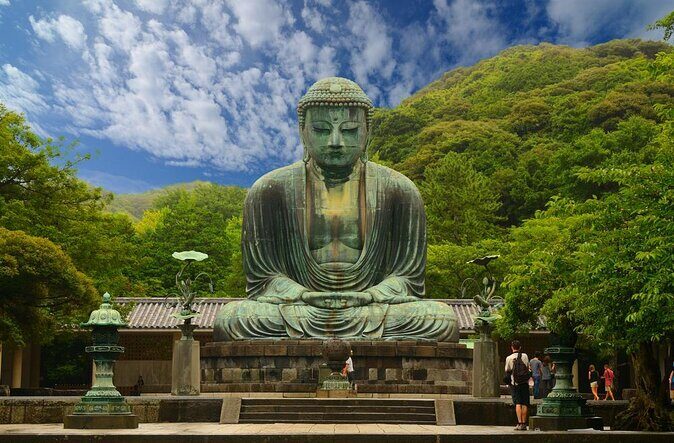
- Great Buddha access: You can climb inside the open-air Buddha area, which makes the visit feel more physical than just looking.
- Two major religious worlds in one day: Shinto at Tsurugaoka Hachimangu plus Buddhist temples like Hasedera and Zen at Jomyo-ji.
- Photo-worthy statuary and views: Hasedera’s famous eleven-faced Kannon is the kind of detail you’ll remember later.
- A real street break: Komachidori is built for wandering—snacks, shops, and seafood options because you’re near the sea.
- Guide names you’ll hear often: Akira and Nobuo Kono are noted for being attentive and for knowing how to make the day run smoothly.
Kamakura by Train: Why This Day Feels Efficient
Kamakura has a special “not-too-far, but different worlds” vibe. In one day you can see the political and spiritual weight of Japan’s early samurai era, then immediately switch to calmer temple courtyards and street-level life.
What I like about this tour style is that you’re using public transit as the backbone. That matters because Kamakura’s sites aren’t all concentrated in one single walkable block. So when your guide knows which route to take and when, the day feels like a series of meaningful moments instead of a string of taxi rides.
The goal here is simple: make the day feel doable. You should expect to reach around 3–4 stops at a comfortable pace, depending on timing and how you move. The tour is built as a private outing, so you’re not stuck to a rigid group tempo.
You can also read our reviews of more private tours in Kamakura
Price and What You Truly Get for $149.58
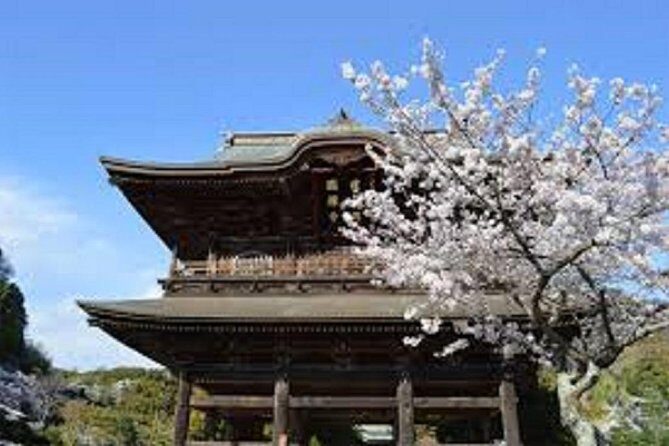
At $149.58 per person, the headline price is only part of the story. Here’s the value angle: you’re paying for an English-speaking professional guide plus the guide’s transportation and lunch. If you’ve ever tried to follow temple explanations in another language while also navigating transit, you already know what that saves.
What’s not included is also clear, and you should budget for it. Your own local transportation in Kamakura (train and bus) is listed as ¥2,000 per person. Also, several admissions are separate—for example:
- Kotoku-in (Great Buddha): ¥200 (adults)
- Hase-dera: ¥300 per person
- Jomyo-ji: ¥100 (adults over 14), ¥50 (under 15)
Komachidori is listed as free, so you’re not forced into paying for every single stop.
So is it worth it? For me, it pencils out best if you care about context—why these places matter—and you want someone to translate details into a story you can actually use. If you’re the type who prefers wandering solo with a guidebook and you’re comfortable managing transit without help, you might do fine without paying for a guide. But if you want less friction, this price-to-effort trade is pretty fair.
A 9:00 a.m. Start and a 7-Hour Temple Day Plan
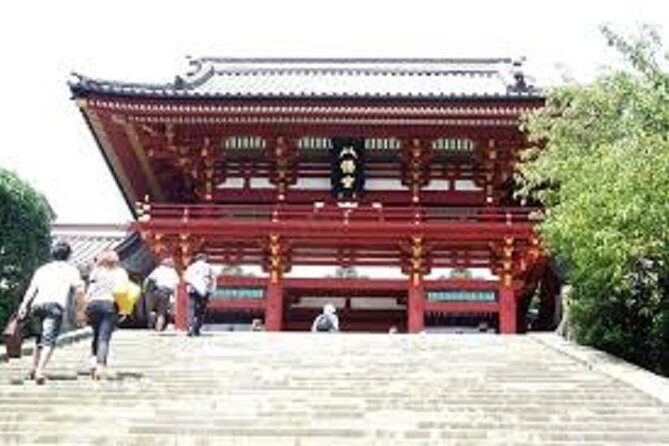
The tour starts at 9:00 am and runs about 7 hours. Meeting is at Kamakura Station (1-chōme-1-15 Onarimachi). That’s a smart choice because it reduces the “how do we even start” problem. You begin in a real transit hub and build outward.
This is also a private tour, so your guide can steer the day based on what you’re most interested in. Maybe you want more time at the gardens. Maybe you care more about the political story connected to shoguns. Or maybe you just want the highlights without sprinting.
Because you’re moving by train and bus, expect some walking between sites and some stair-and-path movement once you arrive. The tour calls for moderate physical fitness, so wear comfortable shoes and plan to take short breaks when offered. Think steady, not athletic.
You’ll end back at the meeting point, which makes it easier to plan your dinner and avoid last-minute route guessing.
Kotoku-in Great Buddha: Climb Inside the Open-Air Icon
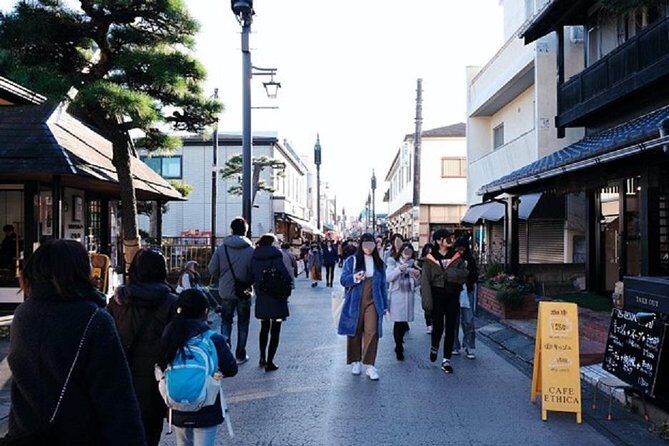
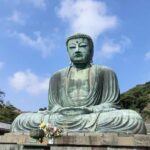
Your first stop is Kotoku-in, home to the Great Buddha of Kamakura. This one is famous for its open-air presentation, which changes the feeling completely. Indoors, statues can feel sealed off. Outdoors, the Buddha sits in daylight, and you notice scale and texture differently.
The big practical hook: you can climb inside the Great Buddha area, similar to the Statue of Liberty comparison often used to explain the experience. That detail matters because it turns the visit from passive viewing into something more memorable and interactive.
Admission is listed as ¥200 for adults (¥150 for elementary school kids). Since it’s an admission stop, budget time and keep a little cash or payment ready before you get there.
One more tip: the open-air format means weather matters. If it’s sunny, you’ll likely get crisp light for photos. If it’s rainy, the paths around temple grounds can feel slippery, so take your time and use any handholds your guide points out.
Tsurugaoka Hachimangu Shrine: Shinto Power with Shogun Roots
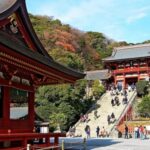
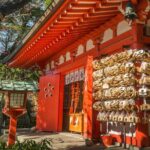
Next comes Tsurugaoka Hachimangu Shrine, one of Japan’s popular shrines. This is Shinto, and it gives you a change of rhythm from Buddhist spaces you may have seen earlier. The setting is tied to Japan’s early samurai history, with the shrine originally built in the middle of the 12th century.
The story thread here is Minamoto no Yoritomo, the first shogun in Kamakura. That connection helps explain why this shrine feels politically important, not just spiritually scenic. You don’t need a PhD to get it—your guide’s job is to translate names and dates into a “why this place mattered” feeling.
Admission isn’t listed in the provided details for this stop, so you should treat it as included in your sense of the day’s flow rather than a separate fee hurdle like Kotoku-in or Hase-dera.
If you like atmosphere, this is one of the moments where your senses slow down. Listen for the shift from street noise to shrine space, and don’t rush through the main areas. Even if you only have an hour, aim for one calm circuit and one longer look at the key structures.
Hase-dera: Eleven-Faced Kannon and the Kind of Stillness You Notice
Hase-dera is a Buddhist temple known for an eleven-faced statue of Kannon, the Goddess of Mercy. That theme is more than a label. When you’re standing in front of a multi-face figure, you naturally start looking for expression and angles—what mercy means visually, not just spiritually.
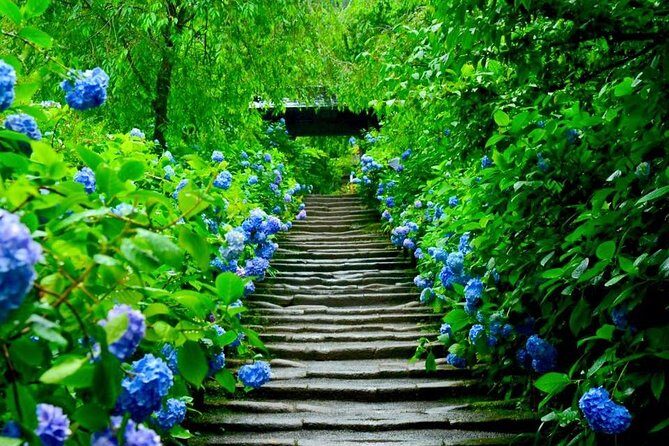
It’s also famous for having a beautiful flower garden. The provided details mention hydrangeas in June, which is a big seasonal reason to time a visit. Even if you’re not traveling in June, the temple’s layout and garden reputation make this stop feel like more than a quick photo stop.
The stop runs about 1 hour 30 minutes and lists an admission fee of ¥300 per person. So plan for that as a real “spend time here” moment. If you rush, you’ll miss the experience—temple spaces reward slower movement.
One practical note: Hase-dera can involve paths and steps as you move between viewpoints. With moderate fitness, you’ll likely be fine, but your shoes and pacing matter.
Jomyo-ji Zen Temple: Matcha Tea and Sweets in a 1188 Setting
Then you shift to Jomyo-ji, a temple built in 1188. It’s described as one of the fifth great Zen temples, which gives it a specific Zen pedigree. Zen temples can feel more austere than some other temple styles, and that contrast can be a relief after busier shrine areas.
Here’s the detail that makes it memorable: you can have Japanese powdered green tea (matcha) with sweets. That’s a small thing, but it changes the mood. It turns the visit into a break with purpose, not just sitting down because you need stamina.
Admission is listed as ¥100 for adults over 14 and ¥50 for children under 15. That means you’re paying for the experience, not only walking through grounds.
If you’re planning your day like a pro, this is a good time to slow down and reset. You can take in the Zen setting, then recharge with tea before you head to the street area.
Komachidori Street: Where Kamakura Turns Practical and Fun
After temples and shrines, the tour ends with Kamakura Komachidori, the main street. This is where the day becomes everyday Japan: shops, stalls, and restaurants line the route, and you can browse at your own pace.
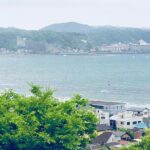
Because Kamakura is close to the sea, the details highlight lots of good seafood restaurants. This matters because it gives you a clear idea for where your appetite might lead. You’re not guessing what to eat at the end of a long day.
Komachidori is also free to walk through, and the tour gives about 1 hour here. That’s enough time to:
- pick up a snack or two,
- browse for local items,
- and still get back to your plans without feeling trapped.
If you’ve spent most of the day in religious sites, this is the release valve. It’s also a nice way to compare what you’ve seen inland (temple grounds) with what Kamakura culture values at street level (food and shopping).
How the Guide Makes This Tour Feel Easy
Let’s talk about the real superpower: logistics, handled well. The tour is built around public transportation, and Kamakura’s sites are spread out. If you’ve ever tried to connect trains, buses, and walking paths around temple areas, you know how quickly it can become a puzzle.
The guidance here is exactly what you want when you’re on a schedule. In the experience described by named guides like Akira and Nobuo Kono, the emphasis is on being attentive, knowing the areas, and keeping you comfortable. That translates into practical help: helping you time transitions, explain what you’re seeing, and keep the day from turning into a rushed checklist.
English guidance matters too. You’ll get context for what you’re looking at—Kannon’s meaning, why Minamoto no Yoritomo matters to Tsurugaoka Hachimangu, and what makes each temple distinct. Without that, you can still enjoy the sights, but you’ll likely miss why they were important beyond their appearance.
The best part is that this isn’t just “talk at you.” A good guide adjusts pacing to your needs, especially in places where pathways and stairs affect comfort. You’re not just visiting; you’re learning in a way that actually sticks.
Who Should Book This Private Kamakura Tour
This tour is a great fit if you:
- want major highlights in one day without wrestling transit,
- enjoy temples and shrines enough to spend real time at them,
- and like understanding the story behind the statues and grounds.
It’s also ideal if you’re traveling with a small group and want privacy. Since it’s private, the route and pace can be adapted to your interests and needs, rather than forcing everyone into the same rhythm.
It may be less ideal if you’re purely a self-guided wanderer with no interest in explanations. Also, if you’re sensitive to walking or stairs, the moderate fitness requirement is worth taking seriously. The tour doesn’t require extreme athleticism, but it does require you to move through real temple areas.
Practical Tips for Your 7 Hours in Kamakura
A few small choices will make the day smoother.
First, plan for separate admissions. Kotoku-in, Hase-dera, and Jomyo-ji have listed fees. Bring cash or a payment method you know works easily in Japan for small-ticket items.
Second, bring comfort. The tour assumes moderate fitness and includes time on temple paths. Wear shoes you trust. If it’s hot or rainy, pace yourself and ask your guide when to take breaks.
Third, decide what you care about most before you go. Are you here for the Buddha, for Zen tea and sweets, for the garden atmosphere, or for the shrine-to-shogun story? A bit of clarity helps your guide shape the best use of your time when transit and walking take their inevitable chunk out of the day.
Fourth, don’t treat Komachidori as an afterthought. One hour there can turn into your best meal of the day if you use it to actually eat and browse, not just hurry through.
Should You Book This Kamakura Private Custom Tour?
I’d book this tour if you want a guided, low-stress way to see Kamakura’s most meaningful sites. It’s especially worth it for first-timers who don’t want to figure out bus connections while also trying to understand the difference between Shinto and Zen/Buddhist spaces.
I wouldn’t rush to book it if your budget is tight and you’re comfortable doing the sites on your own. Also, if you know you dislike walking between locations, you might reconsider, since the tour is built around moving by train and bus and then navigating temple grounds.
If you’re the kind of traveler who likes good structure plus freedom inside that structure, this is a smart choice. You’ll get the major stops, the context that makes them click, and the street time at Komachidori that makes the day feel complete.
FAQ
What time does the tour start?
It starts at 9:00 am.
How long is the Kamakura Private Custom Tour?
It runs about 7 hours (approx.).
Where do we meet the guide?
The meeting point is Kamakura Station (1-chōme-1-15 Onarimachi, Kamakura, Kanagawa 248-0012, Japan).
Is this a private tour?
Yes. Only your group participates.
What’s included in the price?
You get an English-speaking professional guide, the guide’s transportation fee, the guide’s lunch fee, and the guide’s admission fee if any.
What entrance fees should I expect to pay separately?
Kotoku-in (Great Buddha of Kamakura) is listed at ¥200 for adults, and Hase-dera is listed at ¥300 per person. Jomyo-ji lists ¥100 for adults over 14 and ¥50 for children under 15. Komachidori is listed as free.
Do I pay for local transportation in Kamakura?
Yes. Your transportation fee in Kamakura (train and bus) is listed as ¥2,000 per person.
Will we see all five stops in one day?
The tour uses public transportation and says you may be able to visit 3 or 4 spots, depending on timing. The planned stops include Kotoku-in, Tsurugaoka Hachimangu, Hase-dera, Jomyo-ji, and Komachidori.
Is the tour good for people with limited mobility?
It calls for moderate physical fitness level, so you should be comfortable with walking and moving around temple areas.
What’s the cancellation policy?
Free cancellation is allowed up to 24 hours in advance for a full refund. Canceling less than 24 hours before the start time is not refunded.