REVIEW · TAKAYAMA
Shirakawago(UNESCO world heritage)/ Onsen / Hiking / 1day tour
Book on Viator →Operated by Happy Tour · Bookable on Viator
A morning drive into the mountains is the real magic. This UNESCO Shirakawa-go outing pairs Gassho-style village time with a warm Hirayunomori soak, all guided by Mr Yama in English so you can actually follow what you’re seeing. I also love how the day is paced like a sampler: architecture, nature, and a reset in the hot springs without you having to think about trains, tickets, or directions.
One possible drawback: lunch and bottled water aren’t included, and one museum-like stop is very short, so plan to eat before you get hungry and keep your expectations realistic.
You’ll start in Takayama at 8:30 am with pickup in front of Takayama Station, then spend about 9 hours total taking in the countryside around Shirakawa-go. The tour is built for comfort too, with air-conditioned transport and a small maximum group size of 10.
In This Review
- Key things I’d bookmark before you go
- Takayama pickup and the comfort of an easy plan
- Shirakawa-go Gassho-style houses: what you’re really looking for
- Wada House: quick traditional goods, quick understanding
- Hirayunomori hot springs: the reset you’ll be thankful for
- Hirayu Falls: waterfall power and a thousand-year tree
- Mr Yama as your translator and local connector
- Price and value: is $175.91 a fair deal?
- Timing and pacing: how the 9 hours will feel
- Small group size: 10 people max, and why that helps
- Who this tour is best for
- Should you book this Shirakawa-go + onsen + hiking one-day tour?
- FAQ
- What time does the tour start in Takayama?
- How long is the Shirakawa-go, onsen, and hiking day tour?
- Where are pickup and drop-off?
- What’s included in the price?
- What’s not included?
- How many people are on this tour?
- Is the hot spring included?
Key things I’d bookmark before you go
- Mr Yama’s English helps the day make sense, especially when you’re inside the history-heavy village areas
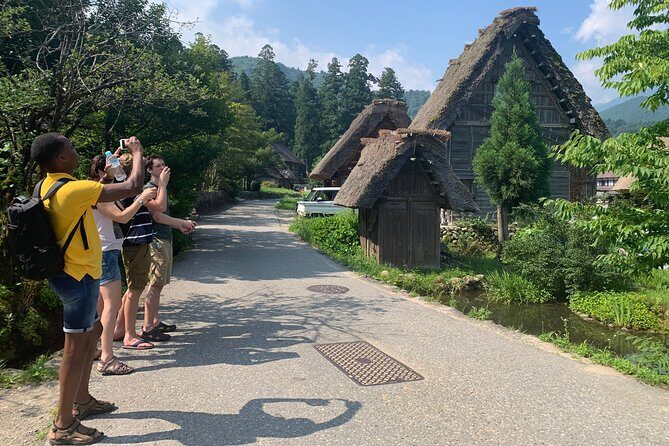
- Gassho-style houses at Shirakawa-go with about two hours on-site to actually look around
- Hirayunomori hot springs included for about one hour, a proper break after walking
- Hirayayu Falls time (about two hours), including a chance to see the 1,000+ year-old nezuko tree
- Small group size (max 10) plus pickup/dropoff at Takayama Station for an easy first day in Japan
Takayama pickup and the comfort of an easy plan
This is the kind of tour that helps on day one or day two when your Japan setup is still new. Pickup is at Takayama Station (in front), and you return to the same spot at the end, so you’re not hunting for meeting points across town. Start time is 8:30 am, which also helps because you get into the mountain areas earlier while things are calmer.
You also get air-conditioned transportation. That matters in Japan’s shoulder seasons and summer, but it also matters in winter when the ride is part warm-up, part protection from fatigue. The day runs about 9 hours, so it’s long enough to feel like a full outing, not a half-day detour.
You can also read our reviews of more historical tours in Takayama
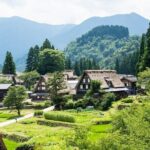
Shirakawa-go Gassho-style houses: what you’re really looking for
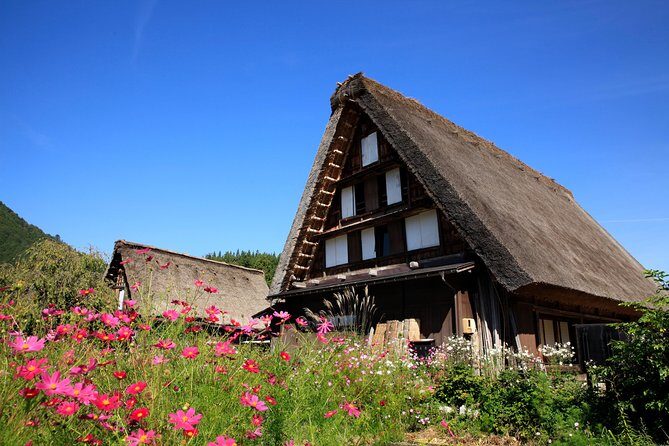
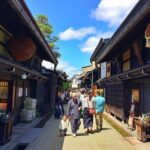
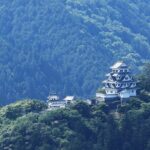
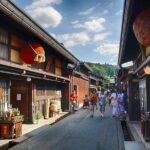
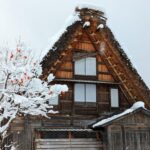
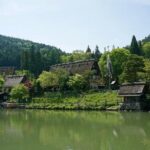
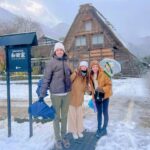
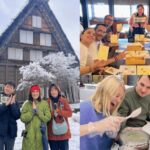
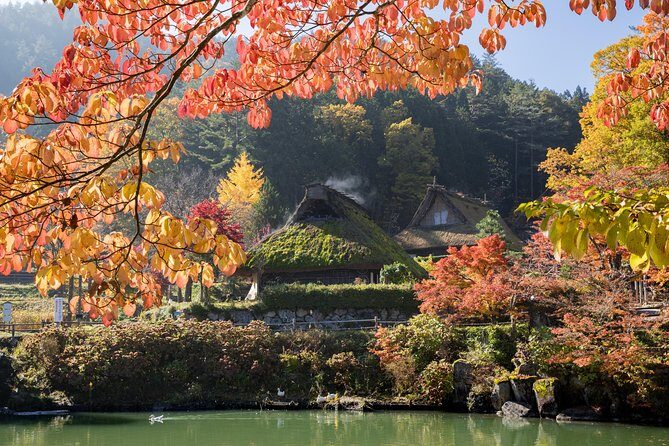
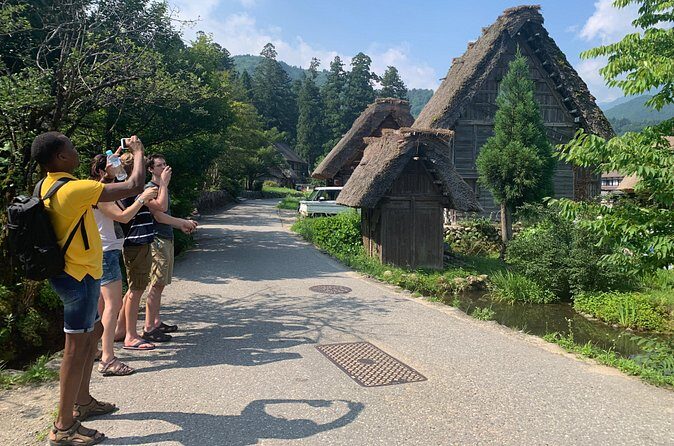
Shirakawa-go’s claim to fame is the Gassho-zukuri house style—thick walls, steep thatched roofs, and a village layout that makes sense for snowy winters. You’ll spend about two hours here, which is a good chunk of time for looking slowly, reading what’s available, and not feeling rushed the moment you step outside.
Important practical note: the entrance ticket for the Gassho-zukuri houses area isn’t included in the price. You’ll want to budget for it so you’re not stuck at the gate. If you’re the kind of person who likes to understand the “why” behind architecture, this stop is one of the best uses of your guide time—Mr Yama can translate and explain what you’re seeing rather than you guessing from signage.
What I like about this stop is that it’s not just a photo stop. Two hours lets you look at roof angles, village lanes, and the way buildings sit together, which helps the UNESCO story feel real instead of abstract.
Wada House: quick traditional goods, quick understanding
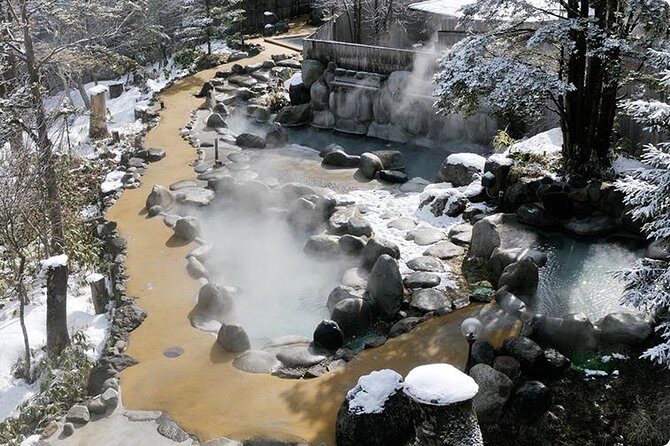
You get a short visit (about 15 minutes) to Wada House. The value here is speed. This isn’t the place for a deep, wandering museum experience; it’s more like a guided snapshot of traditional household goods and how everyday life connected to the village’s overall culture.
As with the other village-related stop, the admission for Wada House isn’t included. The upside is that it’s brief, so you’re not spending your whole day on ticketed indoor time. The guide covers things for you, so even if you’re not fluent, you’re not stuck standing silently while everyone else moves on.
A drawback to note: if you love slow, detailed interior viewing, 15 minutes might feel short. But if you want the main Shirakawa-go feel and a mix of nature + onsen afterward, this quick stop actually works well.
Hirayunomori hot springs: the reset you’ll be thankful for
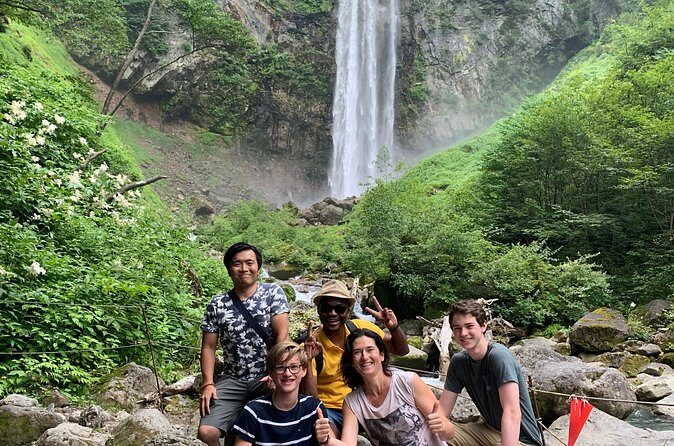
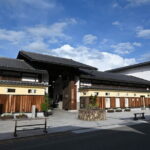
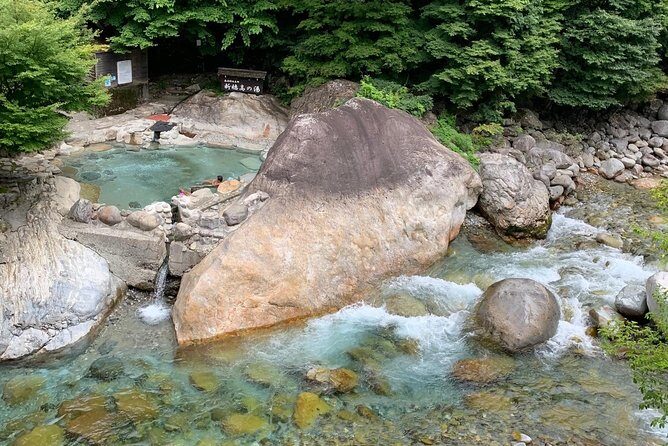
After village walking, you’ll head to Hirayunomori for about one hour of hot spring time. The entrance fee is included, so this is one of the few places where you don’t have to track extra costs on the day. If you’re doing a day trip packed with walking, this is the part that keeps the experience from turning into a tiring checklist.
This stop is also valuable because it adds a different kind of Japan to your day. You’re moving from thatched roofs and historical village structure into a traditional onsen experience that fits naturally with the mountainous region. It’s a practical break, and it also helps you recover before the final outdoor portion.
Because the tour doesn’t include bottled water, I’d treat hydration as your responsibility. You’ll want water for the ride and for walking between spots, especially if you’re sensitive to heat or cold.
Hirayu Falls: waterfall power and a thousand-year tree
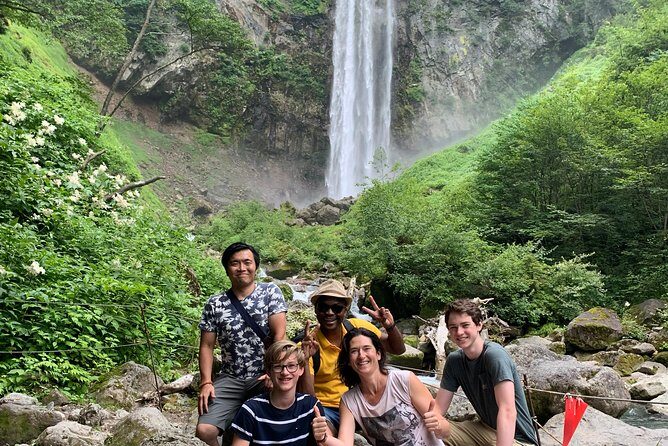
Your final major nature stop is Hirayu Falls, with about two hours to enjoy the area. Admission is free, so this is a nice “cost-friendly” piece of the plan—use your time here to take it in rather than worrying about tickets.
The falls area also includes a chance to see a large nezuko tree said to be more than 1,000 years old. That’s the kind of detail that changes how you look at a place. Instead of only seeing water, you start noticing scale: how old the region is, how long nature has been doing its work, and why these river valleys attracted settlements in the first place.
If rain or mist rolls in, don’t panic. Falls areas often look dramatic with wet air, but you’ll want comfortable shoes and a light rain layer if you have one. The tour’s structure keeps the day moving, so weather is less likely to derail everything.
You can also read our reviews of more hiking tours in Takayama

Mr Yama as your translator and local connector
One of the biggest reasons this tour earns strong ratings is the guide effect. Mr Yama is the named guide in multiple accounts, and the consistent theme is that he explains history clearly and answers questions along the way. That’s a big deal in Shirakawa-go, because the village is one of those places where you can easily miss the meaning if you only rely on your phone.
He also adjusts to what you want within the day’s rhythm. In practical terms, that means you’re not just being driven from one fixed point to another with limited context. You’re being walked through what matters—why the houses look the way they do, how the natural stops connect to daily life in the region, and what to notice as you look around.
I also like that this doesn’t feel like a scripted lecture. You get explanations, but the day still has breathing room for you to look and photograph.
Price and value: is $175.91 a fair deal?
At $175.91 per person, this isn’t a budget-only activity. But I think it’s reasonably priced for what you get, mainly because it bundles a lot of the day into one ticket: guided time, air-conditioned transport, pickup/dropoff at Takayama Station, and included entrances for the Gassho-zukuri houses area and the hot spring.
Here’s how I’d think about value:
- You’re paying for convenience: one morning start, one return end, no navigation stress.
- You’re paying for translation: that’s the difference between seeing a site and understanding it.
- You’re paying for included admissions for the main heritage houses and the hot spring, plus the falls are free.
Where the price can feel a little steeper is in what’s not included: lunch and bottled water, plus admission for Wada House (and the Gassho-zukuri admission is listed as included, but tickets for certain house areas are also noted as not included—so you should confirm exactly what’s covered when you book). The safe move is to double-check the inclusions for each ticketed stop so you’re not surprised mid-day.
If you’re traveling as a pair or solo and you want a guided, low-effort day that still covers a UNESCO site and onsen, the cost starts to look like good sense rather than “paying for nothing.”
Timing and pacing: how the 9 hours will feel
A full 9-hour day means you’ll be active. Even with comfortable transport, you’ll do short to medium stretches of walking and moving between sites. Here’s the rough time feel: about two hours in the Shirakawa-go historic village area, a quick 15-minute Wada House stop, one hour at Hirayunomori, and about two hours at Hirayu Falls.
That leaves time in between for rides and transitions. The key pacing advantage is that you don’t spend the entire day on a single theme. You get heritage architecture, a hot spring break, and big outdoor nature time, so the day doesn’t flatten into one type of sightseeing.
If you’re the type of traveler who wants deep, unhurried museum-style time in every building, you might feel a little “tour pace.” But if you want a well-rounded day trip with meaning, the timing is solid.
Small group size: 10 people max, and why that helps
The maximum group size is 10 travelers. That’s big enough to keep the day lively, but small enough that you’re less likely to feel like you’re part of a herd. It also makes it easier for a guide to manage questions and keep the group from splitting into chaos.
If you’re traveling with limited Japanese, that small-group setup matters. You’ll spend more time listening and understanding, less time waiting for someone to translate what you missed.
Who this tour is best for
This tour fits best if you want:
- A UNESCO Shirakawa-go visit without logistics stress
- A hot spring stop that’s actually included and timed
- Nature highlights around Takayama in one day, including Hirayayu Falls
- A guide who can translate and explain, especially at the heritage-focused points
It’s also a good choice if you’re short on days and you want a “great hits” day rather than planning buses and timed entries yourself. If you’re a lone traveler who doesn’t want to guess your way through historic sites, it’s a comfort-first approach.
Should you book this Shirakawa-go + onsen + hiking one-day tour?
I’d book it if you want a guided day that mixes UNESCO heritage with real countryside experiences and finishes with a waterfall and a hot spring. The included guide time and included onsen entrance are the heart of the value, and the small group size keeps it from feeling like a factory tour.
Skip—or at least confirm details—if you’re very sensitive to the idea of extra tickets, because Wada House admission is listed as not included. Also consider your hunger: lunch isn’t part of the package, and bottled water isn’t included, so plan to grab a meal recommendation or bring your own strategy.
If your goal is a smooth, meaningful day trip from Takayama where you understand what you’re seeing instead of just snapping photos, this one makes a strong case.
FAQ
What time does the tour start in Takayama?
The tour starts at 8:30 am, with pickup in front of Takayama Station.
How long is the Shirakawa-go, onsen, and hiking day tour?
The duration is approximately 9 hours.
Where are pickup and drop-off?
Pickup and drop-off are both at Takayama Station (front of the station), and the tour ends back at the meeting point.
What’s included in the price?
The guide, transportation (pickup/dropoff), entrance fee of the Gassho-zukuri house, and the hot spring entrance are included.
What’s not included?
Lunch (and breakfast and dinner, if relevant) is not included, and bottled water is also not included. Wada House admission is not included, and the Gassho-zukuri house ticket is listed as not included in the stop details.
How many people are on this tour?
The group has a maximum of 10 travelers.
Is the hot spring included?
Yes. The entrance fee for the hot spring (Hirayunomori) is included, and you’ll have about one hour there.