REVIEW · KAMAKURA
Japanese Sweets Making in Kamakura
Book on Viator →Operated by Hiro · Bookable on Viator
Wagashi is harder than it looks. In Kamakura, you’ll learn how seasonal wagashi are shaped and colored, then head to the Great Buddha of Kamakura at Kotoku-in for iconic views and stories.
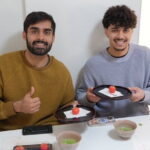
I especially like the hands-on pacing of the lesson, with clear, friendly guidance from Hiro (English-speaking and funny in the best way). I also like that you can eat what you make on the spot or take the sweets home as souvenirs—so your effort doesn’t end when the class does.
One thing to consider: the timing is tight and the tour ends at Kotoku-in, so you’ll want to plan the rest of your day around that (also, there’s no hotel pickup).
In This Review
- Key things that make this tour work so well
- Wagashi in Kamakura: Why this 3-hour plan feels worth it
- The Workshop at Hase: Making three seasonal sweets with Hiro
- Expect a “try, learn, enjoy” flow, not a lecture
- Ocean views during the Kamakura walk (and why you’ll care)
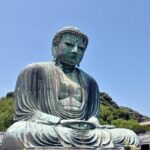
- Kotoku-in and the Great Buddha: what you’re actually seeing
- Optional matcha: a small add-on that improves the whole feel
- Price and value: what you’re paying for (and what you’re not)
- Logistics that actually matter: where to start and how the tour ends
- Who this tour suits best (and who might want a different style)
- Should you book this wagashi + Great Buddha tour?
- FAQ
- Is this tour private or shared?
- Where do I meet the tour?
- Where does the tour end?
- How long is the experience?
- What’s included in the price?
- Is admission to Kotoku-in included?
- Is matcha included?
- Is hotel pickup and drop-off included?
- How should I plan around transportation?
- What’s the cancellation policy?
Key things that make this tour work so well
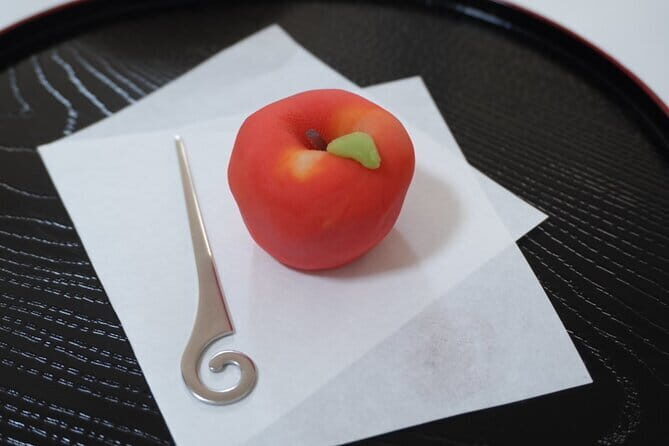
- Three seasonal sweets you can actually shape yourself, with guidance that fits beginners
- Hiro’s English + humor, which makes the workshop feel relaxed instead of stressful
- Nerikiri-style wagashi building, the type many people find fun and satisfying to bring home
- Ocean views during the Kamakura walk, with paths that are described as less crowded
- Kotoku-in’s Great Buddha details, including its 13.35-meter height and about 121 tonnes
- Optional matcha (550 yen) if you want the classic pairing
Wagashi in Kamakura: Why this 3-hour plan feels worth it
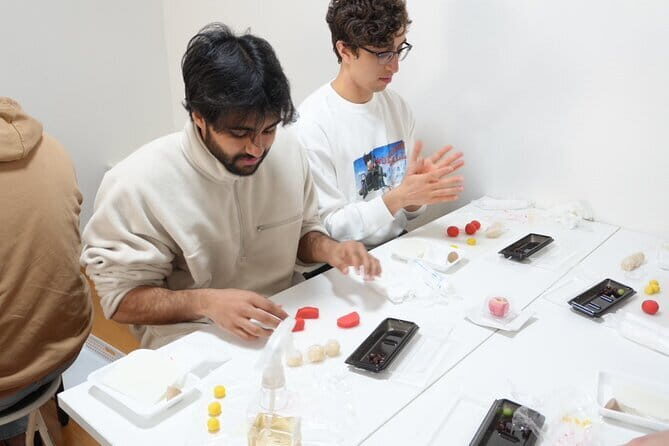
If you’ve ever tried to buy wagashi and wondered why each piece looks like a tiny work of seasonal art, this is the practical answer. You’ll spend your time doing the shaping and finishing, then you’ll walk on to see the Great Buddha at Kotoku-in—so you get both hands-on culture and a major landmark.
I like that the experience is built around seasonal sweets. That means you’re not just learning a recipe; you’re learning how Japanese sweets connect to time of year, weather, and traditional design ideas. And because it’s only about 3 hours, it’s a Kamakura add-on that doesn’t eat your whole day.
A few more Kamakura tours and experiences worth a look
The Workshop at Hase: Making three seasonal sweets with Hiro
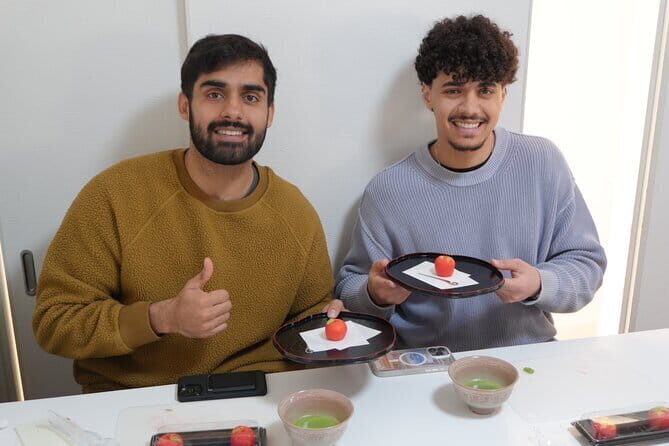
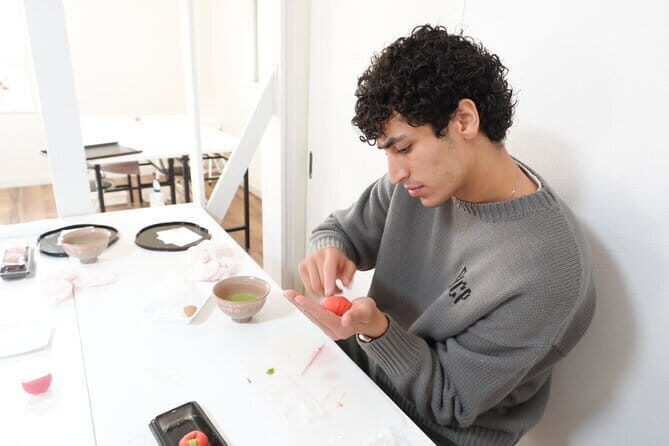
The tour begins at Hase Station (2 Chome-14 Hase), and the wagashi-making part is the centerpiece. You’ll make three sweets, and each one reflects the season through its shape and style. Even if you’re new to Japanese cooking crafts, the instruction is set up so you’re not stuck guessing.
What matters most here is how the class is paced. Hiro gives step-by-step guidance and keeps things light, so you’re not afraid of messing up. One of the best parts is that you don’t just watch—your hands are working the whole time, whether you’re forming pieces or finishing them in a style that looks right.
And yes, the workshop includes the kind of wagashi many people associate with classic technique: nerikiri. That’s the sweet that can look intimidating in photos, but in a guided class it becomes fun and doable. The goal isn’t perfection—it’s learning the basics of how the craft works and leaving with sweets you can recognize as seasonal Japanese design.
Expect a “try, learn, enjoy” flow, not a lecture
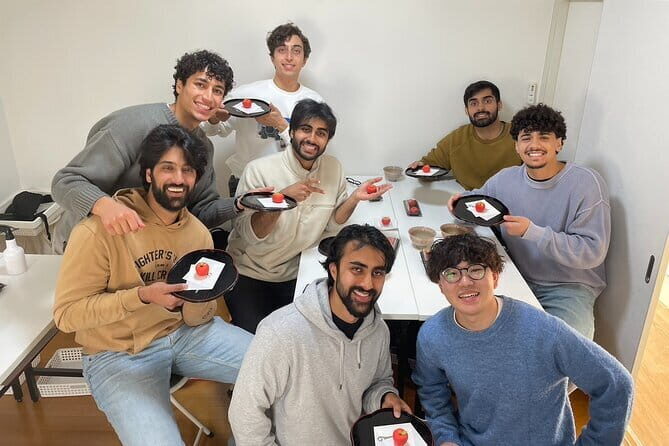
There’s history in this experience, but it’s not delivered like a classroom. You’ll hear explanations tied to what you’re making—why wagashi take certain forms, and how those choices fit Kamakura’s cultural rhythm. That matters because it turns the sweets from a souvenir into something you understand.
I also appreciate the small practical choices. You’re guided through the process, and you get time to enjoy what you make. That’s the key: you don’t only produce food for later photos. You can taste it while it’s still fresh and meaningful.
Ocean views during the Kamakura walk (and why you’ll care)
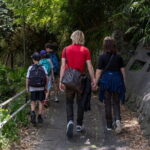
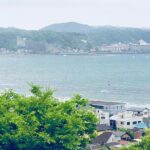
Between the wagashi part and the Great Buddha visit, you’ll get time outdoors in Kamakura. The tour includes a stretch where you can see the ocean view, and it’s described as a spot locals like. That’s a quiet win because many Kamakura day plans are dominated by crowds and temple lines. Here, the pace is calmer.
The ocean view is also a good reset. After working with your hands in the shop, walking toward Kotoku-in gives you a different kind of focus: breathing, looking, and noticing the coastline as part of Kamakura’s character. If you plan your day around it, you’ll feel less like you rushed from point to point.
Kotoku-in and the Great Buddha: what you’re actually seeing
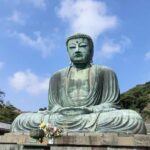
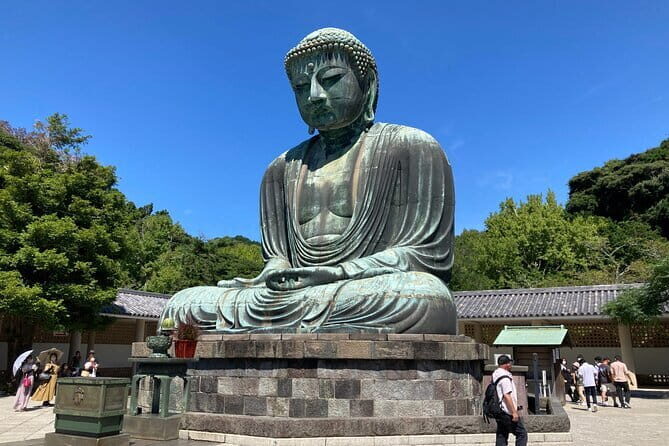
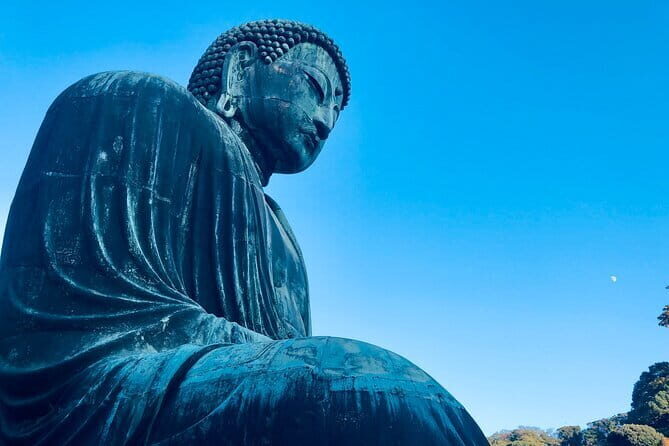
Next up is Kotoku-in (the Great Buddha of Kamakura). This isn’t a small statue you can casually pass. It’s a bronze Buddha about 13.35 meters tall and roughly 121 tonnes, and it’s been standing for over 750 years.
This is one of those sights where facts help, because they change how you experience scale. When you know it’s Japan’s second tallest bronze Buddha and Kamakura’s only Buddhist national treasure, you stop treating it like a “nice photo.” You feel the weight—literally—and the long timeline behind it.
The visit is about 30 minutes. That’s enough to see the Buddha clearly, take in the temple setting, and absorb the stories you’ll hear. It’s not meant to replace a long temple day, but it is a solid landmark hit that works well after the wagashi workshop.
Optional matcha: a small add-on that improves the whole feel

If you want the full classic pairing, you can add a cup of matcha for 550 yen. I like this kind of option because it’s not required for the experience to work. But if you’re already learning about seasonal Japanese culture through wagashi, matcha helps the tasting feel complete.
Think of it as a short “breather” moment. You finish shaping and finishing, then you slow down with a warm drink that fits Japanese sweets culture. It also gives you a gentle moment to reflect before you head to Kotoku-in.
Price and value: what you’re paying for (and what you’re not)
At $71.51 per person, this isn’t the cheapest way to fill a Kamakura morning—but it’s also not just a ticket to a view. You’re paying for:
- an English-speaking local guide
- a traditional wagashi-making lesson
- entrance fees to Kotoku-in
What you’re not paying for is just as important: there’s no hotel pickup or drop-off, and personal expenses like snacks beyond matcha are on you.
The value is best if you want two things in one: a real cultural hands-on activity and a major landmark. If your plan is already heavy on temples and you only want the Great Buddha, you might feel this is more than you need. If you want a Kamakura day that includes craft + culture + sea views, the price starts to make sense fast.
Logistics that actually matter: where to start and how the tour ends
You meet at Hase Station (2 Chome-14 Hase, Kamakura) and the tour ends at Kotoku-in. That “ends at the site” format is convenient because you finish near the main attraction. But it also means you’ll plan your next move from Kotoku-in, not from your hotel.
The good news: it’s described as near public transportation, so you shouldn’t struggle to get back to wherever you’re staying in Kamakura. And because it’s private to your group, you don’t have to worry about being rushed by a large mixed group.
Also, it’s run as a 3-hour experience, so come ready to use that time efficiently. If you’re the type who likes slow mornings, consider arriving in Hase early enough to settle in before the workshop starts.
Who this tour suits best (and who might want a different style)
This tour is a strong fit if you:
- want a beginner-friendly activity where you’re guided through making something seasonal
- care about doing something tangible (not just sightseeing)
- like the idea of leaving with edible souvenirs
- want a fun guide experience—many people highlight Hiro’s friendliness and clear English
It might be less ideal if you’re trying to pack in lots of extra stops in the same 3 hours. The schedule is focused: wagashi making first, then the Great Buddha. You’ll have time for the main moments, but not a lot of wandering unless you add it before or after.
Should you book this wagashi + Great Buddha tour?
I’d book it if you want a Kamakura experience that feels both practical and memorable. The workshop is the draw—three seasonal sweets, guided shaping, and the chance to eat or take them home. Then Kotoku-in gives you a world-famous payoff with the scale of the Great Buddha and the stories that explain why it matters.
If you’re already confident you’ll only want a temple-and-photo day, you might look for something simpler. But if you want to go home with more than pictures—something you made with your own hands—this is one of the better ways to spend a few hours in Kamakura.
FAQ
Is this tour private or shared?
This is a private tour/activity, so only your group participates.
Where do I meet the tour?
You start at Hase Station, 2 Chome-14 Hase, Kamakura, Kanagawa 248-0016, Japan.
Where does the tour end?
The tour ends at Kotoku-in (the Great Buddha of Kamakura), at 4-chōme-2-28 Hase, Kamakura, Kanagawa 248-0016, Japan.
How long is the experience?
The duration is about 3 hours.
What’s included in the price?
It includes an English-speaking local guide, the traditional sweets-making lesson, and entrance fees to Kotoku-in.
Is admission to Kotoku-in included?
Yes, the entrance fee to Kotoku-in is included.
Is matcha included?
A cup of matcha is not included by default. You can add matcha for an additional 550 yen.
Is hotel pickup and drop-off included?
No. Hotel pickup and drop-off are not included.
How should I plan around transportation?
The meeting point is near public transportation, and the tour starts at Hase Station.
What’s the cancellation policy?
This experience is non-refundable and cannot be changed for any reason.
If you want, tell me what time of day you’re considering in Kamakura, and I’ll suggest a simple way to pair this with nearby stops without feeling rushed.