REVIEW · KAMAKURA
Kamakura: Half day Walking tour & Japanese sweets
Book on GetYourGuide →Operated by Kelly · Bookable on GetYourGuide
Kamakura gets quiet after lunch. In a small group, Kelly takes you from Kamakura Station to Kotoku-in’s Great Buddha and Hase-dera’s garden viewpoints, then adds samurai-era context and Zen ideas as you walk. I especially like how the route mixes big-name sights with the kind of side streets and local shopping stops that make Kamakura feel lived-in, not staged.
The main drawback is physical: you’ll deal with stairs and temple paths. This tour isn’t a great match if you use a wheelchair or have low fitness, and high-heeled shoes are a no-go.
In This Review
- Key Things You’ll Notice on This Tour
- Getting Oriented: A 13:00 Start That Works
- Meeting at Kamakura Station and Riding to Hase
- Kotoku-in: The Great Buddha Stop That Feels Bigger Than Photos
- Hase-dera: Gardens, an Observation Deck, and a Donjon Cave
- Tsurugaoka Hachiman-gū: 800 Years of Samurai-Era Meaning
- Komachi-dori Tea Break: Nerikiri and Matcha in a Local Café
- Narrow Rear Streets and Shortcuts: Where the Real Kamakura Mood Happens
- Komachi-dori Shopping: Time to Browse, Not Rush
- Price and Value: What You’re Paying For at $64
- Who This Tour Fits Best (and Who Should Skip It)
- Final Call: Should You Book This Kamakura Walking and Sweets Tour?
- FAQ
- What time does the tour start, and how long is it?
- Where do I meet the guide?
- How much does the tour cost?
- What’s included in the price?
- What is not included?
- Do I get tea and sweets on the tour?
- Is the tour offered in English, and is it a small group?
- Can I cancel for a refund?
- Is it okay to wear any shoes?
Key Things You’ll Notice on This Tour
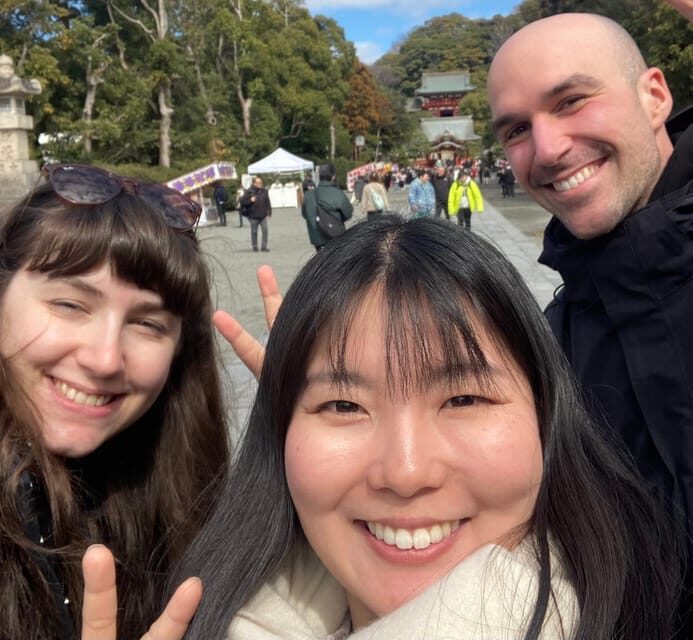
- Small group (max 6) means you can ask questions without feeling packed in
- Kelly, a licensed English guide born and raised in the area adds local context and shortcuts
- Kotoku-in + samurai and Zen connections turn a photo stop into a story
- Hase-dera’s deck views + garden time give you the classic Kamakura beach-and-town perspective
- Nerikiri and matcha at a recommended café makes the walking break feel special
- Local side streets help you experience the atmosphere you’d miss on a bus tour
Getting Oriented: A 13:00 Start That Works
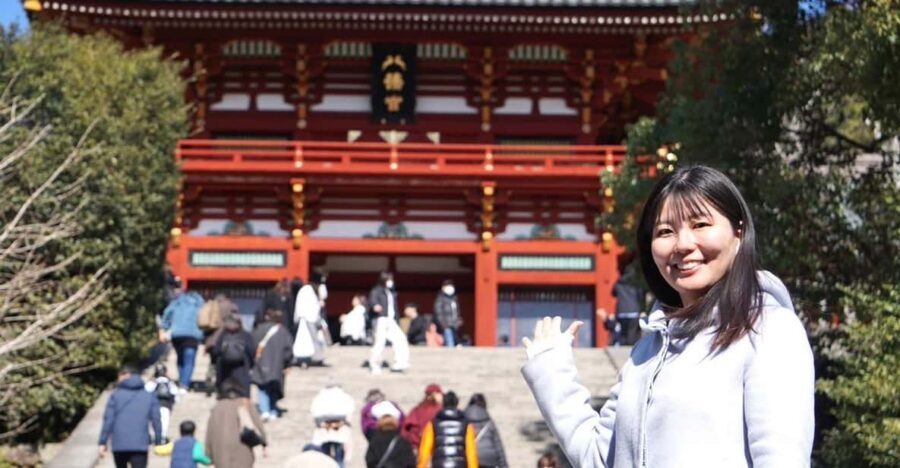
This tour starts at 13:00 and runs about four hours. That timing is handy because you can grab an earlier lunch on your own, then arrive in Kamakura when the crowds are often less aggressive than peak morning hours.
You meet right by the ticket gates at Kamakura Station East exit, and you’ll spot your guide with a board. From there, the rhythm is simple: short transit hop, then walking with story stops, tea, and shopping time at the end.
You can also read our reviews of more walking tours in Kamakura
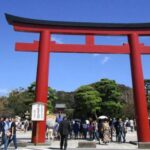
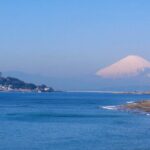
Meeting at Kamakura Station and Riding to Hase
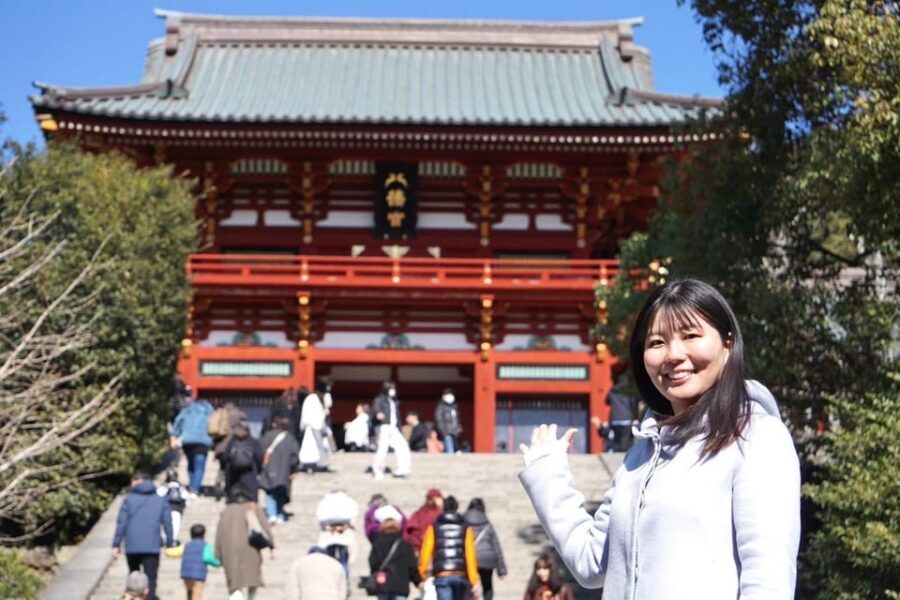
Right away, you’re oriented to the geography of Kamakura. After you meet, you take a local train to Hase Station for a quick repositioning, then you start temple touring.
One practical note: the local train fare between stations (¥200 one way) isn’t included. It’s not a deal-breaker, but it’s worth budgeting so you’re not scrambling to find a ticket machine when the group is moving.
Kotoku-in: The Great Buddha Stop That Feels Bigger Than Photos
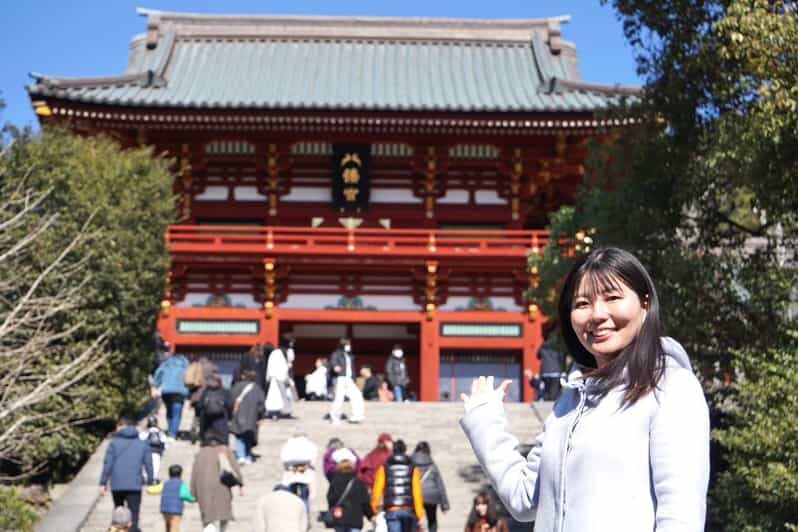
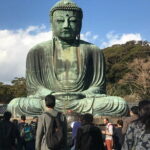
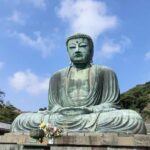
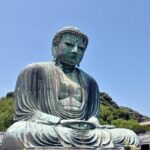
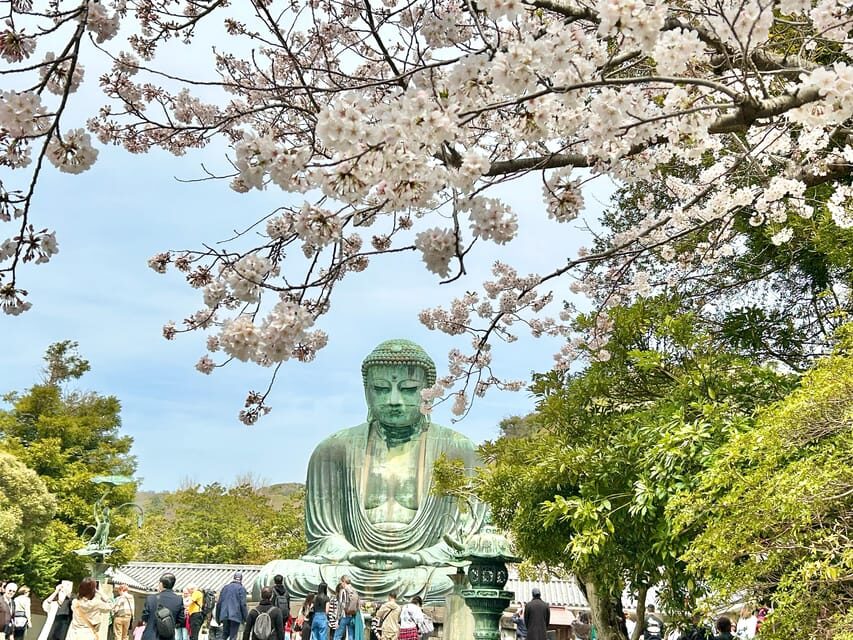
Your first major landmark is Kotoku-in and its Great Buddha statue, one of Japan’s most famous views and a huge photo target. What I liked here is that the visit isn’t just about the statue itself. Kelly explains the background of the Buddha and connects it to the cultural themes of the samurai period and Zen philosophy.
You get about 30 minutes at Kotoku-in, and entrance is included. Thirty minutes is enough to see the statue from the main viewpoints, read the key context your guide shares, and still have energy for the next stop instead of feeling hurried in the shade-less open spaces.
Photo tip: bring your camera settings ready. The light can change fast as you move around, and you’ll want clean shots without standing around guessing.
Hase-dera: Gardens, an Observation Deck, and a Donjon Cave
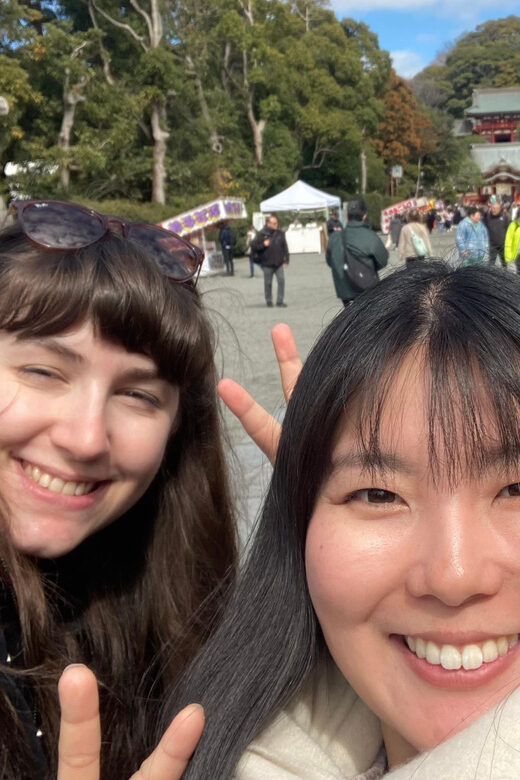
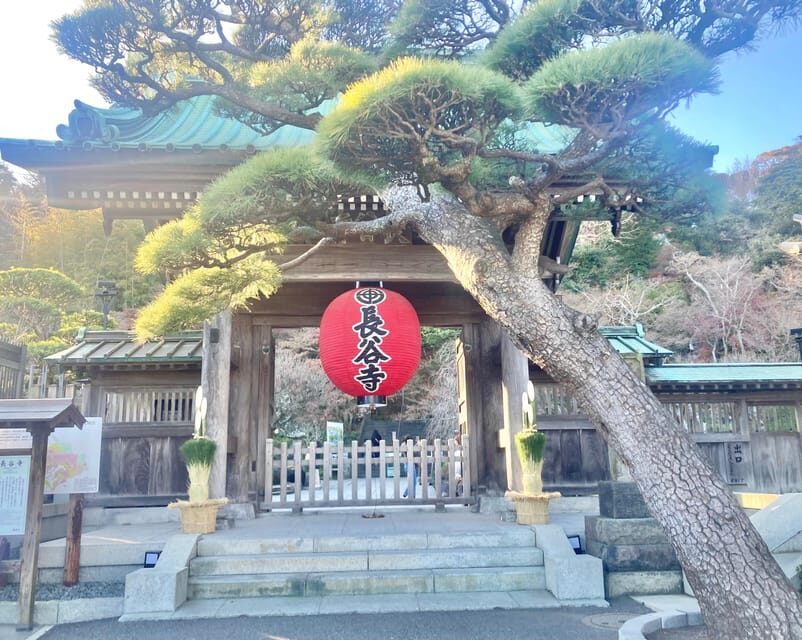
Next comes Hase-dera, with about one hour on site. This is where the tour shifts from landmark scale to a slower, more scenic feel.
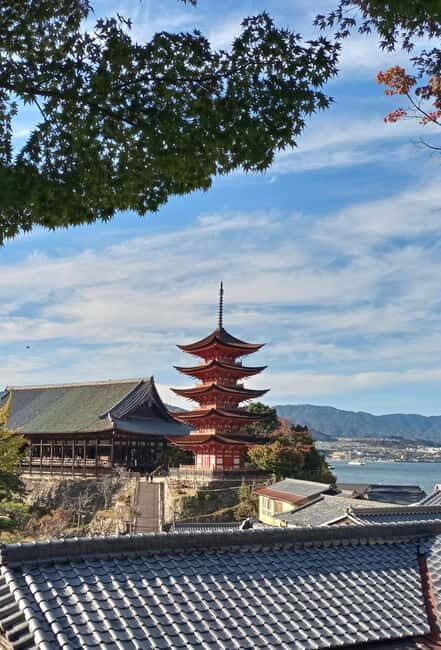
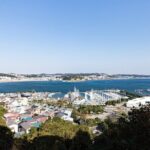
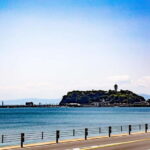
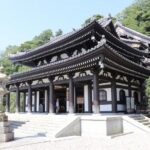
Hase-dera is known for beautiful Japanese gardens and an observation deck where you can admire the beach and the townscape of Kamakura. It’s also the place where you may spot something more mysterious in the precinct: a donjon cave. Even if you’re not a hard-core temple explorer, this stop offers those classic Kamakura visuals you came for.
Entrance fee here is included, and the garden setting tends to make the whole experience feel more reflective. You do want comfortable shoes though, since temple routes can mean steps and uneven ground.
Tsurugaoka Hachiman-gū: 800 Years of Samurai-Era Meaning
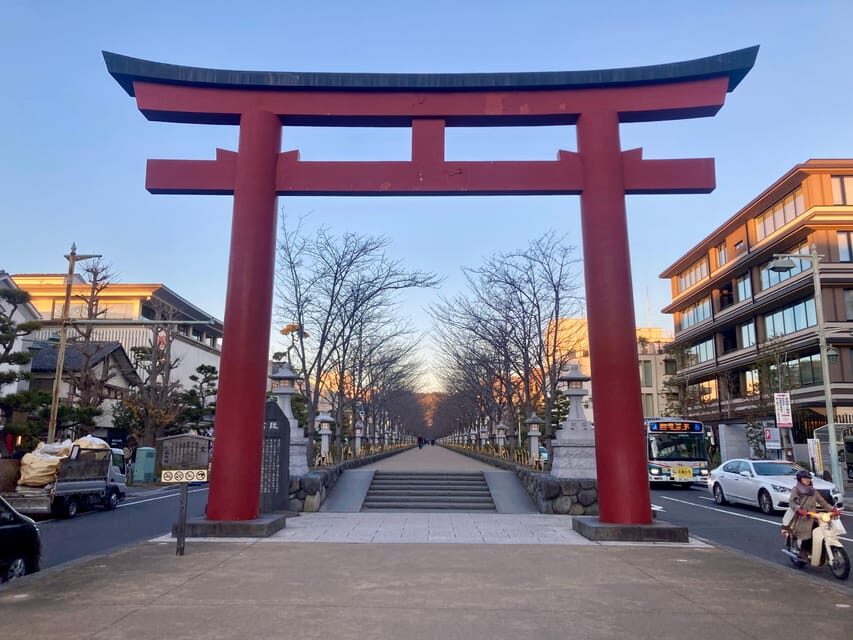
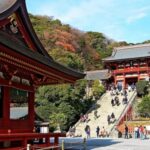
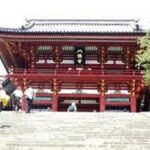
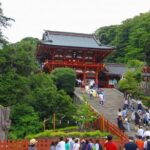
After Hase, the tour heads to Tsurugaoka Hachiman-gū, the shrine that sits at the heart of Kamakura. You’ll spend about 45 minutes, and there’s no entrance fee.
What I appreciate about this stop is the way Kelly frames it as living history, not just architecture. She shares background that links the shrine’s role with the samurai period, backed by the fact that Kamakura’s story stretches back roughly eight centuries. If you like when a place has a clear timeline, this shrine helps everything feel connected.
Even better, this is a good moment to slow down. You’ve done two heavy hitters already, and the shrine’s pacing helps you reset before the streets and sweets.
A few more Kamakura tours and experiences worth a look

Komachi-dori Tea Break: Nerikiri and Matcha in a Local Café
Then you hit Komachi-dori Street for tea and a sweets break. This is not a generic tourist dessert stop. Kelly takes you to a recommended café where you can try traditional sweets and matcha green tea, including nerikiri.
Nerikiri is the kind of sweet you really only get when you’re in Japan, and it feels like a small craft experience even if you just order and sit. Food cost is included on the tour, so you can focus on enjoying it instead of doing math mid-walk.
Some past participants also picked up the feeling that the tea moment had a personal touch, not just a checkbox. If the café offers extra hands-on matcha-related experiences, you might be able to try something beyond sipping, but don’t count on every session being identical.
Narrow Rear Streets and Shortcuts: Where the Real Kamakura Mood Happens
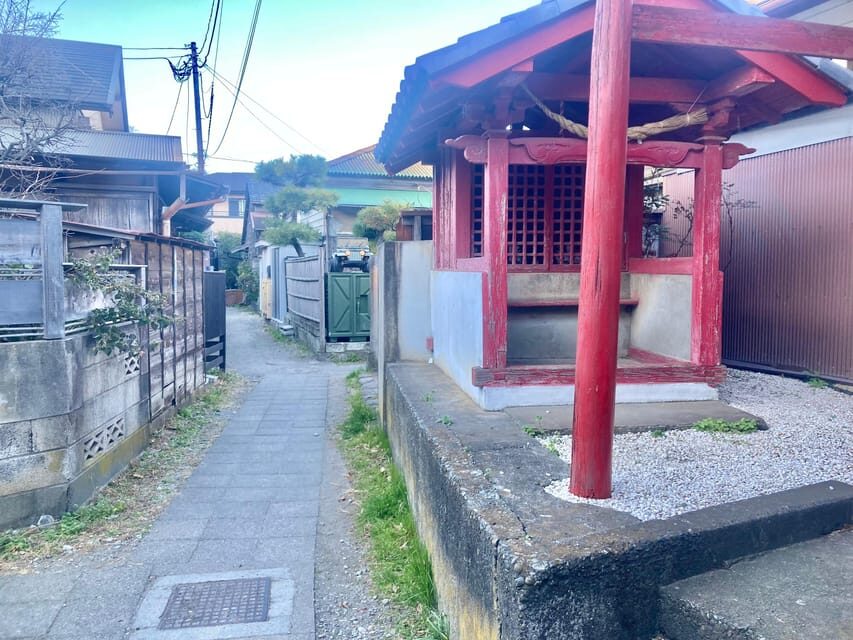
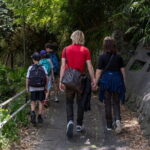
The best part for me isn’t only the famous temples. It’s the walk between them—especially the narrow streets and side lanes that most tourists skip.
Kelly leads you through smaller routes that feel familiar and local, including streets that have shown up in anime and TV dramas. The practical win is that you’re not just walking to see things; you’re walking efficiently through the parts of Kamakura that feel like an actual neighborhood.
There’s also a crowd-management benefit. Several participants noted Kelly helped with short cuts to avoid the most congested narrow sections, and that matters when you’re on a half-day schedule.
Komachi-dori Shopping: Time to Browse, Not Rush

By the time you reach the end area on Komachi-dori, you’ve earned some slow browsing. The tour includes time on both the more obvious shopping stretch and other areas that locals prefer.
This is where you can look for small souvenirs, snacks for later, or a few things that actually fit your travel style. I like this structure because you get temple history first, then you get to spend your energy on lighter fun without feeling like you missed the window.
The tour finishes on Komachi-dori Street, which is convenient because you’re basically dropped into a shopping and walking zone instead of somewhere isolated.
Price and Value: What You’re Paying For at $64
At $64 per person for a four-hour small-group walk, you’re paying for three main things: a licensed guide, access/entry where it matters, and a included food stop.
The price includes the local guide, entrance fees for Kotoku-in and Hase-dera, and the café costs for Japanese sweets and matcha. If you tried to do this on your own, you’d still pay entrance fees and you’d still spend time figuring out the order, pacing, and the best paths to move between spots. Kelly’s value is the way the story lands while you’re physically at the sites.
Not included: the train fare between Kamakura and Hase. Also, you should plan for comfortable spending at the end if you want to shop. But compared with other half-day city tours, this one feels tightly focused instead of bloated.
Who This Tour Fits Best (and Who Should Skip It)
This tour is a great fit if you want a walkable half-day that blends major sights with context. I’d especially recommend it if you like samurai and Zen themes, or if you want someone to explain what you’re seeing while you’re standing right there.
It’s also a good match if you enjoy food moments that aren’t random. The nerikiri and matcha stop is built into the route, and you don’t have to plan it yourself.
Skip it if stairs and long temple paths are a problem. The tour isn’t suitable for wheelchair users, and people with low fitness should think carefully, since you’ll be walking and climbing through temple precincts.
Final Call: Should You Book This Kamakura Walking and Sweets Tour?
If you want a short, high-impact way to understand Kamakura, this tour is an easy yes. I like that it’s not only “see the big thing” but also “understand why it matters,” and Kelly’s guiding style seems to keep the pace thoughtful instead of pushy.
Book it if you:
- want Great Buddha and Hase-dera in a single half-day
- care about the samurai and Zen connections behind the sights
- want a real café break with nerikiri and matcha included
- prefer a small group where you can ask questions
Hold off if you:
- need step-free access
- dislike walking on uneven temple paths
- don’t want to pay for a local train segment (since it’s not included)
FAQ
What time does the tour start, and how long is it?
The tour starts at 13:00 and lasts about 4 hours.
Where do I meet the guide?
Meet at Kamakura Station, at the tourist information center on the East exit, just next to the ticket gate. The guide will hold a meeting board.
How much does the tour cost?
The price is $64 per person.
What’s included in the price?
Included items are the local licensed English guide, entrance fees for Kotoku-in and Hase-dera, and food cost at a café (Japanese sweets and matcha green tea). It is also described as vegetarian friendly.
What is not included?
The local train fare between Kamakura and Hase is not included (¥200 one way). Any additional shopping is also not included.
Do I get tea and sweets on the tour?
Yes. You’ll take a break at a recommended café to try nerikiri and matcha green tea, and the café cost is included.
Is the tour offered in English, and is it a small group?
Yes, the live tour guide speaks English, and the group is limited to 6 participants.
Can I cancel for a refund?
Yes. You can cancel up to 24 hours in advance for a full refund.
Is it okay to wear any shoes?
High-heeled shoes are not allowed. The tour notes that some places have stair cases, so comfortable shoes are recommended.