REVIEW · KAMAKURA
Kamakura; First Samurai Capital walking tour
Book on GetYourGuide →Operated by Alpha Creation · Bookable on GetYourGuide
Samurai-era Kamakura starts quietly, then climbs. You begin at Kita-Kamakura Station and work up through Enkaku-ji and Kencho-ji, ending with the 800-year craft of Kamakura Lacquerware.
I love two things most: Yurie’s explanations that make the Zen world make sense fast, and the effort-reward moment of reaching the national treasure Bonsho after 135 stairs. The main drawback is simple planning: this tour is lots of walking, ups and downs, and the Butsuden at Kencho-ji can be closed for maintenance (listed as until 2027).
In This Review
- Key highlights you will feel on the ground
- Where Kita-Kamakura sets the tone for the First Samurai Capital
- Enkaku-ji: the Zen entrance sequence and the 135-stair payoff
- Kencho-ji: bigger scale, a maintenance note, and the feel of prestige
- Tsurugaoka Hachimangu: the hilltop shrine tied to warfare luck
- Dankazura and the 450m approach: walk the seacoast-to-gate connection
- Kamakura Lacquerware and Kamakurabori: the 800-year craft that still shows up today
- Price, value, and the right kind of traveler for this 210-minute route
- Should you book the Kamakura First Samurai Capital walking tour?
- FAQ
- How long is the Kamakura First Samurai Capital walking tour?
- Where do I meet the guide?
- What is included in the tour price?
- Are temple and shrine entrance fees included?
- Does the tour run in bad weather?
- Is this tour suitable for wheelchair users or very elderly visitors?
Key highlights you will feel on the ground
- Small group (up to 4) keeps the pace human and questions easy
- Kita-Kamakura first stop helps you start in a calmer pocket of town
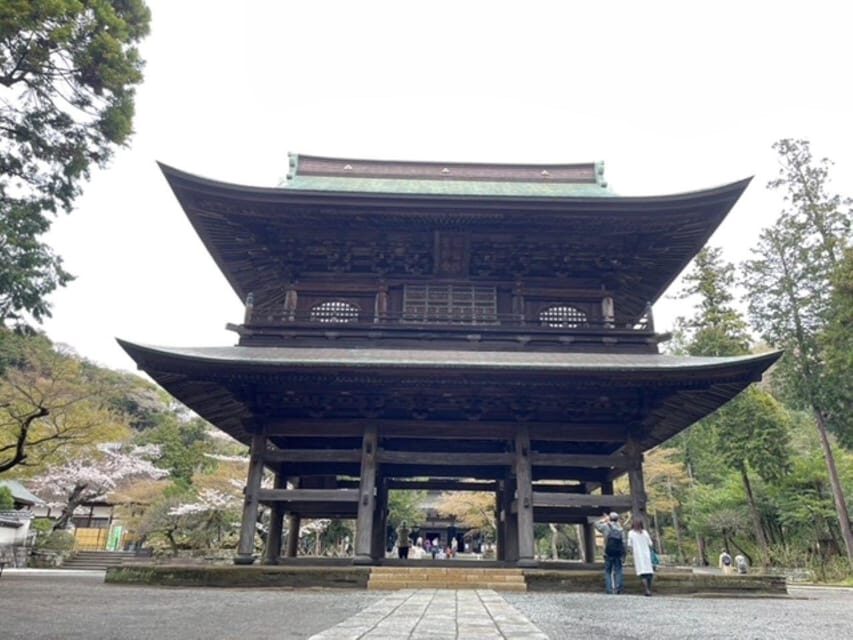
- Enkaku-ji temple route with Sanmon Gate, Butsuden, Hatto, and a national treasure bell
- Kencho-ji’s bigger Zen scale with an important maintenance note for Butsuden
- Tsurugaoka Hachimangu on the hill for power, ritual, and wide Kamakura views
- Kamakura-bori lacquerware museum finish that turns art into story
Where Kita-Kamakura sets the tone for the First Samurai Capital
Kamakura is famous for being close to Tokyo. What surprised me, even before the temples, is how the area around Kita-Kamakura Station feels more local and less “tour-bus” than you might expect. The tour starts here on purpose: it puts you into the right rhythm before you hit the big spiritual sites.
You’ll join the group at the East exit of Kita-Kamakura Station. A useful detail that matters in Japan: the Yokosuka Line is the only line that stops at Kita-Kamakura, and the platform is extremely long. If you’re coming from Tokyo, you’ll want the carriage closest to the driver and then exit the ticket gate toward the front of the platform for trains heading to Zushi, Yokosuka, and Kurihama. If you’re coming the other way (heading toward Tokyo), the instruction flips: ride the rear carriage, cross the railroad crossing to the other side, and exit at the closest ticket gate.
From there, the tour settles into a classic Kamakura pattern: walk a bit, stop, listen closely, then walk again. It’s not rushed, but it is active.
You can also read our reviews of more walking tours in Kamakura
Enkaku-ji: the Zen entrance sequence and the 135-stair payoff
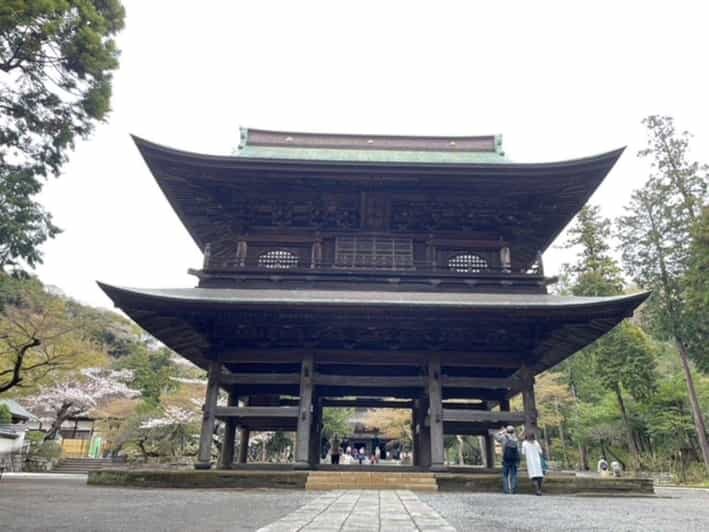
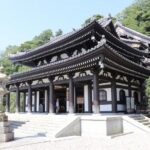
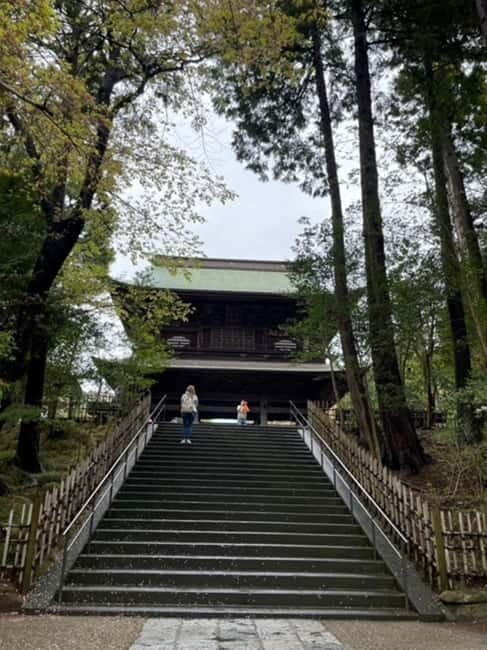
Enkaku-ji is the second most important Rinzai-Zen temple in Kamakura, and it shows why. You enter through the great Sanmon Gate, then move into the main halls in a way that feels like a tour through layers of Zen practice rather than just photos.
Here’s what you can expect to focus on at Enkaku-ji:
- Butsuden (Buddha Hall): you’ll admire the Buddha statue here
- Hatto (Dharma Hall): the ceiling painting of a dragon is a key visual moment
- Bonsho (temple bell): plan for the climb of 135 stairs to reach the bell, listed as a national treasure
That stair climb is the thing I’d prepare for mentally. It’s not a hike in the mountain sense, but you do feel it—especially if it’s warm out. The good part is that the bell isn’t just a “stop.” It’s the reward that makes the route feel earned.
If you want the best odds of enjoying Enkaku-ji, wear shoes you can trust on stone steps. Also, bring water and protection from sun or rain; the tour runs rain or shine, and you’ll be moving enough that weather can matter.
One more point: in the Zen temple world, details like hall names and ceiling paintings matter because they tell you how the temple teaches and preserves meaning. This is where a guide earns their pay—Yurie’s approach is to translate what these spaces are doing, not just recite dates.
Kencho-ji: bigger scale, a maintenance note, and the feel of prestige
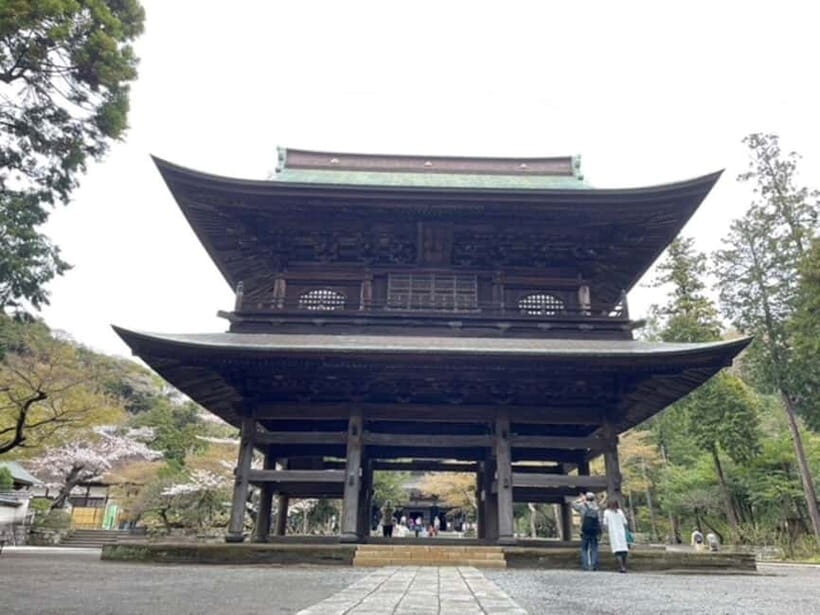
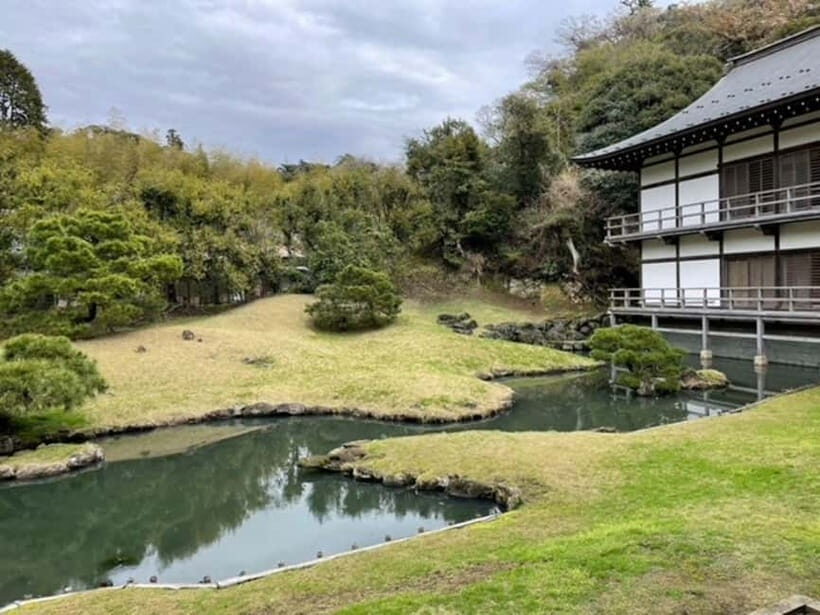
After Enkaku-ji, you walk on foot to Kencho-ji, the most prestigious Zen temple in Kamakura in this itinerary. The move between the temples is part of the experience: it gives your legs a short break while you shift your mental mode from one spiritual complex to the next.
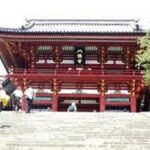
Kencho-ji is described as coming with the same major structures, but at a larger scale: Sanmon Gates, Butsuden, Hatto, and Bonsho as a national treasure. The key practical catch is the tour’s stated maintenance detail: the Butsuden at Kencho-ji is closed for maintenance until 2027.
That matters because you may not get every interior view you’ve hoped for. Still, the rest of the site is valuable—especially the way the guide explains what you can see and what you would typically expect in that hall. I like having that framing because it keeps you from feeling like something was taken away. You’re still getting the Kencho-ji scale, the route, and the cultural context.
This part of the day is where many people slow down a notch. Even when you’re walking, the temples encourage a calmer pace. If you’re the type who likes understanding how religious architecture communicates ideas, Kencho-ji is the payoff.
Tsurugaoka Hachimangu: the hilltop shrine tied to warfare luck
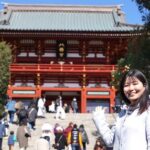
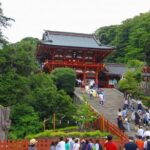
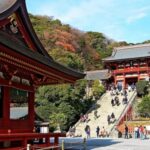
Now you pivot from Zen temples to a major shrine: Tsurugaoka Hachimangu. This is the symbol of Kamakura as the first Samurai capital, tied to the power of the shoguns and the public display of authority in the 1200s.
The shrine is dedicated to the Hachiman kami, the deity associated with good fortune in warfare. You’ll feel the symbolism immediately because of the location: it sits at the top of the hill. You’re not just walking to a building—you’re walking to a vantage point that fits what the shrine was meant to project.
You’ll also get a structured route:
- You’ll reach Tsurugaoka Hachimangu after walking through the approach area
- You’ll experience the shrine as a sequence of gates and courtyards
- You’ll end with time to take in the surrounding Kamakura view from the higher ground
Even if you’re not a shrine person, this is one of those stops where the cultural logic is easy to grasp. The route, the deity theme, and the prominence of the location all point to the same message: Kamakura was built to matter.
Dankazura and the 450m approach: walk the seacoast-to-gate connection
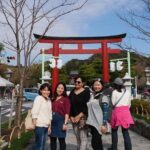
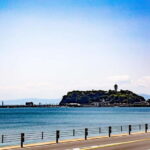
One of the most quietly satisfying stretches of the tour is Dankazura, a 450m walkway that runs from the then seacoast up toward the grounds of Tsurugaoka Hachimangu. It’s also famous for cherry blossoms, so if you’re in town during spring, this approach can feel extra special.
There’s a story here beyond scenery. Dankazura was built by the first Shogun as part of a prayer for the safe delivery of an heir. That detail adds a layer: you’re not just following a scenic promenade. You’re walking a path that was designed to carry hope, legitimacy, and political stability.
The tour also includes the transition between gates:
- You’ll walk through the approach toward the Third Torii gate
- Then you’ll go from the Third Torii to the current start point at the Second Torii
It’s an easy walk in terms of effort, but it’s meaningful in the way it connects the shrine to the town’s geography. If you like urban planning through a historical lens, you’ll probably enjoy this.
Kamakura Lacquerware and Kamakurabori: the 800-year craft that still shows up today
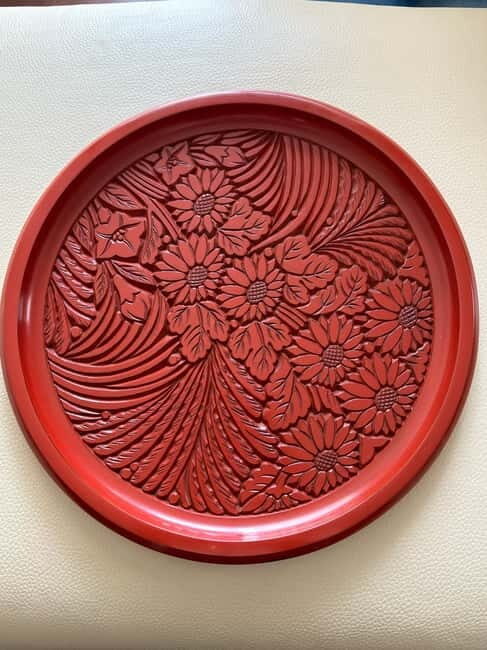
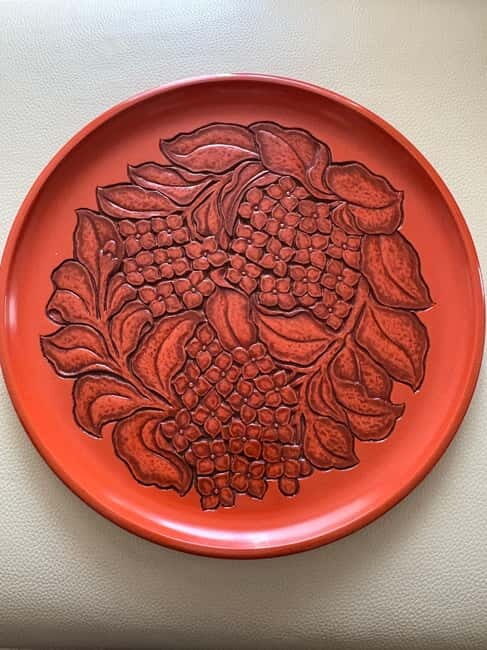
After temple and shrine focus, the tour ends with something tactile: Kamakura Lacquerware and the Kamakurabori Museum with a local gift shop and cafe stop.
This is where the story of Kamakura gets less spiritual and more everyday—without losing depth.
Key points the tour highlights about the craft:
- It’s an 800-year-old traditional craft that traces back to Buddhist sculptors
- It’s METI certified as a Japanese traditional craft
- During the Edo period, Kamakura lacquerware spread beyond Buddhist ritual items
- Today, it’s popularly used in tea ceremonies
At the museum, you can see works spanning from the Muromachi period (1336 to 1568) up to the present. That time range is important because it shows you the craft didn’t freeze in time. It kept changing—new objects, new uses, but the same core techniques.
If you want a souvenir that feels connected to the place rather than bought off a rack, this is a good finishing stop. Even if you don’t purchase, it helps you understand why the designs are valued. The guide’s explanations here are also a highlight; the craft is one of those subjects where context turns “cool objects” into “I get why this matters.”
Price, value, and the right kind of traveler for this 210-minute route
At $63 per person for about 210 minutes, this tour sits in the mid-range for Japan guided walks. Here’s why I think it’s decent value: your price covers a 3.5-hour English walking tour with a licensed guide plus admission to the Kamakura Lacquerware Museum. You’re paying for interpretation and time, not just transport from point to point.
You should budget extra for temple/shrine entry. Temple admissions are listed as approximately ¥500 each. The tour doesn’t include food and drinks either, so plan a meal on your own. The route is short enough that you can manage lunch after, but it helps to think ahead so you don’t end up hungry and tired while searching.
Also note the pacing and comfort needs:
- Expect comfortable shoes because there are stairs and uneven temple paths
- The tour takes place rain or shine
- Bring drinks and protection like a hat for hot summer sun
- If you want a goshuin, the guidance says to bring some cash (about ¥500)
This tour is especially suited to you if:
- You want temple context explained in clear English
- You like structured routes where names and roles of buildings matter
- You enjoy combining spiritual sites with a craft stop that has real historical continuity
It’s not a great match if you need wheelchair access (it’s listed as not suitable for wheelchair users), if you’re dealing with a cold, or if you’re over 95.
Should you book the Kamakura First Samurai Capital walking tour?
I’d book this tour if you want a focused half-day that connects Kamakura’s Samurai-era identity to how Zen temples and major shrines express power, ritual, and meaning. The structure is solid: Enkaku-ji sets the Zen tone, Kencho-ji brings scale (with a clear note about the Butsuden maintenance), Tsurugaoka Hachimangu anchors the Samurai symbolism, and the Kamakura-bori lacquerware stop gives you a satisfying cultural finish you can take home.
Skip it or consider alternatives if you strongly dislike stairs or if the Kencho-ji Butsuden closure would make the site feel incomplete for you. If you go in expecting a bit of effort and a story-driven route, this tour gives you more than a checklist.
FAQ
How long is the Kamakura First Samurai Capital walking tour?
It lasts about 210 minutes, roughly 3.5 hours.
Where do I meet the guide?
Meet at Kita-Kamakura Station, East exit.
What is included in the tour price?
You get a 3.5-hour English walking tour with a licensed guide, plus admission to the Kamakura Lacquerware Museum.
Are temple and shrine entrance fees included?
No. You should plan for about ¥500 for each temple.
Does the tour run in bad weather?
Yes. The tour happens rain or shine.
Is this tour suitable for wheelchair users or very elderly visitors?
No. It is listed as not suitable for wheelchair users, people with a cold, and people over 95 years.
You Might Also Enjoy
 Private tour Tokyo – The Harmony of Modernity and Tradition
 Private Day Tour in Osaka and Kyoto with charter car
![[One-day bus tour departing from Kanazawa Station] Shirakawa-go and Gokayama - Two World Heritage Villages Enjoyable Bus Tour - What your $88.44 covers (and what it does not)](https://images.thejapantraveler.com/wp-content/uploads/one-day-bus-tour-departing-from-kanazawa-station-shirakawa-go-and-gokayama-two-world-heritage-villages-enjoyable-bus-tour.jpg) [One-day bus tour departing from Kanazawa Station] Shirakawa-go and Gokayama – Two World Heritage Villages Enjoyable Bus Tour
[One-day bus tour departing from Kanazawa Station] Shirakawa-go and Gokayama – Two World Heritage Villages Enjoyable Bus Tour Mount Fuji Day Tour:Lake Kawaguchi, HealingVillage,Oshino Hakkai