REVIEW · TOKYO
Private tour Tokyo – The Harmony of Modernity and Tradition
Book on Viator →Operated by My Japan Guide · Bookable on Viator
Tokyo changes outfits every few blocks. This private 8-hour walk pairs Imperial Palace calm with Shibuya’s crosswalk scene, and the guide tunes the route to your group. One watch-out: the day moves in time slots, so you’re not doing slow, lingering museum hours at every stop.
I like the practical side, too: hotel pickup means you lose less time getting started, and you’ll learn how to ride subways and walk the streets with less guesswork. Just plan on budgeting for transit and your own food and drinks, since those aren’t included.
In This Review
- Key things you’ll notice right away
- A private 8-hour game plan across Tokyo’s eras
- Hotel pickup plus real subway confidence
- Imperial Palace: a free entry start with a calm center
- Meiji Jingu Shrine and Senso-ji: two spiritual vibes in one day
- Meiji Jingu Shrine
- Senso-ji Temple
- Tsukiji Fish Market and Ueno Park: food culture and local hangouts
- Tsukiji Fish Market
- Ueno Park
- Shibuya Crossing: the recognizable finale with real-world energy
- Price and logistics: where the value really comes from
- Who should book this private Tokyo walk (and who might not)
- Should you book this tour?
- FAQ
- How long is the private tour?
- What time does the tour start?
- Are tickets and admissions included for the main stops?
- Is hotel pickup and drop-off included?
- What about food, drinks, and transportation?
- What is the cancellation policy?
Key things you’ll notice right away
- Private, small-group feel with only your group participating
- Hotel pickup and drop-off to simplify logistics in a big city
- A classic Tokyo arc: imperial grounds → shrine/temple → market/parks → Shibuya
- Free-entry stops on the listed highlights, so you’re paying for guidance, not ticket costs
- Guide-led navigation through streets and subways so you can repeat it later
- All-weather operation, so dress for wind and rain like a local
A private 8-hour game plan across Tokyo’s eras
This is a great format if you want Tokyo’s “two-speed” personality in one day. You start with places that feel orderly and quiet, then you shift to streets where everyone moves with purpose and the city’s technology-forward mood takes over.
The tour is built around a simple rhythm: you visit major sights, spend about 30 minutes at each listed stop, and then move on. That pacing is useful on a first trip. You get a strong overview without burning the whole day waiting in lines or figuring out transit. It also makes customization easier—your guide can swap order or adjust based on what your group cares about most.
Price-wise, at $196.48 per person for an ~8-hour private experience, it’s not “cheap.” But it can be good value because several big highlights have free admission (Imperial Palace grounds, Meiji Jingu Shrine, Tsukiji Fish Market, Senso-ji, Ueno Park, and Shibuya Crossing). You’re paying primarily for the human factor: route planning, timing, and a guide who helps you move through Tokyo without turning it into a second job.
One more point: the experience is commonly booked about 68 days in advance on average. That tells you it’s a popular day format for first-time visitors, families, and anyone trying to reduce planning stress.
You can also read our reviews of more private tours in Tokyo



Hotel pickup plus real subway confidence
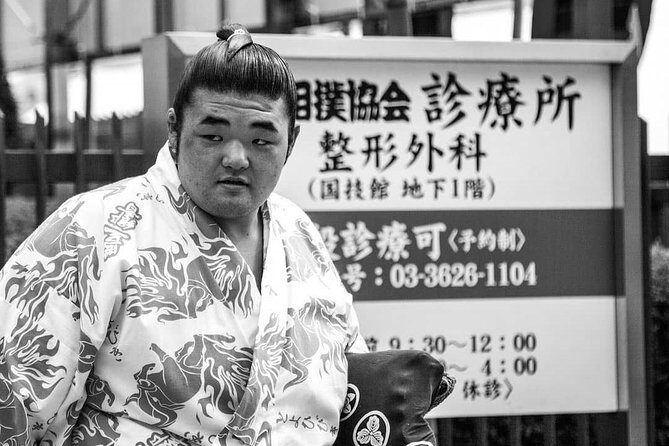
Tokyo navigation can feel intimidating at first. That’s where this tour earns its keep.
You get hotel pickup and drop-off, which matters because Tokyo isn’t just big—it’s also spread out in a way that makes “meet me near the station” plans annoying. Being picked up avoids the common trap: spending your energy hauling bags and hunting for the exact meeting spot.
Then your guide helps you actually travel through the city like a local, using streets and subways. This isn’t just about getting from A to B. You’ll learn patterns you can reuse later—like which way to walk inside busy station areas and how to avoid wasting time in the wrong direction.
Keep expectations realistic on included costs: the tour includes the local guide, but transportation to and from attractions averages JPY 1,500 per person per day. Food and drinks are not included unless specified. So if you’re the kind of traveler who needs a mid-day snack break (most of us), bring a plan—either budget for it or ask your guide to suggest places based on what you like.
As for timing, the start is 10:00 am. That’s a workable middle ground. Morning is early enough to get sights before the heaviest afternoon crowding, but not so early that you’re fully awake before your first coffee.
Imperial Palace: a free entry start with a calm center
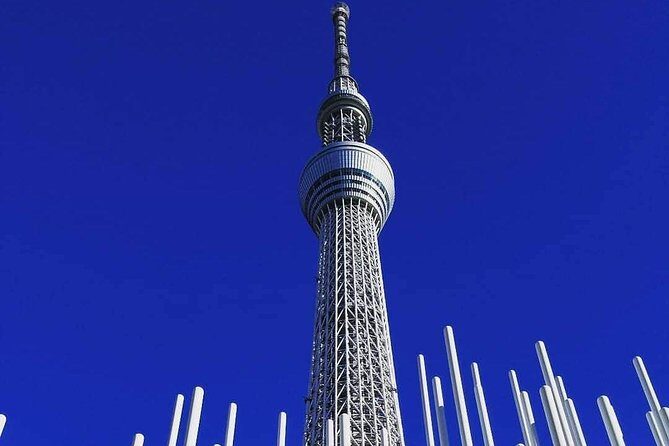
The Imperial Palace is a strong place to begin because it sets the tone. It’s the primary residence of the Emperor of Japan, and even when you’re just touring parts of the grounds, the mood is unmistakably different from the rest of Tokyo.
You get about 30 minutes here, and that’s enough to take in the big, official scale without losing the day to one location. Since admission is listed as free, you’re not paying for access to the experience. You’re paying for guidance—so your guide can help you focus on what’s meaningful rather than pointing at everything.
A practical note: because the Palace area is calm and orderly, it’s also a good reset for your legs. If your group is traveling with different energy levels, this kind of stop can be a nice “breather” before you head into louder, more crowded neighborhoods later.
If you prefer a more structured pace, this start usually works well. If you want more time here, your guide can tailor the day—Tokyo is flexible that way when you’re not doing a fixed bus tour.
Meiji Jingu Shrine and Senso-ji: two spiritual vibes in one day
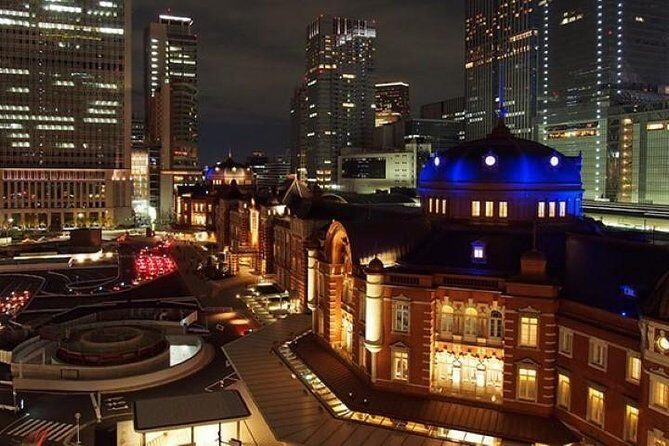
Tokyo’s spiritual sites feel different even when you compare them side by side. This tour gives you two that contrast nicely.
Meiji Jingu Shrine
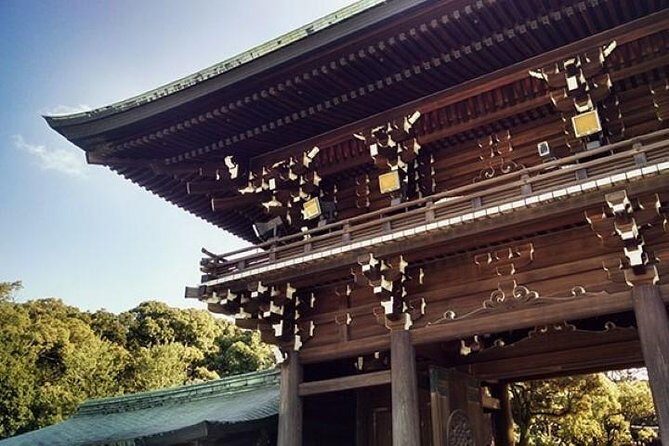
You’ll visit Meiji Jingu Shrine, dedicated to the deified spirits of Emperor Meiji and his wife. The point here isn’t just seeing a gate and walking paths. It’s experiencing how a Shinto shrine can feel restful and grounded even while you’re still in a world-class metropolis.
Again, it’s about 30 minutes, and admission is listed as free. That’s the right length for a first look, especially when the rest of the day is packed with other major areas.






Senso-ji Temple
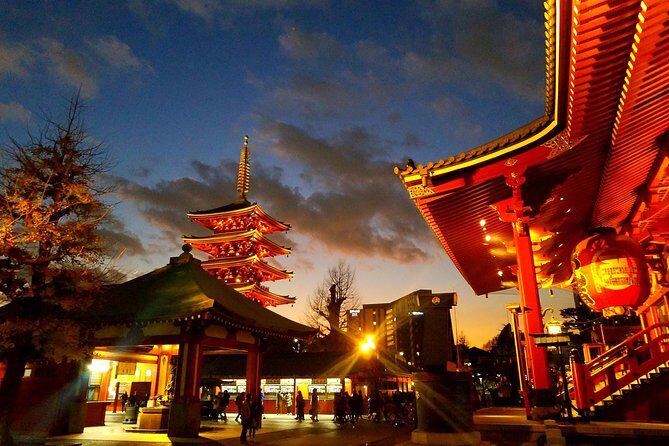
Then comes Senso-ji, Tokyo’s oldest temple and one of its most significant. This stop is usually more energetic in atmosphere than a shrine you might describe as quieter or more contemplative. That shift can feel like stepping from one chapter of Tokyo into another.
With 30 minutes on the clock, you’ll have time to take it in, but you won’t be doing an all-day temple study session. Still, for most people, that’s exactly what you want in an 8-hour overview day.
If your group has strong interests—history, religion, architecture—tell your guide early. Customization is a core part of the experience, and you’ll get a better day when they know your priorities from the first stop.
Tsukiji Fish Market and Ueno Park: food culture and local hangouts
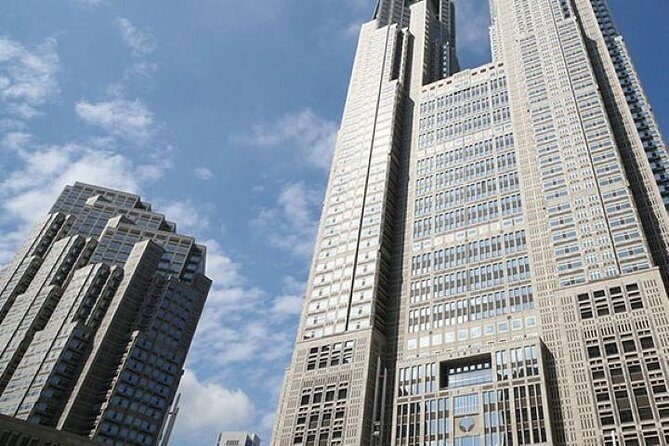
This is where Tokyo starts to feel like it’s feeding itself.
Tsukiji Fish Market
You’ll stop at Tsukiji, which was home to the world’s largest fish market. Even if you’re not thinking about seafood as your main vacation theme, it’s a fascinating window into how Tokyo’s food systems work and why so many neighborhoods feel shaped by what gets traded, cooked, and sold.
You’re scheduled for about 30 minutes here with free admission listed for the stop. That’s enough time to get a sense of the place and take in the visual culture without turning it into a rushed scavenger hunt.
One practical consideration: markets can be loud and full of moving bodies. If your group includes kids, older travelers, or anyone with mobility limits, you’ll want to keep your group together and follow the guide’s pacing. (The tour does operate in all weather, so bring layers.)
Ueno Park
Next is Ueno Park, a favorite destination for Tokyo residents. The big reason this stop works in an “overview day” is that it’s not only a park. It’s also a hub that connects you to other key attractions, including the Tokyo National Museum and Toshogu (listed as part of what you can find within).
Your allotted time is again around 30 minutes, with admission listed as free for the visit. So think of it as a taste. If you’re museum-leaning, you might ask your guide to spend a bit more time here or adjust the order later.
This pairing—Tsukiji for food energy and Ueno for local space—is one of the best ways to see Tokyo’s everyday rhythm, not just its headline landmarks.
Shibuya Crossing: the recognizable finale with real-world energy
You’ll finish with Shibuya Crossing, one of Tokyo’s most identifiable scenes. It’s the kind of place that could feel like a postcard if you visit with no context. With a guide, it’s more than that. You learn how people move through it, how the timing works, and what to watch for as the crowds flow.
Your schedule includes about 30 minutes here. That’s enough time to see the crossing from a couple angles, watch the transitions, and let your group soak up what “Tokyo modern” actually feels like at street level.
It also makes a smart ending because it’s visual and easy to remember. After a day of temples, shrines, and parks, Shibuya is a clean contrast that helps your brain file the day as a complete story.
Price and logistics: where the value really comes from
At $196.48 per person, you’re essentially paying for three things:
- The guide who can tailor the day and help you navigate.
- Hotel pickup and drop-off, which saves time and stress in Tokyo.
- A tight overview itinerary of major landmarks, many with free admission.
The admissions listed for the key stops are free, which is rare for a “big-name” sightseeing day. That’s why you don’t feel like you’re paying ticket after ticket. Instead, your cost goes toward coordination and on-the-ground interpretation.
The main trade-offs are practical. Since the stops are time-boxed, you need to treat this as an overview and not a deep-dive into every neighborhood. And since food and drinks are not included, you should plan for meals separately. If you’re the type who wants a guided lunch, you may need to ask for suggestions and plan around them yourself.
One more balanced note: there has been at least one negative experience reported about billing communication. That doesn’t mean this tour is risky, but it does point to a common travel lesson: confirm pricing details clearly before you go. If something looks ambiguous, ask for it in writing so there are no surprises.
Who should book this private Tokyo walk (and who might not)
This tour is a strong match if:
- You’re visiting Tokyo for the first time and want a balanced mix of modern and traditional in one day
- You want to reduce planning time and avoid navigating subway transfers on your own
- Your group includes different interests and you want the day adjusted to fit them
- You’d rather pay for guidance than spend hours mapping routes
It may not be ideal if:
- You prefer to roam slowly without structure
- You want long stops at museums, markets, or shopping districts every time
- Your budget is very tight after factoring in transit and your own meals
If your group has kids, the tour requires children to be accompanied by an adult. It operates in all weather, so it’s best for families who can handle a walking day in rain or sun with the right clothing.
Should you book this tour?
I’d book it if you want a classic Tokyo sampler that doesn’t feel chaotic. The mix of Imperial-area calm, shrine and temple significance, market and park culture, and then Shibuya’s street-level modern energy is a smart arc for an 8-hour day.
If you do book, do two things to get the best outcome. First, tell your guide what matters most—food, history, photography, or simply learning how to navigate. Second, budget time and money for your own meals and transit (there’s an average transit cost and food isn’t included).
And if you’re careful about pricing details, send a quick message asking for a clear breakdown before you pay. It’s a small step that can protect your peace of mind.
FAQ
How long is the private tour?
The duration is listed as about 8 hours.
What time does the tour start?
The start time is 10:00 am.
Are tickets and admissions included for the main stops?
Admissions for the listed highlights are listed as free (including the Imperial Palace, Meiji Jingu Shrine, Tsukiji Fish Market, Senso-ji, and Ueno Park).
Is hotel pickup and drop-off included?
Yes. Hotel pickup (and drop-off) is included.
What about food, drinks, and transportation?
Food and drinks are not included unless specified. Transportation to/from attractions averages JPY 1,500 per person per day.
What is the cancellation policy?
You can cancel for a full refund if you cancel at least 24 hours before the experience’s start time. If you cancel less than 24 hours before, the amount paid is not refunded.