REVIEW · TOKYO
Practicing Zen through Japanese Tea Ceremony
Book on Viator →Operated by True Japan Tour · Bookable on Viator
Tokyo slows down for tea and Zen. This hands-on session is a breather from Tokyo noise, focused on matcha and the quiet rhythm of the ritual. You’ll learn what the steps mean, then copy the process yourself, guided by a licensed tea master.
I especially like the hands-on practice: you don’t just watch the ceremony, you make tea as part of the class. And the pace is short and manageable at about 1 hour 15 minutes, so it feels doable even on a packed itinerary.
One consideration: the Zen angle is real, but the format leans more toward doing the ceremony than deep Zen theory. If you came hoping for long philosophy lessons, you might want to pair this with a museum or book later.
In This Review
- Key highlights worth planning for
- A Calm Pause in Minato, Not Another Museum Stop
- Zen in Practice: What You’ll Actually Be Doing
- Your Start Moment: Setting the Atmosphere Before the Whisk
- Matcha 101: Learning to Whisk the Right Way
- Wagashi Pairing: The Sweet That Belongs with Matcha
- The Ceremony Flow: Utensils, Hanging Scrolls, and Meaning
- You’ll Make Tea Too: The Second Ceremony Moment
- Price and Value: Is $64.50 Worth It?
- Group Dynamics and Timing That Keep It Peaceful
- Who Should Book This Tea Ceremony (and Who Might Skip It)
- Should You Book Practicing Zen through Japanese Tea Ceremony?
- FAQ
- What is the duration of the experience?
- Where does the tea ceremony take place?
- Is this experience in English?
- Do I get to make matcha myself?
- Are matcha and sweets included?
- Is pickup or drop-off included?
- How big is the group?
- Do I need to bring food or extra beverages?
- When will I receive confirmation after booking?
- What is the cancellation window?
Key highlights worth planning for
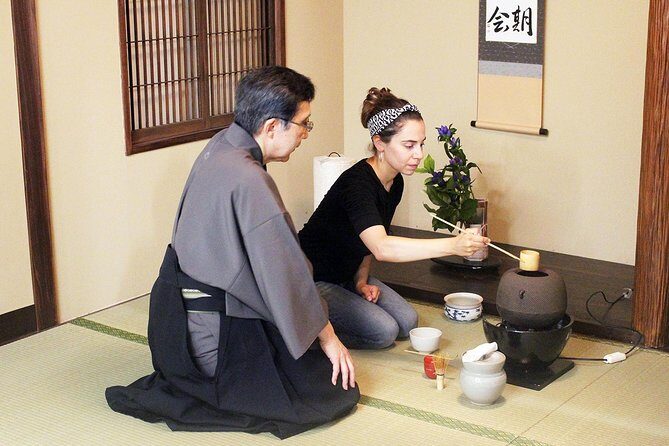
- Licensed bilingual tea master guidance: instruction and explanations are in English (plus bilingual support).
- Classical matcha preparation: you’ll practice proper ceremonial-style whisking and tea-making steps.
- Wagashi paired for the matcha: you taste traditional sweets chosen to complement matcha flavor.
- You perform a second ceremony: you get a guided chance to try the ritual yourself.
- Meaning beyond drinking: you learn connections to Zen practice, plus the role of utensils and hanging scrolls.
- Small-group feel: limited to a maximum of 28 people, which helps keep the atmosphere calm.
A Calm Pause in Minato, Not Another Museum Stop
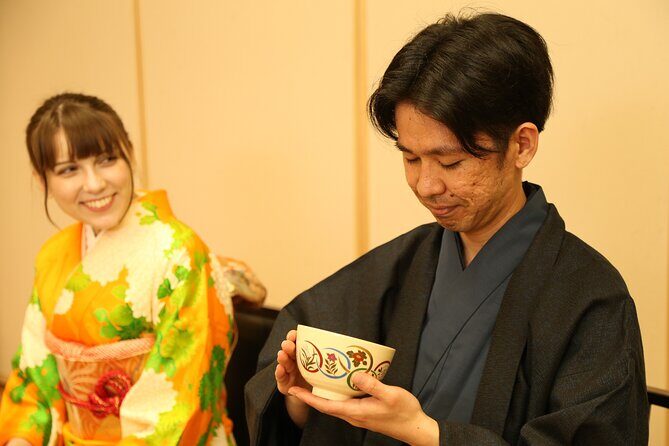
This tea experience is built for one thing: slowing your brain down on purpose. Tokyo is great, but it can run on full throttle. A ceremony like this gives you a small, structured quiet space where attention matters more than sightseeing.
The meeting point is at Kikai Shinkō Kaikan in Minato City, in the Shibakōen area (Tokyo 105-0011). It’s also described as near public transportation, which matters because tea classes work best when you arrive unrushed and ready to focus.
What makes the location choice feel smart is the theme: a tea ceremony isn’t meant to be background noise. The setting is meant to recreate the traditional tea-atmosphere, with an intimate, welcoming feel. Some sessions are held in a basement-style room inside an office building, which can actually help the quiet—though it also means you’ll want to dress comfortably for a slightly enclosed space.
You can also read our reviews of more tours and experiences in Tokyo.



Zen in Practice: What You’ll Actually Be Doing
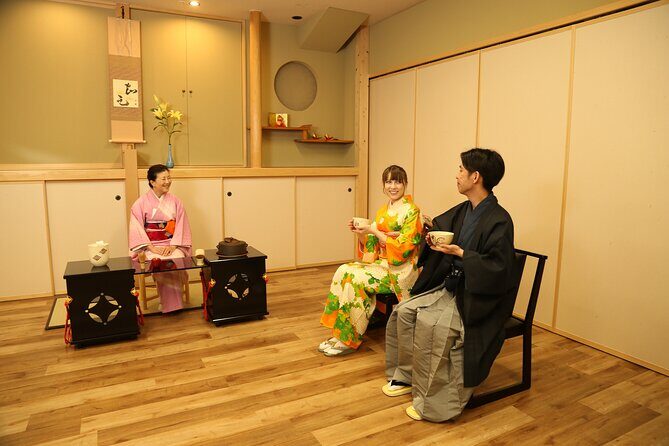
Calling it Zen practice isn’t just marketing language. In this class, Zen shows up in how you handle the ritual: attention, timing, and respectful movement. You’re not asked to “be enlightened.” You’re guided to act with intention, step by step.
Expect the tea master to explain the ceremony’s traditions and meanings while guiding you through the process. That pairing—doing the motions while hearing why they matter—is where the calm comes from. One short meditation moment is part of the experience, and it sets the tone before the whisking starts.
The balance, though, is worth noting. The ceremony is the main event. The Zen content is explained as a connection to the ritual and the way it shapes attention and hospitality, not as an extended lecture. For many people, that’s the ideal way to learn: you understand Zen through action, not theory.
Your Start Moment: Setting the Atmosphere Before the Whisk
Before you touch matcha, you’ll get oriented so you know what to watch and what to try. This is more important than it sounds. The ceremony uses specific utensils, and part of the learning is recognizing what each item is for and how it fits into the flow.
The tea master is bilingual and licensed, and the explanations are in English. That means you can follow along even if Japanese cultural etiquette isn’t already in your toolkit. It also helps prevent that awkward feeling of watching something beautiful but not fully understanding what you’re seeing.
A warm welcome is part of what makes this class work. People have described tea masters like Yuuko-san and Miyuki as thoughtful and welcoming, and that kind of pacing matters in a small-room experience. When the host keeps things calm and clear, the ritual lands better.
Then you’ll move into the actual ceremony sequence—mindful, paced, and designed so you’re not left scrambling.
Matcha 101: Learning to Whisk the Right Way
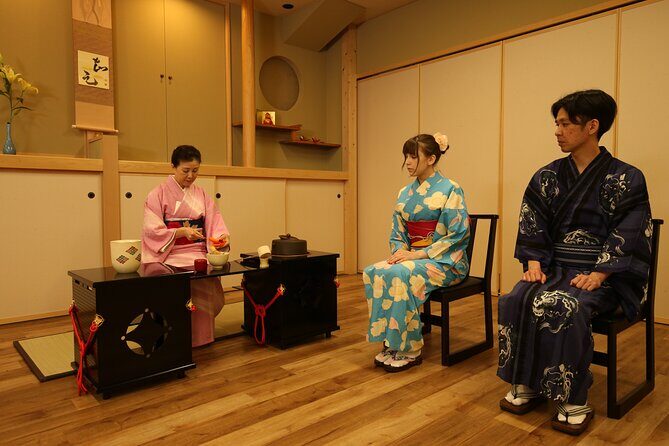
Matcha in a ceremony isn’t just green tea in a cup. It’s texture, foam, temperature, and technique. In this class, you’re shown how to prepare matcha using classical ceremonial methods, then you get to try it yourself during the session’s guided portion.
Here’s what you should pay attention to while learning:
- How the tea master handles the bowl and tools (small motions, controlled pace).
- How the whisking method changes the outcome, especially the smooth feel you’re aiming for.
- How much water and how the blend is formed before serving.
Even if you’re a matcha fan already, this is where you learn the “why” behind the ritual. The process trains your attention. You’re doing one job at a time—measure, mix, watch, adjust—rather than multitasking with your phone or thinking about the next stop on your route.
The class also includes authentic matcha green tea, so you’re not buying supplies or improvising at home. That’s a real value point, because the supplies can be the pricey part of trying matcha at home.
Wagashi Pairing: The Sweet That Belongs with Matcha
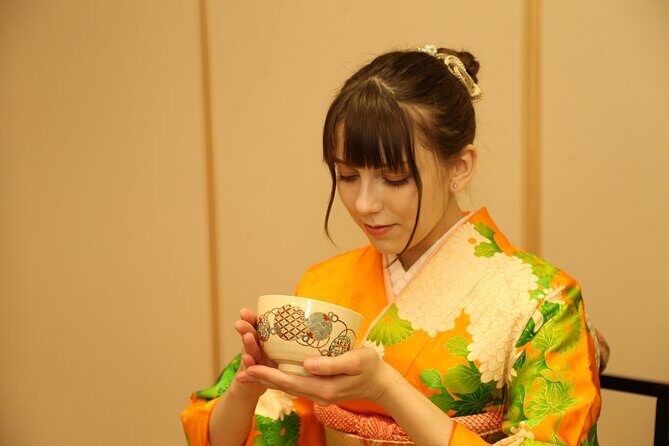
One of the most enjoyable parts of this ceremony is the wagashi. You’ll taste traditional Japanese sweet confections chosen specifically to complement your ceremonial matcha.
Wagashi is where the ceremony quietly becomes a flavor lesson. Matcha can taste grassy, a little bitter, and intensely green. Wagashi helps balance that with sweetness and texture, so the matcha doesn’t dominate. The pairing is part of the hospitality idea: thoughtful hosting through what you serve and when you serve it.
In a practical sense, this is also a great way to understand Japanese aesthetics without needing background knowledge. You’ll taste the match between flavors and then connect it to the ceremony’s logic. It’s not random sweets; it’s meant to fit the cup.
If you usually skip sweets, don’t panic. The class includes traditional confections selected for matcha, which usually means portions and flavors are designed to work with the tea’s character rather than overpower it.






The Ceremony Flow: Utensils, Hanging Scrolls, and Meaning
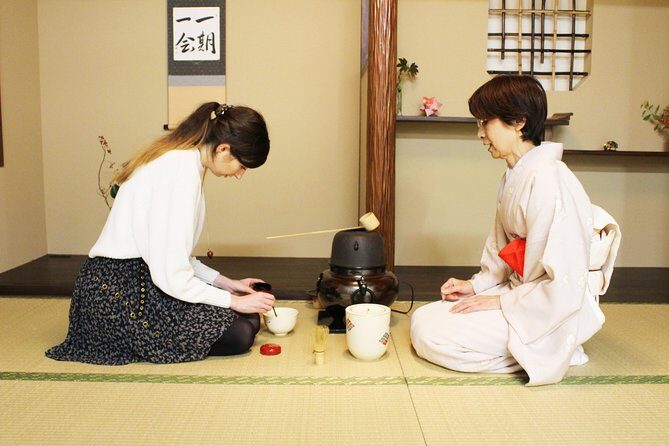
The tea master doesn’t just run you through steps. You also learn what the ritual is doing in a broader sense. Included in the English explanation are connections to Zen practices, plus hanging scrolls and tea utensils.
That detail matters. In many tea demonstrations, the talk can feel like an afterthought. Here, the meanings are tied to what you’re doing, so you don’t just remember the steps—you understand what they represent.
You’ll likely learn the purpose of key utensil roles: what each item is used for, how it supports the process, and why the ceremony uses particular forms instead of “whatever works.” This is the difference between a casual drink and a ritual designed for attention.
And hanging scrolls are a common symbolic element in tea spaces, where the scene and message help shape the mood. Even if you don’t know what the scroll means immediately, you’ll understand that it’s part of the atmosphere the host is creating.
This is also why the class is a good alternative to a museum visit. You’re experiencing culture through daily-life artistry, not just reading labels.
You’ll Make Tea Too: The Second Ceremony Moment
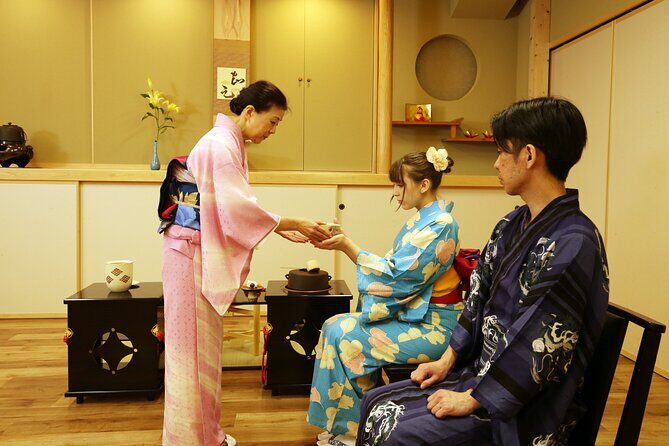
A key reason this class feels worth your time is the structure. You don’t end after watching a performance. You participate.
The included program includes a tea ceremony performance by a tea master with 5+ years’ experience, then a second tea ceremony performed by you with instruction. That means you get a guided chance to translate what you learned into your own hands.
This is where the class becomes memorable. It’s one thing to understand the steps. It’s another to feel the rhythm and realize how easy it is to rush—then learn how to slow down on purpose.
One review highlighted that people were surprised (in a good way) to be making tea themselves, and that doing so improved the whole experience. The short meditation also helps because it primes you for the “do it carefully” feeling the ceremony expects.
If you’ve ever wanted a souvenir skill that isn’t a plastic keychain, this is that. You’ll know how the ceremony logic works and what to try again later.
Price and Value: Is $64.50 Worth It?
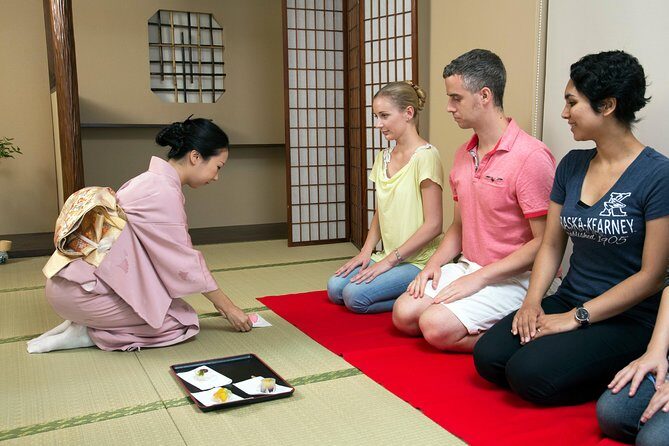
At $64.50 per person, this experience isn’t the cheapest thing on a Tokyo list, but it also isn’t just an entertainment show. Your money supports several concrete components:
- A bilingual licensed tea master with 5+ years’ experience (for the performance and instruction).
- Authentic matcha green tea.
- Traditional Japanese sweet confections paired for matcha.
- A session designed to recreate the ceremonial atmosphere.
- You making tea as part of the guided flow, not only watching.
- English explanation of Zen connections, hanging scrolls, and utensils.
Time-wise, it’s about 1 hour 15 minutes, which is a smart length for a focused cultural activity. You get learning without losing your whole day.
Group size is capped at 28, and that matters for quality. In a ceremony setting, too many people can turn everything into “look, don’t touch.” Here, the cap helps maintain a more personal pace.
Also note that it’s commonly booked about 8 days in advance on average, so it’s not something I’d leave to the last minute if your schedule is tight.
Group Dynamics and Timing That Keep It Peaceful
The class format is designed to feel calm, but your own expectations matter. This is not a party vibe. It’s a quiet ritual with instruction.
A maximum of 28 people usually means you’ll still get enough attention to follow the steps. The tea master’s pacing and the group’s shared focus help keep the room from turning into chatty chaos.
You’ll receive confirmation within 48 hours of booking, based on availability, and the ticket is mobile. Those details are practical, but they also reduce stress: you can plan your day without endless back-and-forth.
Timing is also important. Because it’s roughly 1 hour 15 minutes, you can fit it between major sights. Just don’t schedule it right after something that might run long. Tea ceremonies reward arriving ready to participate.
Finally, because pickup and drop-off aren’t included, plan your route so you arrive early. Tea rituals work best when you don’t feel like you’re rushing in at the last second.
Who Should Book This Tea Ceremony (and Who Might Skip It)
This is a strong fit if you want:
- A calmer activity that teaches culture through hands-on practice.
- A short, guided learning experience with English explanations.
- An excuse to slow down and do something carefully for once.
It’s also great for food-minded travelers, even if you’re not a “tea person.” The matcha preparation and wagashi pairing turn it into a sensory lesson.
It may be less ideal if you’re mainly chasing long-form Zen philosophy. One drawback noted is that the ceremony experience is heavier on the tea ritual than on Zen theory or deep practice. You’ll learn the connection, but you won’t leave with hours of spiritual instruction.
And if you dislike enclosed rooms, pay attention to the fact that the ceremony space can be in a basement-style room in an office building. It’s part of the quiet atmosphere, but it’s still good to know what you’re walking into.
Should You Book Practicing Zen through Japanese Tea Ceremony?
If you want a Tokyo experience that’s actually different from walking and photographing, I’d book this. For $64.50, you’re getting more than a show: you’re learning matcha preparation in a classical way, tasting wagashi paired for the tea, and performing a second ceremony yourself with instruction.
It’s also one of those rare activities that gives you a practical skill you can repeat later—plus cultural meaning you can carry home. If you’re the type who enjoys etiquette, food rituals, and slow attention, this class will feel satisfying fast.
Before you book, set your expectations: treat it as a tea-centered ritual with Zen connections, not a full Zen workshop. If that matches your mood, you’ll leave with calmer thoughts and a new way to look at hospitality.
FAQ
What is the duration of the experience?
It’s approximately 1 hour 15 minutes.
Where does the tea ceremony take place?
The meeting point is Kikai Shinkō Kaikan, 3-chōme-5-8 Shibakōen, Minato City, Tokyo 105-0011, Japan. It ends back at the meeting point.
Is this experience in English?
Yes. Explanations about the tea ceremony, Zen practices, hanging scrolls, and tea utensils are provided in English.
Do I get to make matcha myself?
Yes. You’ll do a second tea ceremony yourself with instruction.
Are matcha and sweets included?
Yes. Authentic matcha green tea and traditional Japanese sweets (wagashi) are included.
Is pickup or drop-off included?
No. Pickup & drop-off services are not included.
How big is the group?
The experience has a maximum of 28 travelers.
Do I need to bring food or extra beverages?
No. Any extra food or beverages are not included, but the matcha and sweets are part of the program.
When will I receive confirmation after booking?
Confirmation is received within 48 hours of booking, subject to availability.
What is the cancellation window?
Free cancellation is available up to 24 hours in advance of the experience start time for a full refund. Changes within 24 hours of the start time aren’t accepted.