REVIEW · TOKYO
Tsukiji Food Strolling and Hama Rikyu Garden Walking Tour
Book on Viator →Operated by Reelu inc · Bookable on Viator
Tokyo tastes better with a good guide. I love the Tsukiji market walk with a local guide, and I love the quiet stop at Hama Rikyu Gardens right after. The only drawback: you’ll handle your own lunch and snacks, plus any optional matcha and wagashi (around 1,000 yen).
You’re also not stuck in a huge crowd. This runs about 2.5 hours with a small group (max 12) and uses a mobile ticket, so you can focus on the sights and your food choices instead of logistics.
In This Review
- Key highlights you should care about
- Tsukiji Hongwanji Temple: a calm start before the market noise
- Tsukiji Jogai Market: seeing the wholesale world the right way
- What you’ll learn while you walk
- Food tasting: plan for extra spending
- Timing note: morning tends to feel best
- How the group stays manageable (and why that matters)
- Hama Rikyu Gardens: the switch from commerce to quiet
- What’s included
- Seasonal flowers: go with curiosity, not certainty
- Matcha and wagashi etiquette: the optional tea-house lesson
- Is it worth it?
- Price and value: what $32.32 covers (and what it doesn’t)
- Who this tour is best for (and who may want something else)
- Small details that make the day smoother
- Should you book the Tsukiji + Hama Rikyu tour?
- FAQ
- How long is the tour?
- What does the tour price include?
- Is admission to Hama Rikyu Gardens included?
- Is lunch included?
- Is matcha and wagashi included?
- Where do I meet the tour?
- Where does the tour end?
- What is the group size?
- Is free cancellation available?
Key highlights you should care about
- A temple warm-up at Tsukiji Hongwanji: Indian- and Western-inspired architecture, with free entry.
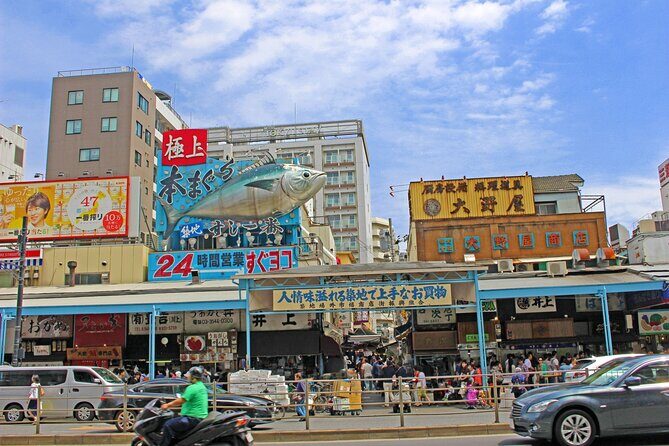
- A guided walk through Tsukiji’s key market areas: Tsukiji Jogai Market included, with context so you know what you’re seeing.
- Scale that’s hard to imagine until you’re there: about 480 seafood types and 270 produce types.
- Edo-period calm at Hama Rikyu: a garden visit with admission covered.
- Optional matcha and wagashi etiquette: learn the customs, then taste; it’s on-site and extra (about 1,000 yen).
Tsukiji Hongwanji Temple: a calm start before the market noise
Most Tokyo food days start with stomachs, not scenery. This one begins with a short stop at Tsukiji Hongwanji Temple, near the market area, and it’s a smart move.
You’ll spend about 10 minutes here. Admission is free, and the point isn’t a long sightseeing detour. It’s a reset. Inside, you get a peaceful atmosphere and a striking architectural mix described as Indian- and Western-inspired. It’s a gentle way to shift gears from train-rush to food-focus.
Practical tip: keep your shoes comfortable and your phone charged. You’ll be on your feet again quickly, and the next stop is the part where your eyes and appetite both get busy.
You can also read our reviews of more walking tours in Tokyo
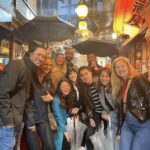
Tsukiji Jogai Market: seeing the wholesale world the right way
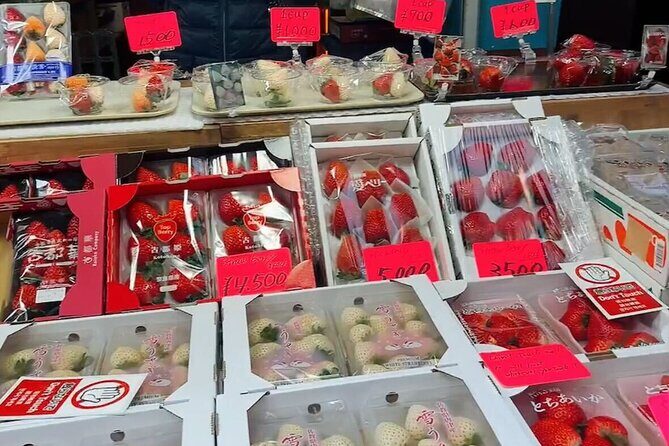
The main course is Tsukiji. This tour includes Tsukiji Jogai Market for about 1 hour, and that hour matters because you get guided orientation instead of wandering and hoping.
Here’s the scale your guide puts into words: Tsukiji has an 83-year history as a central wholesale market, and it handles about 480 types of seafood and 270 types of produce. In plain terms, it’s not just a place to grab breakfast. It’s a working supply hub where you’ll notice how products are presented, categorized, and discussed.
What you’ll learn while you walk
You don’t just get a route. You get context—history and current knowledge—so the stalls make sense. The strongest guides tend to explain what you’re looking at in a way that helps you decide what to taste. Names you may see leading these walks include Masumi, Miyuki, Yuko, and Erica, all of whom are known for being friendly and informative.
Food tasting: plan for extra spending
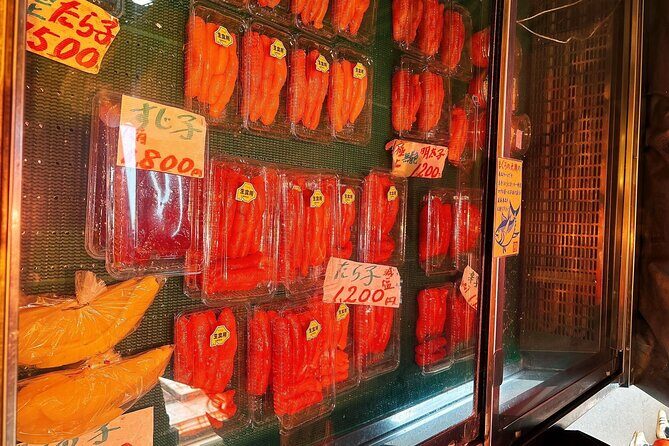
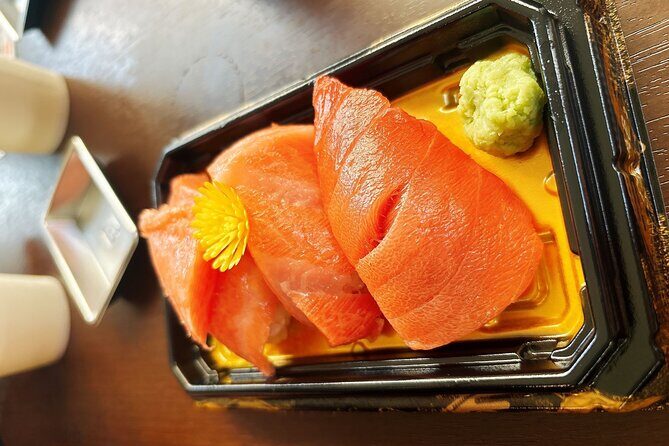
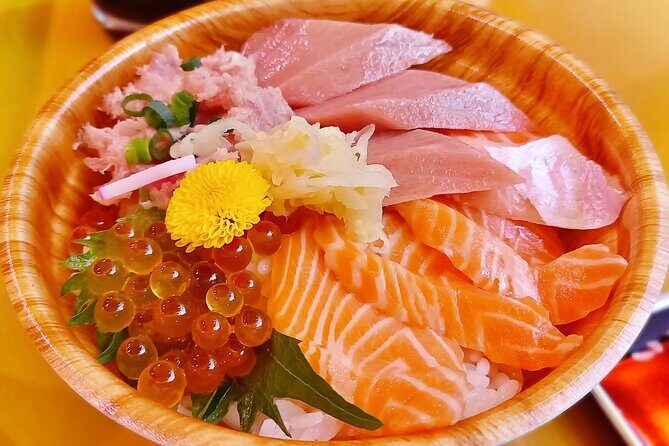
Food and drinks are not included. You’ll buy your own snacks and any bites you want to try as you stroll. That’s worth stating upfront because Tsukiji can lure your wallet fast: seafood-heavy menus, fruit stands, and prepared items all show up in the chaos.
That said, I like that the tour doesn’t pretend everything is included. You can sample lightly, or you can eat like it’s a food festival—your call.
One thing to consider: if you’re expecting detailed coaching on every single item, you might want to choose this for the “walk + guidance” style, not a full-on eating class. Some guides are clearly very strong at history and current context, while a different pace can feel more about direction than deep explanation.
Timing note: morning tends to feel best
A good pattern for this part of Tokyo is arriving with energy. One helpful hint from past experiences is that doing it earlier in the day tends to work well. If you can, aim for the morning option when you book—Tsukiji’s atmosphere pairs well with a fresh start.
You can also read our reviews of more food & drink experiences in Tokyo


How the group stays manageable (and why that matters)
This isn’t an all-day tour, and it’s not a massive group. With up to 12 people, you’re more likely to get quick questions answered and to keep your pace without getting swallowed by the crowd.
At around 2 hours 30 minutes total, the schedule is built to keep you moving:
- quick temple intro (about 10 minutes)
- market time (about 1 hour)
- garden time (about 1 hour)
Between stops, you’ll walk. Nothing about this screams marathon, but you should expect standing and moving through busy areas.
Practical tip: bring cash for small purchases. The tour itself is priced at $32.32 per person, but your actual food budget still lives outside that price.
Hama Rikyu Gardens: the switch from commerce to quiet
After Tsukiji, the tone changes fast. You’ll head to Hama Rikyu Gardens, and the contrast is the whole point.
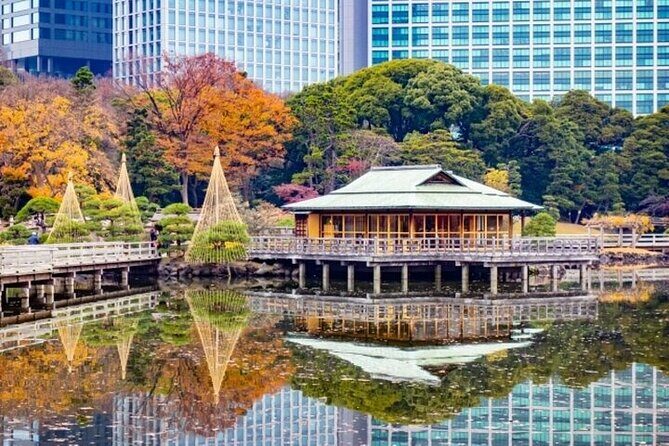
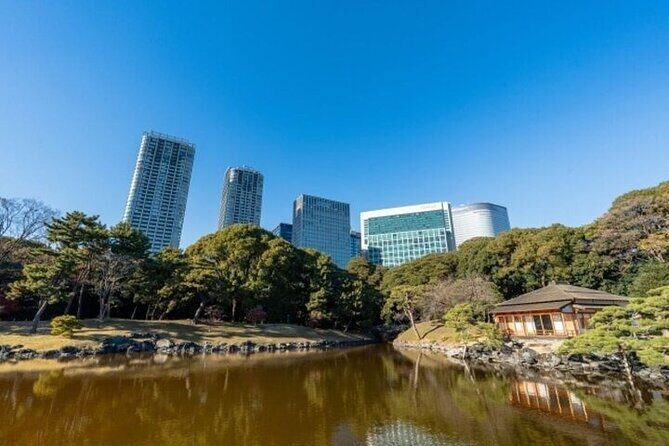
This garden was created during the Edo period, which means it’s over 370 years old. It’s also described as a tranquil oasis between skyscrapers near Tsukiji, so you get that rare Tokyo feeling: the city outside is loud, and the garden inside slows you down.
What’s included
Admission to Hama Rikyu is included (paid as 300 yen per person). The visit is about 1 hour, and you’ll end at the tea house area. If you want, you can be escorted to the entrance gate afterward.
Seasonal flowers: go with curiosity, not certainty
The tour notes that depending on the season you can see different colorful flowers in bloom. That means you shouldn’t schedule expectations like a checklist. Instead, treat it as a “what’s in season today” kind of garden. You’ll still get the Edo-era setting and the calm design, whether the flowers are showing or not.
Practical tip: if you’re taking photos, keep your pace slow in the garden sections. You’ll want a moment to look, not just snap and shuffle.
Matcha and wagashi etiquette: the optional tea-house lesson
One of the smartest add-ons here is also the easiest to skip: the matcha and wagashi tasting with etiquette guidance.
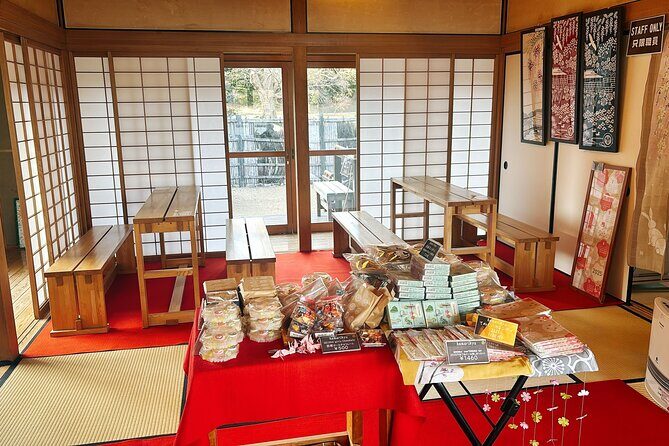
It’s optional, costs about 1,000 yen, and is paid on-site. You’ll learn Japanese etiquette while tasting the tea and sweets. For me, this turns the garden stop from just pretty views into a small cultural moment you can actually do.
Is it worth it?
If you enjoy tea culture or you want a short, structured way to learn a bit of Japanese manners, it’s a great fit. If you’re not into sweets, you can still get value from the garden walk; the tea experience is optional.
Also, because it’s on-site, it’s another reason to budget a little beyond the base tour price.
Price and value: what $32.32 covers (and what it doesn’t)
At $32.32 per person, this tour can feel like a bargain or a fair deal depending on how you plan to eat.
Here’s what you can count as value:
- a local guide
- Hama Rikyu Gardens admission covered (300 yen per person)
- guided time through Tsukiji’s key market area plus a temple stop
- the experience runs about 2.5 hours with a small group
What’s not included:
- lunch
- snacks
- any optional purchases like the matcha and wagashi (about 1,000 yen)
So the math is simple: if you eat only a couple of small items in Tsukiji and skip the optional tea, you’ll likely spend close to the tour price. If you go full Tokyo-food mode—sushi, fruit, wagyu-style bites, and sweets—you’ll spend more, but you’ll also get more out of the Tsukiji part.
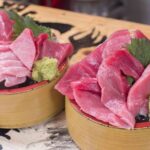
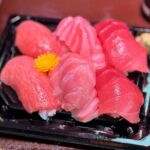
A note based on what people tend to eat here: some past participants have described sampling items like sushi, wagyu beef, and fresh fruit. You shouldn’t assume the tour guarantees those exact foods, but the market makes them possible, and your guide can help you choose.
Who this tour is best for (and who may want something else)
This is ideal if you want a guided food-and-culture combo with a strong morning structure and a calm finish.
You’ll likely enjoy it most if:
- you like learning what you’re seeing, not just taking photos
- you want an easier way to navigate Tsukiji’s dense market feel
- you want a break after eating—Hama Rikyu is your reset button
- you’re okay buying your own snacks and lunch
You might choose something else if:
- you want a tour where all food is included (this isn’t that)
- you need a lot of time in one place rather than a two-stop contrast (market + garden is the design)
- you’re sensitive to crowds and standing; the area is active, even if the stops are only about an hour each
Small details that make the day smoother
A few practical points can save you stress:
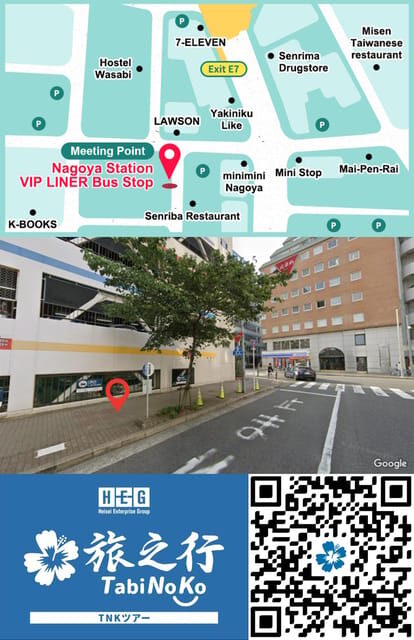
- Meeting point is Starbucks Coffee at Tsukiji Station (Chuo City, Tsukiji, near the provided address).
- You’ll finish at Hama Rikyu Gardens, at the tea house area, with optional help to reach the entrance gate.
- You’ll use a mobile ticket.
- Group size stays small (max 12), which usually means easier conversation.
- It’s near public transportation, so you should be able to plug it into your Tokyo route without too much detour.
Also, dress like you’ll be walking on city floors for a couple hours. Comfortable shoes aren’t optional here.
Should you book the Tsukiji + Hama Rikyu tour?
Yes, if you want a morning that actually connects the dots—Tsukiji market context, then a real change of pace with Edo-era gardens. The included garden admission and guided structure make it good value for a 2.5-hour plan, especially if you’ll enjoy shopping for a few tasty bites on your own.
Maybe skip or compare if your top priority is a full meal with set dishes included. Since food and drinks aren’t part of the package, your total spend depends on how much you eat in Tsukiji and whether you add matcha and wagashi.
If you like the idea of learning while walking—then cooling down among trees and water features—this is a smart, balanced Tokyo day.
FAQ
How long is the tour?
The tour lasts about 2 hours 30 minutes.
What does the tour price include?
You get a local guide, plus admission to Hama Rikyu Gardens.
Is admission to Hama Rikyu Gardens included?
Yes. The tour includes the admission fee of 300 yen per person.
Is lunch included?
No. Lunch and snacks are not included, and you’ll purchase food and drinks individually.
Is matcha and wagashi included?
It’s optional. If you choose it, it costs about 1,000 yen and is paid on-site.
Where do I meet the tour?
You meet at Starbucks Coffee – Tsukiji Station, at the address provided for the meeting point.
Where does the tour end?
The tour ends at Hama Rikyu Gardens, with dismissal at the tea house. You can also request an escort to the entrance gate.
What is the group size?
The tour has a maximum of 12 travelers.
Is free cancellation available?
Yes. You can cancel up to 24 hours in advance for a full refund.