Beppu can feel like another planet, and this day trip is built around that exact wow factor. You’ll move from quirky Nyoirinji Frog Temple to the Hells of Beppu geothermal sites, then spend time in Yufuin, a town that’s basically designed for strolling and snack stops. The timing is tight, but the mix is smart: heat, history, and a calmer onsen-town mood in one long day.
Two things I really like about this tour are the bilingual guide and the sense that you get more than just quick photo stops. The guide helps stitch Kyushu’s onsen heritage and folklore together, and the Beppu segment includes Jigoku Mushi cooking, which turns geothermal energy into something you can actually eat. The other big win is comfort: you ride in an air-conditioned vehicle, which matters when your day is mostly on the road.
One drawback to consider is how the schedule can feel stretched. It’s an overall 10-hour day with a long drive, and if there’s traffic before the first site, you may feel like you’re racing a little between stops, especially in Yufuin where time is limited.
In This Review
- Key highlights
- A long day, but a very efficient route out of Fukuoka
- Nyoirinji Frog Temple: a free 40 minutes of strange and sweet
- Beppu’s Jigoku geothermal zones: steam, history, and UNESCO energy
- Jigoku Mushi cooking: when hot spring heat becomes lunch (or a snack moment)
- Kurokawa Onsen-style hot spring time: plan for the extra fee
- Yufuin: two hours that feel like a reset
- Floral Village and Totoro-like shopping fun in Yufuin
- Lake Kinrin: misty, calm, and easy on the schedule
- Yunotsubo Kaido and Snoopy Chaya for snacks and souvenirs
- The guide makes the day: Alex, humor, and clear direction
- Value for $71.05: what you’re really paying for
- Who this tour suits best
- Should you book this Fukuoka Beppu and Yufuin day tour?
- FAQ
- FAQ
- What time does the tour start?
- How long is the day tour?
- Where is the meeting point?
- Do I get back at the same place?
- Is the tour ticket mobile?
- Is the guide bilingual?
- Are any stops optional in Yufuin?
- Is lunch included?
- Are hot spring fees included?
- What is the group size limit?
Key highlights
- UNESCO-recognized Beppu Jigoku geothermal sights with 1,300 years of onsen tradition in the background
- Jigoku Mushi cooking, where food is cooked using steam heat from the hot springs
- Nyoirinji Frog Temple with 5,000+ frog figurines, and free admission
- Optional Yufuin add-ons like Floral Village and Lake Kinrin, depending on timing
- Yunotsubo Kaido street time for local snacks and a Snoopy-themed café stop
A long day, but a very efficient route out of Fukuoka
This is a straight-up “get a lot done” kind of tour. You start at 8:30 am at the Lawson Oriental Hotel Fukuoka Store near Hakata, and you’re back at the same meeting point by the end. Expect roughly 10 hours total, which means you’re paying for convenience as much as sightseeing: the vehicle handles the intercity travel so you don’t have to figure out trains, transfers, and connections.
The ride is also part of the value. You travel in a climate-controlled, air-conditioned bus, which is a big deal in Japan when weather can swing. The group is limited to up to 35 people, so it feels manageable, not like a school trip with 80 strangers.
The one thing to mentally prepare for is the road time. Beppu and Yufuin are not around the corner from Fukuoka, so yes, there’s a long drive. That said, the trade is that you can fit major stops into one day without spending your vacation time commuting.
A few more Fukuoka tours and experiences worth a look
Nyoirinji Frog Temple: a free 40 minutes of strange and sweet
The day opens at Nyoirin-ji Temple, famous for its frog statues. You’ll get about 40 minutes here, and admission is free. This isn’t just a quick “look and go” shrine, either. The attraction is that you can wander and spot 5,000+ unique frog figurines, which makes the place feel like a treasure hunt.
Why it works for a day tour: it’s short enough not to steal the schedule, but it’s engaging enough that you arrive in Beppu already smiling. It’s also a good buffer stop before the geothermal sites because you’re walking at a slower pace, not plunging straight into steam-and-heat mode.
Practical tip for this kind of stop: treat it like a warm-up. Use the first minutes to scan the grounds so you don’t feel rushed later when the group is already thinking about the next station.
Beppu’s Jigoku geothermal zones: steam, history, and UNESCO energy
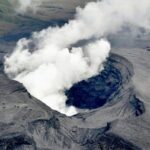
Next comes the heart of the trip: Beppu Jigoku. This is described as a UNESCO-recognized hot springs area, and the context is part of why the stop is worth it. You’re looking at geothermal activity that has supported Japan’s onsen culture for about 1,300 years. The scale is huge too: 2,700 springs across 50 square kilometers.
You’ll have about 1 hour 30 minutes at this segment, and entry is free (as part of the tour’s included stops). The guided aspect matters here. Hot spring steam can look like scenery, but with a guide, it becomes a living system with history—how the region developed its bathing culture and local traditions around the geothermal heat.
One important consideration: there are multiple “hells” in Beppu, and this tour is time-limited. You might not see every single site people talk about, but you should still come away with a clear understanding of what makes Beppu special and why it’s famous.
Jigoku Mushi cooking: when hot spring heat becomes lunch (or a snack moment)
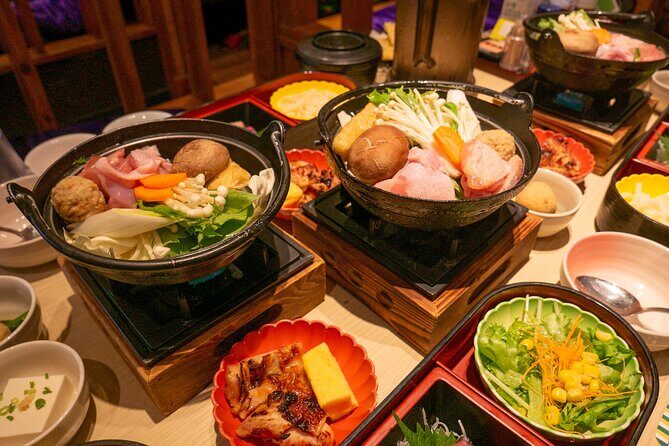
A standout in the tour description is Jigoku Mushi cooking, which uses geothermal steam to cook food. This is exactly the kind of activity that turns a sightseeing day into a lived experience. Instead of just looking at steam, you’re watching (and eating) how the heat is applied.
Why I like this element: it’s memorable in a practical way. You can taste the place, not only photograph it. It also gives you a break from walking. In a day that’s mostly touring, this kind of hands-on moment helps keep energy up.
If you’re sensitive to timing, keep in mind lunch is not included. Depending on what you eat during the cooking segment and snack stops later, you may want to plan your expectations so you’re not hungry when the bus rolls onward.
Kurokawa Onsen-style hot spring time: plan for the extra fee
The experience promises traditional hot spring bathing as part of the day. The catch is that hot spring fees are not included, specifically listed for Kurokawa Onsen at around 600 to 1,000 JPY. The tour still handles the transportation and scheduling, but you’ll want to have yen ready for the onsen entry portion.
This is a good example of where the tour’s price makes sense, but you still need to budget small extras. You’re paying for organization, the guide, and the vehicle. The bath itself is where you’ll likely pay the local fee.
Also, because the day is long, you’ll want to keep expectations realistic. You’re not booking a multi-day onsen retreat. This is a bath-and-go moment that adds authenticity and relaxation to the hotter, more visual Beppu portion.
Yufuin: two hours that feel like a reset
After Beppu, the vibe shifts. You get about two hours in Yufuin for personal exploration, which is a smart pacing choice. It gives you room to walk without feeling like every minute is scripted.
Yufuin is known as an onsen town, and this tour frames it as a place with character rather than just bathing access. The town’s streets lend themselves to wandering, window shopping, and casual photo stops. In other words, it’s where you go when you want the day to slow down.
Important detail: multiple Yufuin stops are marked optional. That means your exact mix of Yufuin sights can vary depending on timing, group pace, and how the day flows.
Floral Village and Totoro-like shopping fun in Yufuin
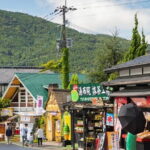
One optional stop is Yufuin Floral Village, timed at about 30 minutes. It’s described as storybook-like, inspired by the English Cotswolds, with shops that lean into whimsical themes. The tour description also points out Totoro-themed shops and a British-styled feel, which is a big part of why this area is popular with families and anyone who likes playful street details.
This is the kind of stop where you either love it or skim it. If you enjoy character-themed shopping and quirky photo opportunities, you’ll find it worth the time. If your style is more “quiet nature only,” the time might feel a little shop-heavy.
Since it’s optional and short, you can decide quickly how to spend those minutes. Don’t plan it as your main meal stop; think of it as an add-on for atmosphere.
Lake Kinrin: misty, calm, and easy on the schedule
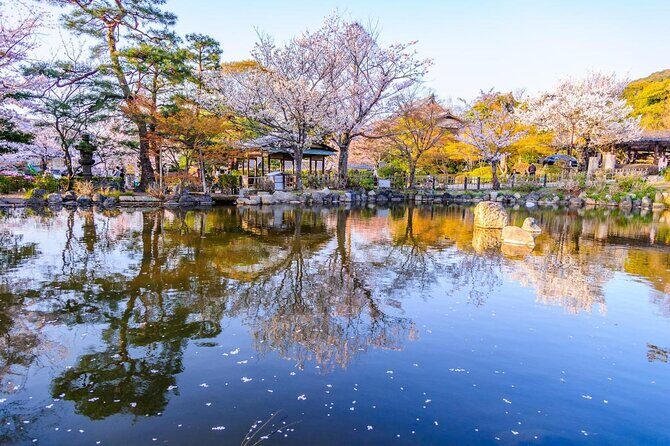
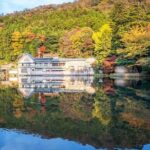
Another optional highlight is Lake Kinrin, about 30 minutes. The tour notes it as a semi-hot spring lake at the base of Mount Yufu, known for a misty appearance in cooler months. That mist detail is exactly why this stop feels different from the shopping focus in Floral Village.
Why it works: this is a “slow down” moment after Beppu’s intensity. Even if your day is running tight, you still get a calm, scenic pocket that helps the whole itinerary make sense. It breaks up the geothermal-then-town rhythm so it doesn’t feel like nonstop movement.
If it’s not cold enough to create dramatic mist, you’ll still get a peaceful stop, but the mood may be less otherworldly than in the cooler-season photos people tend to remember.
Yunotsubo Kaido and Snoopy Chaya for snacks and souvenirs
To wrap the Yufuin portion, you can add time at Yunotsubo Kaido Street (also optional) for about 30 minutes. This is your shop-and-snack stretch, with local food and small stores. One specific point to watch for is Snoopy Chaya, a café dedicated to Snoopy.
This is a great place to handle the day’s hunger in a casual way, especially since lunch is not included. If you’re the type who wants to sample local snacks instead of eating a sit-down meal, this stop fits your style.
Quick note on pacing: 30 minutes goes fast here. If you’re planning to buy souvenirs, keep your list simple so you don’t end up doing laps while everyone waits for the next bus timing.
The guide makes the day: Alex, humor, and clear direction
One of the most praised parts of this tour is the guide. In at least one highlighted experience, Alex is described as jovial, funny, and responsive, with good communication. Even when the day is moving quickly, that kind of energy helps. You’re more likely to understand what you’re seeing, and you’re less likely to feel lost when the schedule shifts.
Bilingual guidance is also a real-world advantage. Japan is easier for most visitors when you’re not stuck translating every sign and concept by yourself. It’s not just about language; it’s about knowing what’s important to notice, where the best viewing points are, and how each site connects to the next.
Value for $71.05: what you’re really paying for
The listed price is $71.05 per person, and for a day trip that covers multiple major destinations from Fukuoka, that can be good value. You get:
- An air-conditioned vehicle
- Fuel, tolls, and parking fees
- An experienced bilingual guide
- A guided structure that reduces decision fatigue
You do not get:
- Hot spring fees (noted for Kurokawa Onsen, around 600–1,000 JPY)
- Lunch
So where does the value land? You’re paying for a guided day that handles the expensive part—time, transit, and coordination. You still pay small local extras, but those tend to be straightforward.
If you’re the kind of traveler who likes to “see it all” without spending your vacation day on planning and transfers, this price can feel fair. If you prefer full freedom with no group rhythm, you might find a self-guided plan better. But for a one-day window, this is built for efficiency.
Who this tour suits best
This is a solid fit for:
- Families who want a mix of fun stops (frog temple, themed shopping) and relaxing scenery
- First-time visitors to Kyushu who want a structured introduction to Beppu and Yufuin
- People who value comfort on long transit days, thanks to air-conditioned transport
- Travelers who like guided context, not just walking around alone
It might be less ideal if:
- You want lots of time at each stop without pressure
- You’re hoping to see every single Beppu hot spring site in one day
- You dislike group pacing or tight schedules in general
Should you book this Fukuoka Beppu and Yufuin day tour?
Yes, if you want a well-organized day that combines Beppu’s geothermal spectacle with Yufuin’s town charm. The biggest reasons to book are the guided clarity, the onsen cooking angle with Jigoku Mushi, and the fact that you’re not stuck wrestling logistics from Fukuoka.
Hold off if you’re the type who needs more breathing room. This tour is long, and even when things run smoothly, you’ll feel that you’re moving from moment to moment. If you’re okay with that tradeoff, you’ll likely love how much personality you pack into one day.
FAQ
FAQ
What time does the tour start?
It starts at 8:30 am.
How long is the day tour?
The duration is listed as about 10 hours.
Where is the meeting point?
You meet at LAWSON Oriental Hotel Fukuoka Store, 4-23 Hakataekichūōgai, Hakata Ward, Fukuoka, 812-0012, Japan.
Do I get back at the same place?
Yes. The tour ends back at the meeting point.
Is the tour ticket mobile?
Yes, you receive a mobile ticket.
Is the guide bilingual?
Yes, the tour includes an experienced bilingual guide.
Are any stops optional in Yufuin?
Yes. Yufuin Onsen, Yufuin Floral Village, Kinrin Lake, and Yunotsubo Kaido Street are listed as optional.
Is lunch included?
No. Lunch is not included.
Are hot spring fees included?
No. Hot spring fees at Kurokawa Onsen are not included and are listed as 600 to 1,000 JPY.
What is the group size limit?
The tour has a maximum of 35 travelers.