REVIEW · FUKUOKA
Kyushu: Aso Vocano, Grassland,Onsen and Aso shrine 1-Day Tour
Book on Viator →Operated by Hotel Takitei · Bookable on Viator
Steam from a live volcano, in one day. I like this tour for the close-up Mt. Aso crater timing and the relaxed rhythm of Kusasenri grassland plus Aso Shrine. My one caution: it is a long 10-hour day, and the amount of English you get can depend on your group’s language mix.
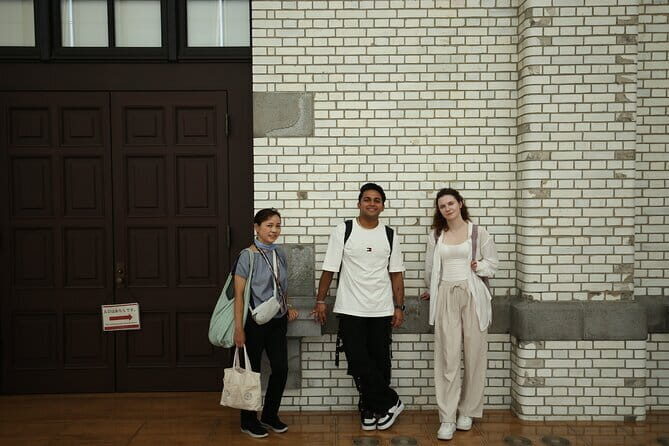
You start at 8:00 am at 4-23 Hakataekichūōgai (near Fukuoka’s Hakata area). The guide carries a yellow flag with the Gogoday logo, and you’ll want to arrive about 15 minutes early so you don’t lose time.
The value is solid for a big-distance day: you get air-conditioned bus transport, pickup and drop-off at a designated point, a multilingual guide, and Aso Volcano admission. Food is extra, and onsen (or a seasonal substitute) also adds a small cost.
In This Review
- Key Things That Make This Aso Day Tour Work
- The Big Picture: A Long Kyushu Day With Real Variety
- Meeting in Fukuoka and Getting There Without Stress
- Mt. Aso Nakadake Crater: The Main Event and What to Expect
- If Aso Gets Tough: How the Tour Adjusts
- Kusasenri Grasslands: Open Views, Soft Walking, Big Context
- Aso Shrine: Small Time, Calm Impact
- Kurokawa Onsen at the End: The Payoff for a Full Day
- Hot-weather swap: Dazaifu Tenmangu instead of Kurokawa
- Guide Energy, Language Mix, and How to Get What You Need
- Price and Value: What $72.26 Really Buys
- What to Bring for Comfort (So Your Day Doesn’t Feel Hard)
- Who This Tour Is Best For
- Should You Book This Kyushu Aso, Grasslands, Shrine, and Onsen Tour?
- FAQ
- What time does the tour start?
- Where does the tour meet in Fukuoka?
- How long is the day tour?
- What’s included in the price?
- Is Kurokawa Onsen included in the tour price?
- What happens if Aso Volcano is closed to visitors?
- Is Kurokawa Onsen always part of the itinerary?
- What should I do if I have a small tattoo and want to enter the onsen?
- What costs extra besides the tour price?
- How does cancellation work?
Key Things That Make This Aso Day Tour Work
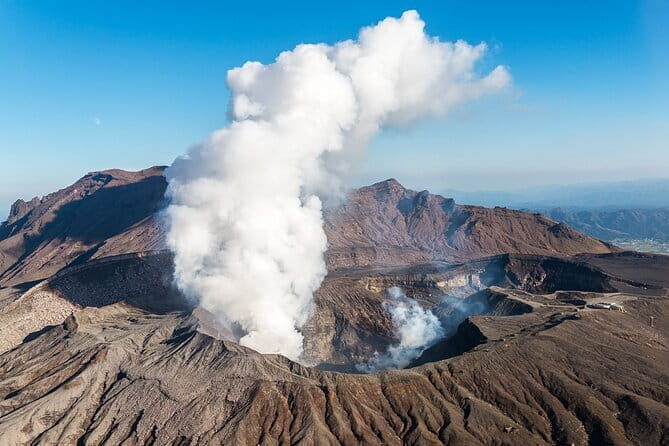
- Nakadake Crater access gives you the rare chance to get right up to the active volcano viewing area.
- Kusasenri grassland time is the break between science and soaking, with a chance to enjoy open views.
- Aso Shrine stop adds a calm, human-scale cultural moment to balance the big nature sights.
- Kurokawa Onsen recovery time helps your legs reset after the travel and walking.
- Weather/closure flexibility: if there’s no entry notice for Aso, the grassland stop extends to 90 minutes.
- Multilingual guide options can be great, but I’d still be mindful about which language dominates your group.
The Big Picture: A Long Kyushu Day With Real Variety
This is the kind of day trip that makes sense when you want Aso without turning your schedule into a puzzle. You’re grouping four different feels into one outing: volcanic spectacle, open grassland, Shinto shrine, and hot-spring unwind time.
The itinerary is also built with pacing in mind. The volcano visit is short on paper (around 20 minutes), but that’s often how these crater experiences work: you get to the viewing area, then you move along before conditions change. Then you get an hour on the grasslands, a half-hour at Aso Shrine, and about 90 minutes for the final soak.
The tradeoff is obvious: it’s a long day on the move. If you hate sitting in traffic or prefer to travel slowly, this may feel like too much. If you like “see a lot, decide later what to repeat,” it’s a strong format.
A few more Fukuoka tours and experiences worth a look
Meeting in Fukuoka and Getting There Without Stress
Your day starts at 8:00 am, with pickup and drop-off handled by the operator. The meeting point is 4-23 Hakataekichūōgai, Hakata Ward, Fukuoka (812-0012), and it’s near public transportation, which is helpful if you’re arriving from another part of Japan.
What I like here is the practical setup: you aren’t left figuring out routes, platform changes, and last-mile buses. You’re on an air-conditioned vehicle with a guide, so you can focus on timing—especially important for something like Aso where entry rules can shift.
For a smooth start, follow their instruction and arrive around 15 minutes early. The guide holds a yellow flag with the Gogoday logo, and you’ll join using the name from your booking. Late arrivals can miss the departure, and there’s no refund for no-shows.
Mt. Aso Nakadake Crater: The Main Event and What to Expect
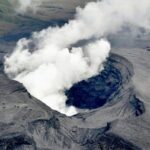
The day’s headline stop is Mt. Aso Nakadake Crater, with a scheduled viewing time of about 20 minutes. This is one of the rare volcano experiences where visitors can view a live crater, so it’s the part of the trip most people are actually driving toward.
The tour says Aso Volcano admission is included, but it also lists the Nakadake Crater stop as not including admission in that specific line item. In practice, these tours often cover the key entry fee while optional add-ons (like museums) cost extra. If you want total certainty, I’d confirm what ticket you’re holding on the mobile voucher before you get on the bus.
Two practical tips:
- Go prepared for changes in conditions. Even if the crater viewing is the plan, your ability to go in can depend on notices.
- If you’re sensitive to fumes or sound, don’t linger at the busiest spots. Keep moving so you can enjoy the view without overexposure.
Also note the optional add-on cost: the Aso Volcano Museum is listed at $6 per person. If that sounds like your thing, it’s an easy way to add more context after seeing the crater itself.
If Aso Gets Tough: How the Tour Adjusts
Aso doesn’t always cooperate, and that’s where this itinerary has a useful fallback. If the volcano issues a no-entry notice, the Kusasenri grassland stop (listed as Kusasenri Gahama) extends to 90 minutes.
That matters because it protects your day from feeling like it fell apart. You still get time outdoors, and the longer grassland window helps you re-balance the schedule even when crater access changes.
If you’re the type who gets anxious when plans wobble, this flexibility is a reassurance. You’ll want to stay flexible too—just in case you’ll be swapping “crater time” for “grassland time.”
Kusasenri Grasslands: Open Views, Soft Walking, Big Context
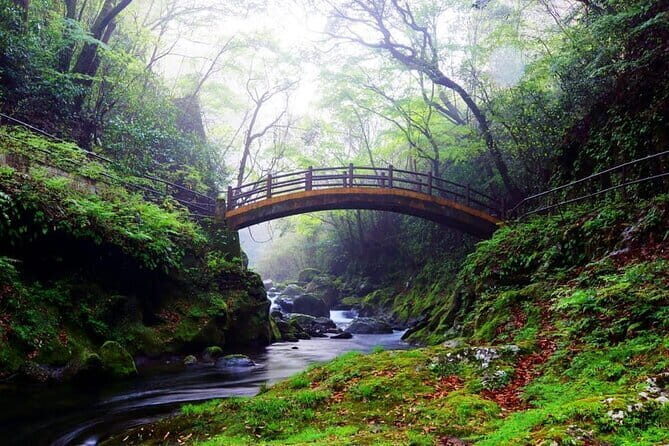
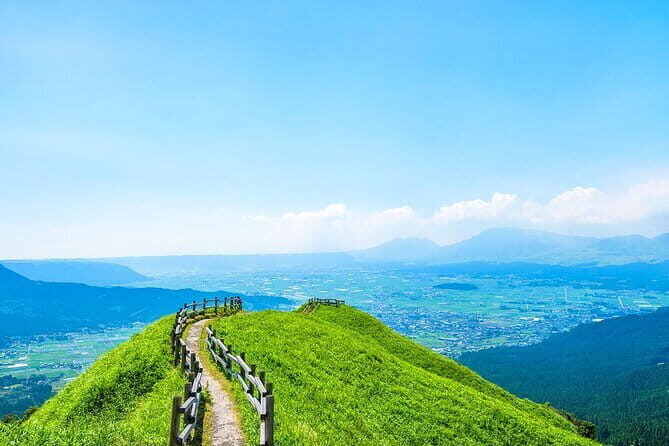
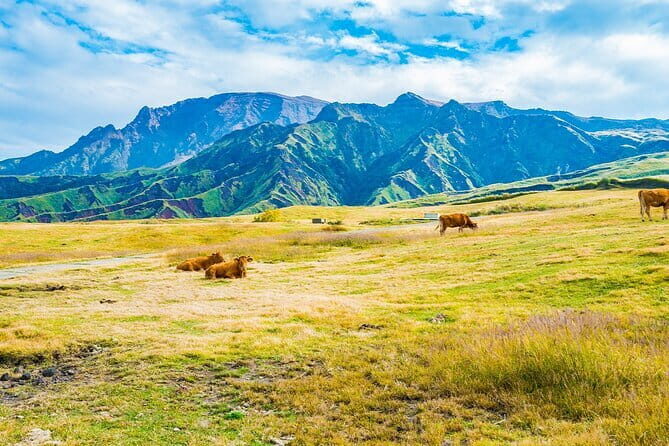
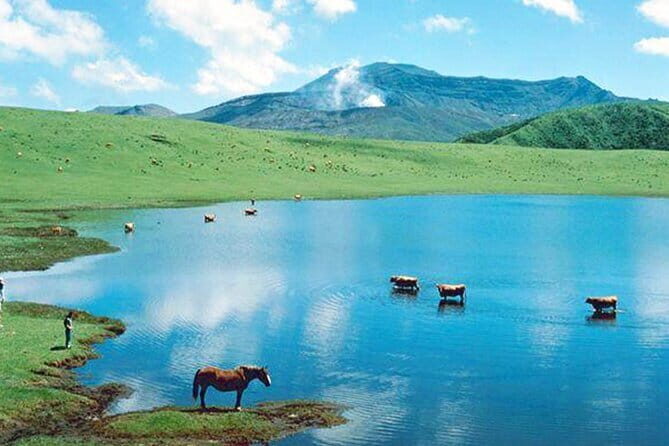
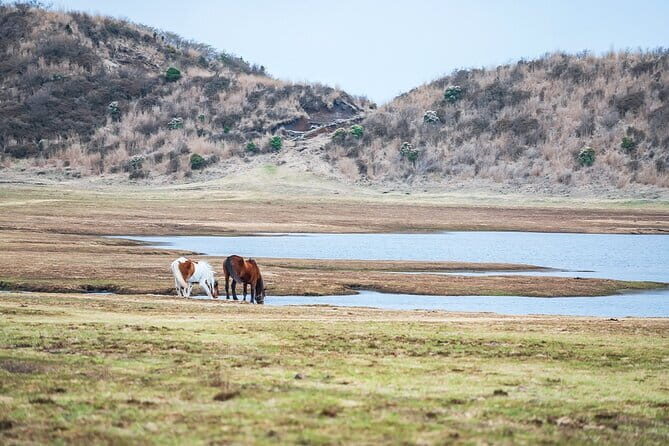
Next up is the Kusasenri grasslands area, scheduled at about 1 hour. This is where the day shifts from volcanic intensity to wide-open air and calmer pacing. You’re surrounded by rolling green fields with volcanic peaks in the background, and that contrast is exactly what makes this region memorable.
If you’re traveling in warmer months, the grassland open spaces can feel hot and exposed. Bring sun protection and water, even if you’re not planning to buy snacks along the way—food and drinks are not included.
A second reason I like this stop: it’s a natural buffer against the stress of crater viewing. After standing in the “wow” zone for a short time, you get space to breathe, take photos without rushing, and reset your eyes before the shrine portion.
And if you get the extended version (to 90 minutes), use that extra time to slow down. Grasslands are best when you’re not trying to speed through them.
A few more Fukuoka tours and experiences worth a look

Aso Shrine: Small Time, Calm Impact
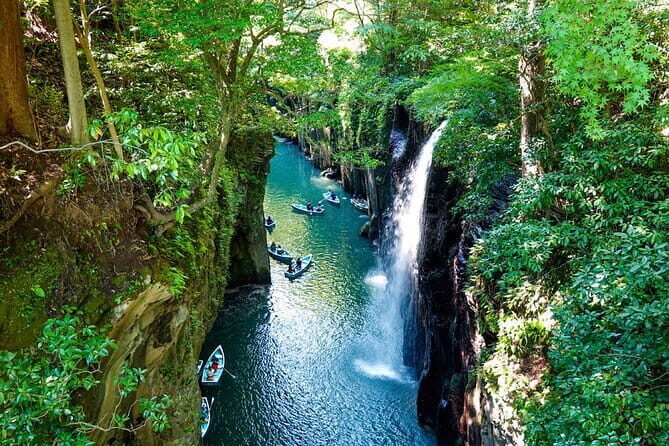
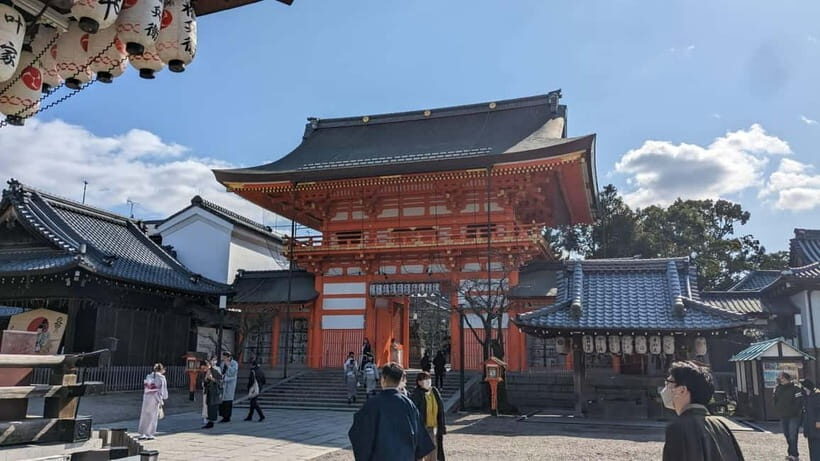
Then you head to Aso Shrine for about 30 minutes. This Shinto site is described as having a legacy stretching back 2,500 years and it sits on the northern side of Mount Aso in Aso City.
I think this stop is valuable because it changes the scale. Volcanoes and grasslands are about nature’s drama; shrines are about how people have lived with the same mountain presence for generations.
Thirty minutes is a short window, so I’d approach it like a quick orientation visit. Spend time where you can read signs and observe the setting instead of trying to do every possible corner. Even a brief cultural stop can make the day feel more complete.
Kurokawa Onsen at the End: The Payoff for a Full Day
The final act is Kurokawa Onsen, scheduled for about 1 hour 30 minutes. This is where you trade views for warmth and let your body recover from the travel and walking.
Two important money notes:
- The Kurokawa Onsen entry fee is listed as $10 per person.
- It’s not clearly marked as included in the main included list.
So budget for it. If you’d rather not guess, check your voucher details or ask the guide before you pay.
Tattoo rules are also mentioned. If your tattoo is smallish—less than about the size of a palm—you can cover it with skin-color adhesive plasters to enter the onsen. That’s a helpful, practical tip.
Hot-weather swap: Dazaifu Tenmangu instead of Kurokawa
From August 5th to September 30th, the tour replaces Kurokawa Onsen with Dazaifu Tenmangu Shrine due to hot weather.
This is worth factoring into your expectations. If hot weather is one of your biggest concerns, the swap can be a smart compromise. If you booked specifically for the hot-spring soak, know that your day may end differently depending on dates.
Guide Energy, Language Mix, and How to Get What You Need
The tour includes a multilingual guide, and the experience has been praised for friendly, energetic hosting. Names that show up in guide feedback include Sun, Emy, Helen, and Lina—so you might meet one of these guide styles on your day.
From the way people describe the guides, two themes stand out:
- Guides can be funny, upbeat, and easy to talk to.
- Guides try to time things well to avoid crowds and sidestep bad weather.
That’s great because Aso isn’t just a checklist. Timing can affect what you actually see. One review even mentioned that they were lucky enough to catch a peak window when the crater opened briefly. You can’t count on that, but it shows why flexibility matters.
Language is the part I’d be most careful about. The tour is multilingual, but one set of feedback described a situation where most explanation wasn’t in English. If English is your main need, I’d consider asking how language coverage usually works for your group size or asking what languages the guide will prioritize that day.
If you have trouble hearing (a microphone issue was mentioned in one experience), raise your hand politely and ask the guide to repeat or slow down. Good guides adjust fast.
Price and Value: What $72.26 Really Buys
At $72.26 per person, you’re paying for a lot of coordination. The big value is not just the attractions—it’s the transport and the fact that you don’t have to stitch together buses and timing yourself.
Here’s what’s clearly included:
- Air-conditioned vehicles
- Pickup and drop-off at designated point
- Multilingual tour guide
- Admission of Aso Volcano
What’s not included (or listed as extra):
- Food and drinks
- Kurokawa Onsen ticket ($10 per person)
- Aso Volcano Museum ($6 per person)
On a simple math level, you’re covering the costly part—getting from Fukuoka to the Aso area and back—plus a guided route through multiple stops. On a real travel level, you’re also buying time and confidence. Aso can be a bit complicated to handle on your own, and this kind of guided structure reduces that friction.
If you’re the type who likes to eat whenever you want, you’ll appreciate that food isn’t forced into a preset plan. Just make sure you plan for meals and hydration.
What to Bring for Comfort (So Your Day Doesn’t Feel Hard)
Because this is a long day and the last stop is an outdoor-to-onsen contrast, I’d pack for temperature swings. One review specifically recommended winter items like beanies, gloves, jackets, and boots, noting it can get cold depending on the season.
Even in warmer months, the bus day plus grassland exposure can still feel intense. At minimum, I’d bring:
- Sun protection and water (especially for the grassland hour)
- Layers (because the crater area and onsen zones can feel different)
- Comfortable shoes (the grassland stop benefits from real walking comfort)
Also, if you have tattoos, bring skin-color adhesive plasters in advance if you plan to use that option.
Who This Tour Is Best For
This is a great fit if:
- You want Aso Volcano and the grasslands in one guided day without logistics stress.
- You like a mix of nature + culture + hot springs.
- You prefer door-to-door pickup and drop-off around Hakata.
It’s less ideal if:
- You hate long rides or get cranky after hours of transit.
- You want a long, free-form schedule at each stop instead of timed visits.
- You strongly need English-only commentary and can’t handle any language variability.
Should You Book This Kyushu Aso, Grasslands, Shrine, and Onsen Tour?
I’d book it if your priority is an efficient Aso day that covers the big highlights—crater viewing, Kusasenri grasslands, Aso Shrine, and the hot-spring finish (or the seasonal swap). The price makes sense when you factor in guided transport and Aso Volcano admission.
I’d think twice if you’re very temperature-sensitive, because the Kurokawa Onsen end can shift based on hot-weather dates. And if English is non-negotiable for you, ask ahead about the likely language mix for your specific group.
Overall, this is the kind of day trip that works because it keeps you moving with intent, then rewards you at the end. If you want the Aso area’s main hits without turning the trip into a transportation project, this is a strong choice.
FAQ
What time does the tour start?
It starts at 8:00 am.
Where does the tour meet in Fukuoka?
The meeting point is 4-23 Hakataekichūōgai, Hakata Ward, Fukuoka, 812-0012, Japan.
How long is the day tour?
The duration is about 10 hours.
What’s included in the price?
Included are air-conditioned vehicles, pickup and drop-off at a designated point, a multilingual tour guide, and admission of Aso Volcano.
Is Kurokawa Onsen included in the tour price?
The Kurokawa Onsen entry fee is listed as $10 per person, and it is also noted that entry is not included in the tour overview.
What happens if Aso Volcano is closed to visitors?
If Aso Volcano issues a no-entry notice, the Kusasenri grassland stop is extended to 90 minutes.
Is Kurokawa Onsen always part of the itinerary?
No. From August 5th to September 30th, Kurokawa Onsen is replaced with Dazaifu Tenmangu Shrine due to hot weather.
What should I do if I have a small tattoo and want to enter the onsen?
If your tattoo is smallish (less than about palm size), you can cover it with skin-color adhesive plasters of skin color to enter the onsen.
What costs extra besides the tour price?
Food and drinks are not included. The Aso Volcano Museum is listed at $6 per person, and Kurokawa Onsen entry is listed at $10 per person.
How does cancellation work?
You can cancel for a full refund up to 24 hours before the experience’s start time.