REVIEW · KYOTO
Kyoto: Fully customizable your own tour in the old capital
Book on GetYourGuide →Operated by norinori tours · Bookable on GetYourGuide
Kyoto can feel personal when you stop being herded. This private day lets you design the route around what you actually want to see, then adds helpful local picks for food, shops, and quieter stops beyond the usual highlight reels. I especially like the custom plan based on your interests and the fact your guide isn’t just a live map—Nori’s English is excellent and the vibe is more local friend than lecturer.
You’ll also get a smooth structure to the day: hotel pickup, a route that includes big icons (Golden Pavilion, Fushimi Inari) plus flexible options (like Arashiyama or Daitokuji area), and then drop-off at Kyoto Station or Shijō. One consideration is that temple and site entrance fees and transit costs add up, so you’ll want some extra yen and patience for walking and hopping between areas.
Key things that make this tour worth your time
- Fully customizable: you set the focus, from famous sights to calmer neighborhoods
- Nori’s local guidance: clear English plus practical ideas that cut down wasted time
- More than temples: you can include food, drinks, and shopping, not just photo stops
- Smart day flow: public transport time breaks up the walking, with comfortable pacing options
- Private group up to 6: easy to travel together without splitting the group
In This Review
- Design-Your-Own Kyoto Route with a Local Friend
- Meeting Nori: Pickup at Kyoto Station or Shijō Station
- The Kyoto Mix: Golden Pavilion, Fushimi Inari, and More
- Nishiki Market and Temple Streets: Eating and Shopping That Actually Fits
- How the 8 Hours Really Feel: Walking, Public Transit, and Pacing
- Price and Value: $365 for Your Private Group (Up to 6)
- Temple Fees, Cash, and the Small Practical Tips That Matter
- Who This Kyoto Day Is Best For
- Should You Book This Custom Kyoto Tour?
- FAQ
- FAQ
- How long is the Kyoto customizable tour?
- Is this a private tour or a group tour?
- Where can you be picked up and dropped off?
- What languages does the guide speak?
- What’s included in the price?
- What’s not included?
- Can we choose what we eat for lunch?
- Do we need to bring cash?
- Are there entrance fees we should expect?
- Is the tour suitable for young children or older travelers?
- What is the cancellation policy?
Design-Your-Own Kyoto Route with a Local Friend
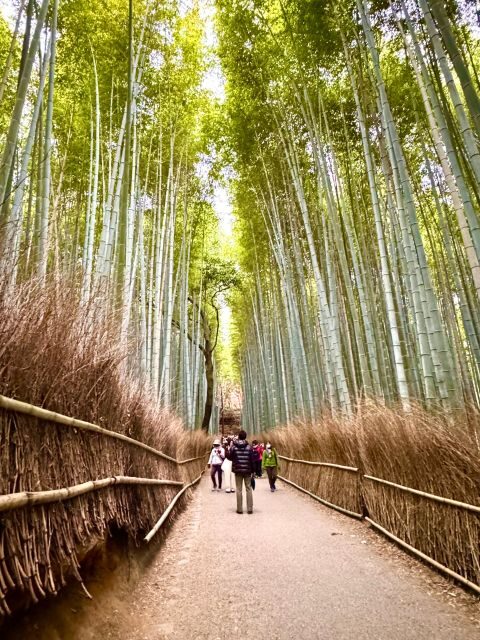
Kyoto is famous for its temples, shrines, and historic streets. The problem is that most tours force everyone into the same order, whether it fits your mood or not. This experience fixes that. You build the day around your interests first, and then the guide helps shape the route so you’re not zig-zagging across the city just for convenience.
I like how the plan stays flexible even at the ground level. If weather changes, Nori can help you adjust on the fly and still keep the day feeling intentional. That matters in Kyoto, where one hour of rain can turn a scenic walk into a soggy slog.
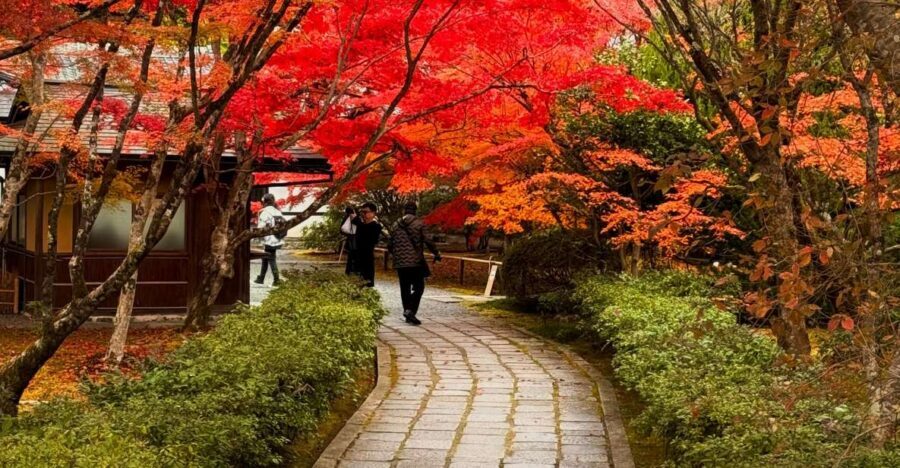
You’ll also notice the tour treats Kyoto as a lived-in place, not just a checklist. Yes, you can hit the top names. But you can also ask for smaller, less crowded stops that better match what you’re looking for—quiet gardens, temple atmospheres, and neighborhoods where local life still shows up.
Meeting Nori: Pickup at Kyoto Station or Shijō Station
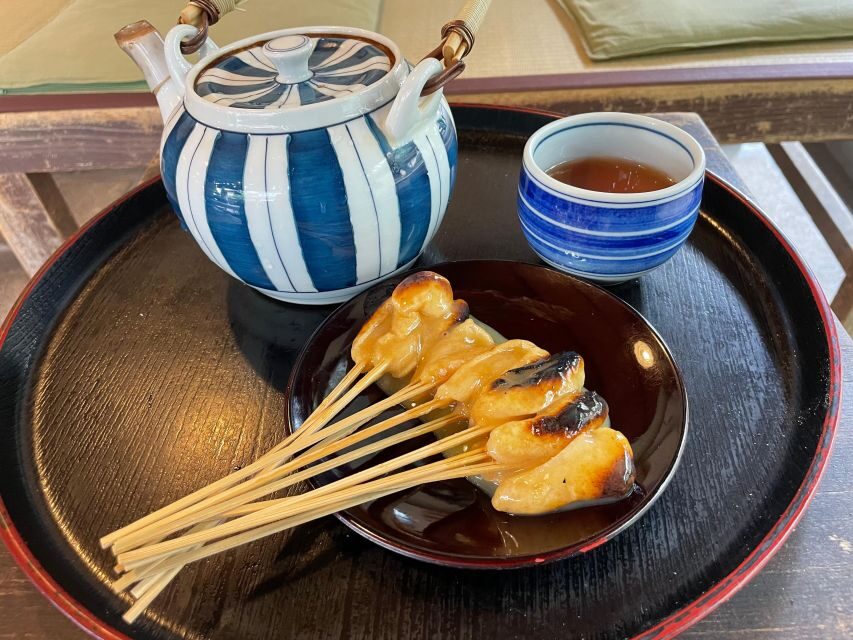
The day starts with hotel pickup, which is a huge quality-of-life win. Instead of wrestling with trains while jet-lagged, you start with a plan and a person who knows how to get you there smoothly.
You have two specific pickup/drop-off options built into the experience: Shijō Station or Kyoto Station. That flexibility is great if you’re staying near transit, and it’s also useful if you’d rather end the day in a different location than where you started.
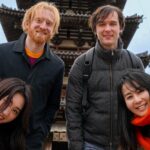
Nori’s background is part of the appeal. He’s from Nagoya and covers Kyoto plus the Kansai region, and he has lived abroad in places like the US, UK, and India for about 20 years. That cross-cultural experience tends to show up in how he explains things—clear and practical, with context that helps you understand why a site matters instead of just reading a signboard.
You can also read our reviews of more tours and experiences in Kyoto.


The Kyoto Mix: Golden Pavilion, Fushimi Inari, and More
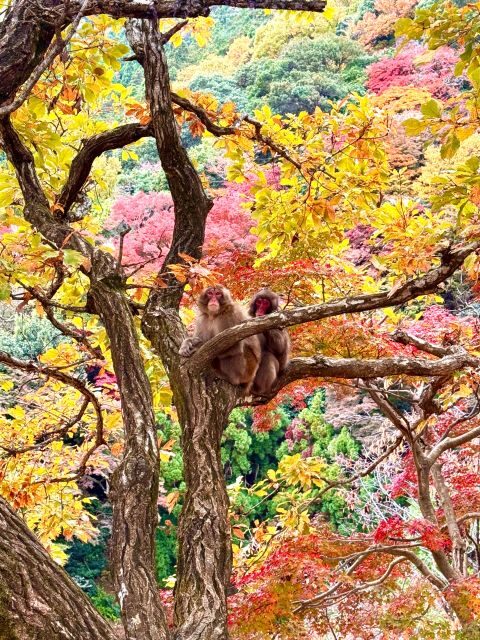
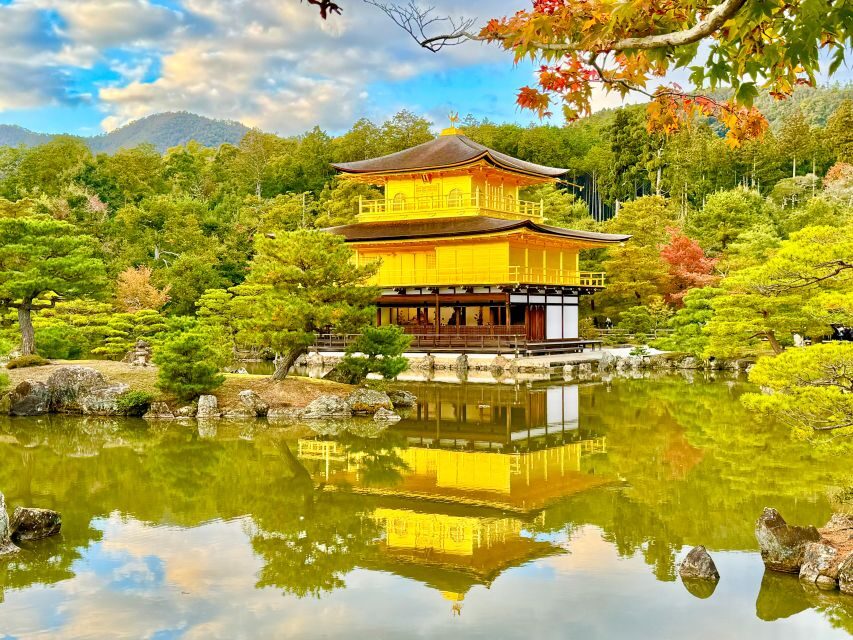
You can absolutely include the iconic stops everyone talks about. The Golden Pavilion, for example, is one of those places you’ll understand instantly once you see it in person. Even if you’ve seen photos, being there changes how you read the setting—light on the surfaces, the surrounding landscaping, and the calm pace of the grounds.
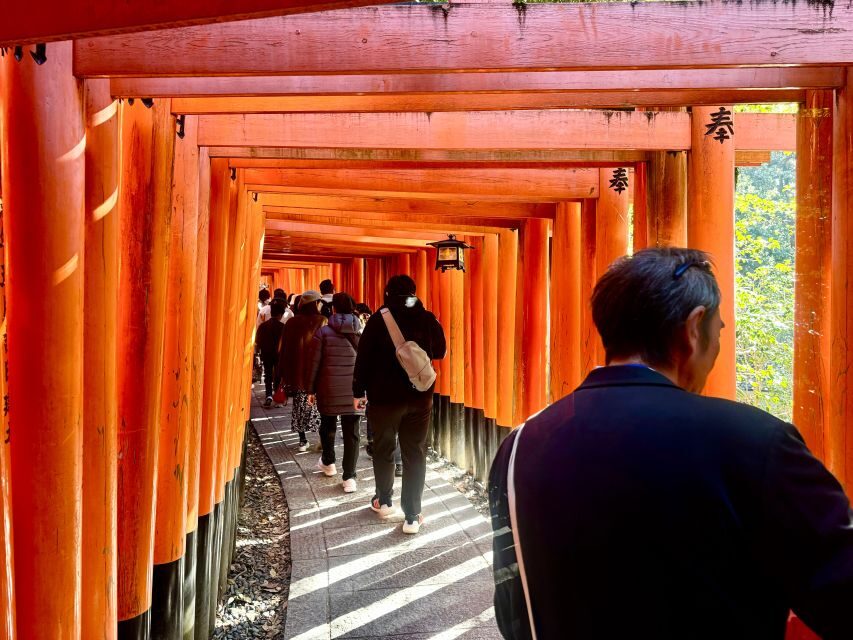
Fushimi Inari is another strong choice, especially if you like walking and atmosphere. The shrine area gives you a sense of how Kyoto religion and culture show up in real daily life. The key advantage with a private, customizable route is that you can shape how much time you want in big areas versus how quickly you want to move to the next stop.
From there, you can decide how the day evolves. Options that can be included include:
- Arashiyama for scenic atmosphere and a different side of Kyoto
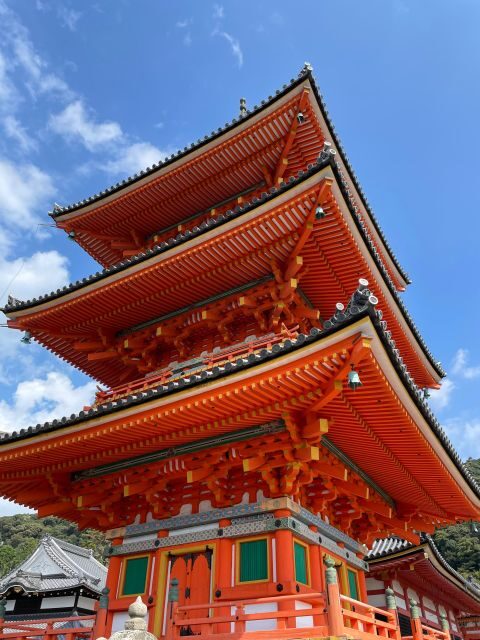
- Kiyomizudera for the landmark temple experience
- Gion for the old-street feel people come to Kyoto for
- Ryoanji and Daitokuji if you want a more contemplative temple mood
- Nijo Castle if you’d rather add historical architecture and castle storytelling
Because the route is built around you, you can lean toward “famous but worth it” or “less crowded and more personal.” That’s where this tour starts to feel like value, not just sightseeing.
One more advantage: the guide can also add non-temple stops in between major landmarks—small markets, local streets, and shopping opportunities for traditional items—so the day doesn’t feel like a sequence of entry gates.
Nishiki Market and Temple Streets: Eating and Shopping That Actually Fits
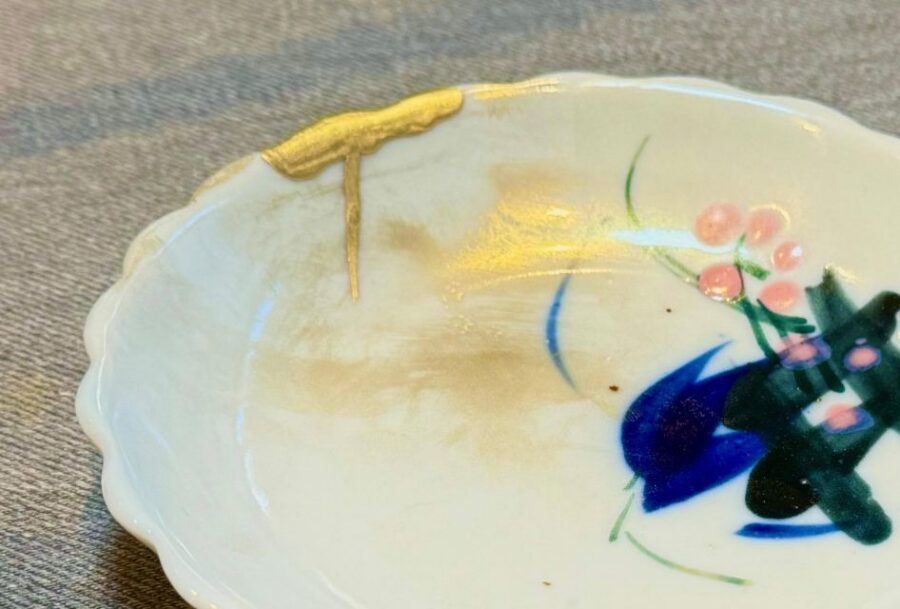
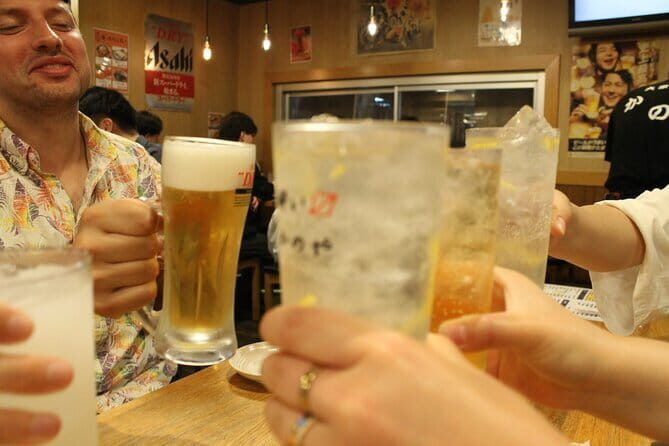
Kyoto is also a food city, and this tour gives you permission to treat lunch (and snacks) as part of the plan. You can share your preferences with the guide, and then have lunch at a place you choose together.
Food options you can work with include ramen, udon, soba, tonkatsu, and yudofu (a tofu-focused dish), plus traditional kaiseki-style meals if that’s your style. This matters because Kyoto cuisine isn’t just about taste; it’s about pacing and seasonality. Even if you don’t go “fully formal,” choosing a good local meal beats hunting for something randomly while you’re tired.
Nishiki Market is one of the stops that can be included. It’s a classic place to walk, snack, and get a sense of Kyoto’s food culture in a more compact area. And because this is a private route, you’re not forced to do it at a set pace. If you want to browse, you can. If you want to eat quickly and move on, you can do that too.
Shopping is another strong point of this experience. You can include time to pick up traditional Japanese items, and the guide can help you find shops that match what you’re looking for rather than just steering you toward the most touristy places.
How the 8 Hours Really Feel: Walking, Public Transit, and Pacing
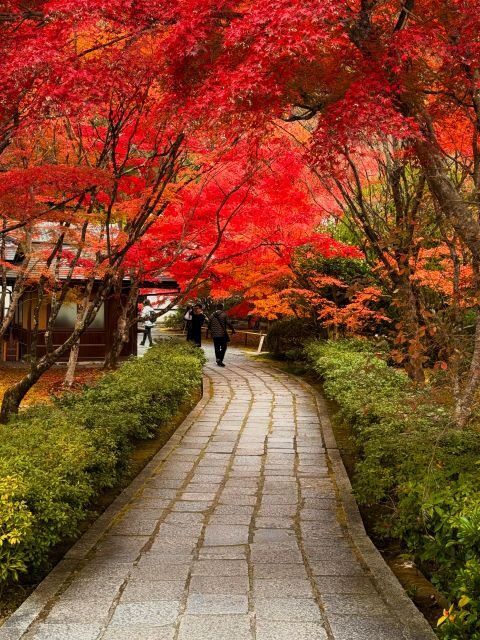
This is an 8-hour private tour, and it’s paced in a way that makes sense for Kyoto. The day includes multiple chunks of public transport (about 30 minutes each in the flow provided) plus short on-foot segments (about 20 minutes each). Translation: you get movement and change of scenery, but you’re not stuck walking nonstop for the entire day.
Comfortable shoes are important. You’re on your feet for temple areas, shrine paths, and old-street neighborhoods. Even if you’re not doing long distance hiking, Kyoto’s surfaces and stair steps add up. Plan for that and you’ll have a better time.
If you’re the type who likes to photograph everything, you’ll still manage. If you prefer slow browsing, you’ll also be fine. The customizable nature means you can cut back on overly demanding stops and keep your energy for the places you care about most.
Price and Value: $365 for Your Private Group (Up to 6)
The price is $365 per group, up to 6 people, for the full 8-hour experience. When you compare this to taking separate guides, paying for multiple taxis, or doing a rigid tour where you spend time at stops you don’t care about, the value starts to make sense.
You’re paying for:
- an interpreter/guide fee
- hotel pickup and drop-off
So if you’re a couple, a family, or a small group of friends, you can split the cost and turn your day into something that feels custom rather than generic. The biggest “value driver” here is time. Kyoto can eat time fast if you choose the wrong order. A guide-led route helps you spend your hours where it counts.
What’s not included is where you’ll need to budget:
- entrance fees for temples and other facilities (temple entrance fees are listed around 500 yen as an approximation)
- transportation fees (for you and also for the guide, since the guide needs to travel too)
- lunch fee for the guide (this tour lets you pick the lunch spot, and you’ll cover the lunch cost for the guide as well)
This is the part many people forget with private tours. The base price gets you the guide and pickup/drop-off; the site and transit costs are still real. Bring extra cash and you’ll avoid stress.

Temple Fees, Cash, and the Small Practical Tips That Matter
Kyoto is wonderfully old-school in a few ways, including payment habits. You’re advised to carry enough cash in Japanese yen because some smaller stores don’t accept credit cards. If you want to shop for traditional items or grab snacks at small stalls, cash saves time.
Temple entrance fees and facility charges are also expected. The tour notes an approximate temple entrance fee of around 500 yen. It’s not a reason to skip temples—it’s just a budgeting reality.
Also, plan for safety and comfort. The tour states the guide won’t be liable for injuries or loss incurred during the tour, and it’s recommended to have overseas travel insurance. That’s standard, but it’s still worth keeping in mind when you’re walking around temple steps and uneven paths.
Who This Kyoto Day Is Best For
This is a great fit if:
- you want to prioritize your interests over a fixed script
- you care about food stops and shopping, not just landmarks
- you like having a local-friendly guide who can explain context without making it stiff
- you’re traveling in a group of up to 6 and want everyone together
It’s not ideal if you need accessibility accommodations. It’s specifically listed as not suitable for children under 10, pregnant women, and people over 70. If that affects you, you’ll want to consider alternate arrangements.
Should You Book This Custom Kyoto Tour?
I’d book it if you want a Kyoto day that feels like it was made for you, not made for a bus schedule. The customization is the headline, but the practical value is the way Nori helps you keep the day coherent: selecting the right blend of big sites and smaller options, adding food and shopping, and adjusting when conditions shift.
I’d skip it if you want a totally hands-off experience where you never have to think about entrance fees, transit costs, or lunch expenses beyond the base price. This tour is private and flexible, which means you also carry the real on-site costs.
If you’re okay budgeting for temple fees and transit, and you’re excited to steer the day yourself, this is one of the easier ways to experience Kyoto without wasting hours.
FAQ
FAQ
How long is the Kyoto customizable tour?
It runs for 8 hours. Starting times depend on availability.
Is this a private tour or a group tour?
It’s a private group tour. Pricing is listed per group up to 6 people.
Where can you be picked up and dropped off?
Pickup and drop-off options include your hotel or a decided meeting point, and specifically Kyoto Station or Shijō Station.
What languages does the guide speak?
The tour is offered with a live guide in English and Japanese.
What’s included in the price?
Included items are the interpreter/guide fee and hotel pickup and drop-off.
What’s not included?
Not included are entrance fees, transportation fees (including transportation needed for the guide), and lunch fee (including the lunch cost for the guide).
Can we choose what we eat for lunch?
Yes. You’ll be asked about your food preferences, and you can have lunch at a place you choose together with the guide.
Do we need to bring cash?
You should carry enough Japanese yen, since some small stores do not accept credit cards.
Are there entrance fees we should expect?
Yes. Additional fees are required for temples and other facilities. Temple entrance fees are approximately 500 yen (as noted).
Is the tour suitable for young children or older travelers?
It’s listed as not suitable for children under 10, pregnant women, and people over 70.
What is the cancellation policy?
The tour offers free cancellation up to 24 hours in advance for a full refund.