REVIEW · NAGOYA
Tea Ceremony Experience
Book on GetYourGuide →Operated by B.B.Advisors Inc. AN NAGOYA · Bookable on GetYourGuide
Quiet tea, big payoff in 30 minutes. This Nagoya tea ceremony turns matcha-making into an easy break from sightseeing, with a short lecture, a hands-on moment, and sweet ohigashi to balance the flavor. You’ll get to grind your matcha (yes, with a demo first), then enjoy it casually afterward.
What I especially like is the focus on practical tea skills—how matcha is prepared and tasted, not just a performance. The experience is also praised for clear English and a calm guide style, which makes it feel welcoming even if you know little about tea. One thing to keep in mind: it’s short, and in very small groups it may feel more like a quick lesson than a long, dramatic, traditional-style ceremony.
In This Review
- Key points you’ll actually care about
- A quick break for matcha lovers in Nagoya
- Price and value: what $7 buys you
- Where to meet (and how not to waste time)
- Inside the 30-minute flow: what you’ll do step by step
- Single-origin matcha and ohigashi: the flavors to notice
- The guide’s English and the calm factor
- When the room and pace might feel different
- Getting the most from your 30 minutes
- Who this Nagoya tea ceremony suits best
- Final call: should you book this tea ceremony?
- FAQ
- How long is the tea ceremony experience?
- What does the price include?
- Where do I meet for the experience?
- Is there English support?
- Is a completion certificate available?
- Is the venue wheelchair accessible?
- Can I cancel for a full refund?
Key points you’ll actually care about
- 30 minutes total means this fits tight Nagoya days
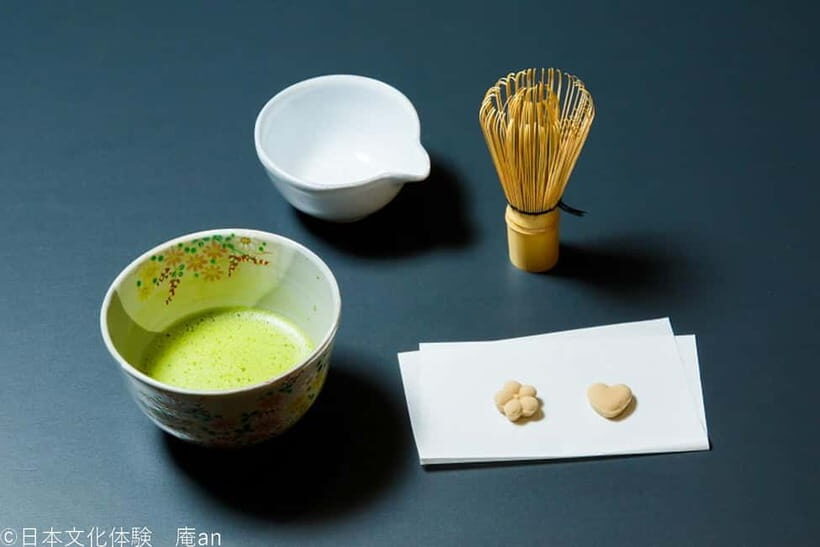
- Single-origin matcha for a more specific, quality-driven taste
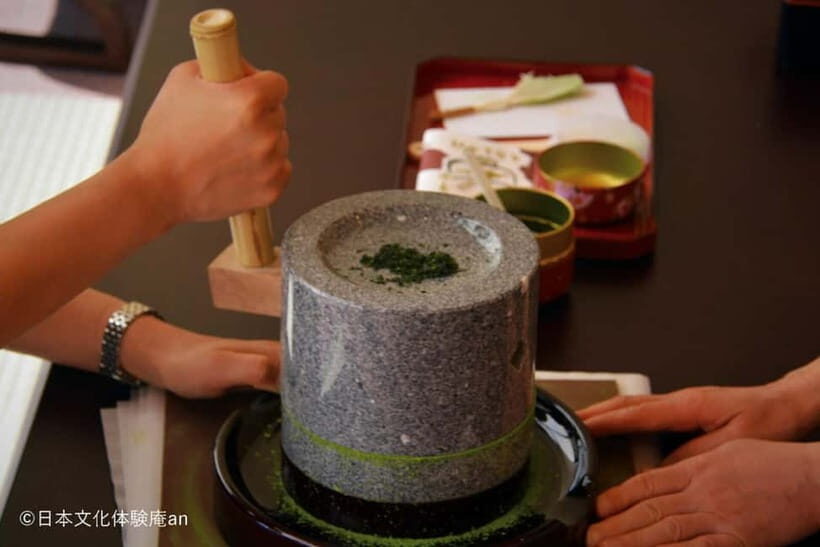
- Matcha grinding demo + hands-on part so you’re not just watching
- Japanese sweets (ohigashi) included to balance bitterness
- English translation as much as possible, depending on the session
- 3rd floor, no elevator, so plan your legs and your pace
A quick break for matcha lovers in Nagoya
If your Japan trip is full of temples, castles, and train schedules, this kind of experience can be a lifesaver. A tea ceremony in Nagoya is a simple way to slow down for half an hour without needing hours of setup or deep prior knowledge.
I like how the format keeps things friendly: you get a brief talk about tea, then you move into making and tasting. It’s not trying to scare you with complicated etiquette. You can enjoy matcha casually, learn just enough to understand what you’re drinking, and still walk out feeling like you did something meaningful.
You can also read our reviews of more tours and experiences in Nagoya.


Price and value: what $7 buys you
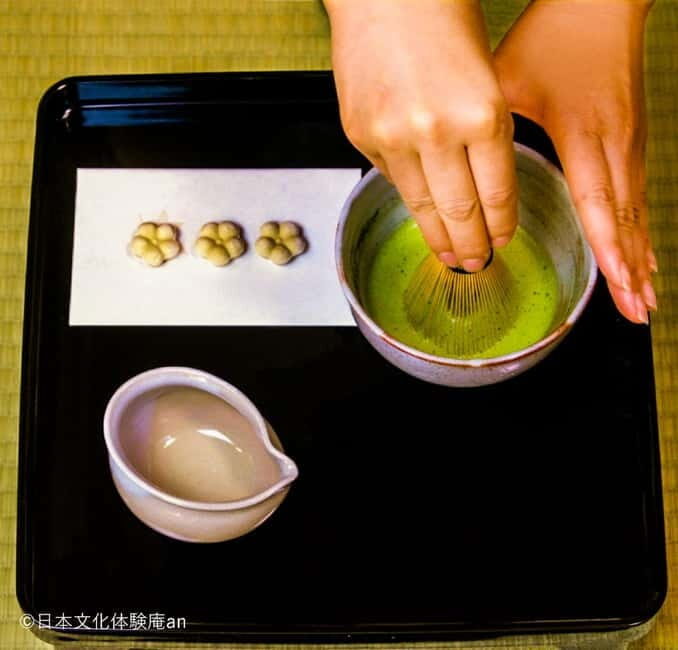
At about $7 per person, this is one of the more approachable cultural experiences in the city. The price covers a full set of the activity, including the matcha grinding demonstration and your tea-ceremony experience time.
Here’s why that matters for value: grinding and whisking matcha is the heart of tea practice. If you’re going to try matcha, it’s worth doing it at least once with real guidance instead of guessing from a video.
One extra item: there’s an optional completion certificate that costs 300 JPY. It’s not included, but if you want a keepsake with your name, you’ll need to request it in advance so they can prepare the wording.
Where to meet (and how not to waste time)
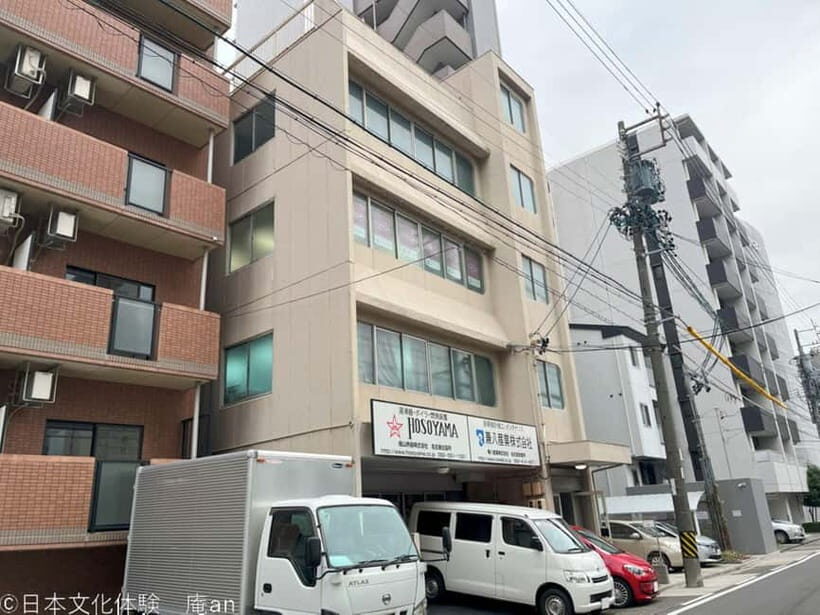
You’ll find the meeting point about 1 minute walk from Exit 3 of the Sakura-dori Line station called Kokusai Center Station. If you’re arriving from Nagoya Station, it’s about 13 minutes on foot from the Sakura-dori side.
The key detail is the venue setup: it’s on the 3rd floor and there’s no elevator. So if you’re traveling with luggage, moving slowly, or visiting right after a lot of walking, you’ll want to factor in stairs.
Also plan to arrive on time. The event can’t be held to accommodate delays, and they won’t let non-participants enter the space. In other words: show up ready to do the tea part.
Inside the 30-minute flow: what you’ll do step by step
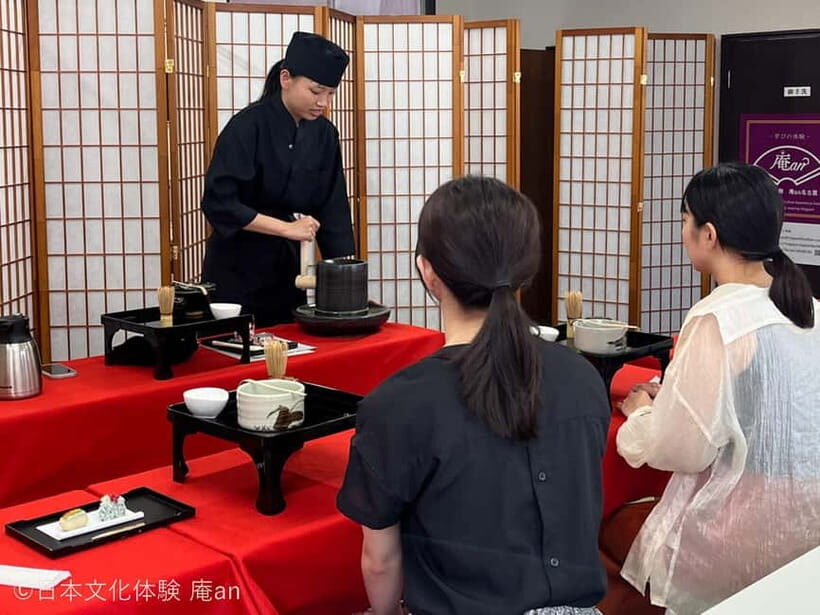
This is a tight schedule, so it helps to know what each chunk is for. The whole experience is designed to take about 30 minutes from start to room departure.
Start: tea explanation
Right when you begin, there’s an explanation about tea. This is where you’ll learn the basics you need to enjoy the rest without feeling lost—what matcha is, how it’s used, and what the tasting moment is trying to highlight.
The sessions are run by a Japanese instructor, and English translation is provided as much as possible. In practice, that usually means you’ll be able to ask questions and follow the key points rather than rely on guesswork.
Then: matcha grinding demonstration
Next comes the matcha-grinding moment, which is one of the coolest parts for most people. Even if you’ve seen matcha in cafes, grinding has a different feel. Watching the process helps you understand why matcha is treated differently than regular green tea powder.
Your tea-ceremony experience
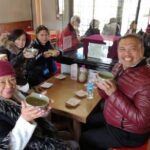
After the demo, you’ll experience the ceremony itself. This is the hands-on time where you make your own matcha and participate instead of simply spectating.
Short as it is, this is still the “real” part. If you’ve ever wondered what changes when you whisk matcha properly, this is the time you’ll notice it.
Taste time: you drink, you snack, you chill
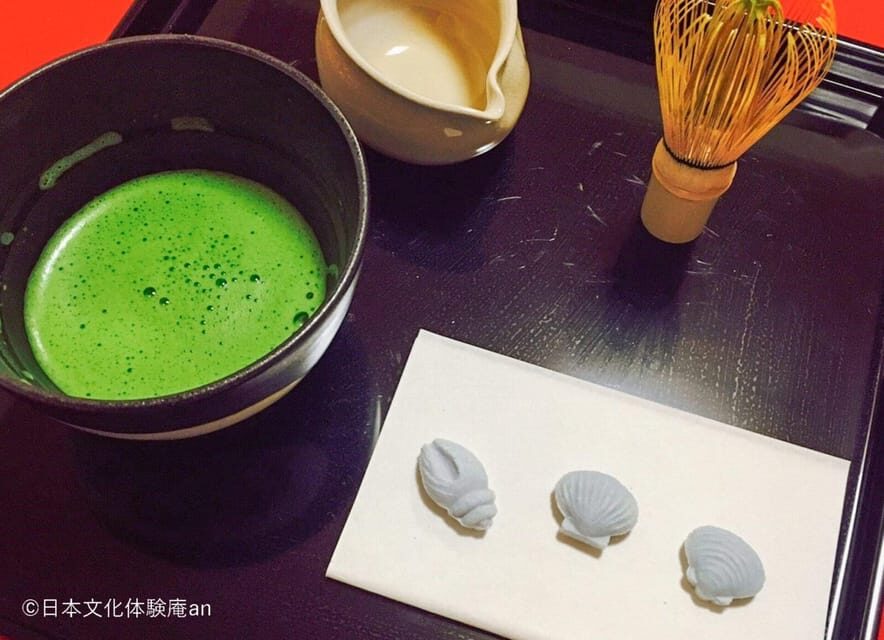
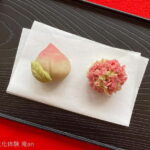
The program ends around the 20-minute mark, then you’ll have time for drinking and eating. You’ll be served Japanese sweets called ohigashi, which are meant to pair with the bitterness and earthy notes of matcha.
If you’re trying matcha for the first time, this pairing helps you like it sooner. If you already like matcha, the sweets can make the tasting more interesting—sweetness and texture change how the tea lands on your tongue.
Single-origin matcha and ohigashi: the flavors to notice
This experience stands out because the matcha isn’t presented as a generic powder. You’ll be using single-origin special matcha, which means you’re tasting something with a clearer identity. Even in a short session, that makes a difference. Instead of just drinking “green tea,” you can actually pay attention to the character of the matcha.
When you take your first sip, notice texture as well as taste. Matcha isn’t just flavor—it’s also body. If your whisking is done well, it tends to feel smoother and more cohesive rather than thin or separated.
Then there’s the ohigashi. Japanese sweets can go in totally different directions—from mild, subtle sweetness to something more structured in texture. Paired with matcha, ohigashi helps balance bitterness so the tea tastes more rounded.
One of the best practical moves here: slow down for two sips and two bites. Matcha can shift as it cools, and sweets can change how the tea tastes immediately after. Take your time; the session gives you room for it.

The guide’s English and the calm factor
From the feedback, one theme comes through strongly: the guide’s communication and tone. People highlight that the instruction has great English and that the atmosphere stays calm rather than rushed or performative.
That matters because tea etiquette can be intimidating if you feel like you’re supposed to already know what to do. A good English explanation and a relaxed pace turns it into learning, not stress.
So if you’re the type who likes cultural experiences but doesn’t want a language barrier to spoil the fun, this is a good match. The goal here is understanding and hands-on enjoyment, not testing your manners.
When the room and pace might feel different
Here’s the one caution I’d give you: the experience is short, and the setup may not look like the classic postcard tea room you’re imagining.
One person noted that the room didn’t feel like a traditional tea ceremony space and that, in their session, it moved quickly with only two participants. That doesn’t mean your experience will be like that, but it does explain why you shouldn’t expect a long, cinematic, highly staged tea ritual.
Think of it as a tea lesson you can finish, not a half-day ceremony. If you want a deep, drawn-out event with lots of formal steps, you might prefer a longer, more traditional experience. But if you want something doable that still teaches you what matcha is about, this format is surprisingly satisfying.
Getting the most from your 30 minutes
To maximize this experience, I’d go in with a simple mindset: observe first, then enjoy doing.
A few practical tips:
- Listen closely during the tea explanation. It’s short, so grab the meanings behind the steps.
- During the grinding demo and tea-making, focus on process over perfection. Your goal is to understand what changes when matcha is prepared properly.
- When you taste, do small comparisons: sip once, note bitterness and texture; then take a bite of ohigashi and see how it changes the tea’s feel.
Also, because you can’t delay the event for late arrivals, show up early enough to settle in. The venue is on the 3rd floor with stairs, so give yourself a buffer.
And if you want the completion certificate, plan ahead—have your names ready. The certificate is 300 JPY, and they may leave the name blank if you didn’t provide it in advance.
Who this Nagoya tea ceremony suits best
This experience is best for you if:
- You want a quick cultural stop during a Nagoya sightseeing day
- You like food experiences where you can actually participate, not just watch
- You’re curious about matcha but want an explanation in plain terms
- You prefer calm, low-pressure activities that fit into a tight schedule
It’s also a good choice for mixed groups—people who love tea and people who simply want a memorable Japan moment. The matcha making gives everyone something hands-on, and the ohigashi adds a food highlight.
If you’re traveling with kids, there’s a small detail worth knowing: children who sit on their parents’ laps are free of charge if they’re under 2 years old.
Final call: should you book this tea ceremony?
Yes—if you want a high-value, hands-on matcha experience that fits real travel time. For the price, the inclusion of single-origin matcha, the grinding demo, the hands-on ceremony, and the ohigashi makes it feel like you’re getting the real core of tea culture, just in a compact format.
Book it with the right expectation: this is a short lesson and tasting, not a long, hyper-traditional performance. If that matches your style, you’ll leave with a better understanding of what matcha is and you’ll have tasted it the way it’s actually prepared.
FAQ
How long is the tea ceremony experience?
The experience lasts about 30 minutes total, including time for drinking/eating and leaving the room.
What does the price include?
The price includes the tea ceremony experience set, including the matcha grinding demonstration, plus the matcha and Japanese sweets (ohigashi).
Where do I meet for the experience?
Meet near Exit 3 of the Sakura-dori Line station Kokusai Center Station (about a 1-minute walk), or about a 13-minute walk from the Sakura-dori side of Nagoya Station.
Is there English support?
The instructor is Japanese, and English translation is provided as much as possible. If you want to add translation support, you should contact the operator.
Is a completion certificate available?
Yes. A completion certificate costs 300 JPY. If you want a name on it, you’ll need to provide your names in advance.
Is the venue wheelchair accessible?
The venue is on the 3rd floor and there is no elevator, so you’ll need to use stairs.
Can I cancel for a full refund?
You can cancel up to 24 hours in advance for a full refund. Reservations after 17:00 are processed the next day.