REVIEW · OSAKA
Osaka: Castle, Tea Ceremony, Calligraphy, and Samurai Armor!
Book on GetYourGuide →Operated by Osaka JOINER · Bookable on GetYourGuide
Osaka has a way of surprising you fast, and this tour packs that punch into one tight day. You’ll start at Osaka Castle, then slow down for a tea ceremony and calligraphy, and finish in Dōtonbori for street-food energy. It’s a good mix of big sights and hands-on culture.
My favorite parts were the chance to do real-world Japanese experiences (tea and ink strokes) and the way the day connects stories to places, not just checkmarks. The guide also made the group feel taken care of, and I liked that the pace is easy to follow.
One thing to plan around: the samurai armor and kimono options cost extra, so if you want the full photo set, factor in the add-ons from the start.
In This Review
- Key Things I’d Watch For
- Why This Osaka Castle–Tea–Samurai Day Works
- Meeting at Namba Walk: Finding Osaka JOINER Base Fast
- Osaka Castle: Photos, History Stories, and the Big Views
- Tea Ceremony and Calligraphy: Hands-On Culture That Sticks
- Samurai Show, Traditional Instruments, and Optional Armor
- Dōtonbori at the End: Turn the Tour Into Dinner Plans
- Price and Value: What You Pay $135 For
- Who Should Book This Tour (and Who Might Skip It)
- Should You Book This Osaka Castle, Tea Ceremony, Calligraphy, and Samurai Armor Tour?
- FAQ
- What’s included in the tour price?
- How much does the samurai armor experience cost, if I want to wear it?
- Is kimono wearing included?
- What language is the tour conducted in?
- Where do I meet the group?
- What should I bring, and is there anything I can’t do?
Key Things I’d Watch For
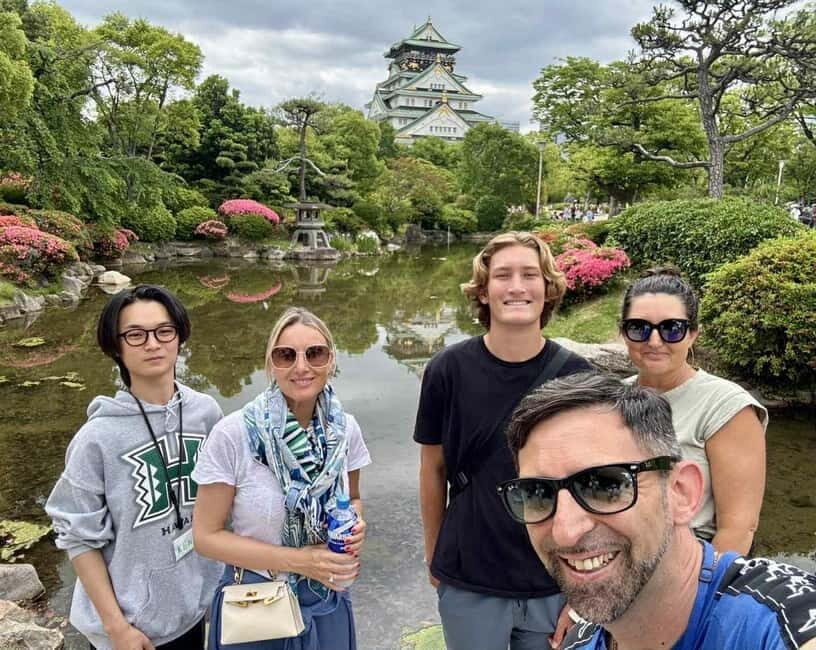
- Osaka Castle time gives you the landmark experience plus photo moments that don’t feel rushed
- Tea ceremony + calligraphy turns culture into something you actually do with your hands
- Samurai show and instrument playing adds entertainment without taking over the whole day
- Armor and kimono are optional add-ons (¥4,820 each), so decide early
- Dōtonbori finish makes the last stop useful for dinner and night wandering
- Cash needed for add-ons and on-the-day extras, so bring it
Why This Osaka Castle–Tea–Samurai Day Works
This tour is smart because it’s not only sightseeing. You get one of Osaka’s most recognizable landmarks, then you slow down for slower arts—tea and calligraphy—then you switch gears again with samurai performance and traditional instruments. That rhythm matters. It keeps you from getting museum-fatigue and makes each stop feel like it has a reason.
I also like the way it mixes “look at Japan” with “learn how it works.” Osaka Castle is visual and iconic, but the cultural parts help you understand the attitude behind Japanese traditions—how formality, quiet focus, and detail show up in daily life.
The other practical win: you end in Dōtonbori, where you can turn the tour into a real meal plan instead of guessing where to go next.
You can also read our reviews of more tours and experiences in Osaka.


Meeting at Namba Walk: Finding Osaka JOINER Base Fast
You start at Osaka JOINER base, B1 floor of Namba Walk (the underground shopping street). Look for Exit B23. The shop is between Mizuno and Docomo—and if you’re already by Starbucks, cross to the other side.
This is the kind of meeting point that can feel confusing if you arrive flustered. My advice: give yourself a few extra minutes and orient yourself underground before you worry about exact entrances. Once you spot Mizuno and Docomo, you’re basically home.
Also note: this tour ends back at the same meeting point. So you’re not stuck trying to navigate your way after dark with no plan.
Osaka Castle: Photos, History Stories, and the Big Views
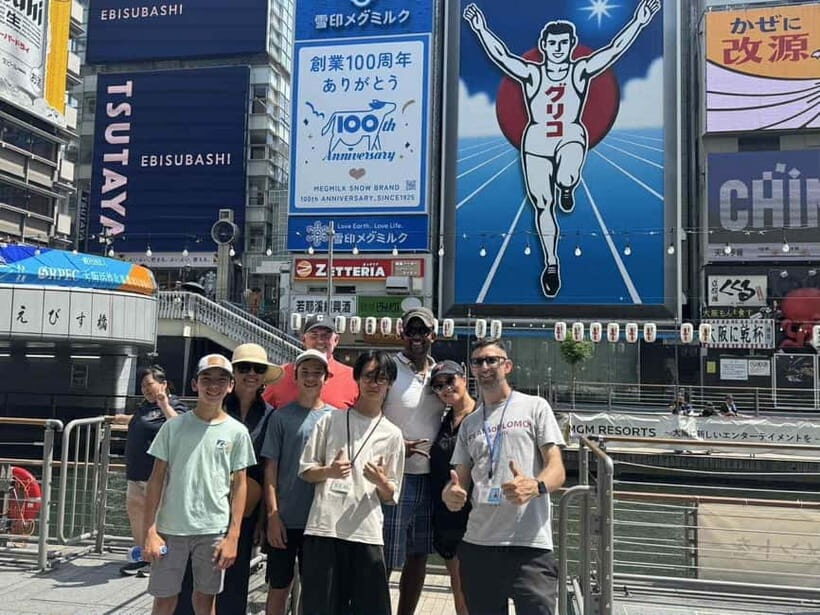
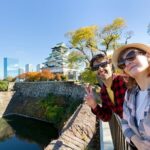
Osaka Castle is the anchor of the day, and it’s easy to see why. You enter the castle and you get time to take photos and absorb what makes it an Osaka landmark.
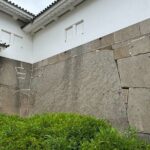
Here’s what’s useful for your planning. Osaka Castle is not just a postcard backdrop. It’s a place where the stories of the city make sense. A guide can help you connect what you’re looking at—structure, museum exhibits, and the overall layout—to why it matters historically.
What I’d expect you’ll appreciate most is the photo opportunity. You’ll want to aim for angles that show the scale of the main castle building and the grounds around it. If you’re the type who likes to keep a travel photo journal, this is one of the moments where you’ll get enough shots without spending your whole day just photographing.
One practical consideration: the tour includes walking between stops, and Osaka Castle areas can involve moving around outdoor grounds and museum areas. If you have back problems, this may be less comfortable for you (you’ll want to check with the provider before booking).
Tea Ceremony and Calligraphy: Hands-On Culture That Sticks
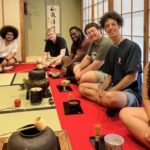
This is the part of the tour that usually becomes the favorite memory later, because it’s interactive. A real Japanese tea ceremony isn’t about sipping tea and moving on. You learn the flow and the care behind the steps—how attention and manners show up in something that seems simple.
Then you switch to calligraphy, where the focus shifts from watching to producing. You’ll be learning the craft itself, not just hearing about it. Even if your writing isn’t perfect (and it won’t be at first), the experience is still valuable because you’ll understand how practice, tools, and rhythm matter.
What I like about pairing tea and calligraphy is how different they are. Tea has a slower, more ceremonial pace. Calligraphy asks you to control your movement and commit to the stroke. Together, they show two sides of Japanese culture: calm precision and disciplined expression.
And if you’re traveling with kids or teens, this is one of the easiest sections to keep everyone engaged, because it becomes personal and hands-on instead of only observational.
Samurai Show, Traditional Instruments, and Optional Armor
After the quieter cultural activities, you move into performance mode. The tour includes a samurai show, plus time to play traditional instruments like the Shamisen, Koto, and Shinobue.
That instrument part is a strong value element. Even a short introduction helps you appreciate why Japanese music has a distinct sound. You also get a “doing” moment that breaks up the day. It’s not just watching someone else perform.
The reviews I saw praised the guide’s energy and professionalism, and one name came up: Canned. People liked how warm, friendly, and competent Canned was while keeping the tour moving. If you get a guide with that vibe, the whole day feels smoother, especially when you’re switching between different activities.
Now, the optional stuff:
- Samurai armor experience is not included in the base price. If you want to wear armor, there’s an additional fee of ¥4,820.
- There’s also kimono wearing (woman only) for ¥4,820.
- The tour includes taking photos in Samurai armor as an optional element, but the armor-wearing experience itself is the add-on.
The key detail you should plan around: the add-on price is said to be valid until the end of August. If you’re traveling later, you’ll want to confirm the current cost when you book.
If you’re on the fence, think about your photo goals. If you want a full costume moment, pay for the armor or kimono. If you’re happy with the performance and the cultural activities, you can skip the extra spending and still get a complete day.
One more note for families: kids can enjoy the samurai experience with armor designed for them. If you’re bringing younger travelers, this is often the “they’ll remember this forever” piece.
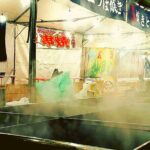



Dōtonbori at the End: Turn the Tour Into Dinner Plans
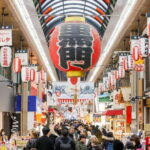
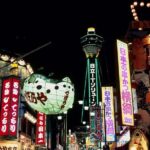
The tour finishes with a visit to Dōtonbori, Osaka’s famous entertainment and street-food district. This is a smart finish because Dōtonbori is not subtle—you’ll immediately see why it’s so popular for photos, shopping, and eating.
You’ll have time at the end to browse and snack. The practical move is to walk a few minutes and check what looks good before you commit. That way, you avoid the common mistake of grabbing the first thing you see just because you’re hungry.
Dōtonbori is also a good place to buy small souvenirs. If you like food-themed gifts, this is where they’re easiest to find.
Price and Value: What You Pay $135 For
The listed price is $135 per person, which is decent when you look at the mix of stops. You’re paying for:
- Osaka Castle visit
- Tea ceremony
- Japanese calligraphy
- Samurai show
- Traditional instrument playing
- And you’ll have photo opportunities connected to the samurai theme
That’s a lot of guided, structured time in one day. The value comes from how many different cultural formats you get—castle, hands-on arts, performance, and city wandering—without having to plan separate tickets and scheduling.
The trade-off is that armor and kimono aren’t included. Both optional add-ons are ¥4,820 each. If you want both, that’s a meaningful jump.
So here’s my practical way to decide:
- If you care most about culture doing-it-yourself (tea and calligraphy), the base price already covers your best moments.
- If you want costume photos, budget for at least one add-on.
- If your goal is photos only, the armor/kimono options matter more than the tea or calligraphy. In that case, I’d set your expectations accordingly.
One more logistics note: bring cash, especially if you plan to buy the add-ons. The tour specifically mentions cash, so don’t rely on card-only thinking.
Who Should Book This Tour (and Who Might Skip It)
This experience is a good fit if you:
- Want a single-day plan that mixes landmark sightseeing with hands-on culture
- Like structured activities with a guide, especially for arts like tea and calligraphy
- Want to see Osaka Castle and still end with a place to eat right after
It may not be ideal if you:
- Have back problems (the day involves movement across multiple stops)
- Are over 70 (the tour notes this age group as not suitable)
- Prefer fully independent travel with no guided activities (this is built around instruction and timing)
For families, the optional samurai armor for kids can be a big win, and the hands-on sections help keep younger travelers engaged.
Should You Book This Osaka Castle, Tea Ceremony, Calligraphy, and Samurai Armor Tour?
I’d book it if you want an Osaka day that feels like culture, not just sightseeing. The combination of Osaka Castle plus tea ceremony and calligraphy is the kind of pairing that makes your trip feel more personal. Add the samurai show and Shamisen/Koto/Shinobue instrument time, and you get variety without chaos.
Where you should pause is the optional spending. If you want armor or a kimono, decide ahead so there’s no last-minute budget stress. Also remember you’ll need cash.
If that sounds like your style—hands-on arts, guided explanations, and a fun finish in Dōtonbori—this tour is a strong way to get more Osaka in less planning time.
FAQ
What’s included in the tour price?
The tour includes a visit to Osaka Castle, a Japanese tea ceremony, Japanese calligraphy, a samurai show, playing traditional instruments, and optional photo opportunities in Samurai armor.
How much does the samurai armor experience cost, if I want to wear it?
Wearing samurai armor is an additional fee of ¥4,820. The base price does not include this armor-wearing experience.
Is kimono wearing included?
No. Kimono wearing is an additional fee of ¥4,820, and it’s listed as Woman Only.
What language is the tour conducted in?
The tour is available in English.
Where do I meet the group?
You meet at Osaka JOINER base, B1 Floor Namba Walk near Exit B23, between Mizuno and Docomo Shop.
What should I bring, and is there anything I can’t do?
Bring cash. Smoking indoors is not allowed.