REVIEW · TOKYO
Tokyo Ueno Food Tour Sushi Ramen and Local Favorites
Book on Viator →Operated by Sunrise Adventure · Bookable on Viator
One street, four foods, zero stress. This Ueno night shows you how to eat like a local, starting at Ameyoko and then moving through classic sushi and ramen spots with a guide. Two things I really like: you’re not stuck guessing what to order, and the small-group format keeps the vibe friendly instead of rushed. One thing to consider: it’s not a good match if you’re vegetarian, vegan, pescatarian, or gluten-allergic, and one stop allows smoking.
The tour price is $89.17, and you should think of it as paying for three things at once: guided ordering, multiple restaurant tastings, and cultural context so the food actually lands. You also have the option of an alcohol package—just remember Japan’s legal drinking age is 20. If you’re hoping for a quiet, sit-down dinner the whole time, this is more of a walk-and-eat adventure.
In This Review
- Key things that make this Ueno food tour worth your time
- Ueno at dinner time: the shortcut to real food
- Meeting point and pacing: how the 3 hours play out
- Ameyoko Shopping Street: where the appetite starts
- Sushi, ramen, and the classic plates you don’t have to hunt down
- Izakayas and optional drinks: ordering the right way
- Guides make the difference: Kaho, Nana, Nobutane, and Kana
- The smoking note: plan for it before you arrive hungry
- Who should book this Ueno sushi and ramen tour
- Price and value: what $89.17 is buying you
- Practical tips so you enjoy every stop
- Should you book this Ueno sushi and ramen tour?
- FAQ
- How long is the Tokyo Ueno Food Tour?
- Where does the tour start?
- How many people are in the group?
- Is alcohol included?
- What food is included?
- Is smoking allowed during the tour?
Key things that make this Ueno food tour worth your time
- Ameyoko Shopping Street as the launch point: a former post-WWII black market area with hundreds of tiny shops
- Multiple tastings included: sushi, ramen, and other classic dishes across several restaurant stops
- Small group size (max 5): easier questions, less standing around, and better pacing
- Optional alcohol package: alcoholic drinks included if you add it, with Japan’s age rules in mind
- Real local atmosphere: izakayas and everyday eateries, not polished tourist dining rooms
- Comfort over formality: no dress code, just wear what lets you walk and eat
Ueno at dinner time: the shortcut to real food
Ueno is one of those Tokyo neighborhoods where you can still feel daily life happening while tourists hunt for landmarks. This tour leans into that. You start at Ameyoko, a market street with history and serious eating energy, and then you move into the kinds of small places where locals go when they want something warm, salty, and satisfying.
What makes it work is the “you’ll know what to order” factor. In Tokyo, it’s easy to wander into a great-looking restaurant and still miss the best choice for your time and appetite. Here, you’ve got a guide handling the flow and helping you taste the kind of food you actually came for—sushi, ramen, and other Japanese classics.
You can also read our reviews of more food & drink experiences in Tokyo

Meeting point and pacing: how the 3 hours play out
You’ll meet at Andersen Atre Ueno, 7-chōme (7番街) 1F, which is a handy starting point near public transportation. The tour runs for about 3 hours, and it uses a mobile ticket, so you’re not digging through paperwork.
The pacing matters. This isn’t a one-restaurant meal. You’re eating across multiple restaurants and izakayas, so you get variety without planning your entire night block by block. And with a maximum of 5 people, you’re more likely to get direct attention from your guide—questions about what you’re eating, when to try what, and how local food culture works.
Ameyoko Shopping Street: where the appetite starts
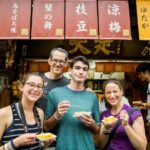
Stop one is Ameyoko Shopping Street, and the tour spends about 2 hours there. If you’ve never visited, Ameyoko is famous for being dense with shops and energy. It began as a black market after World War II, and it’s grown into a maze of around 400 small shops in a small area.
Why that matters for a food tour:
- It helps you understand the “market food” mindset. In Japan, markets aren’t just for souvenirs. They’re part of how people eat.
- It sets your expectations. Ameyoko doesn’t feel like a museum. It feels like people are here to buy food and keep moving.
- It’s a practical way to orient yourself in Ueno. Even if you come back later on your own, you’ll have a mental map faster.
One watch-out: it’s crowded and lively, so wear comfortable shoes and keep your phone secure while you’re walking. You’ll get plenty of chances to snack, taste, and ask questions as you go.
Sushi, ramen, and the classic plates you don’t have to hunt down

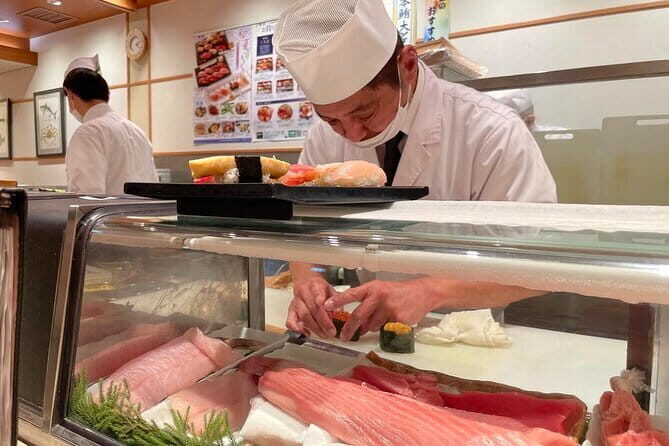
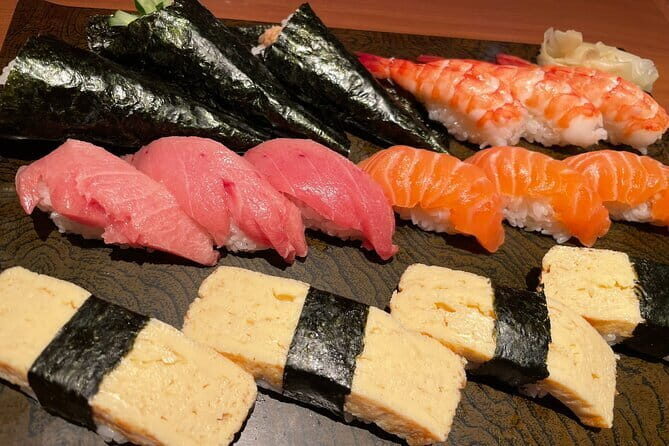
This tour is built around classic Japanese favorites. The included tastings specifically call out sushi and ramen, and you’ll also see other familiar items in the mix. In the feedback I saw, people commonly mentioned combinations like sushi, gyoza, yakitori, and ramen—the kind of lineup that gives you a real sense of how Ueno eats.
Here’s why this approach is smart:
- Sushi and ramen are both easy to find in Tokyo, but harder to pick confidently when you’re tired and hungry.
- A guide helps you focus on the experience, not on translation and menu guessing.
- Eating across places means you taste different styles instead of repeating the same flavors all night.
Also, this isn’t just about flavor. You get cultural insights into Ueno’s role as Tokyo’s original district, plus stories and recommendations as you move. That context makes the food feel less random and more connected to neighborhood life.
Izakayas and optional drinks: ordering the right way
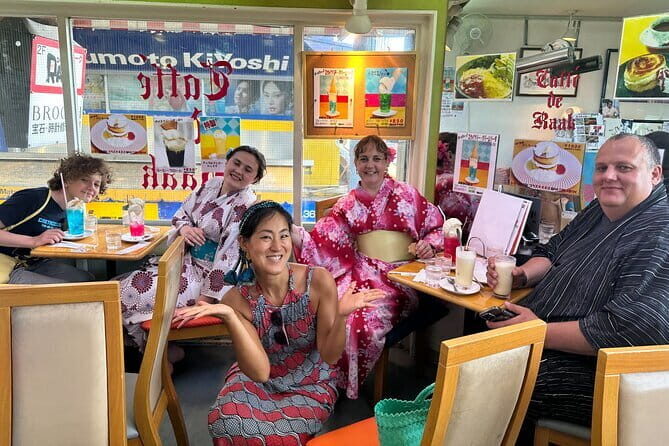
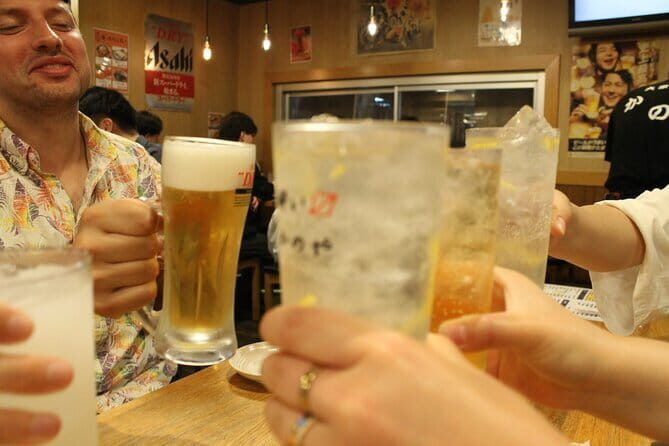
You may also enjoy alcoholic beverages, but only if you purchase the alcohol package. The tour notes that Japan’s legal drinking age is 20, so if someone in your group is under that age, plan on skipping alcohol.
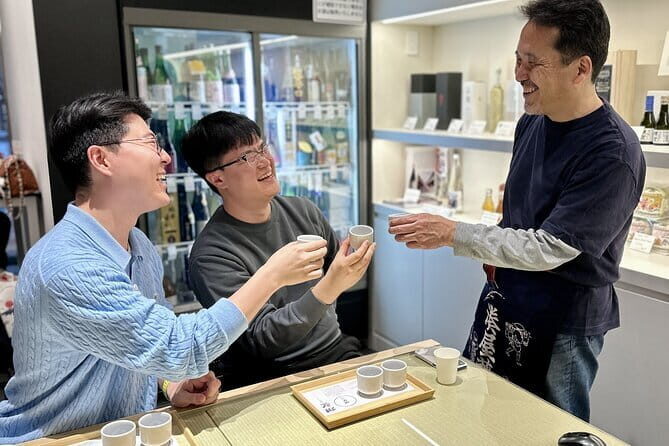
Alcohol on these kinds of food tours isn’t just a bonus—it often changes the meal rhythm. You’ll typically get the chance to pair drinks with small bites, and your guide can help you navigate what to order and how to behave at izakayas. Even if you don’t drink, you’ll still get the full food experience.
One practical tip: decide early if you want the alcohol package. If you do, you’ll want to pace yourself through the tastings. You’ll be walking and eating over a few stops, and it’s not the same as sitting down for one long dinner.
A few more Tokyo tours and experiences worth a look

Guides make the difference: Kaho, Nana, Nobutane, and Kana
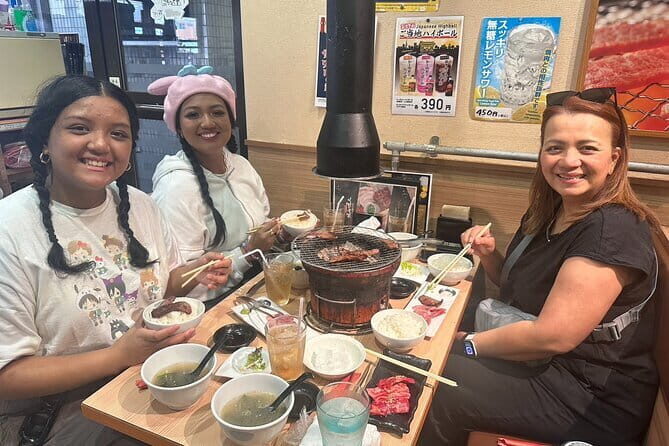
The human part is a big deal on this tour, and the names that came up repeatedly include Kaho, Nana, Nobutane, and Kana. People highlighted guides who:
- took time to explain local food culture and how the shopping district works
- had clear, helpful English
- answered questions and adjusted to what you were interested in
That last point is worth paying attention to. Food tours can sometimes feel like a rigid checklist—taste this, move on, goodbye. Here, there’s evidence that guides try to match your curiosity level and keep the experience interactive. If you’re new to Japanese food, that matters. If you already know some basics, it still helps to have someone explain what locals think is worth ordering.
And in some cases, guides went out of their way to help after the tour, like offering direction to a nearby station. Even if you don’t need that, it’s a sign of a guide who cares about your whole evening—not just the tastings.
The smoking note: plan for it before you arrive hungry
This tour includes a practical warning: one of the restaurants you visit allows smoking, which can be common in parts of Japan. If that’s a concern for you (as it is for many people), you should let the operator know ahead of time so they can do their best to make the experience comfortable.
If you’re sensitive to smoke, also think about how long you’ll be inside that spot. It’s not an all-day exposure unless you choose to linger, but you still want to be mentally prepared so it doesn’t spoil the meal.
Who should book this Ueno sushi and ramen tour
This is a great fit if you want:
- a small-group dinner plan that’s easy to follow
- tastings of sushi, ramen, and other classic Japanese foods
- an off-the-main-draw map of Ueno, starting with Ameyoko
- a guide who explains what you’re eating and why
It’s not for everyone. The tour specifically says it’s not suitable for vegetarians, vegans, pescatarians, or anyone allergic to gluten. That likely reflects both menu limitations and cross-contact realities in small local eateries.
If you’re in a different situation—no diet restrictions but you’re ready to try what’s put in front of you—this should be a strong choice.
Price and value: what $89.17 is buying you
At $89.17 per person, you’re paying more than just a meal. You’re buying:
- guided routing and ordering help
- multiple tasting stops across restaurants and izakayas
- seating at each place, which saves time and stress
- cultural stories and local context
- and possibly alcohol (only if you add the alcohol package)
Tokyo can be expensive when you’re on your own and constantly switching plans. The value here is that the guide reduces decision fatigue. Instead of spending your evening line-reading menus or trying to figure out what’s best, you get a curated sequence that already makes sense together.
One more value angle: the group size is capped at 5, which usually means less waiting around. You’re more likely to eat at the right pace and keep the momentum of the market-to-izakaya flow.
Practical tips so you enjoy every stop
A few things will help you get the most out of the night:
- Wear shoes you can walk in. You’re moving through a market area and several dining spots.
- Keep your expectations flexible. Tasting tours are about variety, not one perfect “main dish.”
- If you plan to drink, confirm you’re buying the alcohol package in advance, and remember the 20+ rule.
- If smoke is an issue, say something ahead of time so the operator can help.
- Bring an appetite. Sushi and ramen tastings plus other classics can add up fast.
Also, there’s no dress code. The tour is about comfort and local style, not outfits for photos.
Should you book this Ueno sushi and ramen tour?
If you’re planning your first (or second) night in Tokyo and want a food plan that feels local fast, I’d say yes—especially if you like the idea of starting at Ameyoko and then eating your way through a mix of sushi and ramen classics without doing homework.
Skip it if you’re vegan/vegetarian/pescatarian, have a gluten allergy, or if smoke exposure is a dealbreaker. And if you prefer long, quiet, sit-down dinners with no walking and no market chaos, you might want a different style of food experience.
For everyone else, this is the kind of tour that helps you get your bearings and your stomach happy in one go—guided, tasty, and built around the neighborhood you actually came to explore.
FAQ
How long is the Tokyo Ueno Food Tour?
It runs for about 3 hours.
Where does the tour start?
The meeting point is Andersen Atre Ueno, 7-chōme (7番街) 1F at the address listed for 110-0005 Tokyo, Taito City, Ueno.
How many people are in the group?
The tour has a maximum group size of 5 travelers.
Is alcohol included?
Alcohol is included only if you purchase the alcohol package. Japan’s legal drinking age is 20, so you cannot drink if you are below that age.
What food is included?
You’ll have tastings of classic Japanese dishes, including sushi and ramen, plus additional Japanese dishes at multiple restaurants and izakayas.
Is smoking allowed during the tour?
One of the restaurants you visit allows smoking. If this is a concern, you can let the operator know so they can do their best to make it enjoyable.