REVIEW · KYOTO
Kyoto: Walking tour Kiyomizu, Geisha District with a Local
Book on GetYourGuide →Operated by ENSHI KYOTO · Bookable on GetYourGuide
Kyoto’s steep streets have a way of stealing focus. This walking tour threads you through Kiyomizu and the Gion area with a Kyoto-born guide who shares what to watch for as you go. I like the way the tour slows down at real corners, not just big-name photo stops, so you understand the place instead of just passing through.
Two things I really like: you get entry to Kiyomizu Temple (so you’re not juggling tickets mid-walk), and you also come away with a hands-on cultural moment through omikuji fortune paper plus a photo shoot. One consideration: the route includes steep slopes and stairs, so it is not a good match if walking is hard for you.
In This Review
- Key Things You’ll Notice on This Kiyomizu + Gion Walk
- Why This Kyoto Walk Feels Local From the First Corner
- Meeting Shijo Bridge: Start Location and How to Find Your Guide
- Kiyomizu Temple Stop: Entry Ticket, Omikuji, and What to Watch For
- The Street + Photo Shoot Part: How to Get Pictures That Look Like Kyoto
- Gion District Walk: Geisha Culture Explained Without the Confusion
- Ask Better Questions: Q&A Sessions That Change How You See Kyoto
- Price and Value Check: Is $40 Worth It in Kyoto?
- Who Should Book This (and Who Should Skip It)
- Practical Tips Before You Go: Shoes and Pace
- Should You Book This Kiyomizu and Gion Walking Tour?
- FAQ
- Where does the tour start?
- Where does the tour end?
- What is included in the price?
- What language is the tour offered in?
- Do I need to bring anything?
- Is the tour wheelchair accessible?
- Who should avoid this tour due to health or age?
- What is the cancellation policy?
Key Things You’ll Notice on This Kiyomizu + Gion Walk
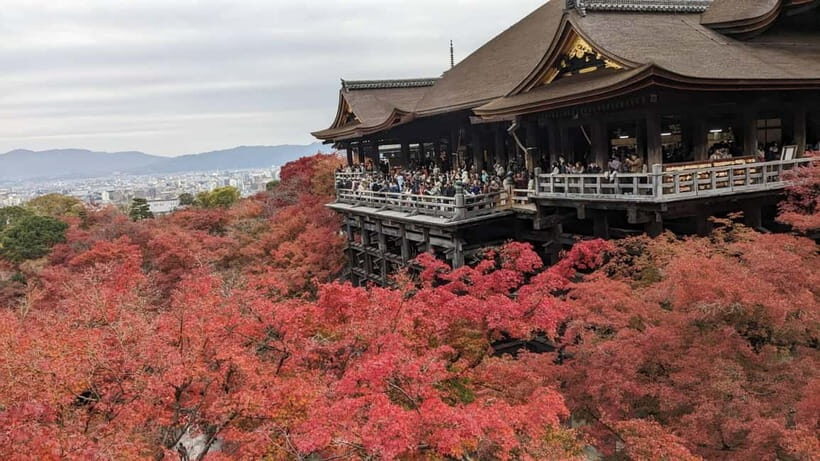
- A Kyoto local guide (English-speaking) who grew up in the city and explains what’s worth your attention
- Kiyomizu Temple entry included, so you spend energy on learning and photos, not logistics
- Photo shoot built into the experience, aimed at helping you capture the streets and temple atmosphere
- Omikuji fortune slip for a simple, memorable tradition you can actually take part in
- Q&A at each location, which makes the tour feel like a guided conversation, not a lecture
Why This Kyoto Walk Feels Local From the First Corner
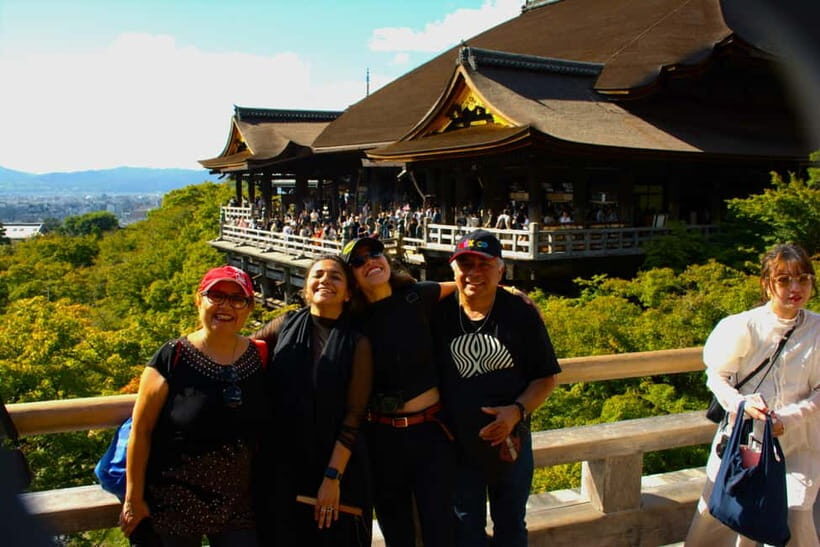
Kyoto can be intense if you treat it like a checklist. The smart move here is that the tour is designed for pace: quiet streets first, big sights second. You’ll be guided through the historic Kiyomizu and Gion districts, and you’ll learn how locals think about what you’re seeing as you see it.
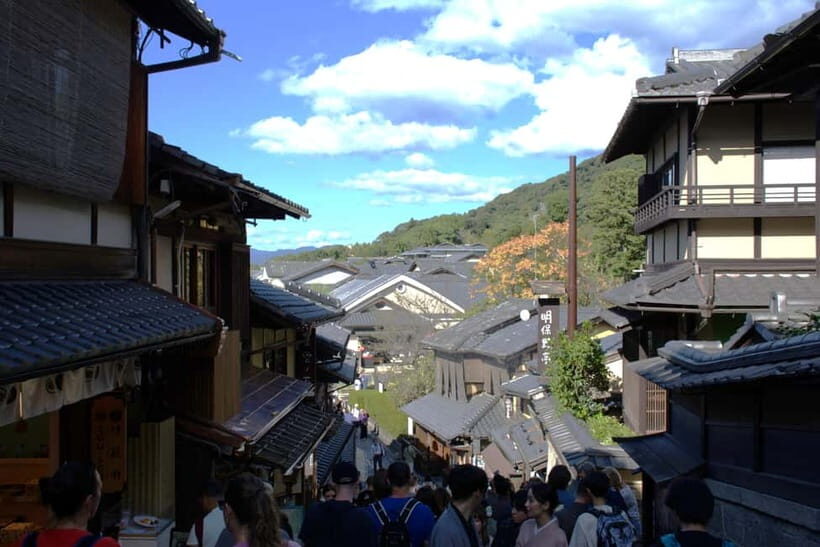
I especially like that you are not dragged along main roads. That matters because Kyoto’s real charm often shows up on side streets: small sign details, the angle of a doorway, how people move around shrines, and which alleys feel calm versus crowded. When a guide routes you away from the heavy traffic lanes, you get better photos too, with less background noise and fewer dead moments where you’re just waiting your turn.
There’s also a clear focus on understanding culture, not just scenery. You’ll get explanations about Geisha history and customs, plus tidbits you might not pick up from standard guidebook reading. The goal is to make your own eyes sharper by the time you reach Gion.
You can also read our reviews of more walking tours in Kyoto

Meeting Shijo Bridge: Start Location and How to Find Your Guide
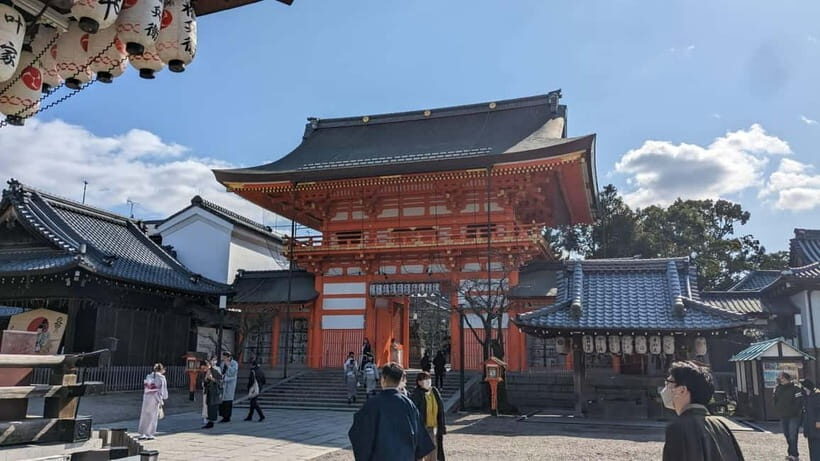
Your meeting point is practical and easy to navigate if you’re already in central Kyoto: the southeast side of Shijo Bridge, where your guide will be holding a red flag. That detail matters more than it sounds. In Kyoto, landmarks can be close together, and having a visible meeting marker helps you start the day without stress.
The tour ends back at the meeting point. I like that layout because you don’t end up stranded somewhere far from your next plan. After a walking tour, it’s nice when your feet and your transportation options line up.
Language is listed as English, which is another quiet quality-of-life detail. When your guide can explain temple rules, Geisha context, and everyday customs clearly, you spend less time guessing what you’re looking at and more time enjoying the experience.
Kiyomizu Temple Stop: Entry Ticket, Omikuji, and What to Watch For
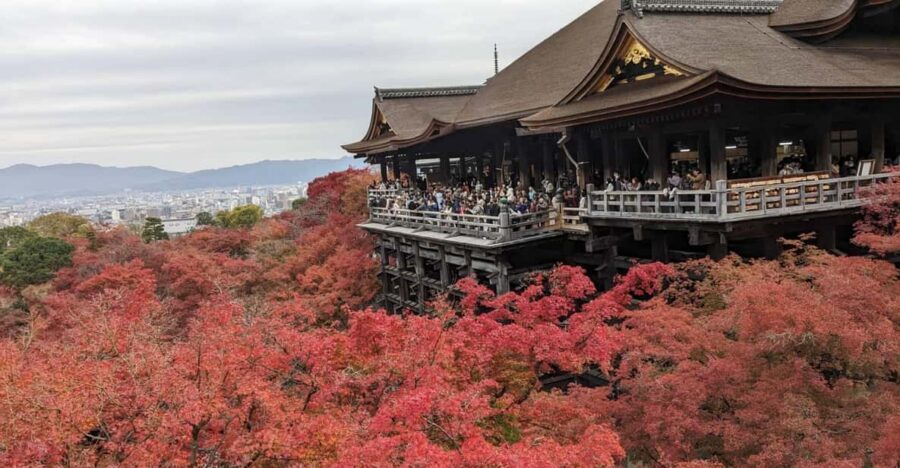
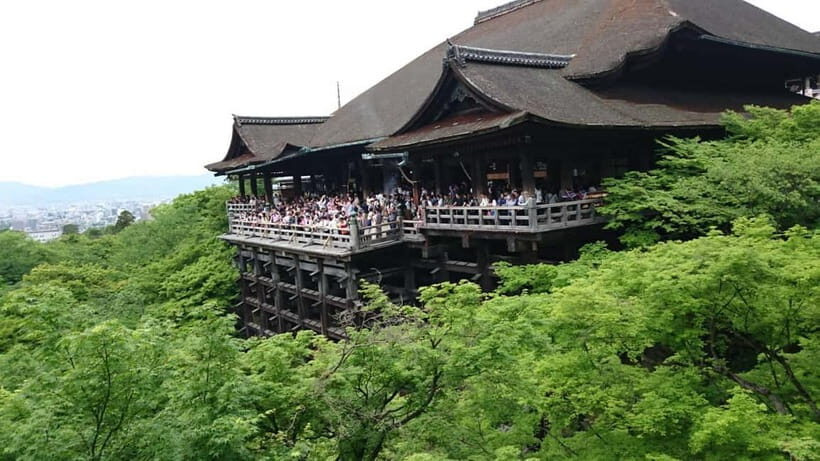
Kiyomizu Temple is the main stage of this tour for a reason. You get entry tickets included, so you won’t waste time at the last second figuring out pricing or lines. Once you’re inside, the guide’s job is to help you see beyond the obvious.
One of the most tangible moments is the inclusion of omikuji (fortune slip). If you’ve never done it, think of it as the simplest cultural ritual you can participate in without needing insider knowledge. The guide can help you understand what you’re doing and how to interpret the experience, which makes it more meaningful than just picking up a piece of paper.
Because the tour includes steep slopes and stairs, you’ll want to plan for a physical flow: slow climbs, quick rests, and steady shoe traction. That’s part of why this stop feels special. Temples in Kyoto are not flat attractions; they’re built into the city’s geography and rhythms.
You’ll also get a Q&A session at the location. This is one of the underrated values of the tour: you can ask questions while the guide is standing right where the context is visible. Instead of asking later and getting vague answers, you’re learning with the scene still fresh.
The Street + Photo Shoot Part: How to Get Pictures That Look Like Kyoto
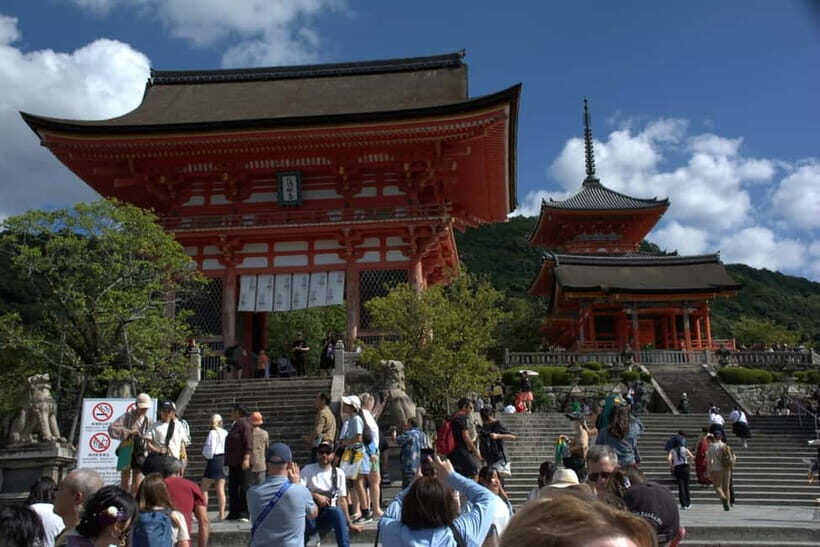
Kyoto photos can go wrong fast. You end up with blurry crowds, bright signs blasting attention, or temple angles that don’t show the mood. This tour includes a photo shoot, which tells me the experience is not only sightseeing; it’s also helping you frame the city well.
Here’s the practical benefit: when you’re walking with someone who knows the streets, you can hit angles and viewpoints you might miss on your own. The tour’s approach of avoiding main roads also helps. Side streets usually give cleaner backgrounds and calmer lighting.
You’ll be in historic streets territory for both Kiyomizu-area charm and the transition into Gion. That’s important because it lets you build a photo story: temple atmosphere first, then the distinct Geisha district feel after. And since there’s a local guide, you can likely get cues on where to stand, when to pause, and how to keep your shots from looking like every other postcard.
If you want a tip for getting more out of the photo shoot: don’t treat it like a one-minute moment. Ask the guide what makes the shot work at that specific spot. Small guidance like that turns your camera time into learning time.
Gion District Walk: Geisha Culture Explained Without the Confusion
Gion is the district most people picture when they think of Kyoto nightlife stories and Geisha imagery. What’s useful here is that the tour does not stop at the costumes and silhouettes. It focuses on Geisha history and Kyoto customs, which helps you understand why the area looks the way it does and how people move through it today.
You’ll hear explanations that connect what you see with cultural meaning. That means you’re not just spotting details. You’re learning the logic behind them. It also helps you avoid the common tourist trap: assuming everything you see is about one modern interpretation.
Another smart element: the tour includes quiet streets, not just the obvious walking corridors. That approach makes Gion feel more like a lived neighborhood and less like an open-air set. Even if you’re not trying to hunt for famous faces, walking those lanes with context changes your whole perception of the district.
The guide also supports the experience with interaction. Since there’s Q&A at each location, you can ask direct questions about what you’re seeing in Gion. If you’re curious about etiquette or why certain behaviors matter, this is the kind of tour where those questions are actually timed well.
Ask Better Questions: Q&A Sessions That Change How You See Kyoto
I love Q&A tours when they’re done well. This one includes a Q&A session at each location, which means you’re not waiting until the end to understand what you missed.
Here’s how to get more value from that structure:
- Ask questions that connect visible details to cultural meaning. For example, not just what something is, but why it exists or how people interact with it.
- If you have photo questions, ask them on the spot. A good guide can point you to a spot that improves composition and respects local flow.
- If you’re unsure about how to behave near temples or cultural areas, ask early. Then you relax and enjoy the walk instead of worrying.
This also explains why the tour feels easy to follow. In past comments about the guide’s style, people noted that explanations are clear and friendly. When a guide like Naoya-san (spelled a couple ways in notes, but the same person) can keep things conversational, you stay engaged without feeling like you’re stuck in a classroom.
Price and Value Check: Is $40 Worth It in Kyoto?
At $40 per person, this tour is positioned as a solid value for a city where “just wandering” can turn into paid temple entries, taxis, and time waste. The price includes several concrete items: Kiyomizu Temple entry tickets, a photo shoot, and omikuji fortune slip.
That’s the key to the value argument. You’re not paying only for talking. You’re paying for access and guided learning that shapes what you get from the day. Temple entry costs can add up, and if you’re trying to plan a similar self-guided route, you’d likely spend time figuring out tickets and figuring out cultural context on your own.
Also, a local guide who grew up in Kyoto can save you from common misreads. You’ll get explanations about Geisha culture and Kyoto customs, plus the route avoids main roads. Those two choices alone can improve your day: fewer crowds in your photos and better understanding in your head.
So yes, I’d call $40 a reasonable spend if you like guided experiences that translate into real knowledge and better pictures.
Who Should Book This (and Who Should Skip It)
This tour is a strong fit if you want:
- A guided walk through Kiyomizu Temple and Gion
- Cultural context about temples and Geisha history
- A calmer route that avoids main roads
- A bit of structure via Q&A and included activities like omikuji and a photo shoot
It is not suitable for certain needs. The tour is not recommended if you have difficulty walking, because it includes steep slopes and stairs. It’s also listed as not suitable for wheelchair users, people with respiratory issues, people with altitude sickness, and people over 80 or with low fitness.
A personal rule of mine: if you’re unsure about your stamina for stairs, don’t “push through” just to say you did it. Kyoto punishes weak shoes and weak pacing. If you want the same areas with less strain, you might consider a different style of tour, but with the information you have, this one sounds best for comfortably mobile walkers.
Practical Tips Before You Go: Shoes and Pace
The simplest advice is the most important: bring comfortable shoes. This isn’t a flat stroll. Expect steep slopes, stairs, and uneven crowd movement. Good shoes reduce the chance that your day becomes a sore-foot marathon.
Since there’s a Q&A at each location, you’ll also want to stay present. If you’re constantly checking your phone, you’ll miss the explanation that helps you understand what’s in front of you.
One more note that helps your mindset: the tour uses quiet side streets. That means you might not have constant big-city signage and easy visual cues. Your guide is the anchor, so keep an eye on the group and follow along.
If you like flexible planning, the booking model is set up for reserve & pay later, meaning you can lock in a spot now and handle payment later. Cancellation is allowed up to 24 hours in advance for a full refund, which can be useful if Kyoto weather or your energy level changes.
Should You Book This Kiyomizu and Gion Walking Tour?
Book it if you want a guided Kyoto walk that mixes temple entry, Geisha district context, and real interaction with a local guide like Naoya-san. The tour stands out because it’s not only about seeing; it’s about understanding while you’re there.
Skip it if you know stairs and steep slopes are an issue. The route is described clearly as challenging for mobility, and trying to force it can turn a cultural highlight into a painful chore. Also skip if you fall into any of the listed health and age-related constraints.
If you’re a comfortable walker and you care about learning the why behind what you see, this is a strong $40 purchase. You’ll leave with better photos, a fortune slip in your pocket, and the kind of Kyoto context that makes the rest of your trip easier.
FAQ
Where does the tour start?
The tour starts on the southeast side of Shijo Bridge, where the guide will be holding a red flag.
Where does the tour end?
The tour ends back at the same meeting point on the southeast side of Shijo Bridge.
What is included in the price?
The tour includes entry tickets to Kiyomizu Temple, a photo shoot, and omikuji (fortune slip).
What language is the tour offered in?
The tour is offered in English.
Do I need to bring anything?
You should bring comfortable shoes, since the walk involves steep slopes and stairs.
Is the tour wheelchair accessible?
No. It is not suitable for wheelchair users.
Who should avoid this tour due to health or age?
It is not suitable for people with respiratory issues, people with altitude sickness, people over 80, and people with low level of fitness.
What is the cancellation policy?
You can cancel up to 24 hours in advance for a full refund.