REVIEW · TOKYO
Shibuya Electric Bike Tour of Tokyo’s Most Expensive Neighborhood
Book on Viator →Operated by GET AROUND JAPAN · Bookable on Viator
Tokyo quiets down fast. This e-bike tour takes you into Shōtō, Komaba, and Oku-Shibuya—just minutes from Shibuya Crossing—so you can see a calmer side of the city. I love the small-group pace (max 6) and the chance to chat with your English-speaking guide in a way that feels like touring with a friend. I also like the stop mix: shrines, a classic teahouse, and offbeat public-toilet architecture. The main drawback to consider is that you’re on a schedule for about 2.5 hours and the experience requires good weather, so rain can throw a wrench into plans.
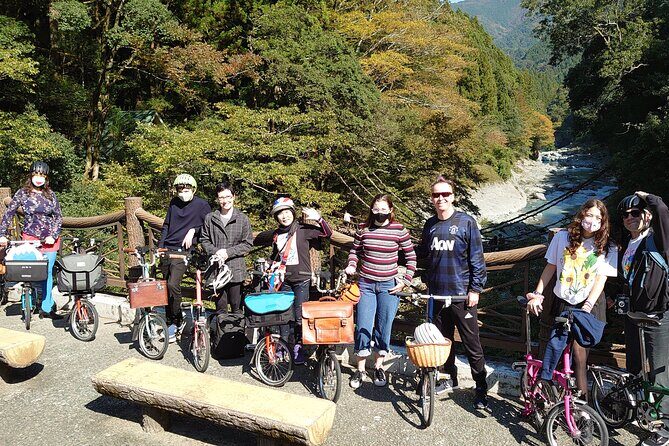
What makes this outing work is the balance between “Tokyo cultural sights” and “ordinary neighborhood life.” You’ll pause in a park area near Yoyogi, then roll through streets where traditional houses sit near sleek modern lines, with locally loved bakeries and coffee spots along the way. Your guide keeps things moving, but not so fast that you feel rushed—enough time at each stop to notice details, take photos, and ask questions.
How I’d describe the vibe: calm, local, and surprisingly photo-friendly for a route that starts in one of the busiest areas of Tokyo.
In This Review
- Key highlights you’ll feel right away
- Shōtō, Komaba, and Oku-Shibuya: the route’s real advantage over staying in Shibuya
- Meeting at Liquor Shop Matsumoto and getting rolling without stress
- Stop 1: Nabeshima Shoto Park and the Toilet designed by an acclaimed Japanese architect
- Stop 2: Former Marquis Maeda Teahouse for a real pause, not a rushed look
- Stop 3: Panamaboy Co., Ltd. for vintage browsing in Tomigaya
- Stop 4: Yoyogi Hachimangu Shrine and the manners piece you’ll actually use
- Stop 5 and 7 together: Little Nap Coffee Stand and CAMELBACK sandwich&espresso
- Little Nap Coffee Stand (about 15 minutes)
- CAMELBACK sandwich&espresso (about 15 minutes)
- Stop 6: Yoyogi Fukamachi Mini Park and Japan’s light-control public toilet
- Price and value: what $52.03 gets you in Tokyo time
- What the best guides do here: conversation, not just movement
- Who this Shibuya electric bike tour suits best
- Should you book this Shibuya e-bike tour?
Key highlights you’ll feel right away
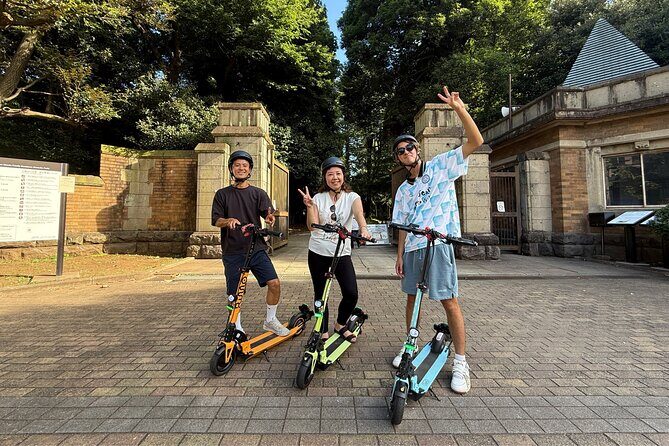
- Max 6 riders: more time for questions and conversation, not just photo stops
- English-speaking guide: helps you understand what you’re seeing and how to act
- E-bike with pedals: lets you cover ground without feeling like you’re speed-walking Tokyo
- Shinto shrine etiquette: you’ll get practical manners guidance at Yoyogi Hachimangu
- Architect-designed toilets: two different stops built around light-control and design quirks
- Stops for everyday Tokyo: vintage browsing, coffee breaks, and a famous egg sandwich stop
Shōtō, Komaba, and Oku-Shibuya: the route’s real advantage over staying in Shibuya
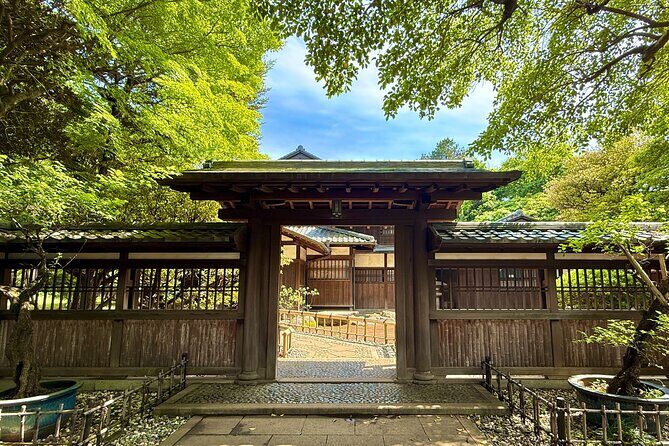
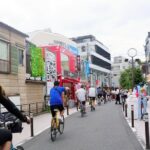
Tokyo can be loud. Shibuya Crossing is the loudest kind of loud. This tour cleverly uses that contrast. You start near the action, then ride into quiet neighborhoods—Shōtō, Komaba, and Oku-Shibuya—where the street energy shifts from crowds to side-street calm.
The payoff is you get two Tokyo moods in one half-day chunk. During the ride you’ll see the neighborhood feel of Tokyo suburbs: lower-key streets, residential textures, and everyday shops that don’t exist for tourists. That matters because Tokyo is full of “famous places,” but it’s also about how people actually live between those landmarks. This route is built to show that in a way you can’t easily stitch together on your own without wandering in the wrong directions.
And because it’s an e-bike tour, the distance between “I didn’t know this area existed” and “I’m enjoying it” stays short. You’re not trapped in one neighborhood. You’re getting a sweep of the calmer parts of Shibuya’s wider area.
You can also read our reviews of more cycling tours in Tokyo
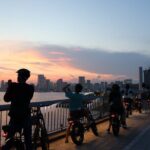
Meeting at Liquor Shop Matsumoto and getting rolling without stress

You meet at LIQUOR SHOP MATSUMOTO Japan in Shibuya, Maruyamachō (you’ll see it listed at 150-0044 Tokyo, Shibuya, Maruyamachō, 1015 松本屋酒店ビル). The tour ends back at the meeting point.
Two practical points make this easier:
- It’s near public transportation, so you’re not spending your precious morning figuring out an awkward last train connection.
- You use a mobile ticket, which is convenient when you’re bouncing between subway lines.
Duration is about 2 hours 30 minutes. With a route like this, that’s the sweet spot: long enough to cover multiple neighborhoods and several meaningful stops, but short enough that it doesn’t dominate your day.
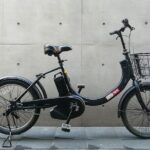
You’ll ride an electric bike with pedals. That means you’re not totally hands-off like a moped, and you’re not doing pure cardio either. It’s a good middle ground for most people—especially if you want to see more Tokyo than you could manage comfortably on foot.
What I’d bring: normal comfortable shoes for the walking segments, a camera (you’ll want it at at least a couple spots), and weather-appropriate layers. Since the experience needs good weather, plan like it’s a daytime walking tour that also happens to involve an e-bike.
Stop 1: Nabeshima Shoto Park and the Toilet designed by an acclaimed Japanese architect
The first stop is Nabeshima Shoto Park, with a quick 10-minute visit. You’ll hear about the park’s background, then you’ll see something most visitors don’t associate with a park: a famous toilet designed by a world-known Japanese architect.
Yes, a toilet sounds like a joke—but in Japan, functional design is taken seriously. Here, the toilet is part of the attraction because it shows how Japanese architecture can turn everyday public needs into something thoughtfully built. If you like seeing how design choices get made in real life (not just in museums), this stop clicks.
Practical tip: keep your eyes up while you’re there. For photo moments, people often focus only on the obvious structure. Take a couple seconds to look around the area too, since the setting matters for how the design reads on camera.
Potential drawback: this is a short stop. It’s perfect for a quick wow-factor, but it won’t replace longer time in a major park.
Stop 2: Former Marquis Maeda Teahouse for a real pause, not a rushed look
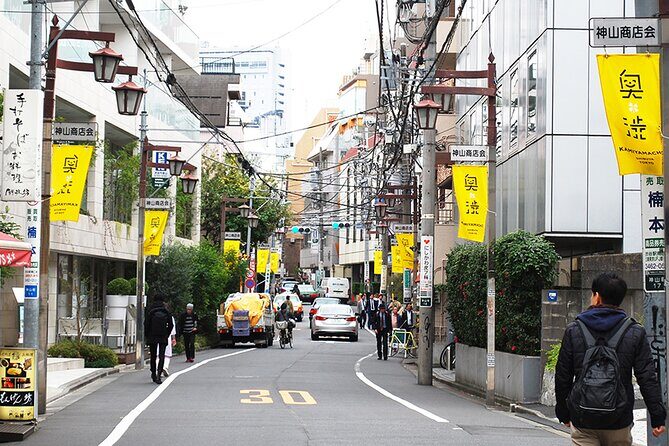
Next you head to the Former Marquis Maeda Teahouse, where you stop for about 30 minutes. This is a classic Japanese teahouse visit, with an emphasis on quiet, tranquility, and calm behavior.
The important detail: admission is included. That removes one little friction point, and it lets you focus on the experience instead of playing ticket Tetris while you’re already moving on the bike.
What makes this stop worth your time is the pacing shift. After the earlier “quick wow” architecture moment, you get a slower atmosphere. You’re walking in and taking a breather. You also get a chance to notice how teahouses feel different from the busy streets around them—more still, more intentional.
Consideration: since the visit is still time-boxed, you’ll want to be mentally ready to enjoy it in that 30-minute window. Don’t plan on using the teahouse visit to do a long, leisurely tea-session-style hang. It’s more about the experience and the setting.
Stop 3: Panamaboy Co., Ltd. for vintage browsing in Tomigaya
After the teahouse, you make a quick 10-minute stop at Panamaboy Co., Ltd. It’s a cozy vintage thrift/accessories shop tucked in the quiet neighborhood of Tomigaya.
This is one of those stops that works even if you don’t plan to buy anything. A small shop stop gives you texture. You get to see how everyday Tokyo style shows up in places that aren’t trying to sell you a souvenir map.
If you like:
- secondhand fashion,
- small accessories,
- and browsing just to see what people pick,
this stop will feel satisfying in a low-pressure way.
Downside? It’s short. If you’re the type who likes to browse for an hour, you’ll probably want to return on your own later.
A few more Tokyo tours and experiences worth a look
Stop 4: Yoyogi Hachimangu Shrine and the manners piece you’ll actually use
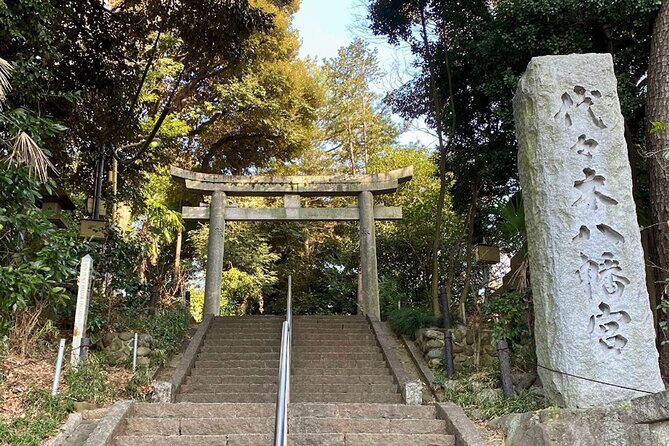
The tour then goes to Yoyogi Hachimangu Shrine for about 20 minutes. This is not just sightseeing. Your guide walks you through the shrine so you understand Shinto basics and the manners when you visit a shrine.
That “manners” part matters. Plenty of people go to shrines in Japan and try to follow signs, but it’s easy to get lost or guess wrong. Having an English-speaking guide here helps you do it correctly and feel comfortable while you’re doing it.
Also, shrine visits in Tokyo often feel very different from the city noise outside. Yoyogi Hachimangu is a good example of Tokyo space that slows your mind down. Even though the stop is time-limited, you’ll still get that feeling of stepping into another rhythm.
Practical note: dress and behavior matter at any shrine. You’ll be guided, but it’s wise to keep it respectful and quiet in your tone and movements during the walk-through.
Stop 5 and 7 together: Little Nap Coffee Stand and CAMELBACK sandwich&espresso
Food and drink aren’t included in the tour price, but the schedule includes time for quick breaks so you can buy what you want. Two specific stops do the job:
Little Nap Coffee Stand (about 15 minutes)
You’ll have time for a quick coffee at Little Nap Coffee Stand. This is a good reset after shrine time—short enough to keep the tour moving, but long enough that you don’t feel like you’re just standing around.
CAMELBACK sandwich&espresso (about 15 minutes)
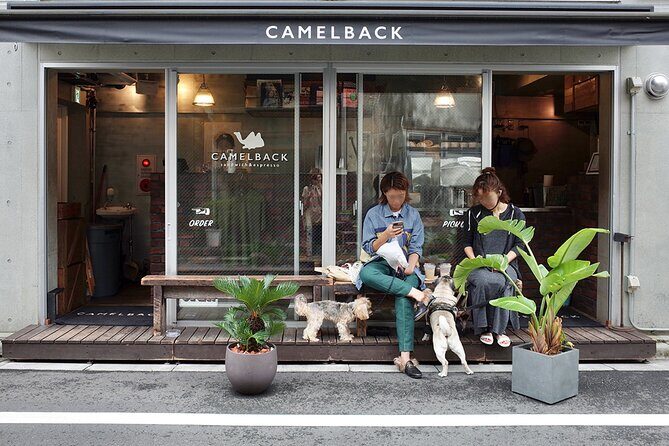
Later you’ll stop at CAMELBACK sandwich&espresso, with a focus on their signature: an egg sandwich made by a former sushi-chef.
That detail is exactly why this kind of tour matters. It’s not only about major attractions; it’s about the stories behind what local food spots actually make. An egg sandwich doesn’t sound like a landmark until you hear why it’s made the way it is.
What to know: since food isn’t included, you’ll pay for your own items. Build a small budget for coffee and a snack so you’re not doing mental math during the break.
Small consideration: if you’re expecting a full meal included in the price, this tour isn’t set up that way. It’s better thought of as a guided route with built-in opportunities to taste local stuff on your own terms.
Stop 6: Yoyogi Fukamachi Mini Park and Japan’s light-control public toilet
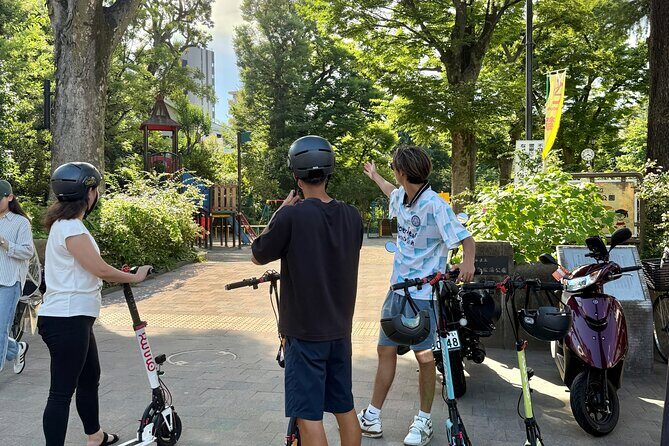
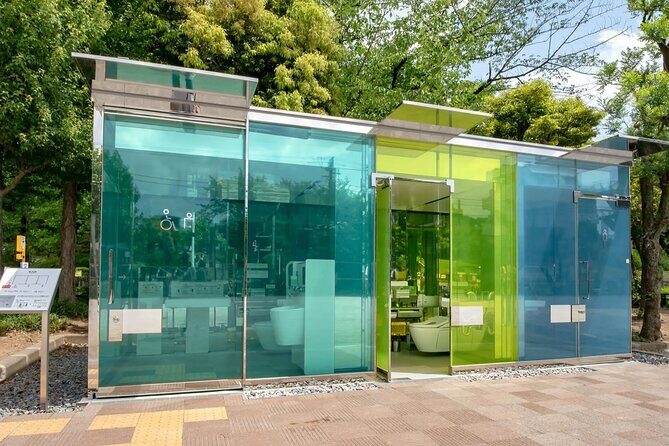
The final “architecture-with-a-story” stop is Yoyogi Fukamachi Mini Park, about 10 minutes. Here you’ll see Japan’s first public toilet using light control film, which turns transparent and opaque when switching the button.
Again, a toilet stop can sound like a prank. But in Tokyo, public design quirks are part of the everyday culture. This is the kind of thing you’d never think to search for, and that’s why it lands as a highlight. It also connects nicely with the earlier toilet design at Nabeshima Shoto Park, so the tour gives you two very different design angles on the same unexpected theme.
Practical takeaway: you’ll get a short explanation and photo chance. Don’t expect a long technical lesson—just enough context to appreciate the design and how it fits into public life.
Price and value: what $52.03 gets you in Tokyo time
The price is $52.03 per person, for about 2 hours 30 minutes. It’s not a bargain price in the grand scheme of Tokyo activities, but it’s also not the kind of premium tour where you’re paying for luxury you won’t notice.
Here’s what you actually get for that amount:
- An electric bike with pedals (so you cover more ground than walking)
- An English-speaking guide
- Admission to the Former Marquis Maeda Teahouse
That teahouse admission isn’t huge on its own, but it’s meaningful because it’s a real interior stop, not just a look-from-outside pause. Add the transportation value of the e-bike, and the guide value of understanding shrine manners and what you’re seeing, and the price starts to make sense.
Two other value signals:
- The tour is capped at 6 travelers, which usually means less waiting and more conversation.
- It’s booked far ahead on average—about 130 days—which often correlates with demand for this particular style of guided neighborhood route.
Group discounts are mentioned too. If you’re traveling with someone, it’s worth checking whether that applies when you book together.
What the best guides do here: conversation, not just movement
One strong theme from the experience reports is the guide tone. People describe it as friendly, with a vibe that feels like you’re touring with a local friend. One guide name that shows up is Leo, and the ride is described as easy to handle.
Here’s why that matters to you: on an e-bike tour, comfort is more than the bike. It’s how confident you feel. A guide who keeps things calm helps you enjoy the ride instead of worrying about traffic or balance.
And on a route full of culture stops—like shrine manners—your guide’s way of explaining things can turn “I saw a building” into “I understood what I was looking at.”
Who this Shibuya electric bike tour suits best
This tour fits best if you want:
- a Tokyo neighborhood experience rather than just big-ticket sights,
- a calmer side of Shibuya, including Shōtō, Komaba, Yoyogi, and Oku-Shibuya,
- an e-bike way to cover multiple areas without sprinting,
- and a guided mix of culture and everyday stops.
You might enjoy it most if you’re the kind of traveler who likes asking questions. The pace and group size make it easy to talk, and the itinerary includes moments that naturally invite questions—especially at the shrines and teahouse.
You may want a different style of tour if you:
- want a fully guided food crawl with meals included (food and drink aren’t included),
- dislike any chance of outdoor schedule changes due to weather (good weather is required),
- or prefer long stays in one place instead of moving through several stops.
Should you book this Shibuya e-bike tour?
I’d book it if your goal is to see Tokyo beyond Shibuya Crossing without spending your trip as a lost-person wandering session. The e-bike format is the right tool for this route because it puts you into quiet neighborhoods close to the center, and the stop choices are varied enough that you don’t feel like you’re doing the same kind of photo stop all day.
If you’re deciding on value, think of it as paying for three things: guided context, an e-bike ride that saves time, and a teahouse admission included. When you add that up, the $52.03 price feels more reasonable than it first appears—especially with the max-6 group size.
If you’re flexible on weather and comfortable riding a pedal-assist e-bike, this is a smart way to experience Shibuya’s calmer side and come away with stories you can’t get from a checklist.