Tokyo can feel like a blur. This 3-hour bike ride strings together temples, palace gates, stadium views, and Shibuya in one clean loop. I especially like the Bianchi and Fuji bikes and the English-speaking local guides who keep things moving and understandable.
One note: the meeting spot at the Commodore Perry statue can be slightly tricky to find, so I’d arrive a few minutes early and don’t cut it close.
If you like the idea of seeing Tokyo without constantly hopping on trains, this tour makes that happen. You get lots of scheduled photo stops and short on-foot moments, so you still get to actually look. If you’re not comfortable riding a bike, or you have restrictions like back problems or pregnancy, this is the kind of activity to skip.
In This Review
- Key moments worth riding for
- Where the ride starts: Daimon and the Commodore Perry statue
- Zojo-ji Temple and the Shiba area: a calm start with real stops
- Imperial Palace and Ōte-mon Gate: major landmarks without a museum-day schedule
- Akasaka Palace and New National Stadium: official Tokyo meets sports Tokyo
- The off-route pause: a small stop that breaks the pattern
- Minamiaoyama and Cat Street: style streets you can feel, not just read about
- Miyashita Park and Shibuya Crossing: the ending that actually lands you in the moment
- Bikes, safety, and why the $60 price makes sense
- Who this tour suits (and who should skip it)
- The little details that make or break your day
- Should you book this Tokyo bike or e-bike tour?
- FAQ
- How long is the Tokyo bike or e-bike tour?
- Where do I meet the guide?
- What bike options are available?
- Is an English-speaking guide included?
- Do I need to pay extra for a helmet?
- Is bike insurance included?
- What should I bring?
- Who is the tour not suitable for?
- Is there free cancellation?
Key moments worth riding for
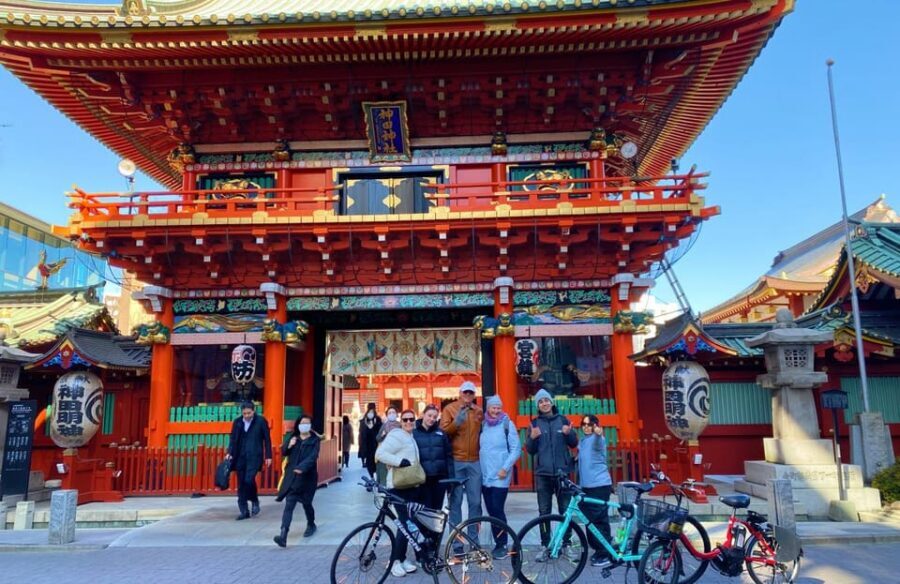
- Bianchi/Fuji bikes: road and cross-bike options designed for easy city handling
- English-first guidance with real local stories at each stop
- E-bike option for lower stamina or for people who don’t cycle often
- Photo-stop timing that keeps the pace efficient without feeling rushed
- Safety extras including bike insurance and a small on-bike pouch for essentials
- Finish at the Bell of Peace with Shibuya in your recent memory
Where the ride starts: Daimon and the Commodore Perry statue
You’ll meet at the Statue of Commodore Perry, right by Daimon Station (A6 exit). The walk from the station is short, but it’s one of those spots where you’ll want to orient yourself before you’re standing around in traffic fumes.
This is a smart start point because it puts you close to the Tokyo-metro rhythm while still feeling like you’re about to escape it. You roll out on a route that mixes famous sights with smaller street moments, and the tour structure is built to keep you from getting lost.
If you can, bring a little patience. Tokyo street navigation is easy once you’re on the move, but the first 5 minutes matter. Arrive early, take a breath, and let your guide set the tone.
You can also read our reviews of more cycling tours in Tokyo
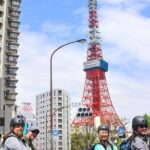
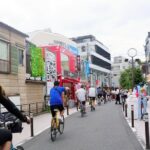
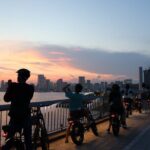
Zojo-ji Temple and the Shiba area: a calm start with real stops
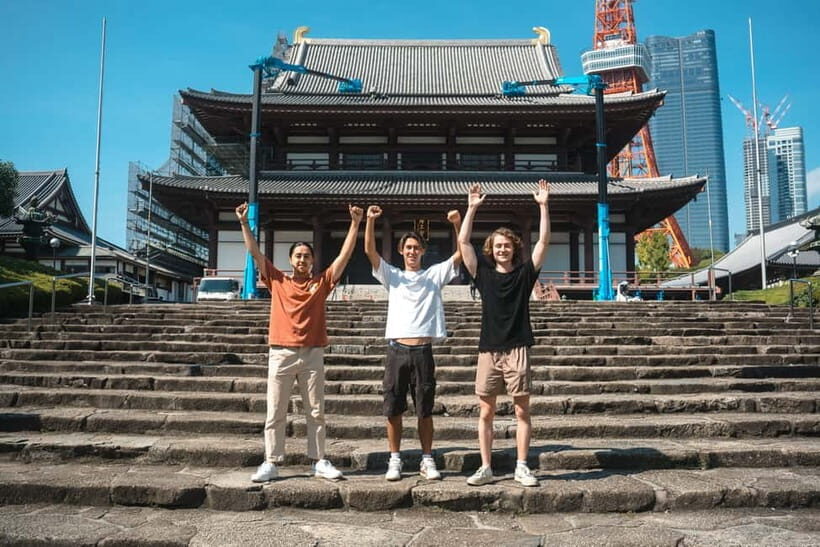
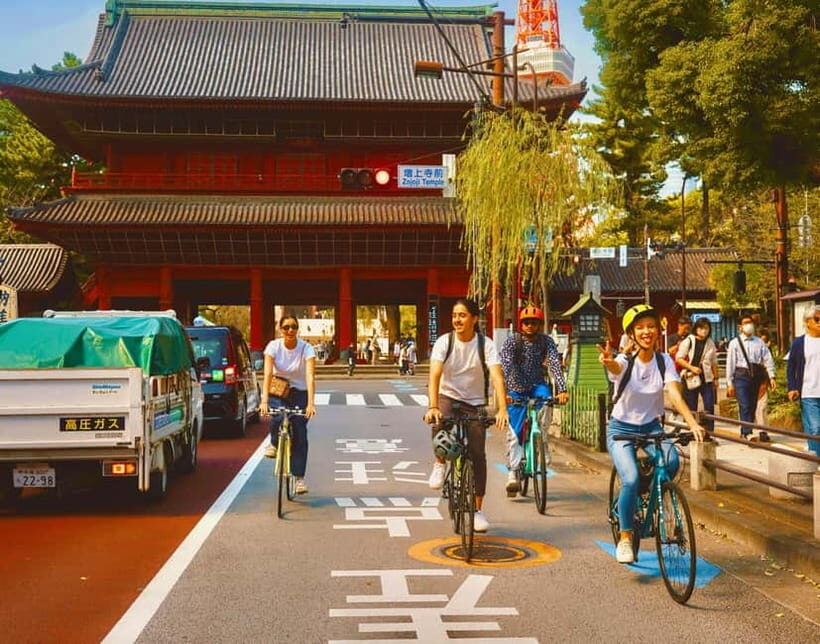
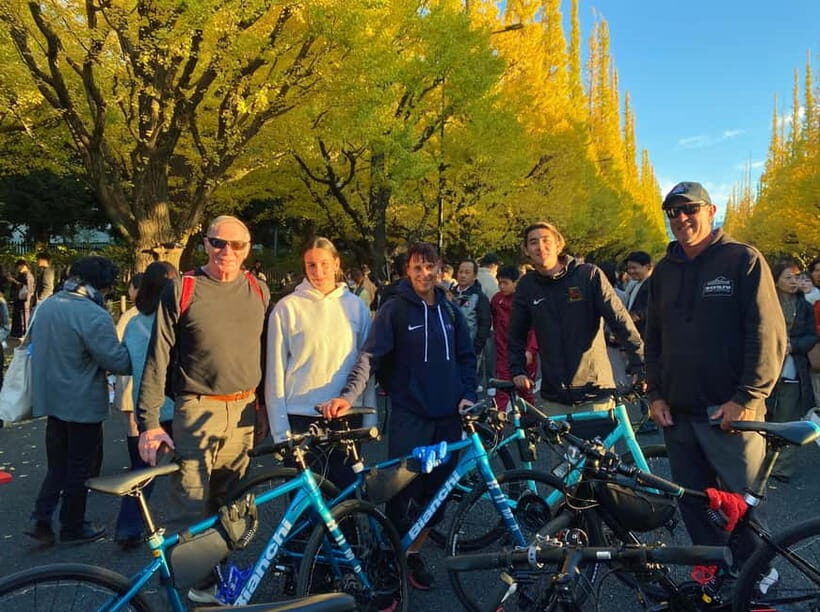
The first big stop is Zojo-ji Temple, with a photo stop plus a guided moment (about 15 minutes). This is where the tour’s theme shows up clearly: you’re not just passing by. You slow down enough to look, take photos, and get context from your guide.
Even if you’re not a temple superfan, this stop works because it’s an early payoff. It gives you something unmistakable right away, so you’re not wondering later what the ride is for.
Also, the timing matters. Fifteen minutes is long enough to get a few photos from good angles and do some walking on foot. It’s short enough that you stay fresh for the rest of the loop.
Imperial Palace and Ōte-mon Gate: major landmarks without a museum-day schedule
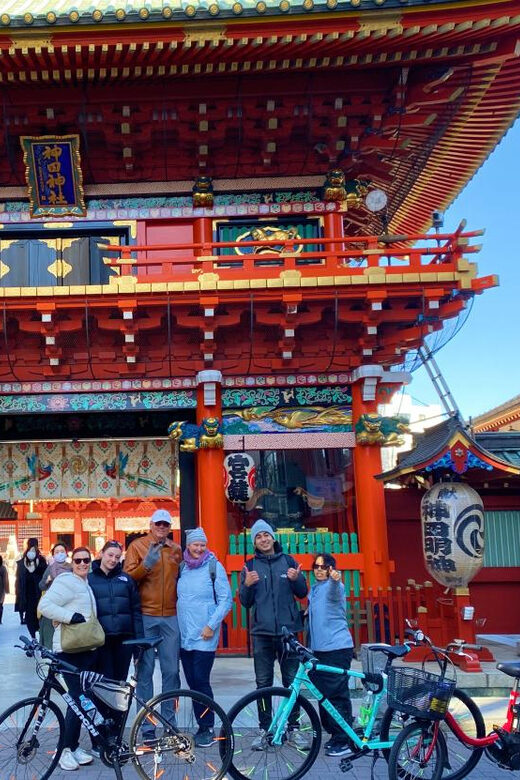
Next comes the Tokyo Imperial Palace area for a guided photo stop (around 10 minutes), followed by a short stop at the Ōte-mon Gate (about 5 minutes). These are the kinds of places where walking can feel slow, because you’re often dealing with crowds and distances.
Biking helps here. You can see the location clearly, take a photo, and move on before the day drifts into randomness. The guide’s job is to give you just enough background so the places make sense, without burying you in a lecture.
One practical benefit: photo-stop planning. Even if you’re traveling with a phone-only camera, this style of stop is designed for quick, successful shots. You’re not left figuring out where to stand while bikes cluster around you.
Akasaka Palace and New National Stadium: official Tokyo meets sports Tokyo
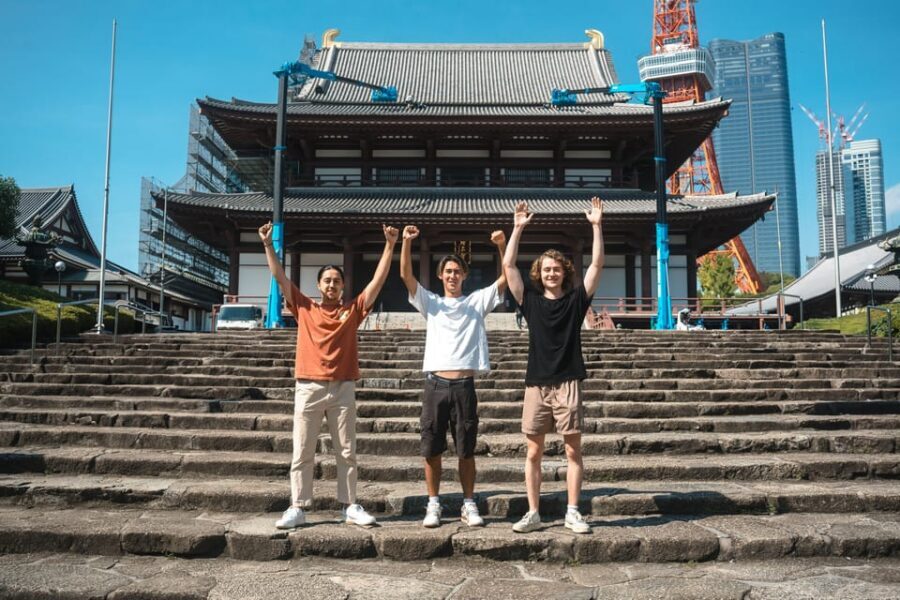
After the palace-side views, you’ll head to State Guest House Akasaka Palace for a guided photo stop (about 10 minutes). Then it’s the New National Stadium (another 10-minute stop). This section is a nice reminder that Tokyo isn’t one thing. It’s tradition, government space, and modern big-city spectacle—all tied together in one ride.
For me, the value here is the contrast. You’re switching settings quickly: from palace formality to a major modern venue. It prevents that usual Tokyo problem where you “see” something famous but don’t feel how it fits into everyday city life.
If you’re a first-time visitor, this is also an efficient way to tick off major landmarks. If you’ve been before, it still gives you perspective because the route changes how you experience these spots—more like moving through neighborhoods than checking boxes.
The off-route pause: a small stop that breaks the pattern
At about the middle of the ride, there’s a hidden/less-obvious stop built in for around 15 minutes. The exact location isn’t the point. What matters is the format: you get a longer visit away from the big-photo-machine spots.
This is where you notice the city at human speed. Instead of constantly snapping the same type of landmark photo, you get a moment that feels more local and less postcard. It’s also a good reset for your legs, since you’ve been cycling steadily.
If your ideal Tokyo day includes both must-sees and “wait, I didn’t expect this” moments, this stop is doing real work for the overall experience.
You can also read our reviews of more city tours in Tokyo


Minamiaoyama and Cat Street: style streets you can feel, not just read about
Then you shift toward the fashionable side of Tokyo with quick visits in 3 Chome Minamiaoyama (about 5 minutes) and Cat Street (also about 5 minutes). These are short stops, but they’re intentionally timed like taste tests.
Cat Street, in particular, is the kind of place where walking alone can eat time fast. On a bike tour, you get a structured pass through the area and you’re not stuck deciding whether you should commit to exploring deeper. Your guide helps you understand what you’re looking at without turning it into a long detour.
So even if you’re not a fashion-obsessed traveler, this part can still be fun. You get the city’s mood in a concentrated dose. And because the stops are short, it won’t wreck your schedule for the rest of the day.
Miyashita Park and Shibuya Crossing: the ending that actually lands you in the moment
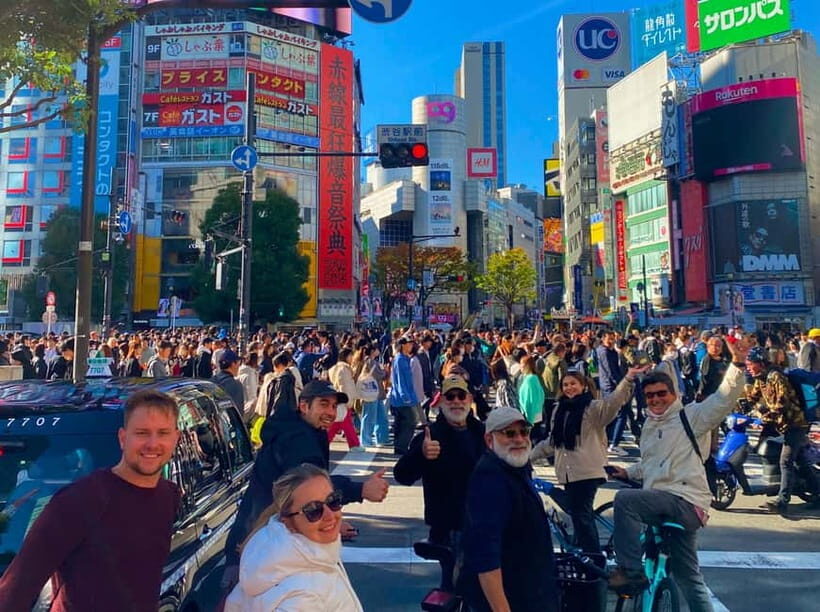
Next is Miyashita Park (a brief visit, about 3 minutes), followed by Shibuya Crossing for a photo stop and short visit (about 5 minutes). This stretch is built for momentum: you’re ending the loop with one of Tokyo’s most recognizable scenes.
The short park stop is useful because it gives your brain a tiny pause before you hit the crossing. It’s like a mental gear change, from stylish street energy to full-city spectacle.
Then comes Shibuya Crossing and the final landing at the Bell of Peace. That finish is practical. It puts you in a part of town where it’s easy to continue your day afterward, whether you want food, shopping, or just more people-watching.
Bikes, safety, and why the $60 price makes sense
This tour runs for 3 hours and costs $60 per person. What I like is that you’re not paying just for motion. You’re paying for bike quality, guidance, and the structure that keeps you from losing time.
You’ll use high-quality bikes from Bianchi and Fuji. You may ride a cross bike (Bianchi) or a road bike depending on your option, plus there’s an e-bike option if you don’t want to push long distances or you don’t cycle often. If you’re considering the e-bike, it’s not a downgrade. It’s how you keep the tour enjoyable instead of turning it into a stamina test.
What’s included also matters:
- English-speaking guide with local stories
- Bike insurance
- A small mini pouch on the bike for phone, wallet, keys, and essentials
Helmets are not included. You can get helmets on site for +¥1,000 per unit in cash. Child seats cost extra (+¥3,000), but the tour isn’t listed as suitable for children under 12, so plan accordingly.
One more practical safety note from how the ride is described: the tour is set up so you feel safe and protected at all times. That matters most in Tokyo, where crossing streets and merging at intersections can feel chaotic if you’re doing it alone.
Who this tour suits (and who should skip it)
This tour fits best if you:
- can ride a bike confidently, even if you’re not a serious cyclist
- want a fast way to see a lot of Tokyo landmarks and neighborhoods in a single morning/afternoon block
- like guided stops with photo opportunities rather than freeform wandering
It’s not suitable for children under 12, pregnant women, people with back problems, or anyone who can’t ride a bike. If any of those apply, switching to a walking tour or other low-impact option is the smarter call.
Also consider the e-bike option if you don’t cycle often. It’s specifically recommended when you don’t have much stamina. Picking the right bike option upfront usually makes the difference between enjoying the ride and feeling miserable by minute 40.
The little details that make or break your day
Before you go, plan around the basics:
- Bring comfortable shoes, water, and comfortable clothes
- Smoking isn’t allowed, and neither is alcohol or drugs
- No littering, obviously, but Tokyo streets are clean enough that you’ll appreciate the effort
Also, your on-bike pouch is included, which helps a lot. You won’t be juggling your phone in your hands while trying to stop for photos. Small comfort like that adds up during a 3-hour ride.
If you’re heat-sensitive, watch your hydration. There are multiple short stops throughout, which helps, but Tokyo weather still affects how you feel. Plan to take breaks and use your water.
Should you book this Tokyo bike or e-bike tour?
If you want a Tokyo intro that mixes major landmarks with short neighborhood glimpses, this is a strong choice. The value is in the full package: high-quality bikes, a guide, bike insurance, and a route that’s timed so you don’t waste half your day figuring out trains.
Book it if you:
- have limited time and want structure
- like photos with guidance
- enjoy cycling and want the city to roll past at a fun pace
Skip it if:
- you can’t ride a bike
- you have restrictions like back problems or you’re traveling with a need for low-impact movement
My final advice: if finding the meeting spot worries you, arrive early and ask your guide how to identify the correct spot. Once you’re rolling, this tour does exactly what it promises: Tokyo in motion, with stops that actually mean something.
FAQ
How long is the Tokyo bike or e-bike tour?
It lasts 3 hours.
Where do I meet the guide?
You meet at the Statue of Commodore Perry. It’s about a 3-minute walk from Daimon Station (A6 exit).
What bike options are available?
The tour offers high-quality road bikes (Bianchi and Fuji). There’s also an e-bike option, and cross bikes (including Bianchi) may be used as well.
Is an English-speaking guide included?
Yes. The tour includes a friendly, knowledgeable English-speaking local guide.
Do I need to pay extra for a helmet?
Yes. Helmets cost +¥1,000 per unit and are available on site with cash.
Is bike insurance included?
Yes. Bike insurance is included.
What should I bring?
Bring comfortable shoes, water, and comfortable clothes.
Who is the tour not suitable for?
It’s not suitable for children under 12, pregnant women, people with back problems, or anyone who can’t ride a bike.
Is there free cancellation?
Yes. You can cancel up to 24 hours in advance for a full refund.