REVIEW · TOKYO
Tokyo: 3-Hour Bike/E-Bike Tour of the City’s Highlights
Book on Viator →Operated by Tokyo Rental Bicycle · Bookable on Viator
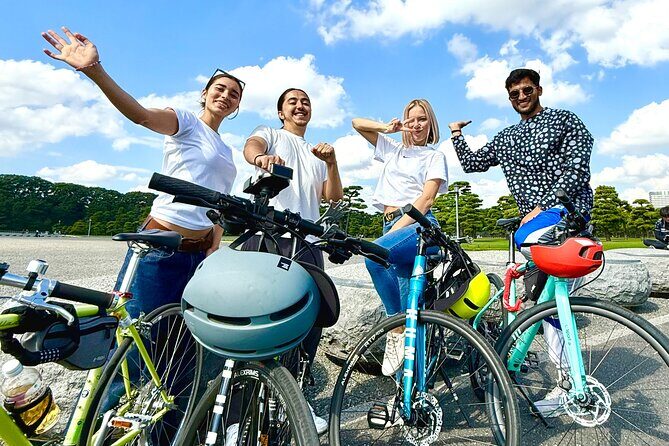
Tokyo by bike beats fighting crowds. This 3-hour bike/e-bike tour strings together the big sights you’ve heard about—without you spending your energy on routes. You roll with an in-person guide (English and Japanese), and you get a bike plus a few practical extras like a phone/wallet pouch, bike insurance, and a raincoat on rainy days.
I love the way the guide turns each stop into something you can actually place in Tokyo. One minute you’re looking at Zojo-ji, and the next you’re hearing how places like the Imperial Palace area connect to Japan’s power and ceremony, not just postcard views. I also love the pacing: you hit major landmarks across multiple neighborhoods, including Shibuya Crossing, in a short time.
One thing to consider: you’ll be riding in real street conditions, including busier crowd areas, so you need to feel comfortable with traffic and occasional bike-jousting. Also, the helmet is not included—you can rent one for ¥1000 and you’ll want cash.
In This Review
- Key Points You’ll Care About
- Why This 3-Hour Tokyo Bike Tour Works for Tight Schedules
- Starting at Shibakoen: Where You Get Oriented Before the City Swallows You
- Zojo-ji First: Temple Views With Feudal-Era Context
- Imperial Palace Area: A Calm Contrast After the Rush
- Tokyo Station Marunouchi: Classic Red-Brick Meets Modern Flow
- Akasaka State Guesthouse Grounds: Royal Villa Energy Without the Long Stay
- Japan National Stadium: The Olympic Site Feeling Very Real
- Aoyama Street and Cat Street: Fashion and Architecture, Quick Hits
- Biking Shibuya Crossing: The Best Kind of Photo Stop
- Ending at Yoyogi Park and Jinnan: A Convenient Exit to Continue Your Day
- Bikes, Helmets, and Riding Etiquette in Tokyo Traffic
- Price and Value: Why This Costs $63.01 (and What You Really Get)
- Who This Tour Is For (and Who Should Reconsider)
- Should You Book This Tokyo Bike Highlights Tour?
- FAQ
- How long is the Tokyo bike/e-bike tour?
- What is included in the price?
- Is a helmet included?
- What sights are included during the ride?
- Where does the tour start and end?
- Are entrance fees included?
- Is food and drink included?
- What if the weather is bad?
- Is there an option for a child seat?
Key Points You’ll Care About
- A guide-built route that covers temples, palaces, stadium grounds, and fashion streets in one loop
- Shibuya Crossing on a bike so you experience the crossing flow instead of just watching it from the curb
- Free admission at each stop so your time is spent sightseeing, not queuing for tickets
- Safety-minded riding with guides positioned to help you stay together in busier areas
- Rain-ready basics: raincoat included on rainy days, plus bike insurance
- Ends near Yoyogi Park and Harajuku so you can keep exploring right after
Why This 3-Hour Tokyo Bike Tour Works for Tight Schedules
Tokyo can feel like a machine: fast trains, bigger neighborhoods than you expect, and decisions every block. This tour is built for the reality that you might only have a few hours (or you’re saving your energy for later). In about three hours—including travel between stops—you get a wide, high-quality overview that helps you plan what to do next.
The value isn’t just the speed. It’s also the fact that someone else handles the navigation and the order of sights, so you don’t burn time figuring out which station is closest to what. With a private setup, you’re not squeezed into a chaotic group rhythm; you can follow the guide’s pace and expectations.
You can also read our reviews of more cycling tours in Tokyo
Starting at Shibakoen: Where You Get Oriented Before the City Swallows You
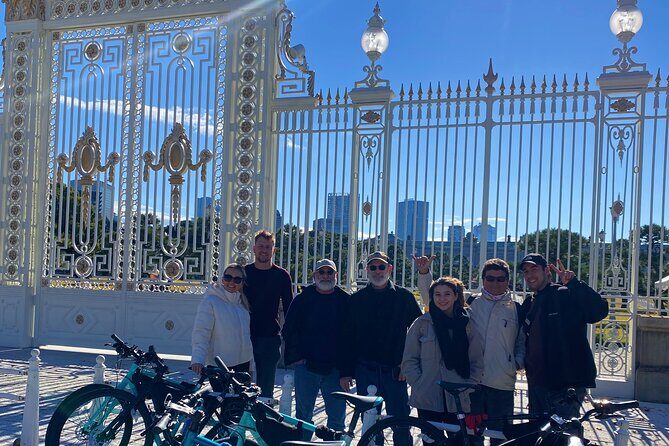
You begin at the Statue of Commodore Perry in Shibakōen (Minato City). It’s a recognizable landmark area, and it sets up the first leg nicely because you’re starting from a part of Tokyo that’s connected to major routes.
Here’s the practical advantage: before you head into areas like Shibuya, the guide gets you rolling with the basics—how to ride as a group and how to react when streets get crowded. Even if you’re not an expert cyclist, this is the moment to settle into the experience.
Tip: if the meeting spot feels even a little unclear, double-check the pin in Google Maps ahead of time. Some landmark areas are easier to miss than you’d expect.
Zojo-ji First: Temple Views With Feudal-Era Context
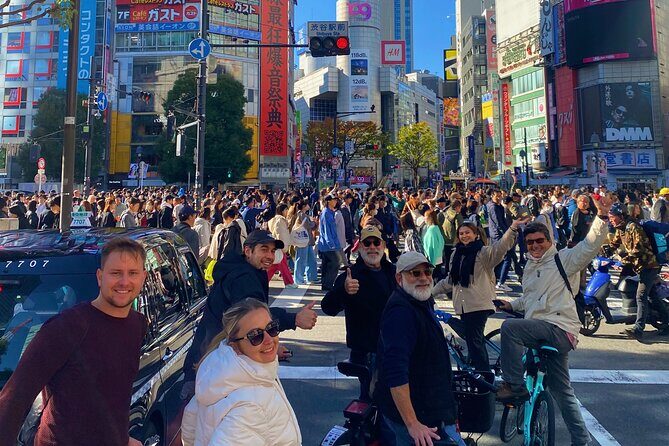
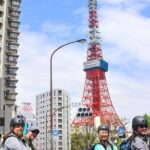
Your first stop is Zojo-ji Temple, next to Tokyo Tower. You’ll spend about five minutes here, which means it’s not the stop for a long, sit-down visit. Instead, it’s the stop for quick recognition: the religious site, the historic significance, and the famous pairing with Tokyo Tower in your frame.
What makes this opening smart is the context. Zojo-ji is tied to Japan’s history of power and ceremony, so the stories from your guide help you see it as more than a pretty temple you pass once and forget. Even a short look lands better when you understand why it matters.
A drawback? If you’re the type who wants to read every plaque and wander quietly, you may find five minutes tight. The trade-off is that you’re saving time for more Tokyo highlights.
Imperial Palace Area: A Calm Contrast After the Rush
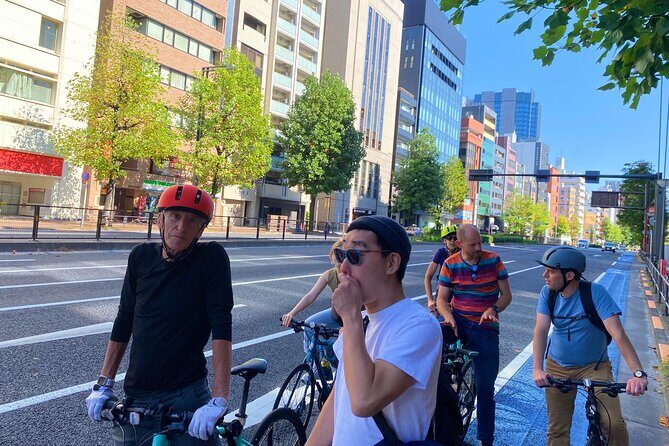
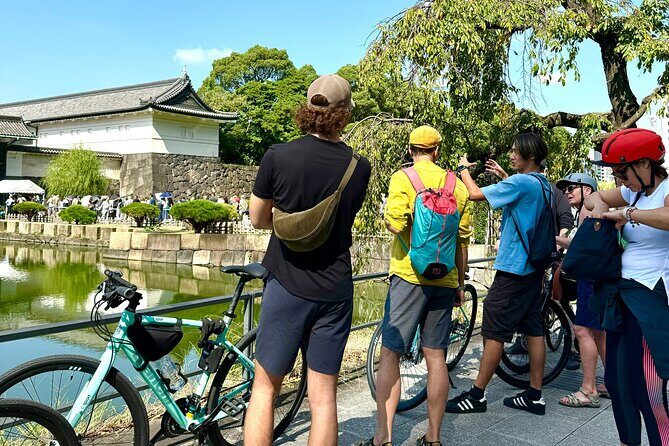
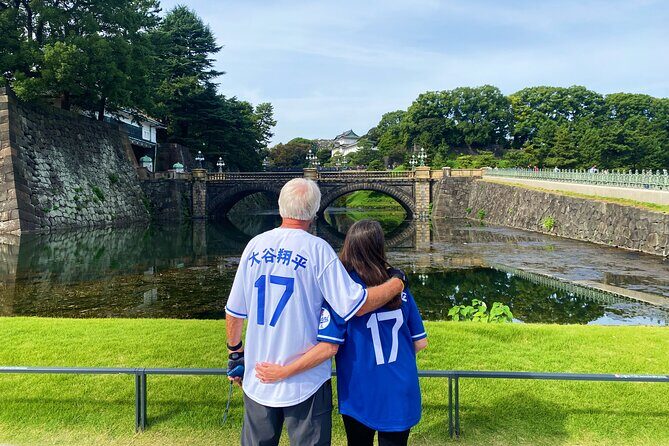
Next comes the Imperial Palace area. You’ll spend around 15 minutes exploring, and you’ll focus on the Imperial Palace grounds and what they mean as the residence of Japan’s Emperor. Expect a “look, learn, photograph” vibe rather than a deep tour through buildings.
Then you’ll hit the Kokyo Otemon Gate (the main entrance). With about 10 minutes at this spot, it becomes your photo anchor. If you love architecture and gateways, this is a great place to slow down for a few shots—especially if your timing works with lighting and crowds.
You’ll likely appreciate how the guide frames the palace area: not just as a monument, but as a living cultural symbol. That kind of explanation turns a gate and a wall into something you can actually read.
Tokyo Station Marunouchi: Classic Red-Brick Meets Modern Flow
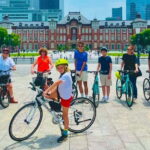
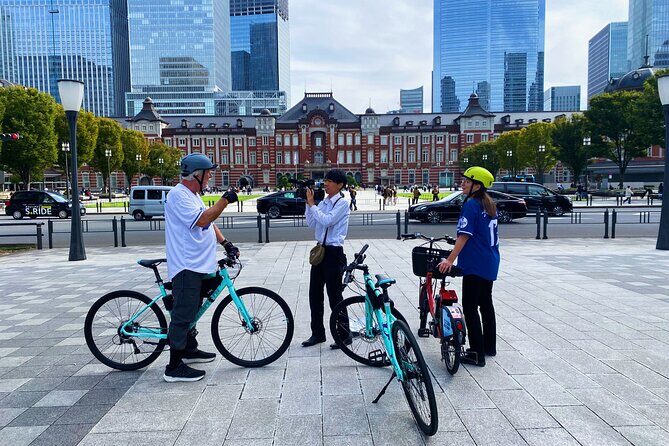
You’ll get about 10 minutes at Tokyo Station Marunouchi Ekimae Hiroba, with admission-free access. The best thing here is contrast: Tokyo Station’s iconic red-brick facade, originally opened in 1914, is historic and instantly recognizable, even if you’ve never been inside.
This is also one of the stops that helps you “map” Tokyo. Once you understand where Tokyo Station sits in the city, everything gets easier later—subway decisions, neighborhood planning, and meeting up with friends.
Downside: you’re not doing a full station exploration. It’s a highlight stop, so keep expectations realistic: you’re capturing the look and moving on.
You can also read our reviews of more city tours in Tokyo

Akasaka State Guesthouse Grounds: Royal Villa Energy Without the Long Stay
After Tokyo Station, you visit the Akasaka Palace area (the State Guesthouse). You’ll have around five minutes. It’s a short stop, but it has a distinctive feel because the area is tied to its original identity as a royal villa and now functions as a state guesthouse.
This portion is best for people who like the “Tokyo layers” effect: modern city life, and then a hint of how governance and tradition shaped the geography. If you’re expecting big sightseeing time here, you’ll want to plan extra solo time later.
Japan National Stadium: The Olympic Site Feeling Very Real
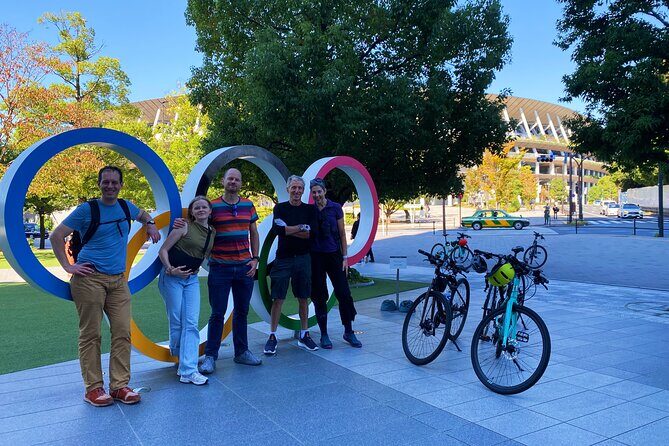
You’ll spend about 15 minutes at Japan National Stadium, the venue for the 2020 Tokyo Olympic and Paralympic games. This is another admission-free stop, which makes it easy to fit into the loop without spending extra money or time on ticket logistics.
What you get in the time you have is a sense of Tokyo’s modern identity—stadiums, international events, and the way global moments are woven into the city. The guide’s stories can help you notice details you’d otherwise miss.
Aoyama Street and Cat Street: Fashion and Architecture, Quick Hits
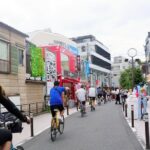
Then the tour turns toward neighborhoods with style. You’ll roll through Aoyama Street, known for high-end fashion brands and distinct architecture, and you’ll get about five minutes. It’s a fast snapshot, but it’s a useful one if you want Tokyo’s “polished” face without spending an entire afternoon shopping.
After that you’ll visit Shibuya Cat Street for about five minutes. This is a strong contrast to Aoyama: more attitude, more youth-oriented shopping energy, and lots of street visuals to notice while you’re on the move.
Because these stops are short, they’re ideal for photos and orientation. If you want to browse brands for real, treat this as your “I’ll come back later” moment.
Biking Shibuya Crossing: The Best Kind of Photo Stop
Shibuya Crossing is last in the sightseeing list, and you’ll bike through it for about five minutes. This is the stop people remember. Not because you’re staring at the sign, but because you’re experiencing the crossing flow as pedestrians move in every direction.
It can be intense, especially if you’re not used to busy crowds. That’s where good guiding matters. Several guides are praised for explaining road rules and how to stay safe while riding through crowd-heavy areas. Having guides ride near the front and back of the group is a real help for staying together.
Timing note: if you choose an afternoon slot that runs later, you might catch the crossing with evening atmosphere. Even if it’s daytime, the scale is still the point.
Ending at Yoyogi Park and Jinnan: A Convenient Exit to Continue Your Day
You finish right by Yoyogi Park, near Harajuku Station. That ending location is smart because it gives you options immediately: you can wander in the park area, head toward Harajuku, or jump into the shops and dining zone around Jinnan.
Your ride ends at Bell of Peace in Shibuya (and the route continues into the Jinnan area nearby). It’s a smooth “stop” that doesn’t leave you stranded across town from where you’ll want to eat.
Bikes, Helmets, and Riding Etiquette in Tokyo Traffic
The tour includes bicycle use, plus a mini pouch attached to the bike so you can carry a phone, wallet, and keys. Rain is handled with a raincoat on rainy days, so you’re not forced into canceling your plans at the first light drizzle.
Helmet rental is extra: ¥1000, and you’ll need cash. That’s the main logistics item you should take care of before you show up, because having the cash ready makes the start painless.
The bikes themselves are described as easy to ride, and pedal assist is frequently mentioned in guide feedback. Still, you should plan on riding for three hours with moderate fitness. You’ll spend most of your time riding between stops, with short breaks rather than long hangouts.
Also plan for some street riding in traffic. Tokyo isn’t a quiet cycling brochure. The guide’s job is to keep you safe and explain how to move through busier conditions without panicking.
Price and Value: Why This Costs $63.01 (and What You Really Get)
At $63.01 per person for roughly three hours, this tour is priced like a practical city orientation tool, not like a museum day. Here’s what’s packed into that price: bike use, an in-person guide (English and Japanese), a raincoat on rainy days, a mini pouch, and bike insurance.
You also get admission-free access at each listed stop, which helps keep costs predictable. The helmet is an extra ¥1000 if you choose to rent one, and food and drink aren’t included. But for many people, that’s exactly the point: you can keep lunch plans flexible around your own timing.
Private tour matters too. You and your group get your own guided route, which usually feels calmer than joining random public tours on a tight schedule.
Who This Tour Is For (and Who Should Reconsider)
This is a great fit if you:
- Want a quick overview across Tokyo’s major neighborhoods
- Are short on time but still want meaningful context for the highlights
- Feel comfortable riding a bike for about three hours with city traffic mixed in
It may be less ideal if you:
- Want long, quiet time in each attraction (this is highlight-focused)
- Prefer avoiding crowded street crossings and don’t feel steady riding near dense pedestrian areas
- Don’t want to handle optional extras like helmet rental cash
It can also be a smart early-trip move. If you do this near the start of your Tokyo days, you’ll leave with a mental map of where things are and what neighborhoods you’re likely to revisit.
Should You Book This Tokyo Bike Highlights Tour?
Book it if you want maximum Tokyo for a limited number of hours and you like learning as you move. The combination of a guided route, free-access stops, and the big “Tokyo musts” (Zojo-ji, Imperial Palace area, Tokyo Station, and Shibuya Crossing) is exactly what you want from a highlights tour.
Skip it or reconsider if you’re hoping for a slow, deep sightseeing day with lots of downtime at each stop, or if you’re not comfortable cycling through busier crowd areas. In that case, you’d probably be happier with a more stationary walking plan.
If your goal is to get your bearings fast and leave knowing where to go next, this tour is one of the more straightforward ways to do it.
FAQ
How long is the Tokyo bike/e-bike tour?
The tour lasts about 3 hours, and that total includes travel time between stops.
What is included in the price?
The price includes bike use, raincoat on rainy days, an in-person guide (English and Japanese), a mini pouch for the bike, and bike insurance.
Is a helmet included?
No. Helmets are available for rental for ¥1000, and you need to bring cash.
What sights are included during the ride?
You’ll stop at Zojo-ji, the Imperial Palace area (including Kokyo Otemon Gate), Tokyo Station Marunouchi Ekimae Hiroba, Akasaka Palace (State Guesthouse), Japan National Stadium, Aoyama Street, Shibuya Cat Street, and Shibuya Crossing. The tour ends near Yoyogi Park.
Where does the tour start and end?
It starts at the Statue of Commodore Perry in Shibakōen (Minato City) and ends at the Bell of Peace in Udagawacho (Shibuya). You’ll also end in the Jinnan area between Yoyogi Park and Shibuya.
Are entrance fees included?
The listed stops are shown as admission ticket free.
Is food and drink included?
No. Food and drink are not included.
What if the weather is bad?
The tour requires good weather. If it’s canceled due to poor weather, you’ll be offered a different date or a full refund.
Is there an option for a child seat?
A child seat is not included. It can be set up for ¥3000 if you contact at least 2 days before the activity date and bring cash on the day.