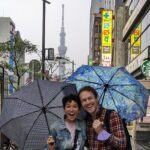
REVIEW · TOKYO
Tokyo: Private Vintage Shopping Tour in near Shibuya
Book on GetYourGuide →Operated by gotcha Corporation · Bookable on GetYourGuide
Tokyo’s vintage shopping plan should be easy.
This private 2-hour tour takes you straight into Shimokitazawa, the neighborhood many people associate with Tokyo’s best thrift and vintage finds, with a guide who helps you actually pick good stores without wasting time wandering. I especially like the setup of hitting three different vintage shops back-to-back, which keeps momentum high instead of turning your trip into aimless “maybe this place?” searching. And I like that you can steer the hunt by item type and genre, so the experience feels personal, not like a generic shopping walk.
The one drawback to consider is that the tour cost covers the guide and logistics, but shopping costs are on you, and you might not find the exact categories you’re after (for example, one visitor noted there weren’t many one-piece dress options on their route).
In This Review
- Key points before you go
- Why Shimokitazawa is the right target for vintage shopping
- The 2-hour private format (and why it feels calmer than group tours)
- Inside the first stop: getting started fast instead of wandering
- Stop two and three: building a style map across multiple shops
- What you can tell your guide (so you actually find your favorites)
- The $50 price: what you’re really paying for
- Meeting point details that reduce stress
- Who this tour fits best
- A quick reality check: what might not be perfect
- Should you book this private vintage shopping tour near Shibuya?
- FAQ
- Where is the meeting point?
- How long is the tour?
- How many vintage stores will we visit?
- Is the tour private?
- What language is the tour guide?
- What is included in the price?
- What is not included?
- Is there free cancellation?
- Can I reserve without paying right away?
- How much does it cost?
Key points before you go
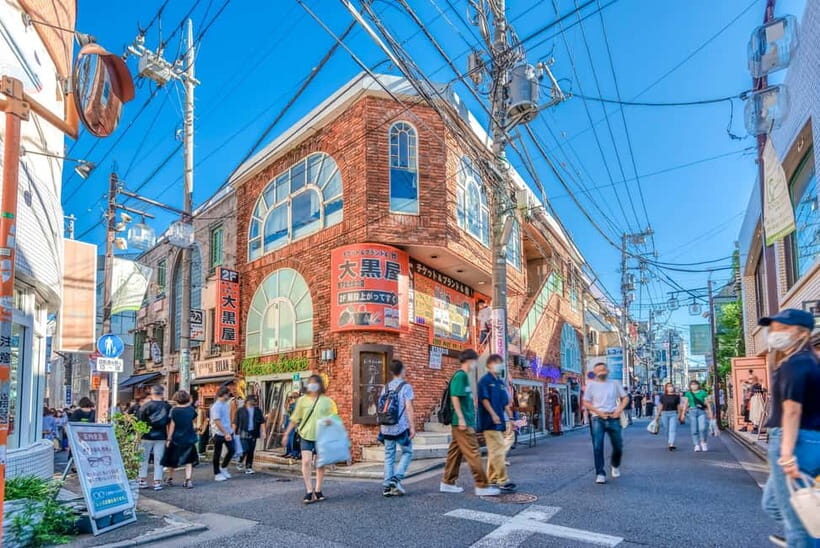
- Shimokitazawa access: You’ll start in/near Shimokitazawa station, an easy jump from Shibuya (about 10 minutes).
- Three store stops: Plan for 3 vintage shops so you can compare styles without covering Tokyo all day.
- A guide who matches your taste: Tell them what you want (bands, tees, stickers, specific vibes) and they’ll steer you toward likely matches.
- Private group pace: You won’t have to keep up with strangers or move on before you’re ready.
- Flexibility if you want more: It’s designed to cover at least 3 shops, and you can ask for additional good options if timing allows.
- Photo-friendly vibe: On at least one booking, Naomi was there taking lots of photos, making the outing feel like a mini experience, not just errands.
Why Shimokitazawa is the right target for vintage shopping
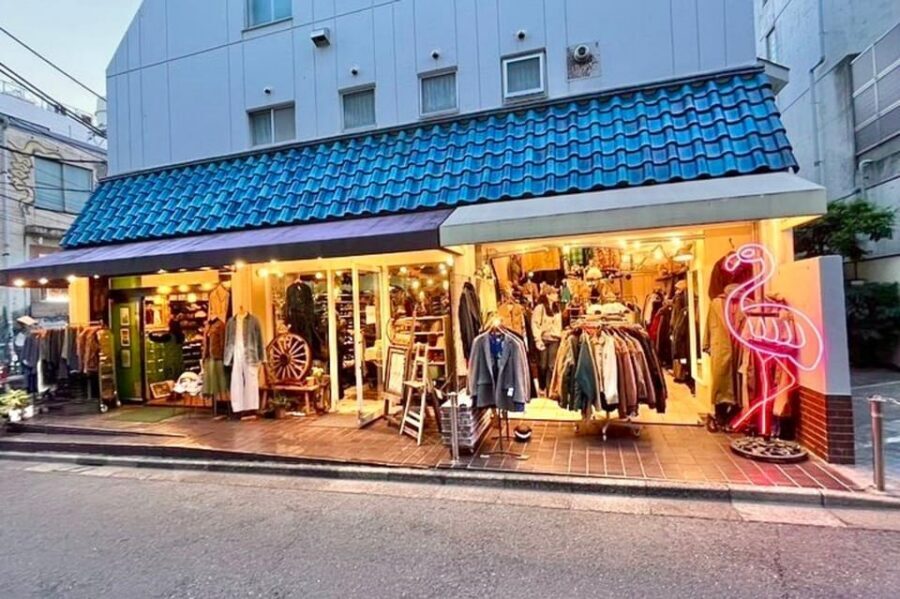
Shimokitazawa is famous for a reason. It’s the kind of place where you can walk a few streets and suddenly you’re in a different world: thrift racks, vintage clothing, small independent shops selling smaller accessories and odd-but-fun items.
What makes it a smart choice for vintage hunting in Tokyo is that it’s not a single store situation. You’re not relying on one shop having everything. Instead, the neighborhood is built for browsing. And because there are many shops clustered close together, a guide’s value jumps fast: they help you find places worth your time instead of spending your energy on stores that don’t fit your style.
This tour is also timed well. You’re in the area from Shimokitazawa station, and it’s close enough to the bigger neighborhoods that you can combine it with other plans. The info on the tour notes it’s about 10 minutes from Shibuya and around 15 minutes from Shinjuku, so this isn’t a whole-day commitment unless you want it to be.
You can also read our reviews of more private tours in Tokyo



The 2-hour private format (and why it feels calmer than group tours)
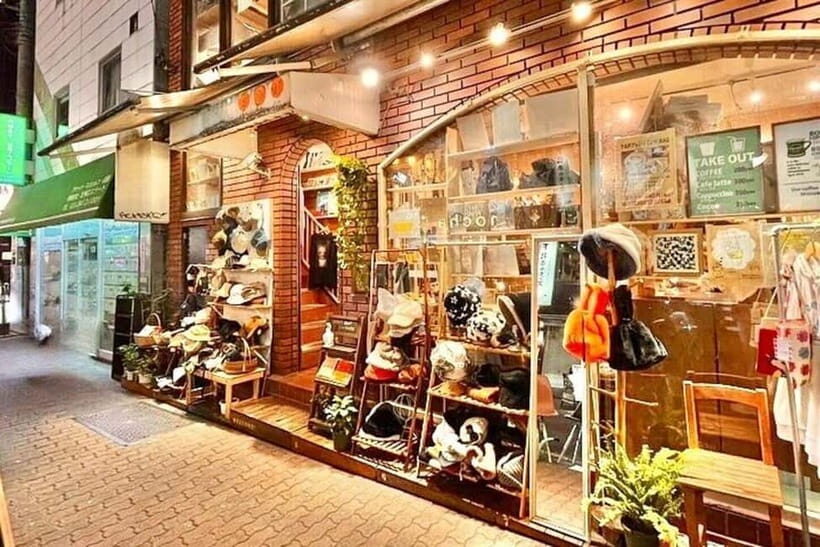
This isn’t a “stay glued to the guide” group bus trip. It’s a private group outing with a live English-speaking guide, designed to be manageable in 2 hours.
You’ll meet at THE STANDARD BAKERS at Shimokitazawa station (Odakyu line, Keio Inokashira line). That meeting point matters more than you’d think. Station meeting points reduce the stress of Tokyo station navigation. It also makes it easier to arrive confidently, then focus on shopping once you’re together.
In a typical neighborhood like Shimokitazawa, browsing can balloon. A guided private pace keeps things from going sideways. You get structure—at least three vintage stores—while still having room to look carefully and ask questions.
The private setup also means you can take your time with sizing and fit. Vintage sizing in Japan can feel different than what you’re used to, and that “try it on, check the seams, think about wearability” step is where shopping becomes fun instead of frustrating.
Inside the first stop: getting started fast instead of wandering
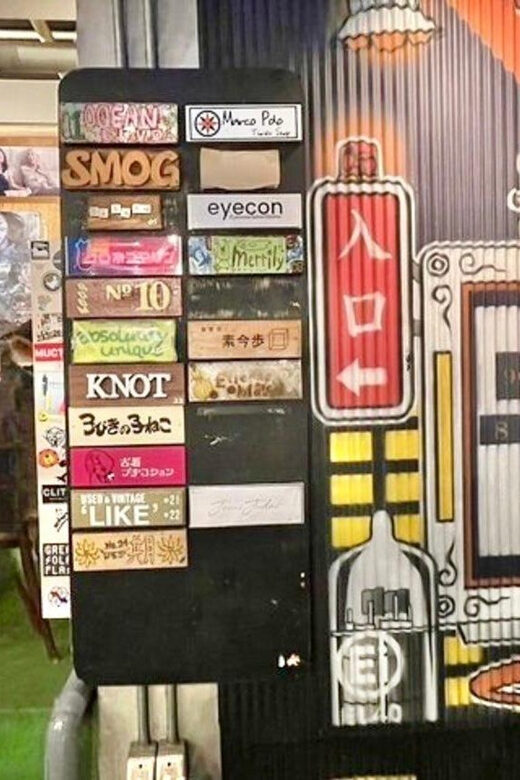
The tour’s main rhythm is simple: you’ll visit three different vintage stores. The first stop is where the guide’s taste-matching starts to pay off.
Here’s what I’d watch for when you’re at that first store: how your guide helps you narrow down quickly. Vintage shopping often includes a lot of decisions—fabric, condition, shape, how it layers, whether it looks better tucked or loose. A good guide doesn’t just show you racks; they help you learn how to assess quickly.
One of the stronger signals from the reviews is that guides are not treating this like a scripted “see these items” job. For example, Maki was described as super patient and funny, and the route adjusted to match what the group wanted—from Eminem T-shirts to stickers, with a playful ending that even included a beer house. That’s the kind of flexibility that makes an early stop useful. You’re not just collecting items; you’re guiding the direction of the hunt.
If you already have a clear goal (band tees, streetwear, specific aesthetics), starting with the right store first can save you a ton of time. If you’re less sure, the first store acts like a baseline for what’s common in the area and what fits your style.
Stop two and three: building a style map across multiple shops
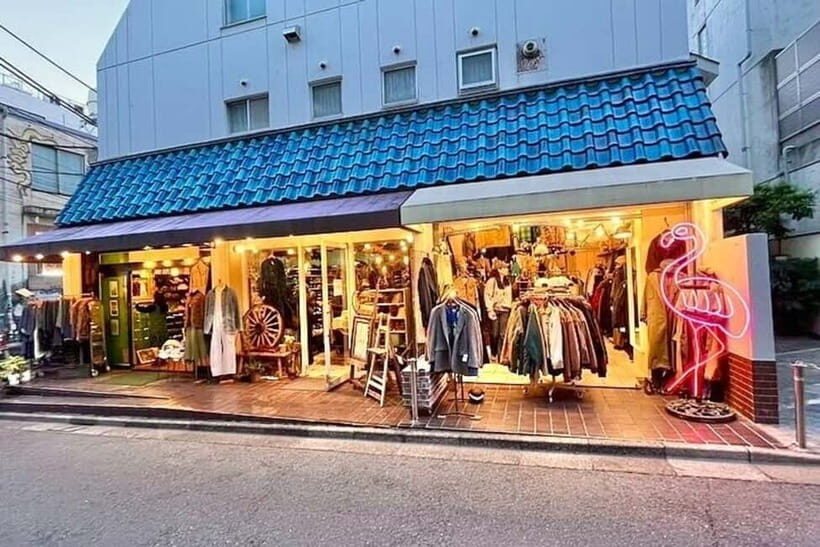
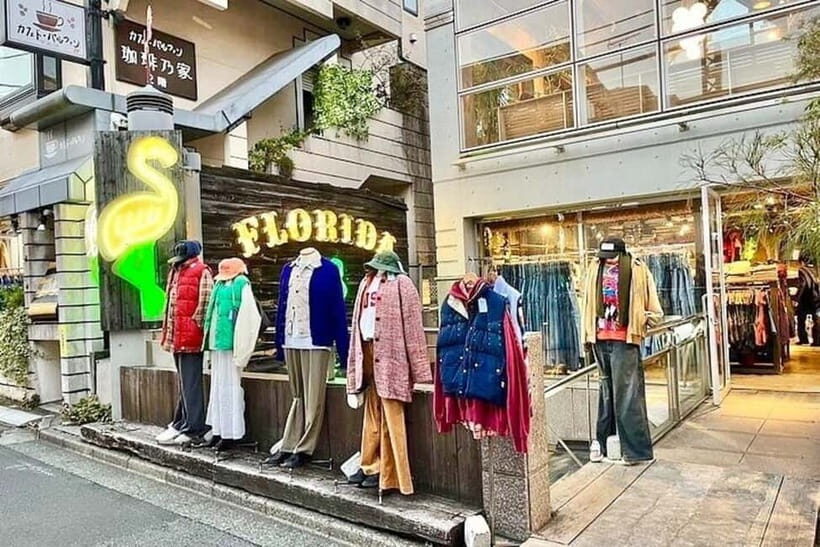
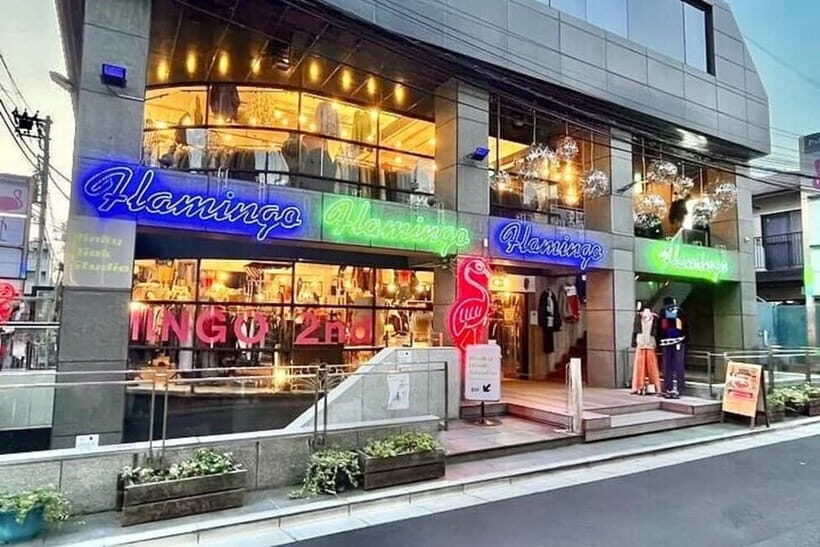
The best part of doing three stores in one session is comparison. The guide helps you see how different shops interpret “vintage.” One store might skew toward bigger, bolder pieces. Another might have more quirky accessories or different brands. That variety is the point.
One visitor specifically noted that their group visited mostly bigger shops first. That choice has a hidden benefit: bigger stores usually give you clearer variety quickly, so you can get a read on what you like. Then, when you’re done with the main stops, you can better decide what to revisit—especially the smaller shops that can be harder to spot when you’re still warming up.
You’ll also get a sense of how Shimokitazawa mixes vintage with independent storefront energy. Reviews mention that the vintage shops can be interspersed with quirky little shops selling things like stickers and bags. Even if your goal is clothing, those side stops can help you build a look—because the final outfit usually needs accessories too.
Practical note: vintage shopping is not like buying new basics. You’re buying condition and character. So the second and third shops are often where you’ll notice details: stitching quality, how worn a graphic is (in a good way), how the fabric drapes, and whether something feels like it will still look right next year.
What you can tell your guide (so you actually find your favorites)
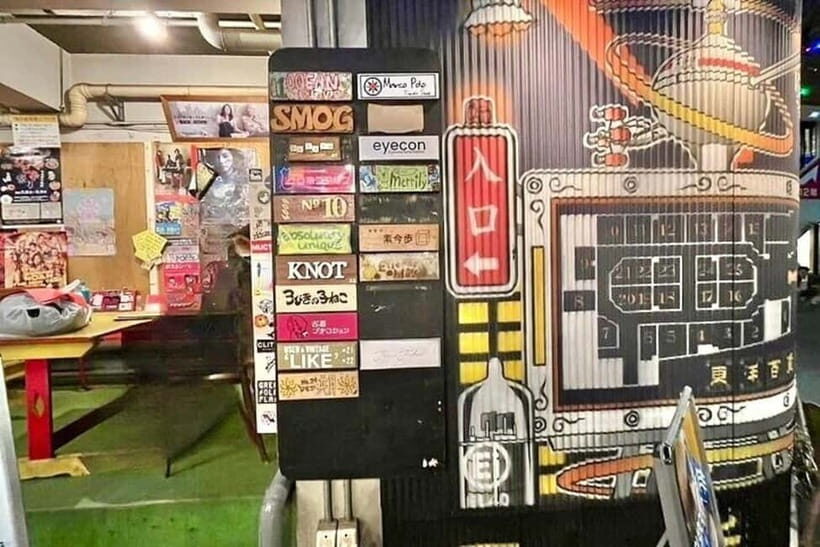
The tour is built for personalization. The info says you should feel free to let them know in advance about your genres or items of interest. That matters, because “vintage” is a wide category. Your guide can’t guess what you want unless you share it.
Based on reviews, different groups asked for different things:
- Specific clothing types like Eminem T-shirts
- Accessories like stickers
- A relaxed, friendly shopping vibe that doesn’t feel like shopping therapy you didn’t ask for
Also, one review mentioned Ria was thoughtful and got the stores exactly right for a mother-and-daughter duo. That’s the sweet spot: the guide isn’t only translating the shops; they’re translating your preferences into a route.
If you’re not sure what you want yet, bring a few anchors anyway:
- Color family (black/gray, bright pops, neutrals)
- Style references (streetwear, rock, casual chic)
- Fit expectations (oversized tees, fitted tops, layerable jackets)
- One “must” item (even if it’s small, like a graphic tee or sticker pack)
Then let the guide do the hard part: pointing you toward the places where those anchors are most likely to show up.
You can also read our reviews of more shopping tours in Tokyo





The $50 price: what you’re really paying for
At $50 per person for a 2-hour private tour, the price can look straightforward. Here’s what you’re actually getting value from.
You’re paying for:
- An English-speaking guide who knows the area and helps you choose shops
- A structured route that hits at least three vintage stores
- All fees and taxes included in the tour price
You are not paying for:
- The items you buy (shopping cost is not included)
- Hotel pickup and drop-off (you meet at Shimokitazawa station)
So how do you judge whether it’s worth it? If you were planning to spend your time wandering anyway, the guide becomes the shortcut. Shimokitazawa has lots of shops, and the tour info says it’s difficult to find a good store on your own. If you want the experience of shopping but also want better odds of walking out with “yes” purchases, this is the trade.
Another value angle: time. Two hours is a tight window, especially in Tokyo. A private guide helps you use that window productively. You’re not trying to discover the neighborhood from scratch while also shopping.
Meeting point details that reduce stress
Before you go, anchor yourself to the meeting point. You’ll meet in front of THE STANDARD BAKERS at Shimokitazawa station. The tour also notes the station lines you can use: Odakyu line and Keio Inokashira line.
For Tokyo visitors, station confusion is a common time-waster. A clear meeting point means you spend less time asking strangers for directions and more time doing the fun part: browsing racks and opening your eyes for the good stuff.
Who this tour fits best
This is a strong match if you:
- Want a guided vintage shopping session without getting lost in endless options
- Prefer a private pace instead of moving with a group
- Are interested in finding your favorite items rather than just “seeing” a neighborhood
- Like the idea of choosing shops based on your specific tastes (tell the guide your items and genres)
It’s also a nice fit for people shopping with someone else, since one review highlighted a guide matching a mother-and-daughter route and picking stores effectively.
If you’re the type who loves slow, solo roaming for hours, you might find this tour shorter than you’d like. But for most people, two hours gives you enough time to get momentum and leave with real results instead of just a sore brain from indecision.
A quick reality check: what might not be perfect
Vintage shopping is still vintage shopping. Even with a great guide, you can walk into a store and not find your size, your exact style, or your must-have category.
One review noted that there weren’t many one-piece dresses available on their route. That doesn’t mean this is always the case. It does mean you should think of this as a targeted hunt through multiple shops, not a guaranteed purchase plan for any single item category.
Also, because shopping costs aren’t included, keep a budget aside. The guide can help you find better options quickly, but you’ll still be choosing and paying for the items you buy.
Should you book this private vintage shopping tour near Shibuya?
If you want a Tokyo souvenir that feels personal—something you actually picked out and fell for—this tour is a smart use of time. The big reasons to book are the structured route across three vintage stores, the English-speaking private guide, and the area focus on Shimokitazawa where vintage shopping makes sense geographically.
I’d book it if you’d rather spend your energy trying on and comparing, not hunting for good shops. I’d skip it if you’re committed to a very long solo browsing session, or if you know you only want one very specific clothing category and you’re unwilling to adapt.
FAQ
Where is the meeting point?
Meet in front of THE STANDARD BAKERS at Shimokitazawa station.
How long is the tour?
The tour lasts 2 hours.
How many vintage stores will we visit?
You’ll visit 3 different vintage stores (and you can request additional stores if you want).
Is the tour private?
Yes. It’s a private group experience.
What language is the tour guide?
The live tour guide speaks English.
What is included in the price?
All fees and taxes are included.
What is not included?
Shopping costs are not included, and hotel pickup and drop-off are not included.
Is there free cancellation?
Yes, you can cancel up to 24 hours in advance for a full refund.
Can I reserve without paying right away?
Yes. You can reserve now and pay later.
How much does it cost?
It’s $50 per person.