REVIEW · BUNKYO CITY
Tokyo: Tea Ceremony & Japanese Traditional Sweets
Book on GetYourGuide →Operated by Local Guide Stars · Bookable on GetYourGuide
A calm, hands-on tea lesson in Tokyo beats watching from the sidelines. You learn matcha basics from a tea master and get guided help in English, then you actually make your own bowl. I especially like the otemae demonstration for seeing how the movements matter, and I like that you’ll shape nerikiri sweets that match the season instead of just tasting.
There’s one consideration: it’s only English, so if you’re hoping for Japanese language support, this isn’t that kind of class.
In a city full of noise and schedules, this 1-hour format feels doable. You’ll walk away with real technique, not just photos.
In This Review
- Key things to know before you go
- Matcha and seasonal nerikiri in one focused hour near Hakusan
- Entering the flow: what the tea master shows you during otemae
- Brewing matcha your way: whisk, bowl, and flavor control
- Making nerikiri sweets: seasonal artistry you can actually shape
- The host in English and the small-group size you’ll appreciate
- Price and value: why $27 can be a fair deal here
- Where you’ll go, what you’ll bring, and how to fit it in
- Who should book this tea ceremony, and who should skip it
- Should you book Tokyo: Tea Ceremony & Japanese Traditional Sweets?
- FAQ
- How long is the Tokyo tea ceremony experience?
- How much does it cost?
- Where is the meeting point?
- What exactly will I make during the class?
- Will the tour be in English?
- How large is the group?
- What’s included in the price?
- What should I wear?
- Is there a cancellation option if my plans change?
Key things to know before you go
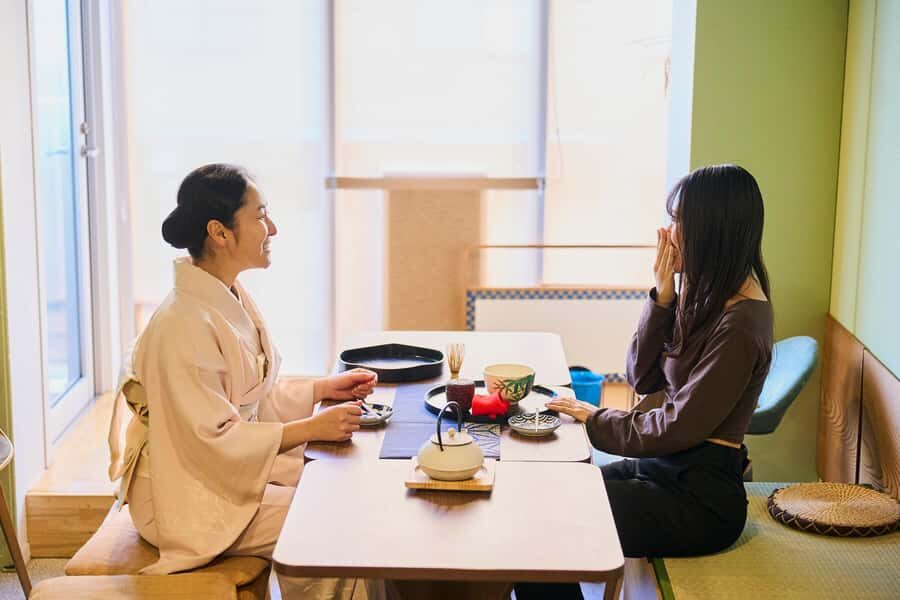
- You’ll make matcha yourself: the whisking and tasting are part of the experience, not a spectator add-on
- Otemae is shown step-by-step: you get to see the flow and then try the motions
- Seasonal nerikiri is your hands-on project: the sweets reflect changing seasonal motifs
- Small group means quieter focus: limited to 10 participants for more practical coaching
- English guidance keeps it accessible: the tea master teaches and the host explains clearly in English
- A short, efficient 1-hour visit: built for travelers who want depth without a long commitment
Matcha and seasonal nerikiri in one focused hour near Hakusan
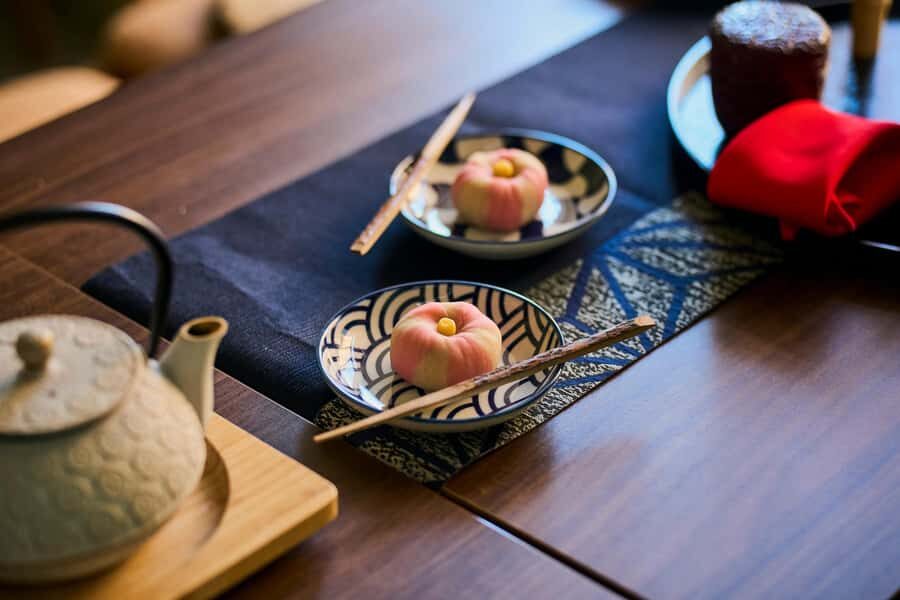
This tea ceremony isn’t about sitting quietly for a long time. It’s about learning by doing—watching the graceful otemae, then getting your hands involved with matcha preparation and seasonal Japanese sweets. The setting is close to public transit, and the time commitment is short enough to slot into a packed Tokyo day.
Here’s the practical part: you’ll meet about a 5-minute walk from Toei Mita Line Hakusan Station. You’ll want to head to the 2nd floor at Phil Park Hakusan Hills, at 2-26-17 Hakusan, Bunkyo-ku, Tokyo. The exact pin is around 35.7201985, 139.7538703, which makes it easier to find with maps before you arrive.
The venue is set up for a small group (up to 10 participants). That matters because tea ceremonies can be slow and detailed. In a big group, you’d usually lose time waiting. Here, you’re more likely to get the kind of coaching that helps you fix things right away—like how you hold the tools and how you whisk.
Entering the flow: what the tea master shows you during otemae
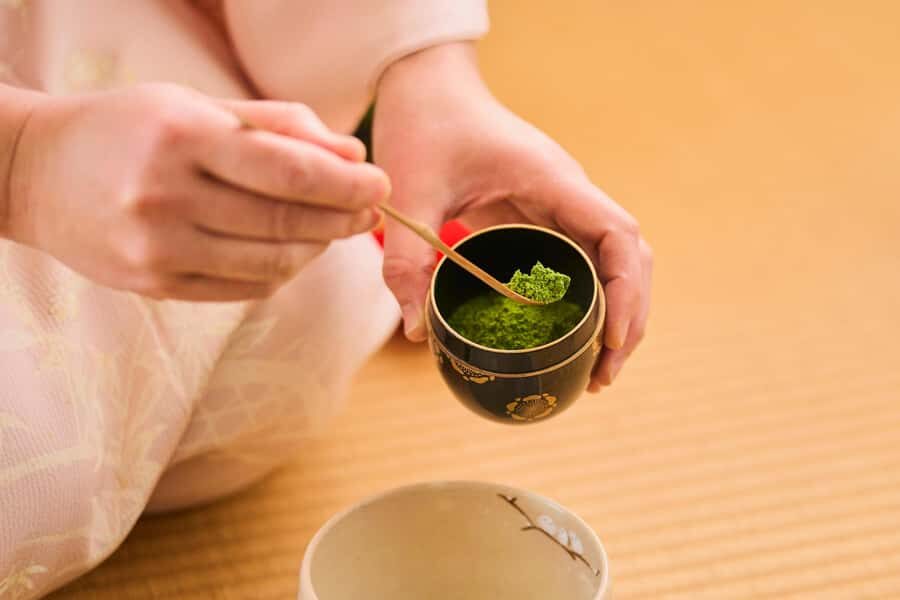
The heart of the ceremony is otemae, the formal, practiced sequence of preparing and serving tea. Even if you’ve never seen one before, the structure is easy to follow because you’re guided through what each step is for. This is where you pick up the “why,” not just the “what.”
At the start, you’ll watch the otemae demonstration from the tea master. The whole point is to see that the process isn’t random. The motions are part of the hospitality. The pacing gives the tea time to come together, and the presentation is meant to keep your attention on the bowl and aroma, not on distractions.
A big plus here is the experience of the instructor: the tea master has over 10 years of experience. That typically shows up in the way they pace the demo and explain what beginners should pay attention to. In a good ceremony teacher, you don’t feel rushed. You feel guided.
You’ll also have an expert host supporting the experience in clear English. This matters in Tokyo, where it’s easy to find experiences that are technically “in English” but still confusing. Here, the goal is that you understand what you’re doing before you do it.
Brewing matcha your way: whisk, bowl, and flavor control
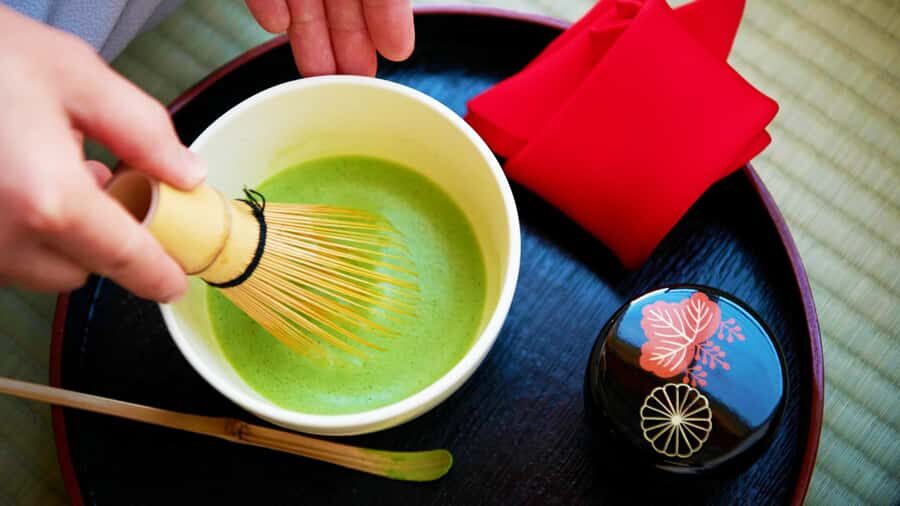
The best part for me in any matcha lesson is when the learning stops being theoretical. In this one-hour experience, you’ll prepare your own matcha and taste it. That changes everything. You notice texture. You notice how foam forms. You notice how quickly your brain learns what a “good bowl” feels like.
You’re not just whisking for show. You’re learning the basics from someone who’s doing it properly every day. When you finally make your own bowl, you’ll connect the otemae motions to real results—how the tea looks as you whisk, and how the flavor lands once it’s ready.
Matcha isn’t just taste; it’s also aroma. As you work through the bowl, pay attention to the shift between early whisking and when the mixture becomes smoother. The differences can feel small, but they matter. When you taste your own, you’ll understand why people talk about matcha like it’s food, not a drink.
And because it’s a small group, you’re more likely to get quick help if you’re doing something off. That kind of “fix it now” coaching is what turns a one-hour activity into a real skill you can remember.
Making nerikiri sweets: seasonal artistry you can actually shape
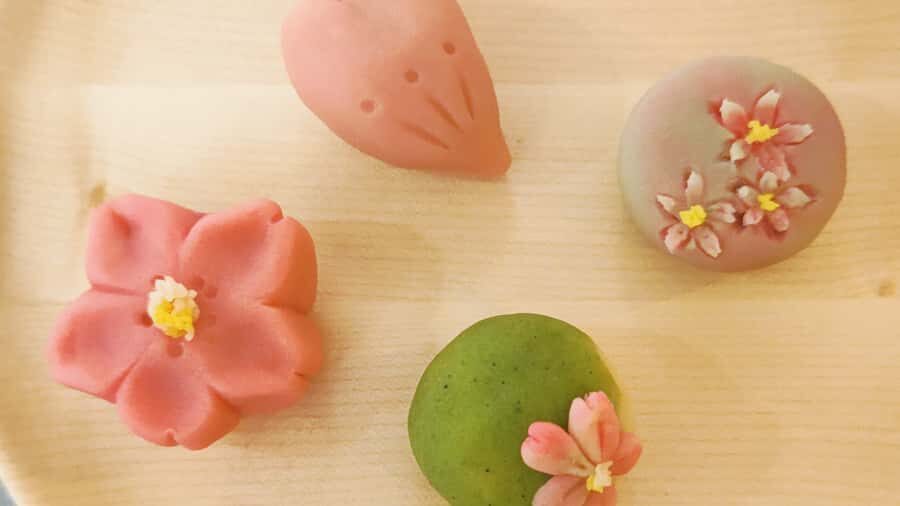
After matcha, you switch gears to a hands-on sweet. This experience gives you the chance to make nerikiri, a Japanese confection known for its delicate look and season-inspired motifs. The theme shifts with the season, so you’re not making a generic cookie-like thing. You’re shaping something that reflects seasonal flowers and symbolic designs.
What makes nerikiri special is the level of craft. It’s refined, not bulky. It’s also very tactile. You’re working with a material that responds to shaping, and you’re building the form carefully. Even if you’re not an “arts and crafts” person, the structure of the activity makes it approachable.
The matcha pairing is part of the logic here: your handmade nerikiri goes with freshly prepared matcha. That makes the tasting feel intentional. You’re not just eating sweets after tea. You’re experiencing a matched combination—tea as the calm base, sweets as the visual and texture counterpart.
If you like Japanese seasonal design, this is a smart way to learn without needing a museum. You leave with a sweet you made, and you also understand the idea behind the season motif: the confection is meant to mirror what the time of year represents.
The host in English and the small-group size you’ll appreciate
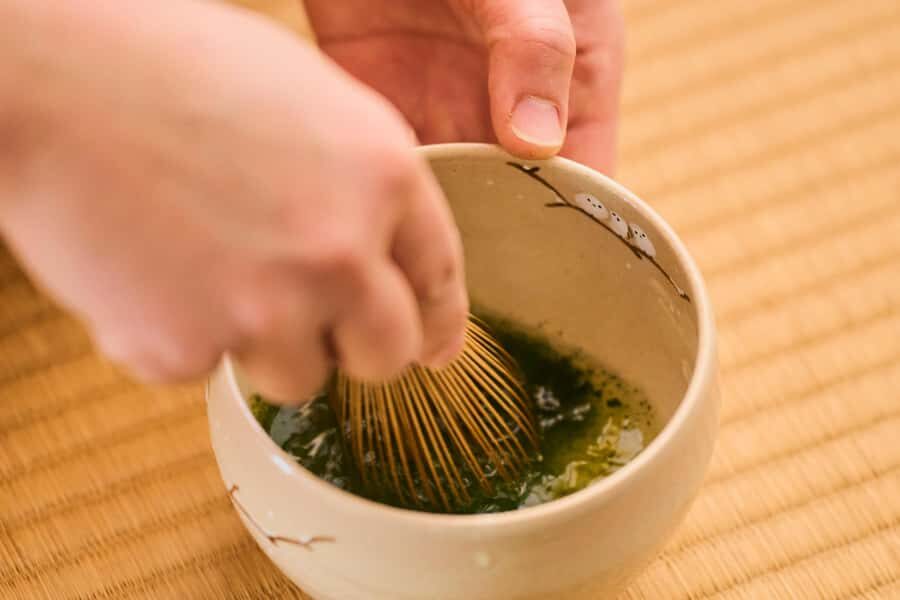
Tokyo can be intimidating if your Japanese isn’t strong. This experience is conducted in English only, which is a relief if you want clarity. You’ll get explanations from an expert host, and that helps you connect the dots while you watch and while you practice.
The group size—limited to 10 participants—is another practical win. Tea ceremonies involve coordination: tools, timing, seating, and the order of steps. In a larger group, it’s common to feel like you’re waiting your turn. In a smaller group, you’re more likely to stay involved.
There’s also a calmer pace. Even with a short 1 hour duration, you get the feeling that the ceremony deserves attention. You’re not being pulled along by a crowd or rushed through the steps like a checklist.
One more detail that feels thoughtful: the experience is wheelchair accessible. If mobility needs are part of your planning, that’s worth knowing up front instead of discovering it after you book.
Price and value: why $27 can be a fair deal here
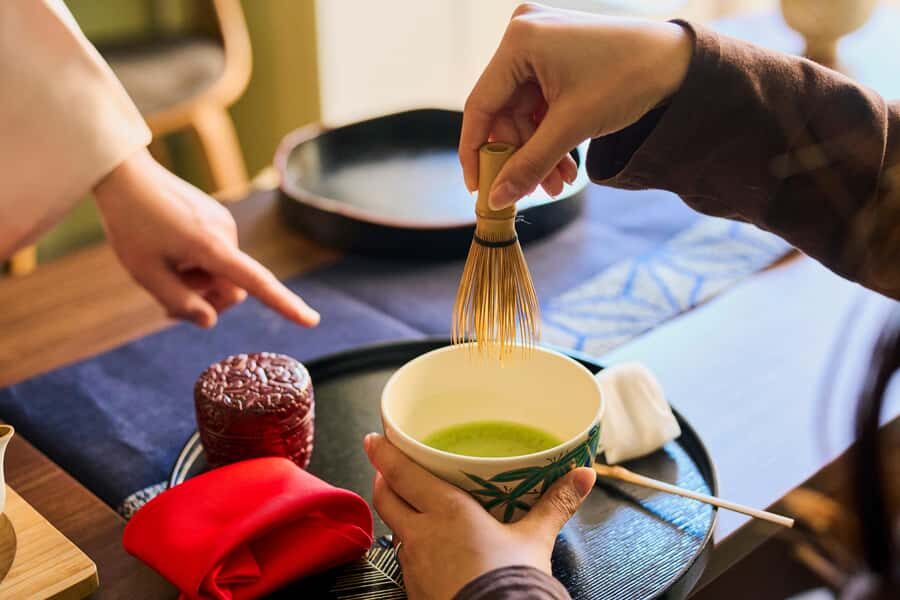
At $27 per person for about 1 hour, this is priced like a hands-on cultural class, not a high-end private tea ritual. For your money, you’re getting several things stacked together:
- You’ll watch the tea master’s otemae demonstration
- You’ll learn how to prepare matcha and taste your own bowl
- You’ll craft nerikiri seasonal sweets
- You’ll get support from an English guide/host
- The group is intentionally small (up to 10), so attention is more likely to be real
Could you get matcha in Tokyo for less? Sure. But buying a drink doesn’t teach you whisking technique, how the ceremony pacing works, or how the sweets concept fits the season. Here, you pay for instruction and for the creative output—your own bowl and the sweets you make.
If you’re the type of traveler who likes experiences where you leave with something you created (even if it’s a small portion), this tends to feel like better value than a long “see it and move on” tour. The short duration also helps: you’re paying for focused time, not an all-day commitment.
Where you’ll go, what you’ll bring, and how to fit it in
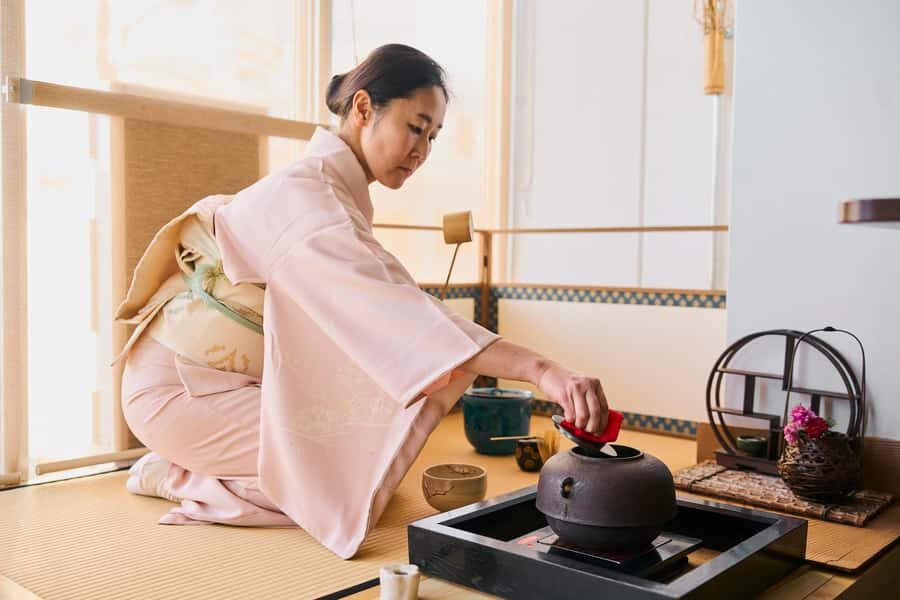
This activity is easy to place because it’s only 1 hour. It can work well as a break in the middle of your Tokyo day, especially if you’ve been walking all morning. A tea ceremony is a mental reset. You trade crowds and street noise for a paced, quiet rhythm.
Meeting point details are specific, so don’t wing it. Meet near Hakusan Station and go to the 2nd floor at Phil Park Hakusan Hills. The provided coordinates are around 35.7201985, 139.7538703, and the address is 2-26-17 Hakusan, Bunkyo-ku, Tokyo. If you like to arrive early, a 10-minute buffer helps so you can locate the floor and get seated without stress.
What to bring is simple: comfortable clothes. Since you’ll be participating in hands-on steps, wear something you can move in without fuss. If you’re carrying a heavy backpack all day, consider traveling lighter for this stop.
Also note: the class runs in English only, and Japanese language support is not available. If you’re comfortable in English and want a clear explanation, you’ll be fine.
Who should book this tea ceremony, and who should skip it
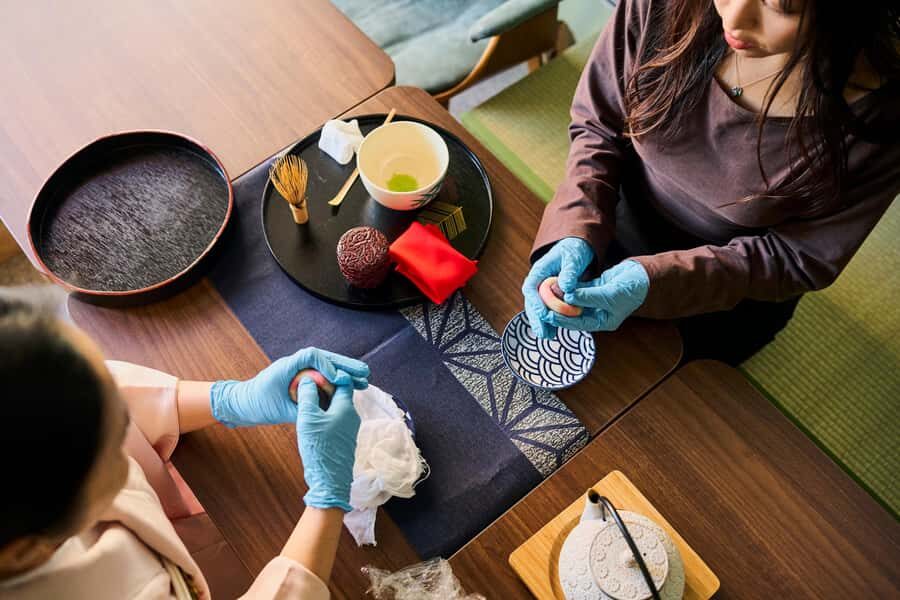
This experience is a strong match if you want:
- A short, meaningful Tokyo activity that doesn’t eat your whole day
- Real participation: you’ll whisk matcha and make nerikiri
- English explanations that reduce confusion and help you understand what you’re doing
- A calmer cultural break from typical sightseeing
You might consider skipping if:
- You’re looking for a long, multi-hour deep cultural tour with lots of history context (this one is tightly focused on the ceremony and practice)
- You need instruction in Japanese (the session is English only)
If you’re a solo traveler, this small-group format can also feel friendly because the structure guides you through what to do next. If you’re traveling as a couple or small group, it’s the kind of shared activity that turns into a nice story later.
Should you book Tokyo: Tea Ceremony & Japanese Traditional Sweets?
I’d book it if you want a one-hour Tokyo experience that feels hands-on and thoughtfully guided. For the price, you’re not just tasting—you’re learning how matcha is made, watching otemae up close, and shaping nerikiri sweets with a seasonal theme. The English-only format and small group size are the practical reasons this works for many visitors.
It’s also a smart choice if you’re trying to balance Tokyo’s high-energy sightseeing with something slow and precise. After you’ve done your walking and photos, this kind of calm break is exactly what helps the trip feel whole.
If the idea of whisking matcha and making a delicate sweet appeals to you, this one is worth the reservation.
FAQ
How long is the Tokyo tea ceremony experience?
It lasts 1 hour.
How much does it cost?
The price is $27 per person.
Where is the meeting point?
It’s about a 5-minute walk from Toei Mita Line Hakusan Station. You should come to the 2nd floor at Phil Park Hakusan Hills, 1-26-17 Hakusan, Bunkyo-ku, Tokyo.
What exactly will I make during the class?
You’ll make your own matcha and also prepare seasonal Japanese sweets (nerikiri).
Will the tour be in English?
Yes. The experience is conducted in English only, and Japanese language support is not available.
How large is the group?
It’s a small group limited to 10 participants.
What’s included in the price?
Included are the English guide, the tea ceremony, and traditional Japanese sweets.
What should I wear?
Bring comfortable clothes.
Is there a cancellation option if my plans change?
Yes. You can cancel up to 24 hours in advance for a full refund.