REVIEW · FUKUOKA
Fukuoka Cultural Walk: Castle, Shrines, Temples & Tales
Book on GetYourGuide →Operated by Local Insight Tours · Bookable on GetYourGuide
Fukuoka clicks when a local walks you through it. I like how the guide steers you through temples and shrines plus the big castle on the hill, with real stories that make the city feel less confusing. I also like that the experience is customized, so you can shape what you care about and even change your mind during the walk. The only drawback I’d flag is that it’s still a walking tour, and add-ons like entrance fees and city transport can add cost.
You’ll meet your guide based on your preferences, often at your accommodation for central locations, then get oriented fast—where to eat, what’s worth shopping for, and the easiest ways to get around. With a small group capped at 4, you’re not fighting for attention. And because the guide pairing is based on interests, the tone can shift toward culture, practical city tips, or whatever you want more of.
If you want to travel a bit beyond Fukuoka’s core sights, you can add a car arrangement (at your expense) or tack on an optional islands cruise for about 0.5–1 hour for a quick culture contrast. Keep in mind: entrance fees, meals, and local transport aren’t included, so you’ll plan a little budget beyond the base price.
In This Review
- Key things I’d pay attention to
- How the Fukuoka walk gets tailored to your pace
- The story-driven route: castle, shrines, temples, and what you’re meant to notice
- The hilltop castle area: the view stop that makes the whole tour feel connected
- Shrines and temples: learning etiquette and meaning, not just architecture
- Fukuoka SkyTree and neighborhood wandering: the part that helps you after the tour
- Getting around during the tour: walking first, then taxis or transit at your expense
- Optional islands cruise (0.5–1 hour): a short cultural contrast
- Price and time value: what $77 buys you in real terms
- Small group rules and who this works for
- A quick heads-up on planning with kids
- So, should you book the Fukuoka Cultural Walk?
- FAQ
- How long is the Fukuoka Cultural Walk?
- How much does the tour cost?
- Is this tour private or a group experience?
- What languages are the guides?
- Can I customize the itinerary and starting point?
- What will I see during the tour?
- Can I use a taxi or public transport during the tour?
- Are entrance fees, meals, and local transport included?
- Can the guide meet me at my hotel, and is it wheelchair accessible?
- Is booking flexible if plans change?
Key things I’d pay attention to
- Local-guide matching based on your interests, not a one-size script
- Castle, shrines, temples, and stories tied to what you’re seeing
- Fukuoka SkyTree stop plus neighborhood walking to help you navigate after the tour
- Flexible route decisions depending on your mood and weather
- Optional islands cruise for a short, different cultural flavor
- Small group size (up to 4) for real conversation and quick course corrections
How the Fukuoka walk gets tailored to your pace
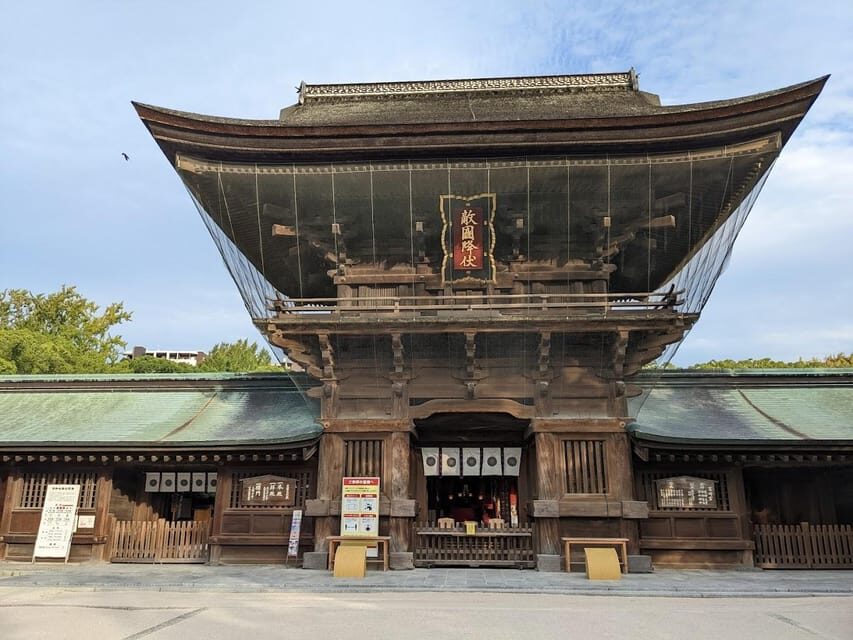
This is set up as a private, customized walking experience with a local guide. You choose a general tour length (you can pick options like 2, 3, or 4 hours in the planning flow, and longer variations are also available), then you coordinate the meeting time and meeting location directly with your guide.
After booking, you’ll be asked questions so you can get paired with someone who matches your interests. In practice, that matters because you’re not just touring sites—you’re getting help interpreting them. You’ll also get guidance on the neighborhood around your start point, including the easiest ways to get around once the tour ends.
The route is flexible during the experience. Your guide may suggest adjustments if something looks especially good nearby, or if weather changes how comfortable the walk will be. That flexibility is a big part of why this works better than a fixed group bus tour.
You can also read our reviews of more walking tours in Fukuoka
The story-driven route: castle, shrines, temples, and what you’re meant to notice
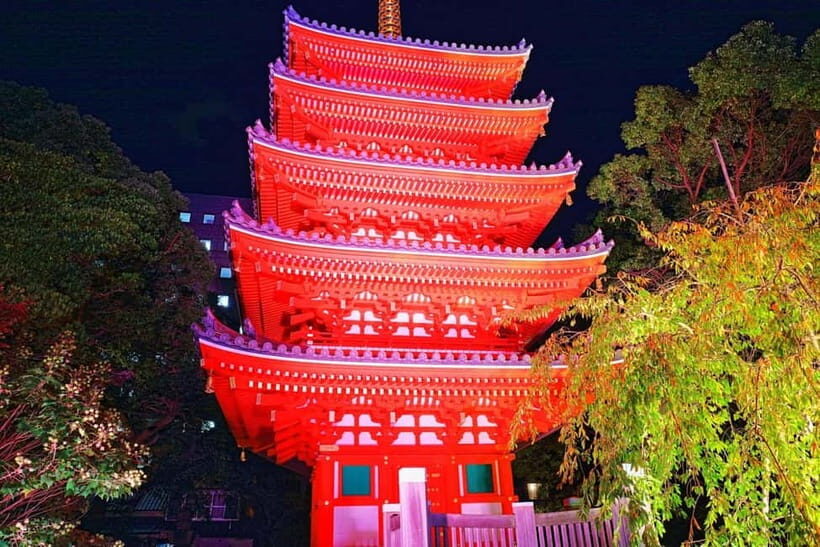
The theme is right in the title—castle, shrines, temples, and tales—and the guide uses that structure to turn sightseeing into understanding. You’ll move through key religious and historic areas and learn how Fukuoka fits into broader Japanese culture and history through the lens of a person who lives there.
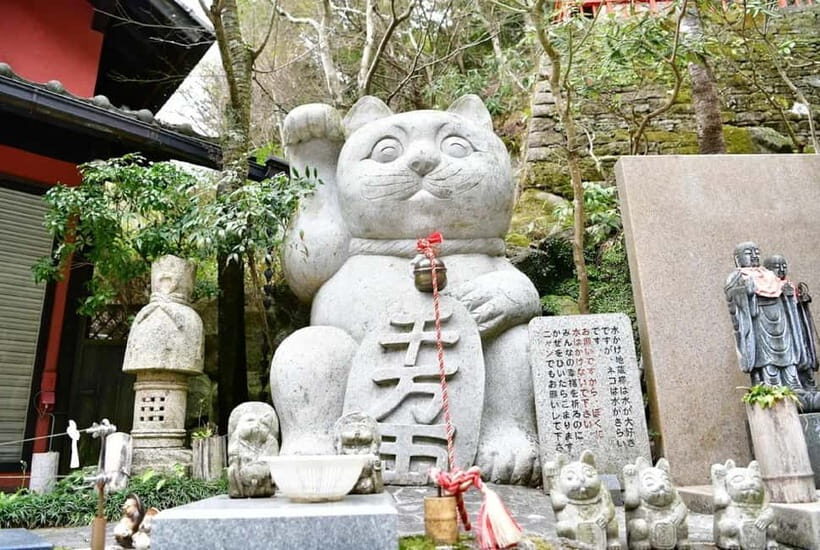
You’ll likely spend meaningful time at temples and shrines, not just photo stops. Your guide’s job is to point out details you might otherwise miss: why certain things are arranged the way they are, how locals think about tradition, and what daily life looks like around those landmarks.
You should also expect a conversation component. The guide approach is designed to help you understand cultural differences and how local events and politics show up in everyday thinking. It’s not a lecture. More like a guided walk where the facts come as you pass the places.
One important cost note: entrance fees are not included. If you plan to visit a specific attraction, you’ll need to cover the admission for the attraction—and if it requires guide admission as well, you’ll cover that too. In other words, treat the price as the guide + time, then add the site costs you choose.
The hilltop castle area: the view stop that makes the whole tour feel connected
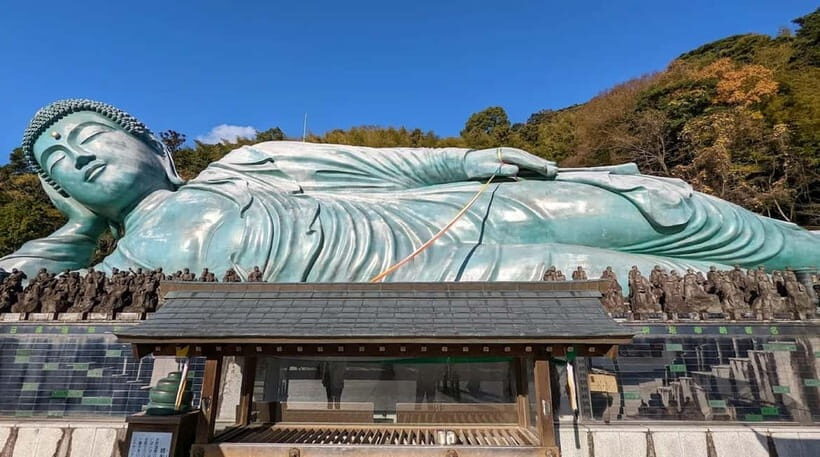
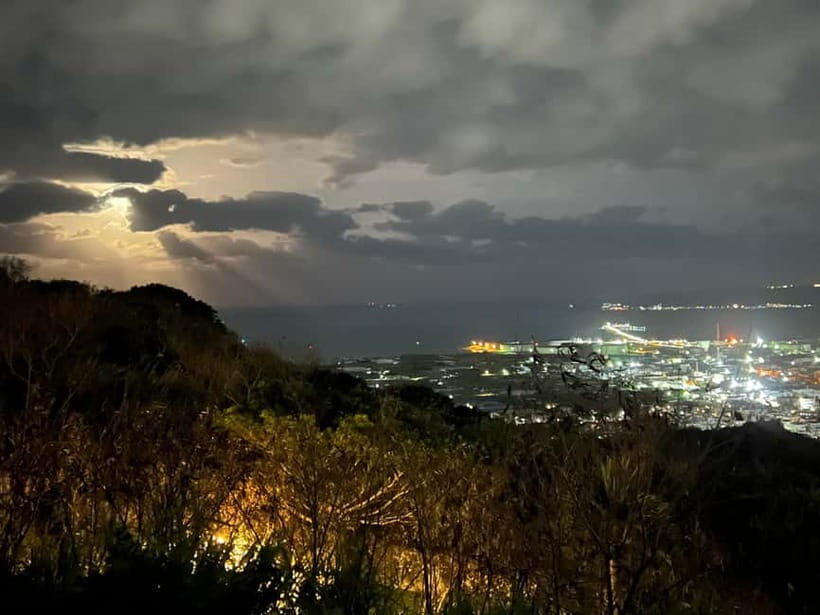
A major anchor is the large castle area on a hill. Even if you’ve seen a lot of castles elsewhere, this kind of stop changes your viewpoint of the city because you’re looking down at the neighborhoods and street patterns around it.
This is also a good moment for photos and for catching your breath. Since it’s walking, this kind of elevation stop is where you feel the effort—but it also tends to be where the payoff clicks: you understand where you’ve been and where you’re headed next.
Because the tour is customized, your guide can pace it. If you’re more photo-focused, you’ll likely get time for angles and orientation. If you’re more story-focused, you’ll likely slow down around the meaning of the place. Either way, the castle stop gives the tour a natural storyline: past to present, viewpoint to meaning.
Shrines and temples: learning etiquette and meaning, not just architecture
Temples and shrines can feel similar to a visitor—until someone explains what’s going on. This tour is built around that exact problem. Your guide will help you notice what to look for and why it matters to locals.
You’ll probably be guided through the basic rhythm of visiting places of worship: staying respectful, not rushing, and understanding that these are living sites, not only museum pieces. If you’re unsure what you’re allowed to do (or where to stand), the guide makes it simpler.
This is also where you’ll pick up cultural context. One guide approach described highlights the mix of local understanding and practical guidance—so you’re not only hearing facts, you’re getting perspective on how people in Fukuoka think about tradition, community life, and difference between old and new.
Fukuoka SkyTree and neighborhood wandering: the part that helps you after the tour
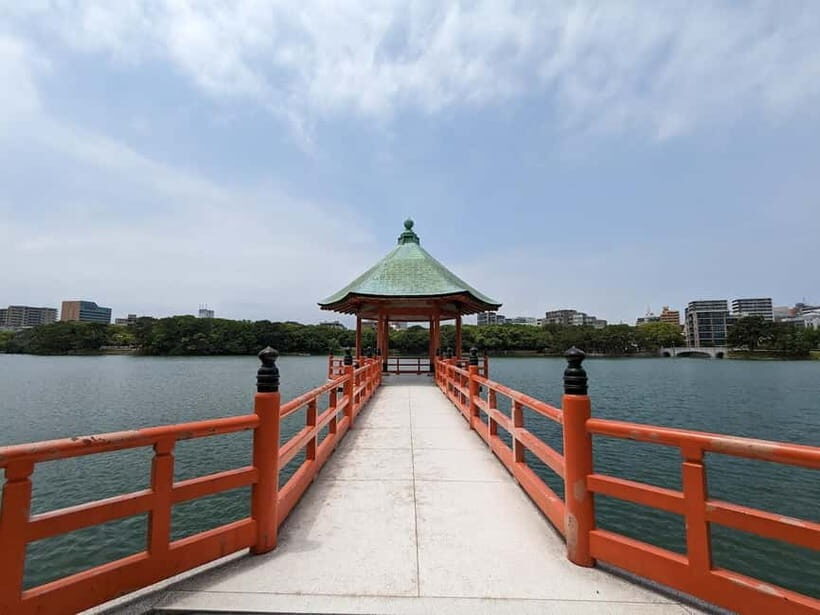
The Fukuoka SkyTree stop is a real add-on value because it’s not just a landmark. It helps you map the city in your head. Once you’ve seen it from the walk route, it becomes a visual reference point for the rest of your stay.
Between major sights, you’ll also pass through smaller neighborhoods. The goal isn’t only to show you a checklist. It’s to get you comfortable moving through real streets, which makes the next day easier when you’re on your own.
Your guide will also point you toward where to eat and what to shop for. That may sound like a standard line, but it changes your travel quality. Instead of picking places randomly, you can follow someone’s idea of what’s nearby, what’s worth the time, and what fits your preferences.
If you want an easy win here, ask your guide for two lists: one for a quick meal and one for something you’ll remember. Then decide which matters more to you on the day.
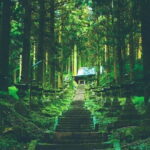

Getting around during the tour: walking first, then taxis or transit at your expense
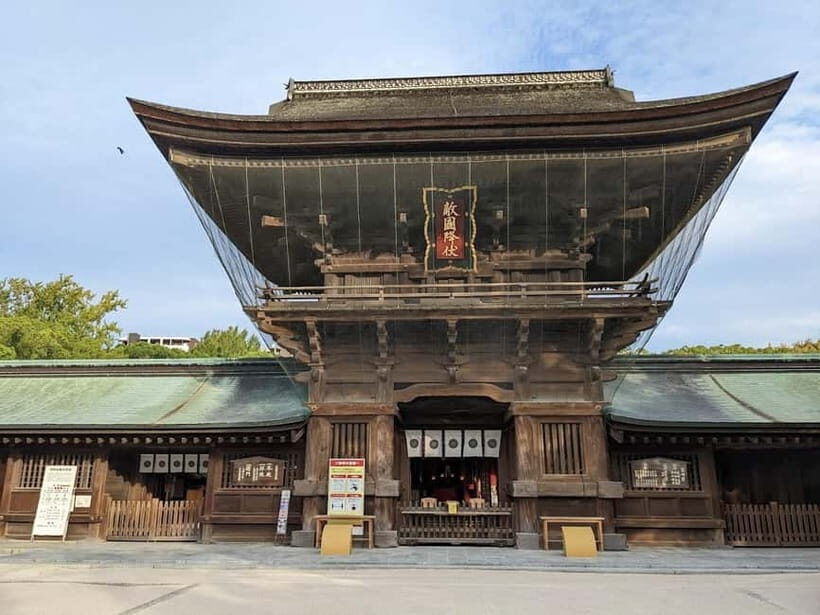
This is a walking tour, so wear comfortable shoes. That’s not optional advice—it’s the foundation. Still, you won’t be forced to walk the whole time regardless of your energy level.
During the experience, you can choose public transportation or a taxi to get around, but those costs are at your expense. If you’d rather reduce walking, you can also arrange car transport at an additional cost.
This flexibility is practical for Fukuoka, where neighborhoods and sights may not all sit right next to each other. The tour stays a walk, but you’re not trapped. You can make the route match your day instead of forcing your day to match the route.
Optional islands cruise (0.5–1 hour): a short cultural contrast

If you want variety, the optional islands cruise is worth considering. It’s a shorter add-on—about 0.5 to 1 hour—so it doesn’t hijack your whole schedule. Instead, it gives you a taste of a different pace and a different cultural flavor.
Because the cruise is short, you’ll get a contrast rather than a full detour. It works best if you already know you’ll want at least one “something different” moment beyond shrines, temples, and the city skyline.
If you tend to hate wasting time between segments, you might love this. If you only want city-focused walking, you can skip it and keep the day simpler.
Price and time value: what $77 buys you in real terms
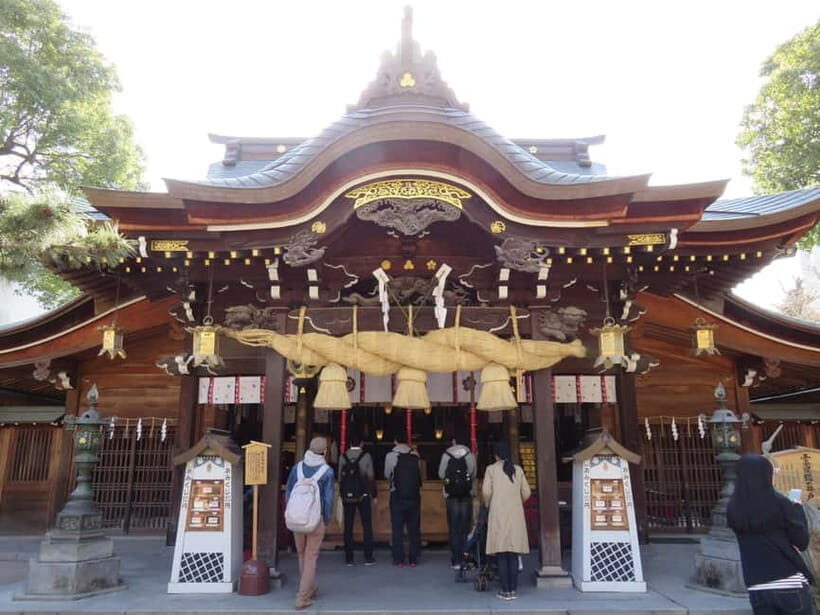
The listed price is $77 per person, and the summary duration is about 150 minutes. That price point makes sense when you zoom in on what’s included: a private, customized local walking guide plus recommendations for the rest of your time in Fukuoka.
You’re paying for three things:
- Direction and interpretation (so you understand what you see)
- Customization (so the day fits your interests)
- Local use-cases (where to eat, what’s easy to shop for, how to move around)
Entrance fees, meals, and local transport are not included, so the final spend depends on your choices. But that’s also how you keep control. If you go heavy on paid sites, your total increases. If you keep it light, you can keep the day close to budget.
Also, the small group cap matters for value. When up to 4 people join, it’s easier for the guide to keep answers specific and adjust the pace without feeling stretched.
A final value tip: treat the tour as the start of your planning, not the whole trip. The best return on your money often comes when you use the guide’s recommendations immediately afterward.
Small group rules and who this works for

A small group of up to 4 is ideal if you want conversation and guidance but still want to move at a human pace. English and Japanese-speaking guides are available, and the tour is wheelchair accessible.
If you’re traveling solo, this setup is great because you get local help without having to figure everything out on day one. If you’re a couple or small family, the custom nature helps because you can lean one direction or the other depending on energy and interests.
This tour is especially good for first-timers who want a cultural foundation. It’s also helpful if you’ve already been in Fukuoka for a day or two but feel like you’re wandering without understanding what you’re seeing.
If your style is only fixed-route sightseeing with zero conversation, this might feel too flexible. On the other hand, if you like asking questions while walking, it’s a strong fit.
A quick heads-up on planning with kids
Children under 3 join for free, and children from 3–12 years have a 50% discount. If you’re bringing kids, you’ll want to choose comfortable shoes for the adults and plan ahead for site admissions, since entrance fees are not included.
So, should you book the Fukuoka Cultural Walk?
I’d book this if you want your Fukuoka visit to feel understandable fast. The combo of castle views, shrine/temple context, SkyTree orientation, and neighborhood guidance is a practical way to get your bearings.
I’d also book it if you appreciate a guide who can tailor the route to your mood. One highlight from past experiences is how certain guides, like Duncan, focus on matching what you’re looking for—from temples and shrines to the castle hill area and the SkyTree—so the walk doesn’t feel generic.
Skip it (or consider a different style) if you want a strict schedule with fixed transportation included, or if walking for 150 minutes is a hard limit for you. Also, if you hate paying separately for admissions and local transit, read your day plans carefully so you’re not surprised.
If you’re aiming for a city-first introduction with cultural meaning and real local advice, this is a solid use of a morning or afternoon in Fukuoka.
FAQ
How long is the Fukuoka Cultural Walk?
The tour is listed as about 150 minutes, and you can also choose different tour lengths when arranging your experience.
How much does the tour cost?
The price is $77 per person.
Is this tour private or a group experience?
It’s a small group experience with a limit of 4 participants.
What languages are the guides?
Guides are available in Japanese and English.
Can I customize the itinerary and starting point?
Yes. After booking, you’ll answer questions so you can be paired with a local guide based on your interests. You can also agree on the meeting place and starting time, and the route can change during the walk.
What will I see during the tour?
The experience focuses on a castle area on a hill, shrines, temples, and also includes a stop at Fukuoka SkyTree, with additional neighborhood walking in between.
Can I use a taxi or public transport during the tour?
Yes. You can choose public transportation or a taxi to get around, but those costs are at your expense.
Are entrance fees, meals, and local transport included?
No. Entrance fees, personal expenses, meals and drinks, and local transportation around the city are not included.
Can the guide meet me at my hotel, and is it wheelchair accessible?
Hotel meet-up is available on request for central locations, and the tour is wheelchair accessible.
Is booking flexible if plans change?
There is free cancellation up to 24 hours in advance for a full refund, and you can reserve now and pay later.
If you tell me your travel dates and whether you prefer more temple time, more food/shopping stops, or more viewpoints, I can help you choose the best tour length and how to plan your day around it.