REVIEW · TOKYO
Tokyo: Toyosu Tuna Auction &Tsukiji Market Gourmet Adventure
Book on GetYourGuide →Operated by JRT Group · Bookable on GetYourGuide
Tokyo trades tuna before most of you wake up. This morning works because you get the real process behind sushi prices: the auction signals, the grading, and the market machinery that feeds Tokyo. You then shift gears from Toyosu’s modern auction setup to Tsukiji’s hands-on stall browsing.
I love the personal audio guide that decodes the live hand signals and explains what you’re seeing as bidding happens. I also like the pairing of Toyosu breakfast and Tsukiji’s vendor maze, so you’re not just watching—you’re tasting and learning in the same 3.5-hour window.
One possible drawback: the public deck can mean some viewing limits, like glass and distance, so the action may feel less close than the photos you’ve seen online. If you want maximum proximity, you’ll need to plan around the optional first-floor viewing lottery.
In This Review
- Key things to know before you go
- Toyosu at 5:00 AM: Why this morning tour feels different
- How the auction viewing works: 2nd-floor deck, hand signals, and lottery rules
- Toyosu breakfast at market speed: what you get and why it helps
- From Toyosu to Tsukiji: same city, different market vibe
- Tsukiji stroll: what you’ll shop for (and how to shop smart)
- Guides make it: the practical difference between a good and a great morning
- Price and value: why $122 can make sense (or not)
- Timing and logistics that actually matter at 5:00 AM
- When there’s no auction: plan around the no-operation days
- Who should book this and who should skip
- Should you book the Toyosu tuna auction and Tsukiji morning?
- FAQ
- What time does the tour start and end?
- Where do I meet the guide?
- Do I need passport or ID?
- Will I always see the auction from the first floor?
- Is there a lottery in December?
- What language is the guide?
- Are meals included?
- Can the tour accommodate vegetarian, halal, or gluten-free diets?
- What should I bring?
- Are there auctions every day?
Key things to know before you go
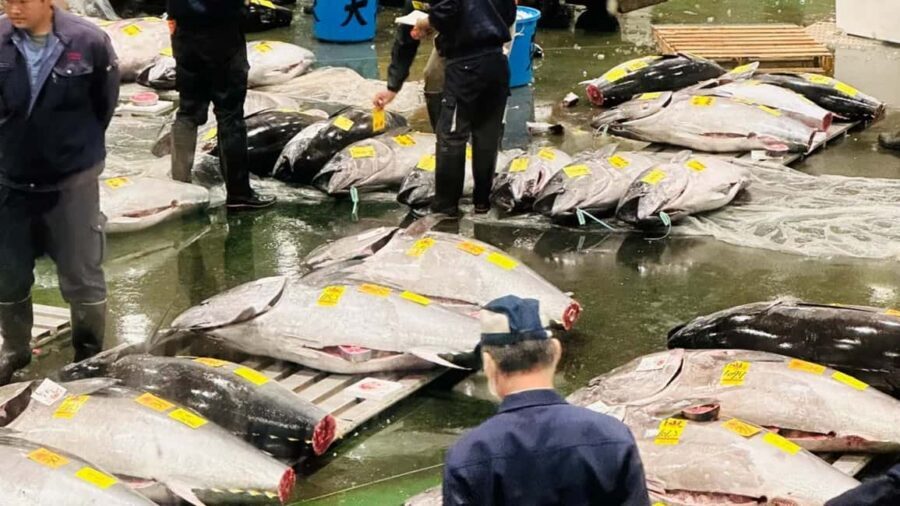
- Live hand-signal decoding through a personalized audio guide, timed to the auction flow
- Toyosu breakfast first, which helps you warm up and make the early start feel worth it
- Toyosu vs Tsukiji contrast: modern auction trading paired with older-style stalls and take-home shopping
- First-floor lottery is optional and random, and December has no lottery option
- Small-group pace with moderate walking, plus rules like no loud talking and limited photo-taking
- No vegetarian/halal/gluten-free accommodations, because tastings are part of the experience
Toyosu at 5:00 AM: Why this morning tour feels different
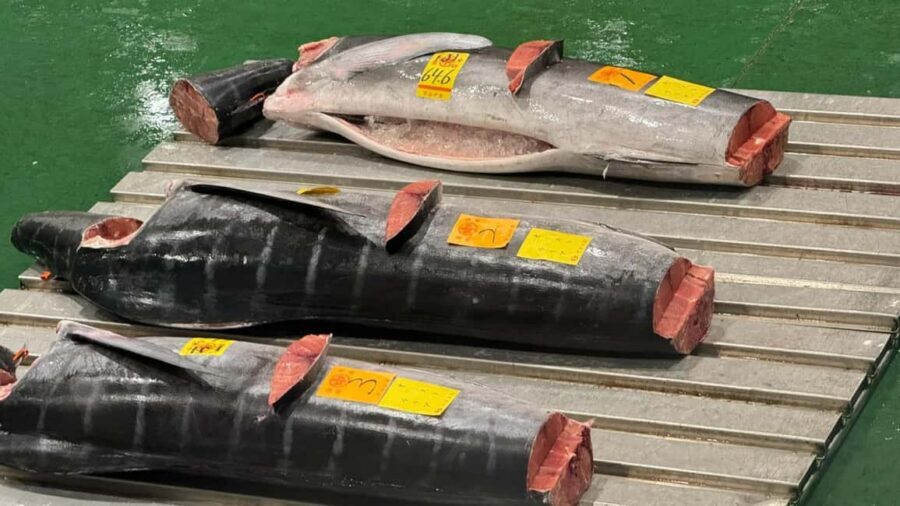
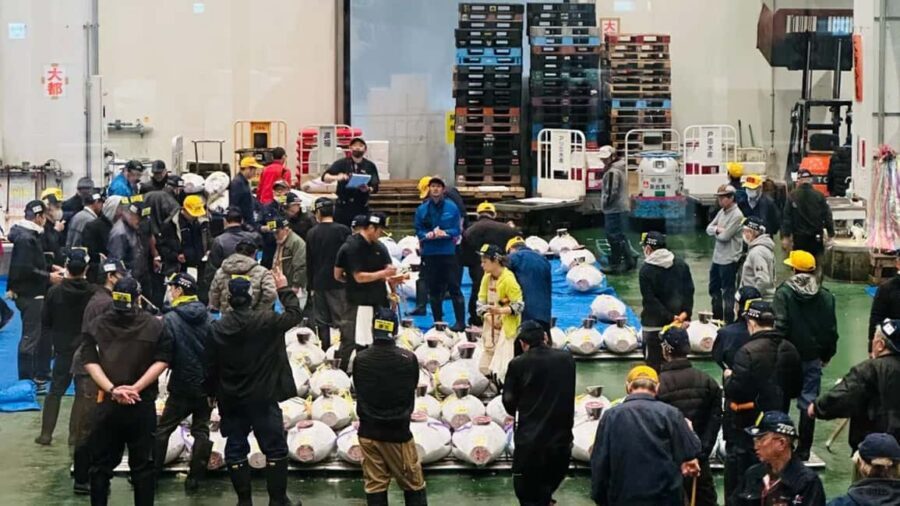
This is one of those Tokyo experiences where the city’s food culture shows its bones. You start in the dark, head straight to the Toyosu auction area, and watch how tuna moves from grading to buyers in real time. It is not a slow stroll. You’ll be standing, listening, and tracking what the guide tells you to watch for.
The time commitment is compact but intense: the full experience runs about 210 minutes, starting at 5:00 AM and finishing around 8:30 AM. That matters because you’re not paying for a long day of transit. You’re paying for a very specific window when the market is actually doing its job.
Also, you don’t just sit and stare. You’re given a personal audio guide per person, and the guide explains auction signals as they happen. That turns what can be confusing from the outside into something you can follow even if you’re not a tuna nerd.
You can also read our reviews of more shopping tours in Tokyo

How the auction viewing works: 2nd-floor deck, hand signals, and lottery rules
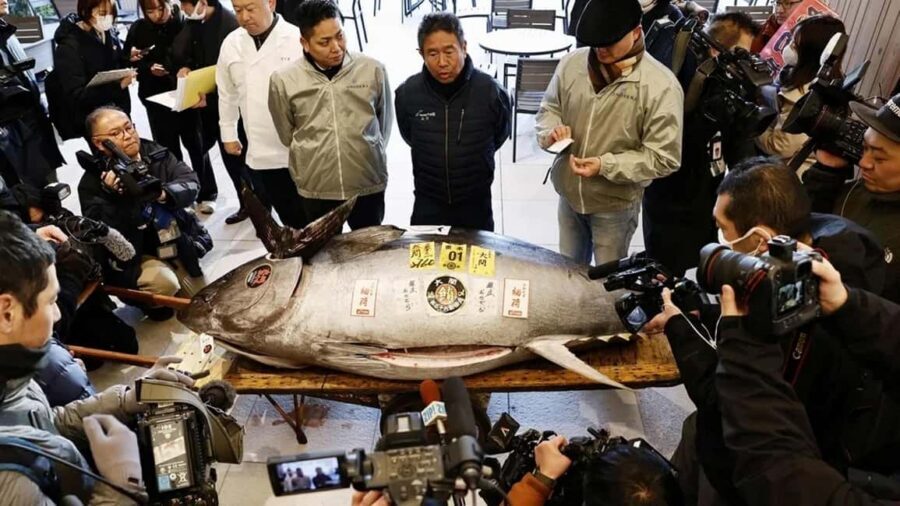
Your auction access is built around the viewing deck. Most people watch from the 2nd-floor public observation deck while your audio guide helps translate the auction’s communication style. The hand signals and grading details can be hard to interpret on your own, so the audio layer is the key that makes this feel like a real learning experience instead of a silent viewing spot.
You’ll hear the guide’s explanation while watching the flow of fish lots and buyer behavior. The tour also focuses on bluefin tuna grading and what’s going on during bidding—so you understand why one lot gets attention while another gets ignored.
If you want closer access, there’s an optional 1st-floor viewing lottery. A few practical points matter here:
- The lottery is random with limited spots, so 100% selection isn’t guaranteed.
- To be eligible for the lottery first-floor access, you need to book by the 5th of the preceding month and provide the full names of all participants.
- In December, there’s no lottery, and everyone watches from the 2nd-floor deck.
On the day, if you win that lottery, you must bring your passport or ID card. And regardless of lottery results, you still get the personal audio guide, so you’re never left with just signage and guesswork.
Toyosu breakfast at market speed: what you get and why it helps
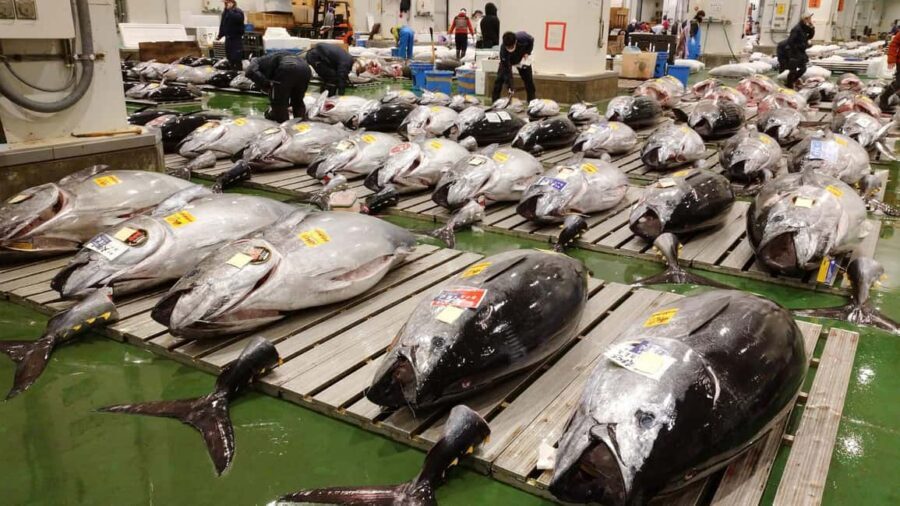
After the auction, you get 45 minutes for breakfast at Toyosu Market. This is not a sit-down cafe moment. It’s built around daily availability and the market’s rhythm, which means your breakfast might include options like seafood ramen with shrimp and octopus, or sushi that uses the day’s freshest tuna cuts.
Why I like this part: feeding yourself right after the auction makes the early start feel humane. It also grounds the whole morning. You watch trading, then you taste what trading is supposed to produce.
A note to plan around: the menus can change based on daily ingredients and restaurant hours. The tour also flags that some tastings have age restrictions, so if you’re traveling with kids or teens, check in advance.
Dietary limitations are also strict here. The tour data says it can’t accommodate vegetarian, halal, or gluten-free diets, and it also warns about people with food allergies. If food restrictions are part of your travel plan, this is an important decision point.
From Toyosu to Tsukiji: same city, different market vibe
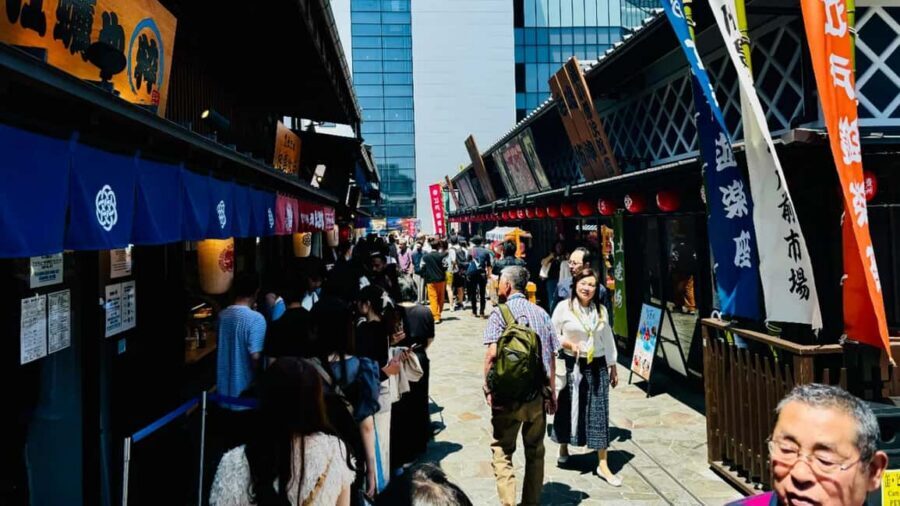
Once breakfast wraps, you transfer to Tsukiji Market. Transportation between the two is handled for you, and you’re not left figuring out early-morning routes while half awake. The tour timing keeps things efficient so you can hit Tsukiji without feeling like you lost an hour to logistics.
Tsukiji is different in feel from Toyosu. Toyosu is all about auction mechanics and trading flow. Tsukiji feels more like a traditional marketplace world of shopfronts, bargains, and take-home buying. Your guide helps you move quickly through what matters most, but you also get time to slow down and browse.
This “two-market” approach is the main value reason I’d consider this tour over a single market walk. You get context: one side shows how supply gets decided. The other side shows how you buy it, prep it, and turn it into meals later.
Tsukiji stroll: what you’ll shop for (and how to shop smart)
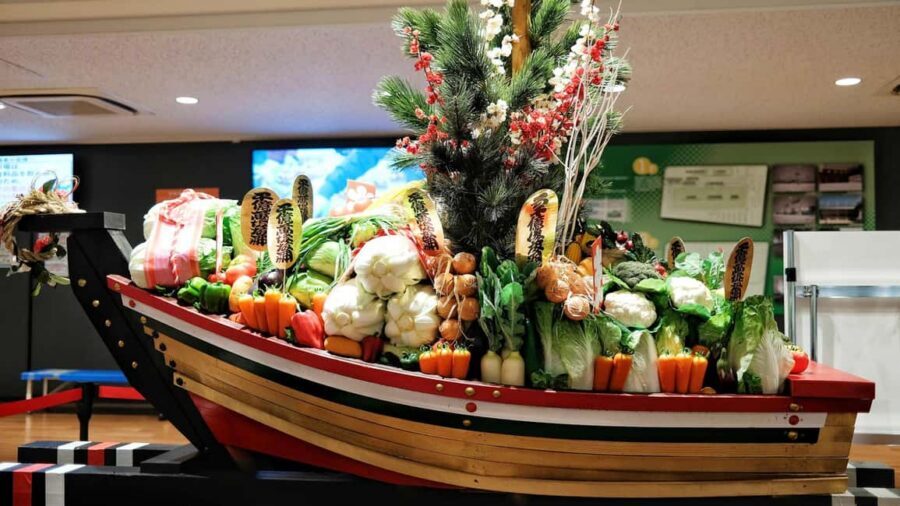
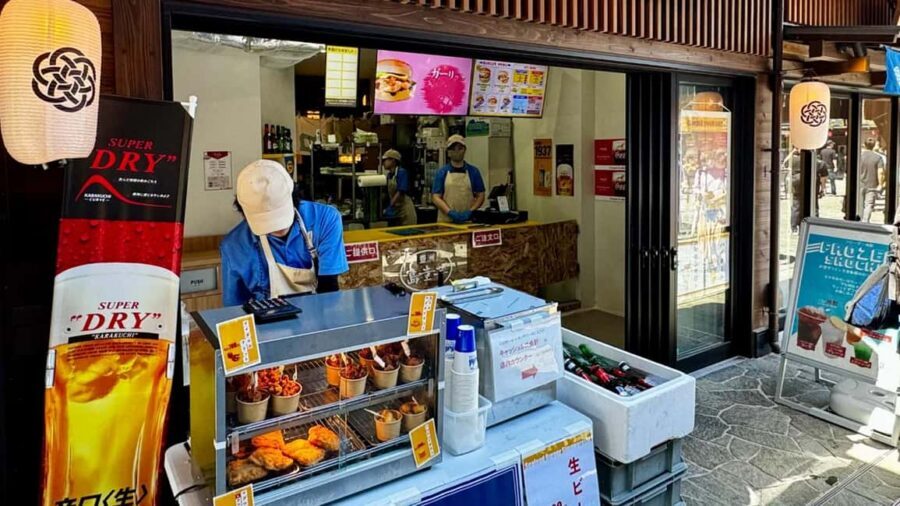
At Tsukiji, you’re not just walking for scenery. You’re looking for the practical stuff that makes the market worth visiting beyond the novelty factor. Expect small shops and stalls where the focus is on fresh take-home seafood, plus accessories and kitchen items you actually want in your own cooking life.
This is also where you can pick up souvenirs that make sense. Market food is one of the few souvenirs that can be both authentic and useful—especially if you’re staying somewhere with a fridge and you pack smart.
One thing to know: your guide builds a route so you don’t waste time getting stuck in random lines. A couple of the tour’s design choices support that:
- You get a planned path and an end time that keeps you from spiraling through crowds.
- The group pace is set, so you’re not forced to run, but you’re also not wandering until the last minutes.
Rules matter too. The tour data says no photography or loud talking. It sounds strict, but it’s how you avoid disrupting sellers and workers in a space that’s still operating.
A few more Tokyo tours and experiences worth a look

Guides make it: the practical difference between a good and a great morning
Here’s the big reason this kind of tour can succeed: an auction is technical, and market culture is full of small cues. The guides named in the experience feedback—Tim, Lin, Eon, and Ethan—are praised for exactly that kind of translation work.
In practice, you’ll notice the difference in three ways:
- They answer questions during the morning rather than keeping explanations for a single block.
- They point out what to watch for at the auction so you aren’t just hoping to catch something interesting.
- They share restaurant and shop recommendations after the market walk, which helps you turn the morning into a great meal plan.
Even when the viewing itself is limited (glass, distance), the guide’s narration helps you understand what is happening on the floor. That’s what keeps the auction from feeling like a distant spectacle.
If you want a simple strategy: before you go, be ready with a couple of questions. Ask about what makes one cut better than another, or what seasonal changes mean for what you might find later in Tokyo.
Price and value: why $122 can make sense (or not)
This experience runs about $122 per person for roughly 3.5 hours. That price is not for a generic market walk. You’re paying for a very specific combination:
- Guided auction viewing with a personal audio guide
- A scheduled breakfast time window at Toyosu Market
- A guided market tour at Toyosu plus transfer planning to Tsukiji
- Transportation costs between Toyosu and Tsukiji
If you were to recreate this yourself, you’d still need an early start, correct meeting timing, and a way to interpret auction signals. Without guidance, you might spend time standing in the wrong place, missing context, or spending extra money on trial-and-error food.
That said, I’d be honest with you about the “expectations match” factor. If you expect a close-up, front-row auction experience like you’d see in a documentary shot, the public deck can feel less dramatic because of viewing barriers and distance. The lottery helps, but lottery access is random.
So the price works best when you want understanding and a well-run route, not just maximum spectacle.
Timing and logistics that actually matter at 5:00 AM
Let’s talk about the parts that trip people up. Your meeting point is Lawson Toyosu Market Senkyaku Banrai, and you’re asked to arrive by 5:00 AM, with a recommendation to be there about 5 minutes early. If you arrive too early, you may need to wait for your guide.
You also should plan for early transport: the tour notes that public transport isn’t running that early, so a taxi/Uber is often the easiest way to get there on time. If you choose the optional pickup add-on, door-to-door service is available for certain areas (Chiyoda, Chuo, and Taito Wards), confirmed around 4:20 AM.
One more practical detail: the tour asks you to provide a WhatsApp number. That’s not a random tech request—it’s how coordination happens when mornings are tight and everyone needs to meet at the exact right spot.
When there’s no auction: plan around the no-operation days
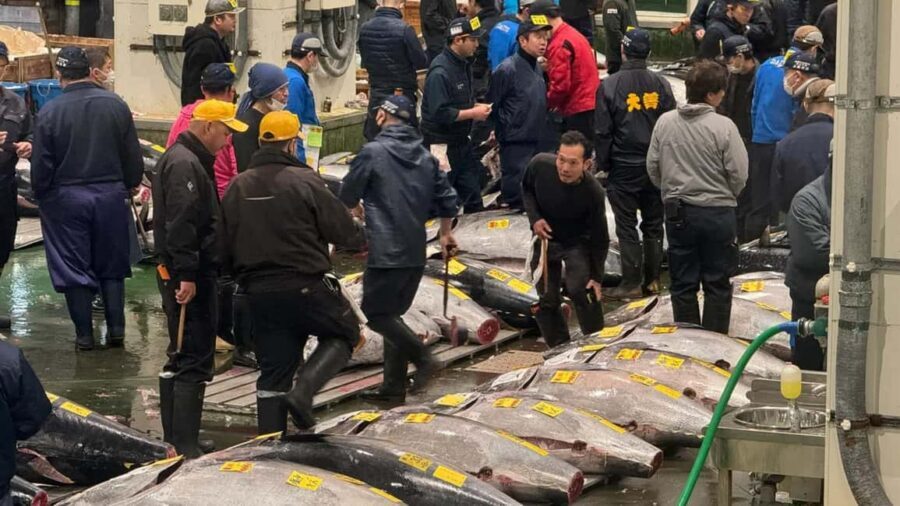
This tour depends on auction days. The data you have says there are no auctions on Wednesdays, Sundays, and Japanese public holidays. If your dates land on one of those days, your experience will change because the core auction viewing won’t run.
Before you book, check your calendar first. This isn’t a “maybe something happens” situation. The auction timing is fixed, and market operations can also change, so you want your day to match the auction schedule as much as possible.
Who should book this and who should skip
You’ll likely love this tour if:
- You’re a food traveler who wants the supply chain behind sushi, not just a photo stop.
- You like structured mornings and early starts for a reason.
- You’re open to seafood tastings and don’t have strict dietary restrictions.
You should probably skip or choose something else if:
- You have mobility issues. The tour data says it is not suitable for people with mobility impairments or wheelchair users.
- You’re traveling with someone over 70 years.
- You need vegetarian, halal, or gluten-free meals.
- You have food allergies or you can’t handle tasting-based food formats.
This is also a walking and standing experience. Wear comfortable shoes and plan for cold mornings—light warm layers help.
Should you book the Toyosu tuna auction and Tsukiji morning?
If your top Tokyo goal is understanding tuna—how it’s graded, how bids happen, and how the market turns into food—you’ll probably feel this was worth getting up early. The combo of auction viewing plus breakfast plus Tsukiji browsing, with a personal audio guide doing the translation work, is the heart of the value.
But if you mainly want a close-up, cinematic auction spectacle and you dislike rules like limited photo-taking and quiet behavior, you may find the public deck setup a bit underwhelming. In that case, your decision comes down to whether the lottery option is worth the planning and whether you’re comfortable with possible distance.
If you book, go in with a clear mindset: this morning is about context and craft. You’ll leave knowing why the best tuna costs what it does, and you’ll have a market map in your head for what to eat next.
FAQ
What time does the tour start and end?
It starts at about 5:00 AM and ends around 8:30 AM for a total duration of roughly 210 minutes.
Where do I meet the guide?
Meet at Lawson Toyosu Market Senkyaku Banrai by 5:00 AM. Arriving about 5 minutes early is recommended.
Do I need passport or ID?
Bring your passport or ID card. You’re specifically asked for ID if you win the optional 1st-floor viewing lottery.
Will I always see the auction from the first floor?
No. Most participants watch from the 2nd-floor public observation deck. 1st-floor viewing is available only through an optional lottery and is random.
Is there a lottery in December?
No. The tour notes that there is no lottery in December, so everyone observes from the 2nd-floor with personalized audio guides.
What language is the guide?
The live guide operates in Chinese and English.
Are meals included?
Yes. The tour includes breakfast at Toyosu Market (about 45 minutes). Food options depend on daily availability and restaurant hours.
Can the tour accommodate vegetarian, halal, or gluten-free diets?
No. The tour data says it cannot accommodate vegetarian, halal, or gluten-free diets.
What should I bring?
You should bring a passport or ID card and cash. Comfortable shoes and light/warm clothes are also important for the early morning.
Are there auctions every day?
No. The tour states there are no auctions on Wednesdays, Sundays, and Japanese public holidays. Check your date before you go.