REVIEW · KAMAKURA
Buddha, Bamboo & Zen – Bespoke Kamakura Private Walking Tours
Book on Viator →Operated by Buddha, Bamboo & Zen · Bookable on Viator
Kamakura feels calmer than Tokyo. This bespoke private walk strings together the Great Buddha, the bamboo-heavy Hokoku-ji area, and a major Shinto shrine, all at a pace that’s actually yours. I love that it’s structured but not rigid, so you’re not trapped in a hurry-driven route.
The second thing I really like is the way your guide threads Zen and samurai-era context into what you’re looking at, without turning it into a lecture. I also appreciate the practical help I saw described, like getting oriented with transit and cash needs. The main drawback is that temple entry and lunch are not included, so you’ll want to budget extra before you go.
In This Review
- Key highlights you’ll notice right away
- Kamakura in a single day: why this private walking plan works
- Your guide in the driver’s seat (and why it changes everything)
- A realistic itinerary flow: how the day comes together
- Kotoku-in Great Buddha: your first big visual wow
- Hasedera Temple: gardens and the eleven-headed Kannon
- Hokoku-ji Bamboo Temple: the bamboo grove and the Zen tempo
- Komachi Street and Tsurugaoka Hachimangu: shopping meets samurai energy
- Getting around on foot, train, and bus: why your timing matters
- Price and value: what you’re really paying for
- Flexibility without chaos: pacing that respects temple fatigue
- Who this tour suits best (and who might want a different plan)
- Should you book Buddha, Bamboo & Zen in Kamakura?
- FAQ
- How long is the Buddha, Bamboo & Zen walking tour?
- How many people are in a group?
- What’s included in the price?
- What costs extra during the tour?
- How much are temple admission fees?
- Is lunch provided?
- How much is public transportation?
- Where do we meet?
- What happens if the weather is bad?
- What’s the cancellation window for a full refund?
Key highlights you’ll notice right away
- A truly private group pace: you can slow down, linger, or call it a day when you’re satisfied
- Big-hitter sights in one loop: Kotoku-in, Hasedera, Hokoku-ji bamboo, Komachi Street, and Tsurugaoka Hachimangu
- Zen and samurai context on the walk: history that explains why these places matter
- Teatime included in spirit: matcha is part of the day even though food and drinks still cost extra
- Man-made cave scenery (yagura): a link to Kamakura’s layered past beyond the main temples
Kamakura in a single day: why this private walking plan works
If you’re doing Tokyo and you want one day that feels like a different planet, Kamakura is a smart answer. It’s close enough to reach easily, but the tone changes fast once you’re away from the big-city noise. This tour is built for that feeling.
What makes the experience click is the format: it’s a private walking day where you can stop whenever you want. That sounds small on paper, but on the ground it means you’re not just absorbing famous landmarks—you’re moving at human speed. I also like that you’re not locked into an all-or-nothing schedule. If you’d rather take more breaks or spend extra time in one garden, the guide can adjust.
You’re also getting a blend of religions and stories that fit together. You start in Buddhist Kotoku-in, continue through Hasedera and Zen temple territory, then finish at Tsurugaoka Hachimangu, a key Shinto shrine tied to warrior culture. That mix helps the day feel rounded instead of repetitive.
You can also read our reviews of more walking tours in Kamakura
Your guide in the driver’s seat (and why it changes everything)
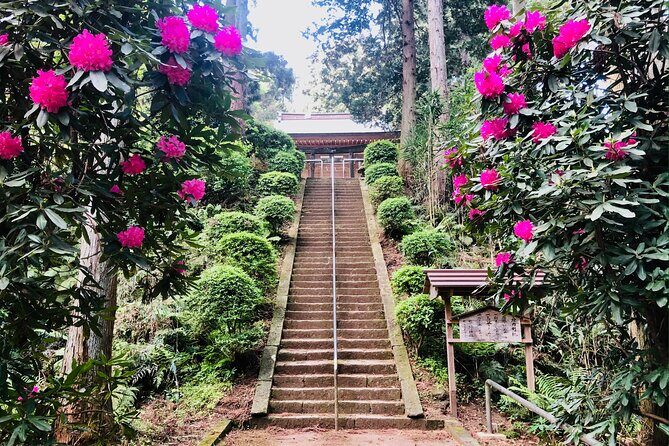
This is hosted by a native English-speaking Australian local guide (the name Brad comes up in the shared experiences). His role isn’t just to point and translate. He sets the tone for a calm day out of the Tokyo rush.
A big part of the value here is flexibility with intention. You can share what you want to see and the route can be tailored, or you can hand over the reins and follow the guide’s favorite spots. That’s especially useful in Kamakura, where a “simple” day can balloon quickly if you’re trying to self-plan temple hours, ticket lines, and transit timing.
From real-world tips described, I’d also expect help with the practical stuff: getting a transit card like Suica sorted out early, knowing where to grab cash if you need it, and building in breathing room so you don’t feel like you’re power-walking all day. If you’re traveling with family or friends and you want fewer stress points, that kind of support is worth a lot.
A realistic itinerary flow: how the day comes together
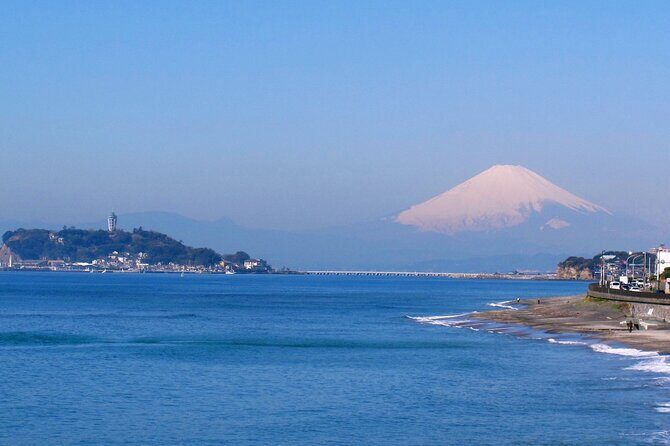
The day runs about six hours, but you should think of it as six hours plus time to get from place to place on foot and by train or bus. The plan builds in about two hours for that movement and for rest and food stops. That matters, because Kamakura isn’t a “park-and-stare” city. Distances add up, and the only way to enjoy temples without burning out is to schedule pauses.
Here’s how the day typically unfolds:
1) Kotoku-in (Great Buddha)
2) Hasedera Temple
3) Hokoku-ji Temple bamboo grove (plus tea time)
4) Komachi Street shopping walk
5) Tsurugaoka Hachimangu Shrine
Along the way, there’s also room to catch sights tied to Kamakura’s past, including the man-made caves called yagura, and the guide connects what you see to samurai history and Zen ideas.
Kotoku-in Great Buddha: your first big visual wow
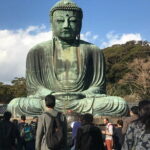
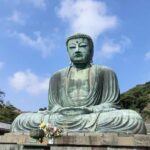
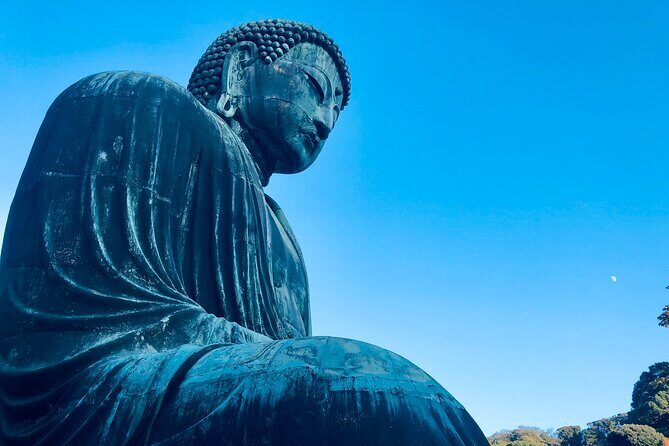
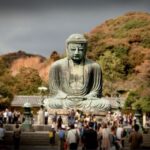
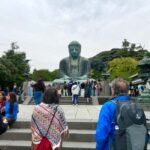
Kotoku-in is the one most people come for, and it earns its reputation. You’ll see the Great Buddha of Kamakura, an iconic bronze statue that started life as wood carving before being cast in bronze. The moment you spot it, the scale makes the area feel instantly historical.
Expect to spend around an hour here. Admission is not included, so you’ll pay separately on the day. If you care about photos, I’d plan to take your time looking around the approach area first. The best angles often come from walking a few steps rather than staying parked right at the first viewpoint.
The other thing I like about starting here is the way it sets your “day mindset.” You’re not yet tired, and you’re primed to notice details. After that, your brain is ready for the garden serenity and the Zen atmosphere that come next.
Hasedera Temple: gardens and the eleven-headed Kannon
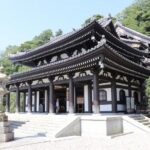
Hasedera adds a different texture to the day. Instead of one giant focal point, you get a long look at a tall wooden statue and the gardens around it.
The standout is the “Eleven-headed Kannon,” a 9.18-meter wooden statue carved in 721 AD. That kind of age can feel abstract until you’re standing close and realizing it’s still holding presence after centuries.
You’ll spend about 45 minutes here. Admission is separate, too. If gardens are your thing, Hasedera is where you feel why people return in different seasons. Even if you’re there when particular flowers aren’t peaking, the layout and the way the paths guide your attention still make it worth the stop.
A practical note: temples often mean steps and uneven ground. This is usually manageable, but if anyone in your group has mobility limits, it’s worth telling your guide early so you can pace the day smartly.
You can also read our reviews of more private tours in Kamakura
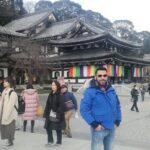
Hokoku-ji Bamboo Temple: the bamboo grove and the Zen tempo
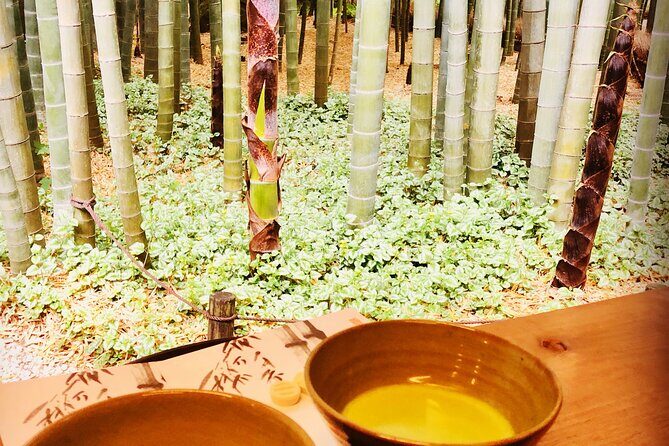
Hokoku-ji is affectionately known as the Bamboo Temple, and the bamboo grove is the main event. The highlight is the dense planting of about 2,000 moso bamboo plants. This is one of those places where you don’t need to be a bamboo expert to feel the mood shift.
You’ll typically spend about an hour at Hokoku-ji. Admission is separate, and you’ll also enjoy a green tea break here—matcha is mentioned as part of the day’s tea rhythm, even though food and drinks beyond that are not included.
Here’s what makes this stop valuable beyond the obvious visuals: bamboo groves are good at slowing your brain down. With the history context the guide brings—Zen temple roots, Rinzai tradition, and how the area is used—the day feels like a coherent theme instead of a checklist.
If you’re a photography person, don’t rush to the first shot. Bamboo height and light change as you move. Even small steps can make the grove look totally different.
Komachi Street and Tsurugaoka Hachimangu: shopping meets samurai energy
Komachi Street is your break from temple density. It’s the main pedestrian shopping street through Kamakura’s heart, and it’s a good place to wander without a strict agenda. You’ll spend about an hour here, and admission is free.
This is where you can handle practical needs too: snacks, small souvenirs, and time to reset before the final anchor stop.
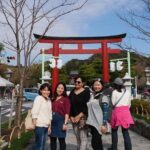
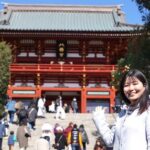
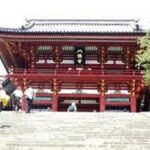
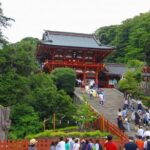
Then comes Tsurugaoka Hachimangu Shrine, the most important Shinto shrine in Kamakura, established in 1063 and dedicated to Hachiman, a tutelary god of warriors. The approach to the shrine is part of the experience, and the setting connects back to the samurai thread the guide is working on all day.
Expect about an hour here. I like how this closing stop changes the emotional “color” of the day. Earlier stops feel grounded in Buddhist space and Zen calm; this one lands more on the warrior heritage side of Kamakura’s story.
Getting around on foot, train, and bus: why your timing matters
Kamakura is walkable, but not in a “just keep going forever” way. The day includes time allocated for movement across areas by foot and public transportation. The provider notes about two hours of travel time within the full six-hour window, plus rest and food breaks.
Public transportation costs are not included. The listed figure is ¥840 per person, so I’d plan for that in your budget early rather than treating it as a last-minute surprise. Also remember that temples require separate admission tickets, so you’ll likely be paying small amounts at multiple stops.
One of the smartest tips I’d follow from how this tour is described is to bring cash. The guidance recommends roughly 2,000 yen for temple admission and transportation, plus extra for food and drinks. Even though the temple fees listed add up to around 1,300 yen (Kotoku-in, Hasedera, and Hokoku-ji combined), the extra money covers transit buffers and anything you decide to eat or buy.
Price and value: what you’re really paying for
The price is $355.80 per group, up to 6 people. That means you’re not paying per sight—you’re paying for the guide time, planning, and the flexibility to tailor the day to your group.
What’s not included:
- Temple admission fees (each paid separately)
- Lunch and all food/drinks, including matcha green tea if you buy it during the meal breaks
- Public transportation (¥840 per person)
- Specific temple admissions listed for Kotoku-in, Hasedera, and Hokoku-ji
So the right way to judge value is this: if you’re a family or a small group that wants a smooth day with minimal coordination, the guide is doing the hard work. You don’t have to figure out which temples are easiest in what order, how to move between areas without losing time, and how to manage breaks without turning the day into a frantic sprint.
If you’re traveling solo and you don’t mind planning yourself, you might not see the same value. But for groups who want less stress and more context, this format tends to feel fair.
Flexibility without chaos: pacing that respects temple fatigue
Temple days can get heavy. That’s exactly why this tour explicitly manages for that. The guide is mindful of guests being templed out, and you can end the day when you’re satisfied.
That’s not just comfort—it’s quality. When you’re not exhausted, you notice more: architectural details, how gardens are structured, and the way the shrines and temples signal different beliefs and histories.
It also helps if your group has mixed interests. Maybe some people love history, while others just want the bamboo grove and a relaxed shopping stop. The bespoke style works because the guide can keep the day moving without forcing one person’s pace on everyone.
Who this tour suits best (and who might want a different plan)
This tour fits best if you want:
- A private day rather than a crowded group schedule
- A blend of Buddhism, Zen, Shinto, and Kamakura samurai context
- A walking plan that includes breaks instead of racing you between stops
- Someone to help with transit navigation and practical on-the-ground decisions
You might consider another option if:
- Your group wants only one or two sights and would rather spend the day completely free-roaming without a guided narrative
- Everyone in your group loves to self-plan and doesn’t need language support for ordering tickets and transit
Should you book Buddha, Bamboo & Zen in Kamakura?
Yes, if you want a calm, high-quality Kamakura day with the big highlights covered—without feeling like you’re trapped on rails. The combination of Kotoku-in, Hasedera, Hokoku-ji bamboo, Komachi Street, and Tsurugaoka Hachimangu hits the main emotional beats of the town: awe, serenity, Zen mood, a human-scale street break, then a warrior-soaked finale.
Book it especially if you’re traveling as a small group (up to 6) and you’d rather pay for convenience and local insight than spend your morning solving logistics. Do budget separately for temple tickets, transit, and lunch, and you’ll feel like the day is well worth it.
FAQ
How long is the Buddha, Bamboo & Zen walking tour?
The tour lasts about 6 hours.
How many people are in a group?
It’s a private tour/activity, with up to 6 people per group.
What’s included in the price?
The included part is guiding services.
What costs extra during the tour?
Temple admission fees are not included and must be paid separately by each guest. Lunch and all food/drinks are also excluded, and public transportation costs are not included.
How much are temple admission fees?
Kotoku-in is listed at ¥300 per person, Hasedera at ¥400 per person, and Hokoku-ji Temple Bamboo Grove at ¥600 per person (admission fees are paid by each guest).
Is lunch provided?
No. Lunch and snacks/food/drinks, including matcha green tea, are excluded and you pay separately.
How much is public transportation?
Public transportation is listed as ¥840.00 per person.
Where do we meet?
The meeting point is Kamakura Eki [Higashiguchi]1 Chome-1 Komachi, Kamakura, Kanagawa 248-0006, Japan.
What happens if the weather is bad?
The experience requires good weather. If it’s canceled due to poor weather, you’ll be offered a different date or a full refund.
What’s the cancellation window for a full refund?
You can cancel up to 24 hours in advance of the experience’s start time for a full refund.