REVIEW · TOKYO
Tokyo: Asakusa Walking Tour -Sumida River to Senso-ji Temple
Book on Viator →Operated by gotcha · Bookable on Viator
Two Tokyo icons, one tight half-day. This small-group outing pairs a Sumida River cruise with a guided walk through Senso-ji, so you get both views and spiritual context without spending your whole day commuting.
I like the Skytree and Kaminarimon sightline from the river, and I also enjoy that you can get your fortune told at Senso-ji as part of the price.
One consideration: this experience requires good weather for the river portion, so you’ll want a little flexibility in your schedule.
In This Review
- Key things to know before you go
- A fast, smart Asakusa plan: cruise views plus temple guidance
- Stop 1: Sumida River cruise for Skytree and Kaminarimon views
- Stop 2: Senso-ji guided walk through gate, shopping street, and main hall
- Why this tour is great on day one (and for first-timers to Asakusa)
- What the small-group format really means (max 10 people)
- Value for money: what’s included in the $43 price
- Timing and meeting point: Kuramae start, Asakusa end
- Weather and flexibility: the one practical risk
- Should you book this Tokyo Asakusa tour?
- FAQ
- How long is the Tokyo Asakusa Walking Tour – Sumida River to Senso-ji Temple?
- How much does the tour cost?
- What do you do on the Sumida River part?
- What do you see at Senso-ji?
- Is fortune telling included?
- How many people are in the group?
- Where do you meet and where does it end?
- Is this a mobile-ticket tour, and what happens if weather is poor?
Key things to know before you go
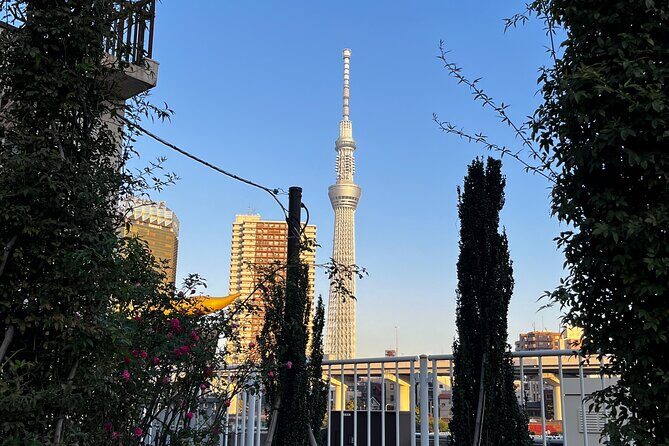
- Sumida River cruise in about 30 minutes with landmark views like Tokyo Skytree and Kaminarimon Gate
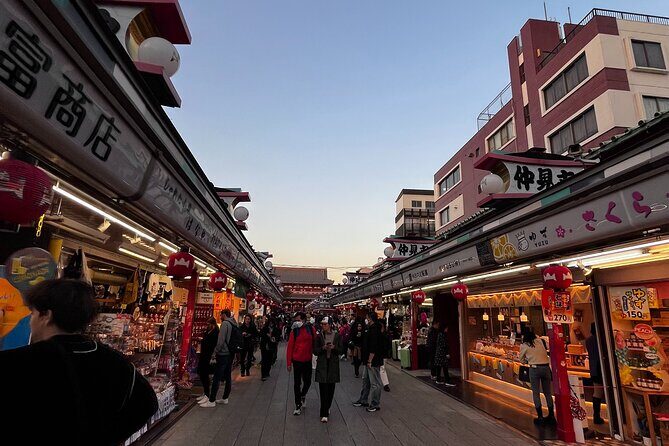
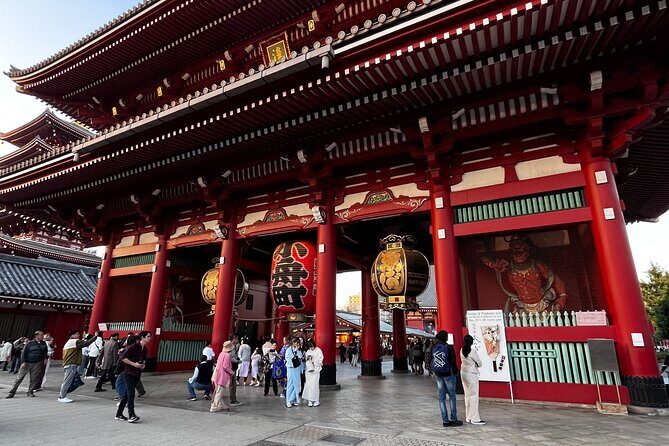
- Guided Senso-ji walk that includes Kaminarimon Gate, Nakamise-dori, and the main hall area
- Fortune telling is included at Senso-ji (no extra add-on mentioned)
- Small group size (max 10) for real conversation and time for photos
- Day-one friendly: a fast way to learn etiquette around shrines and temples
- Ends at Asakusa Station, which makes it easy to continue on your own
A fast, smart Asakusa plan: cruise views plus temple guidance
Asakusa can feel like sensory overload if you wander without a plan. This tour keeps things tight: you start with a short river ride for landmark sightlines, then shift to Senso-ji for a guided, step-by-step look at what you’re seeing.
The big win here is pacing. You’re not choosing between scenery and culture. You get both in about 1 hour 30 minutes total, with two focused segments instead of a long, tiring loop.
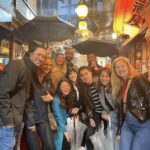
I also like the fact that it’s designed for a small-group experience. With a maximum of 10 people, the guide can answer questions and slow down when something matters, like how to behave in and around temple spaces.
You can also read our reviews of more walking tours in Tokyo
Stop 1: Sumida River cruise for Skytree and Kaminarimon views
The tour’s first act is a Sumida River cruise lasting about 30 minutes. From the water, you’ll see landmark views you don’t get the same way from street level, including Tokyo Skytree and Kaminarimon Gate.
Why this works: the river gives you a calmer visual frame. You get city views without constantly dodging crowds or crossing the same intersections over and over. It’s also a great moment to orient yourself. After you’ve seen Asakusa’s landmarks from the water, the walking portions feel easier to place.
Practical note: because this is still an outdoor activity, you’ll want to dress for weather. And keep in mind the tour requires good conditions; if the river part can’t run normally, the provider may offer a different date or a refund. If your trip is tight and weather is uncertain, have a backup day in mind.
In the review feedback I saw, the river segment often lands as the “wow, that view is real” moment. One guide mentioned by name, Nori, was credited with sharing background like Edo-period context during the ride/walk—exactly the kind of story that turns a view into understanding.
Stop 2: Senso-ji guided walk through gate, shopping street, and main hall
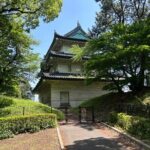
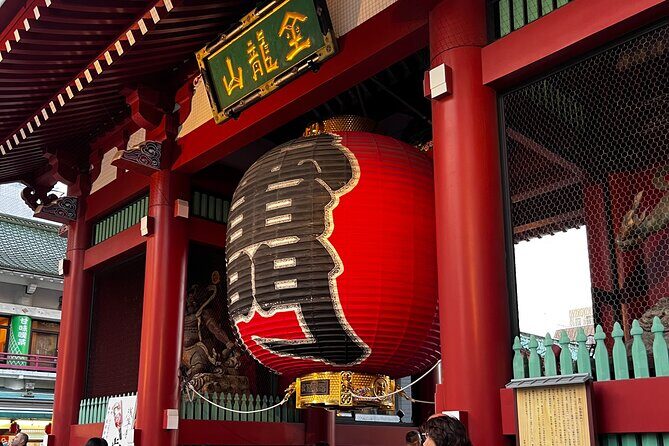
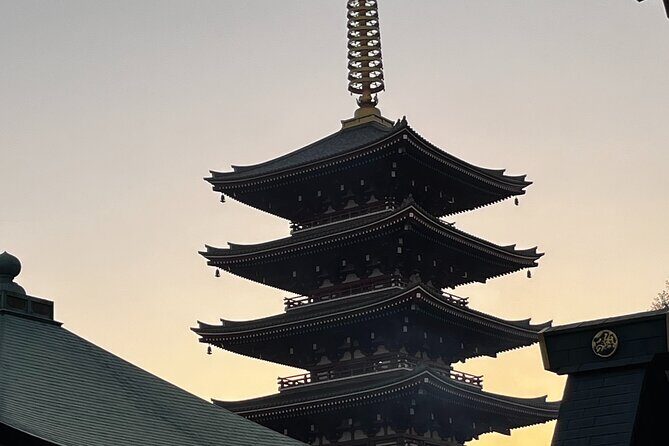
After the cruise, you transition to Senso-ji, Tokyo’s best-known temple complex. The guided portion runs about 1 hour and covers the big sights in a logical order: Kaminarimon Gate, Nakamise-dori, and the main hall area.
Here’s what you gain from a guide instead of DIY wandering. You get explanations for what you’re looking at—rituals, traditional practice, and basic etiquette. That matters at Senso-ji, because it’s not just a photo stop. It’s an active spiritual site, so even small behaviors (where you stand, how you move, how you show respect) can change the experience.
A big highlight is the included fortune telling. You don’t have to hunt for where to do it or ask whether it’s an add-on. You get time for it as part of the temple segment.
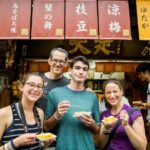
From the reviews, the guide approach seems to be a key reason this works well. Naoko, specifically mentioned, was praised for being smart and funny while staying informative, plus for giving space to stop, explore, and take photos. That combo is useful: you get structure, but you’re not rushed through everything.
Why this tour is great on day one (and for first-timers to Asakusa)

If you’re landing in Tokyo and want immediate context, this is a strong choice. One review mentioned taking it on day one to help you understand the area quickly—how the temple world works, plus basic etiquette around shrines and temples.
That early orientation can save you time later. Once you know what you’re seeing at Senso-ji and how to behave there, you’ll navigate the surrounding streets more confidently and enjoy other Asakusa stops without feeling like you’re interrupting anything.
Also, the mix of experiences helps your brain sort the district. The river gives you the skyline and the “where am I?” feeling. The temple portion gives you the “why this place matters” feeling. Together, it’s a quick mental map of Asakusa.
If you don’t want to over-plan, you’ll like that the logistics are handled for you: you’re simply pulled from the river scene into the temple complex and led through the key stops.
What the small-group format really means (max 10 people)
On paper, “small group” can sound like marketing fluff. In practice, it matters here because the tour is split between two different environments: a boat ride and a concentrated temple walk.
With up to 10 people, you can ask questions without shouting over a crowd. And during the Senso-ji part, the guide was specifically described as giving time to stop and explore and take pictures. That’s the difference between being dragged along and being able to actually look.
This group size also helps if you want to understand how to act in temple areas. One of the recurring value points from review feedback was learning etiquette at shrines and temples. When you have a guide who can explain the do’s and don’ts in plain language, you can enjoy the experience rather than worrying about being in the wrong spot.
If your travel style is “I like to know what I’m seeing,” you’ll appreciate this format. If you’re the type who loves silent wandering with no structure, you may still enjoy it, but the guided parts may feel slightly directive.






Value for money: what’s included in the $43 price
At $43 per person, this tour is aiming to be good value for two reasons: it bundles two major Asakusa experiences, and the itinerary lists admission tickets as free for both segments.
You’re paying for:
- The guided temple experience (with a structured visit to the gate, Nakamise-dori, and main hall area)
- The Sumida River cruise time
- The included chance to get your fortune told at Senso-ji
- The small-group guiding, capped at 10 people
In Tokyo, “two attractions in half a day” is often the trick. Standalone sightseeing can eat up time and cost through separate tickets, separate meeting points, and extra transit. Here, you get a tight flow: river first, temple second, and an end point at Asakusa Station so you can keep moving.
So the question isn’t just price. It’s whether you want both the view segment and the temple context without spending hours organizing yourself. If yes, this feels like a solid deal for a short stay.
If your budget is extremely tight, you could do parts of this on your own. But you’d be trading away the guided explanations (and the included fortune). That’s usually the piece that makes the difference between a checklist visit and a meaningful one.
Timing and meeting point: Kuramae start, Asakusa end
The tour starts at the Kuramae 2-Chōme Police box (2-chōme-15-8 Kuramae, Taito City). You’ll finish at Asakusa Station (Asakusa 1-chōme-1-3).
That matters because it keeps your day from feeling like a loop. Starting in Kuramae and ending in Asakusa means you can move on to your next activity without retracing your steps.
The itinerary’s total length is about 1 hour 30 minutes, with roughly 30 minutes for the cruise and about 1 hour for the Senso-ji guided walk. That timing is ideal for travelers who want to fit in a highlight without sacrificing a meal, a neighborhood walk, or a later museum visit.
Also, the tour notes that it’s near public transportation. That usually translates into fewer headaches when you’re trying to get to the meeting point and then back out again after the tour ends.
Weather and flexibility: the one practical risk
The experience requires good weather. Since one segment is on the Sumida River, poor conditions can affect the cruise portion.
I’d plan your day with a little buffer if you can. If the provider has to change dates due to weather, having a flexible option nearby makes the experience much less stressful. If your whole Tokyo schedule is locked down, you’ll still be fine if you build in some wiggle room on your calendar.
This is also why short, well-designed tours are worth considering. Even when something shifts, it’s easier to reschedule a 1.5-hour highlight than an all-day plan.
Should you book this Tokyo Asakusa tour?
Book it if:
- You want a smooth half-day that combines river views and a guided Senso-ji visit
- You like learning the “how to behave here” side of temples, not just snapping photos
- You’re interested in the included fortune telling
- You prefer a small-group pace with time for questions and picture stops
Skip it (or consider something else) if:
- Your schedule has no flexibility and you’re worried about weather-based changes
- You’d rather wander Senso-ji entirely on your own and don’t want guidance
If you’re trying to get oriented fast in Asakusa and you value context, this is a smart, efficient way to do it.
FAQ
How long is the Tokyo Asakusa Walking Tour – Sumida River to Senso-ji Temple?
The total duration is about 1 hour 30 minutes, with roughly 30 minutes for the Sumida River cruise and about 1 hour for the guided Senso-ji portion.
How much does the tour cost?
It costs $43.00 per person.
What do you do on the Sumida River part?
You take a cruise along the Sumida River for about 30 minutes with views of landmarks including Tokyo Skytree and Kaminarimon Gate.
What do you see at Senso-ji?
The guided visit includes Kaminarimon Gate, Nakamise-dori shopping street, and the temple’s main hall.
Is fortune telling included?
Yes. Getting your fortune told at Senso-ji is included in the price.
How many people are in the group?
The tour has a maximum of 10 travelers.
Where do you meet and where does it end?
The tour starts at Kuramae 2-Chōme Police box and ends at Asakusa Station.
Is this a mobile-ticket tour, and what happens if weather is poor?
You receive a mobile ticket. The experience requires good weather, and if it’s canceled due to poor weather, you’ll be offered a different date or a full refund. You can also cancel for free up to 24 hours in advance for a full refund.