REVIEW · TOKYO
Tokyo Walk through: Shinjuku, Harajuku, Omotesando & Shibuya
Book on GetYourGuide →Operated by Pinpoint Traveler · Bookable on GetYourGuide
Four hours, four Tokyo moods.
This private-style small-group walk strings together Shinjuku and Shibuya with Harajuku’s teen-pop energy and Omotesando’s quieter luxury. You start right at the Gucci Shinjuku M Square Store, then end up seeing how modern Tokyo works: big transport hubs, shopping streets, side alleys, and a needed breather at Shinjuku Gyoen. The best part is that the route is adaptable to what you want to see, not a one-size checklist.
Two things I really like about this setup are the pacing and the practical eye. You get a guided stroll through major neighborhoods plus a proper stop at Shinjuku Gyoen, so the day doesn’t turn into one long shopping sprint. And because the guide is English-speaking, you get help with Japanese culture and the small “how things work” details that are hard to figure out on your own.
One drawback to consider: you’re on your feet a fair amount for a 4-hour walk, so comfy shoes really matter. Also, it’s listed both as wheelchair accessible and as not suitable for people with mobility impairments, so if you have any limitations, check with the operator before you book.
In This Review
- Key highlights worth your attention
- Why This Tokyo Walk Through Works So Well
- Meeting at Gucci Shinjuku M Square: Start Point That Keeps You Moving
- Shinjuku: Trains, Post-War Planning, and Street-Level Finds
- Shinjuku Gyoen Garden: Your Built-In Calm Reset
- Shibuya: Youth Culture With a Soft Edge
- Harajuku and Takeshita-dori: Pop Culture for Teens (and Adults Too)
- Omotesando: Understated Wealth, Luxury Stores, and Backstreet Style
- Cost and Value: What You Get for About $67 in 4 Hours
- Practical Tips: Walking Comfort, Photo Rules, and Timing Reality
- Should You Book This Tokyo Walk Through?
- FAQ
- How long is the tour?
- What neighborhoods are included?
- Is there a live guide, and what language do they speak?
- What’s the group size?
- Where do we meet?
- What should I bring?
- Is it wheelchair accessible?
- What’s included in the price?
Key highlights worth your attention
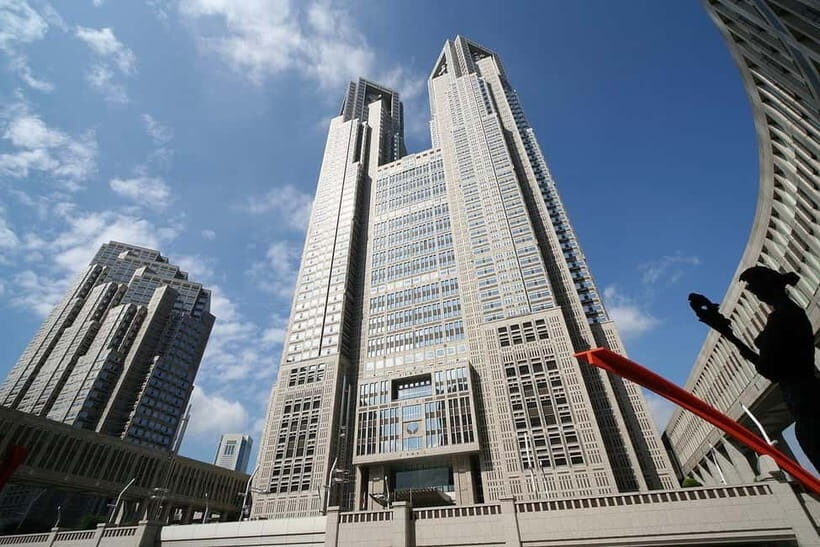
- Small group of up to 8 means the guide can keep things personal and adjust on the fly.
- Shinjuku Gyoen breaks up the shopping with gardens in different styles and a calmer pace.
- Teen culture to luxury mode in one loop: Takeshita-dori on one side, Omotesando brands on the other.
- English live guide helps you understand what you’re seeing, including cultural context.
- Planned city logic: you’ll hear how post-war Tokyo shaped modern hubs like Shinjuku and Shibuya.
Why This Tokyo Walk Through Works So Well
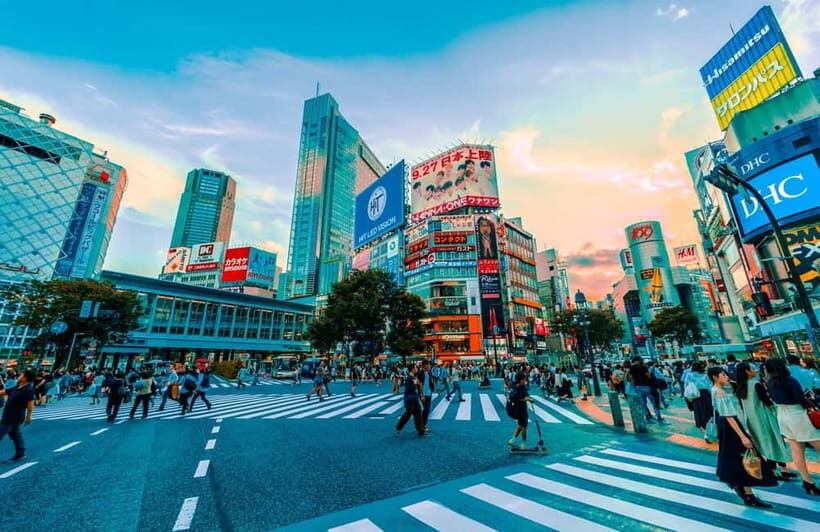
Tokyo can feel like it has two speeds: fast and faster. This tour does a smart thing: it strings together neighborhoods that represent different parts of how Tokyo shows itself. You get the transport-first reality of Shinjuku, the youth-forward mood of Shibuya, the pop-culture zone around Harajuku, and the sleek, fashion-minded streets of Omotesando. That mix is exactly why this route is a good value for first-timers.
I also like how it’s built around variety, not just landmarks. Even when you’re walking through major areas, the guide’s job is to point out what most visitors miss: art and culture tucked into the busy fabric, streets that feel different block-to-block, and the small cues that explain why people shop and eat where they do. If you want more than photos—if you want meaning—this format helps.
The day is also flexible enough to fit real travel needs. Want more shopping? You’ll spend time where it makes sense. Want culture and atmosphere? The guide can steer you toward it. That balance is the difference between a rushed “see it all” tour and a walk that actually helps you understand Tokyo.
You can also read our reviews of more walking tours in Tokyo
Meeting at Gucci Shinjuku M Square: Start Point That Keeps You Moving
You meet right in front of the Gucci Shinjuku M Square Store. That matters more than it sounds. In Shinjuku, landmarks can be your best friend because the station area is big, layered, and full of exits. A clear meeting spot helps you start without stress, and it sets you up for a smooth walk right away.
Once you’re there, you’ll get oriented quickly. The guide frames the whole day by explaining how Tokyo grew into the modern hubs you’re about to see. That’s not just trivia. It helps you read the city as a system: transport, commerce, and neighborhood identity all shaped together after the post-war era as Tokyo’s population and needs changed.
If you’re the kind of traveler who likes to know what you’re looking at, this start makes the whole route easier to follow later, even after the tour ends.
Shinjuku: Trains, Post-War Planning, and Street-Level Finds
Shinjuku is famous for being intense, and it earns that reputation. You’ll be in the orbit of the busiest train station on Earth, which means you’re not just “visiting” Shinjuku—you’re seeing how people flow through the city at scale. The guide’s explanation of modern hub planning makes the area click. Tokyo didn’t accidentally end up with these massive, interconnected zones. The city’s growth pushed it toward designs that handle crowds efficiently.
During your Shinjuku walk, you’ll cover mainstream shopping options and well-known places for food and drinks. But the tour’s real strength is that you’re also pointed toward art and cultural details hiding in plain sight. That’s where the guided component pays off, because Tokyo’s most interesting stuff often sits between bigger, louder things.
Practical tip: Shinjuku streets can change character quickly—one block you’re in big storefront mode, the next you’re surrounded by smaller cultural cues. Wear shoes you can walk a lot in, and expect to stop occasionally for context, not just photos.
Shinjuku Gyoen Garden: Your Built-In Calm Reset
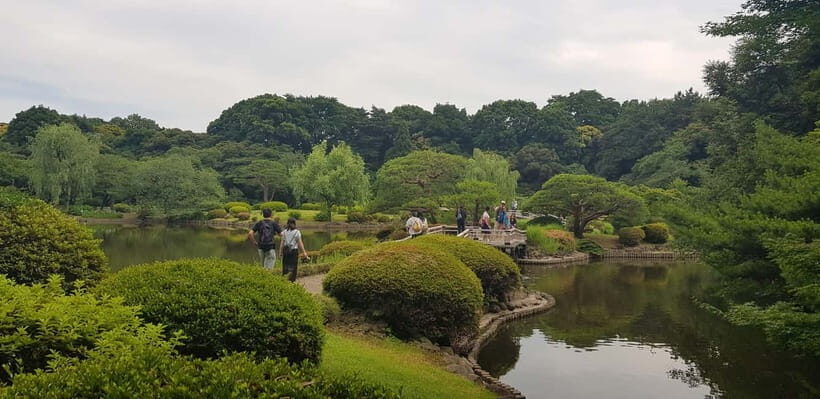
After the energy of Shinjuku, you get a breather at Shinjuku Gyoen. This is the kind of pause that makes a walking tour feel civilized. The garden is described as showcasing different garden styles and approaches, so it’s not a one-note stroll. You can slow down, pay attention, and feel the contrast between Tokyo’s high-velocity streets and a quieter, more reflective space.
What you’ll appreciate most here is the pacing. If you’ve been planning a Tokyo trip that leans heavy on neighborhoods and shopping, this garden stop is the pressure relief valve. It also gives you a change of scenery for photos that don’t look like every other city shot.
If the weather cooperates, this stop is especially nice because the outdoor setting makes the atmosphere feel like a proper half-day reset. If the weather is rough, you’ll still get the value of the break—you just might move a bit quicker and spend more time under sheltered areas.
Shibuya: Youth Culture With a Soft Edge
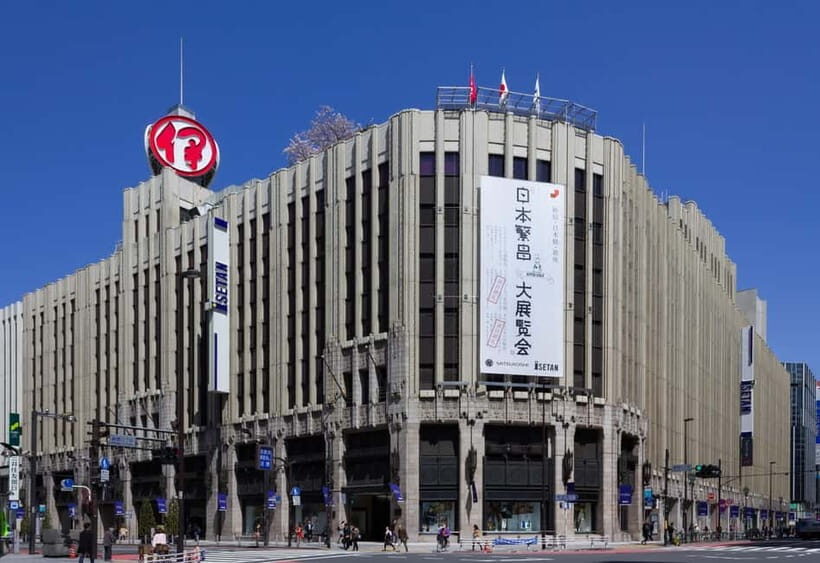
Next comes Shibuya, and you’ll feel the shift fast. Shibuya is geared toward a youthful crowd, with that Japanese modern culture vibe that feels playful but not chaotic. The tour frames it as mild funkiness with a light avant-garde energy—think trend signals more than loud spectacle.
This is another place where a guide helps. Shibuya can look obvious from the main streets, but the interesting part is how people live and move around it. The tour includes time for hidden corners that reflect youth culture and local habits. That’s where you’ll likely notice smaller storefronts, different fashion cues, and side streets that don’t show up in generic photo routes.
One practical bonus: guides often help with understanding what you’re seeing in daily life. In past bookings, guests have specifically thanked guides like Hiroshi for explaining how to use the train system and for sharing how everyday Tokyo feels beyond the big crosswalk. That kind of context changes your whole experience of Shibuya, because you’re not just observing—you’re learning how the city operates.






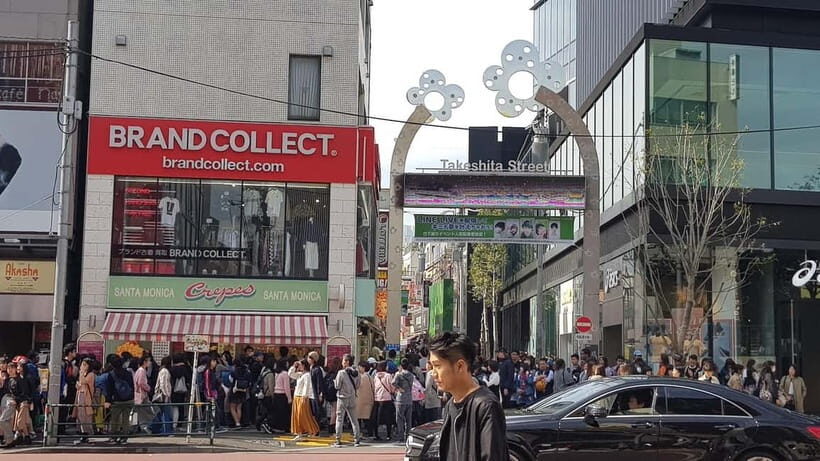
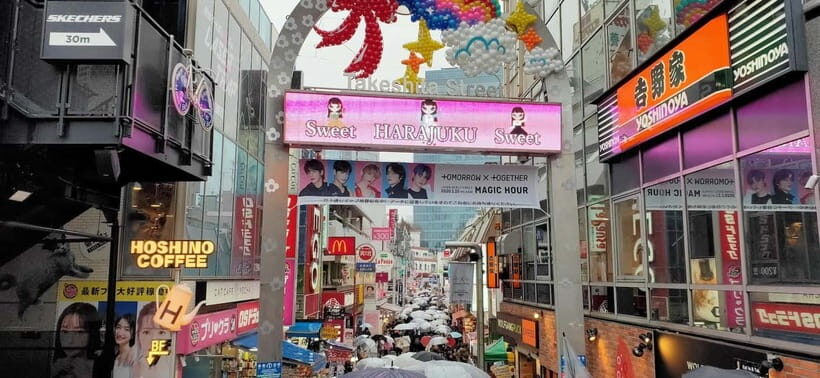
Harajuku and Takeshita-dori: Pop Culture for Teens (and Adults Too)
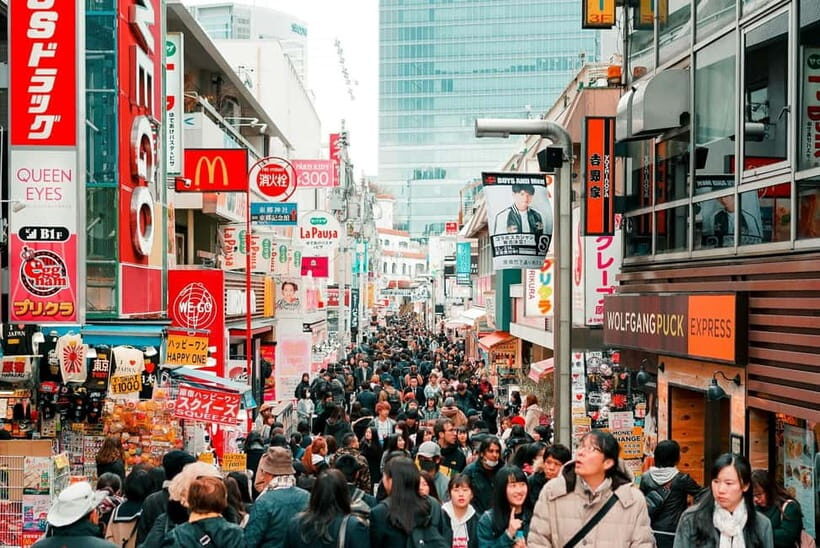
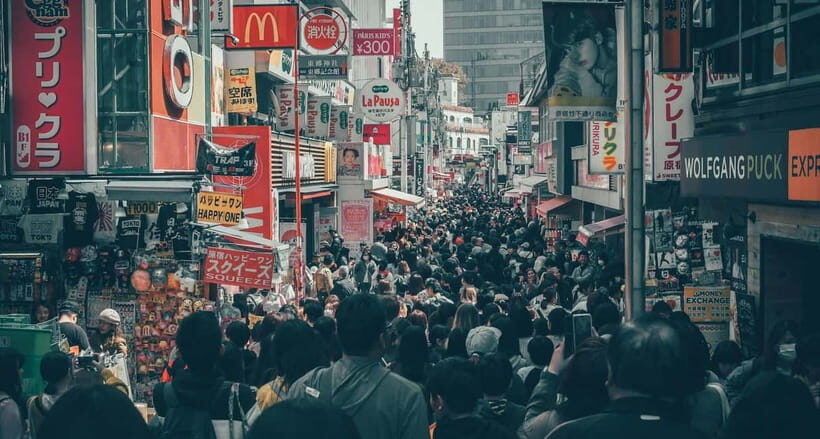
Harajuku is where Tokyo’s pop culture turns up the volume. The focus here is Takeshita-dori, known for catering to a teen market, roughly the 12–16 age range. That doesn’t mean it’s only for teens. It means you’ll see the most uninhibited style signals—the kind that look fun, experimental, and unapologetically “now.”
During your Harajuku time, expect a mix of loud style, playful products, and fashion that reads like a visual language. The guide helps connect that style to the broader culture, so you don’t just see outfits—you understand why they’re there. That cultural context is especially useful if you’re curious but don’t want to spend your whole trip googling slang and brands.
A small caution: this area can be packed around peak shopping hours. You’ll move with the group, but you may still have moments where you can’t stroll at full speed. That’s normal for Harajuku, and it’s part of what makes it feel like the city’s youth channel.
Omotesando: Understated Wealth, Luxury Stores, and Backstreet Style
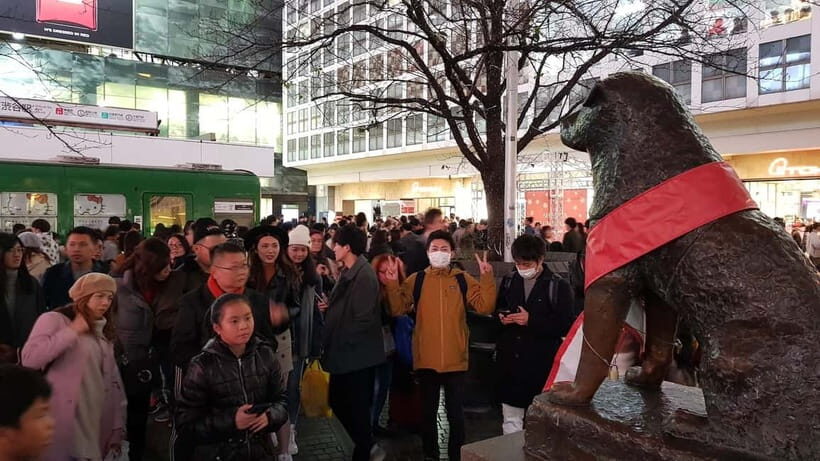
Then the tour transitions into Omotesando, which feels like a different Tokyo mood entirely. Here, you get a mix of understated wealth and luxury brands, but you also get backstreets where you can find unique fashion choices that feel more personal and less brand-loud.
This is the part of the walk that I’d call the “style filtering” zone. Harajuku shows maximal expression. Omotesando often feels more refined, with a quiet confidence. The guide’s job is to help you spot the contrasts—where the mainstream storefront energy ends and the more individual style discoveries begin.
If you like shopping but prefer it curated by context rather than endless wandering, Omotesando is a strong finish. It’s also a good place to slow down and think about what you liked earlier. You’ll have a sense of how Japanese fashion and design can shift from youth-pop to premium minimal in just a few turns.
Cost and Value: What You Get for About $67 in 4 Hours
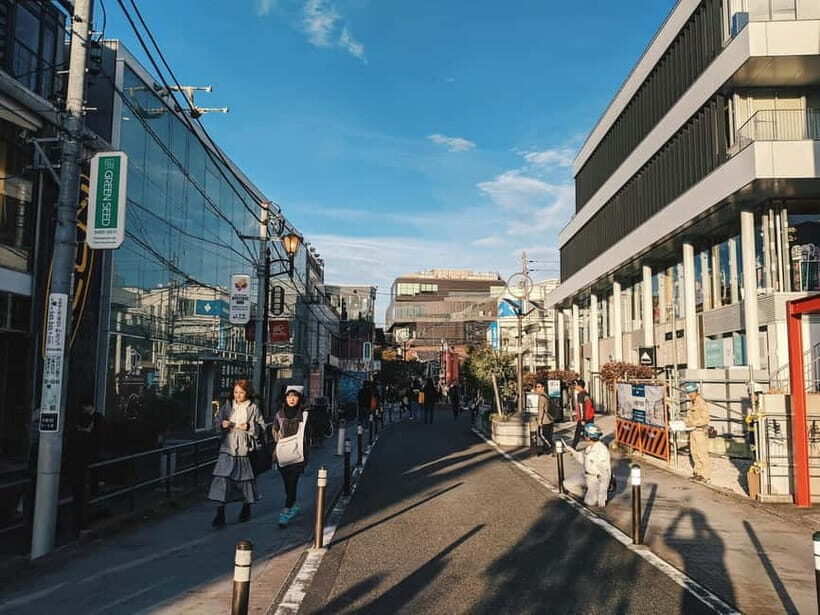
At $67 per person for a 4-hour guided walk, this is positioned as a value play for first-time Tokyo visitors—or anyone who wants a focused introduction to four neighborhoods without stress.
Here’s why the price can make sense:
- You’re paying for an English-speaking live guide who helps you interpret what you’re seeing.
- You’re getting a structured route across multiple neighborhoods that would take time to plan yourself.
- You’re included for Shinjuku Gyoen, which would otherwise be one more “logistics task” to fit into your schedule.
- The small group size (up to 8) keeps it from turning into a free-for-all.
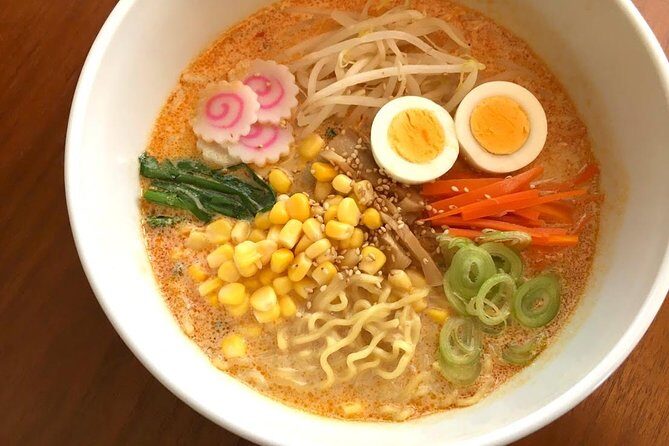
The main thing to watch is that meals and personal shopping aren’t included. That’s typical, but it means you should budget for food stops if you’re hungry. On the plus side, the guide can help you locate good places to eat and even assist with ordering in practical ways. For example, some guides have previously helped guests get set up at a ramen spot and explained how to order, which can be a huge confidence boost when you don’t read Japanese.
Practical Tips: Walking Comfort, Photo Rules, and Timing Reality
This tour is built on walking, so plan for it. Comfortable shoes aren’t optional. You’ll likely stop for explanations, and city walking adds up fast in Tokyo.
For weather, dress smart. Tokyo weather can shift, and the garden stop is outdoors, so you’ll want layers you can manage quickly. If it’s raining, you’ll still move—just expect slower pacing and more covered stops.
Photography is allowed, but some areas may have restrictions. So don’t get aggressive with your camera. If you see signs or notice locals being cautious, follow the local cues. This is usually the difference between a smooth experience and an awkward moment.
Also note the group size is small, up to 8. That’s great for attention, but it also means you should arrive a few minutes early so the guide doesn’t have to rush everyone into motion.
One important note on mobility: the activity is listed as wheelchair accessible, yet it’s also noted as not suitable for people with mobility impairments. If you need a mobility accommodation, confirm details before booking so the walking load and route fit your situation.
Should You Book This Tokyo Walk Through?
Book it if you want an efficient, human-guided way to experience four Tokyo identities in one afternoon. It’s a strong choice if you’re:
- Short on time and want a guided overview that still leaves room for your interests
- Interested in fashion, shopping culture, and how neighborhoods differ
- Curious about how Tokyo grew into modern hubs like Shinjuku and Shibuya
- Needing a break from pure shopping, with Shinjuku Gyoen built in
Skip it (or at least confirm details) if you can’t handle sustained walking or if mobility limitations might make streets, crowds, and transitions between areas difficult.
If you’re a first-timer who likes to learn while walking, this tour is the kind of “starter pack” that helps you explore the rest of Tokyo with better instincts.
FAQ
How long is the tour?
The tour lasts 4 hours.
What neighborhoods are included?
It covers Shinjuku, Harajuku, Omotesando, and Shibuya, with a visit to Shinjuku Gyoen Garden.
Is there a live guide, and what language do they speak?
Yes. The tour includes a live English-speaking guide.
What’s the group size?
The group is small, limited to 8 participants.
Where do we meet?
You meet right in front of the Gucci Shinjuku M Square Store.
What should I bring?
Bring comfortable shoes and dress for the weather.
Is it wheelchair accessible?
It’s listed as wheelchair accessible, but it’s also noted as not suitable for people with mobility impairments, so it’s best to confirm the route and walking demands with the operator before booking.
What’s included in the price?
A guided walking tour of the neighborhoods, plus the Shinjuku Gyoen garden visit, and cultural/shopping exploration. Meals and drinks and personal shopping expenses are not included.