REVIEW · KAMAKURA
Kamakura Heritage Bike or Walk Tour with ex-Rickshaw guide
Book on Viator →Operated by Ichi · Bookable on Viator
Kamakura by bike feels like you’re borrowing the city’s shortcuts. This private bike or walking tour, led by ex-rickshaw guide Ichi, strings together the big names and a couple calmer stops in about 4 hours, with story-rich explanations and frequent photo moments. I love how efficiently you can hit temple, shrine, and coastline without feeling rushed, and I also like the way the route flows so you keep moving while learning what you’re seeing.
One thing to plan for: if you choose biking, the tour notes it’s not recommended for kids under 13 who can’t ride an adult-sized bike, and it’s designed around good weather.
In This Review
- Key highlights you’ll feel on the ground
- Kamakura without the hassle: why this tour format works
- Meeting point and timing: what your half-day actually feels like
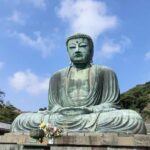
- Stop 1: Kotoku-in Great Buddha—your big first wow
- Stop 2: Tsurugaoka Hachimangu—where the samurai story becomes visible
- Stop 3: The grave of Minamoto no Sanetomo and Hojo Masako—short, sharp, memorable
- Stop 4: Hokoku-ji bamboo grove—quiet air and included entry
- Yuigahama Beach: the seaside reset that keeps the day from feeling like sightseeing
- Stop 5: Hasedera—Kannon statue and coastline viewpoints
- Stop 6: Egara Tenjin Shrine—learning-focused, calm finish
- Bikes vs walking: choosing the right pace for your group
- What makes the guide matter (and why you’ll care later)
- Value check: is $150.24 worth it?
- Who should book this Kamakura tour
- Should you book it?
- FAQ
- Can I choose between a bike tour and a walking tour?
- How long is the Kamakura tour?
- What stops are included?
- What’s included in the price?
- Is this a private tour?
- Does the tour run in bad weather?
Key highlights you’ll feel on the ground
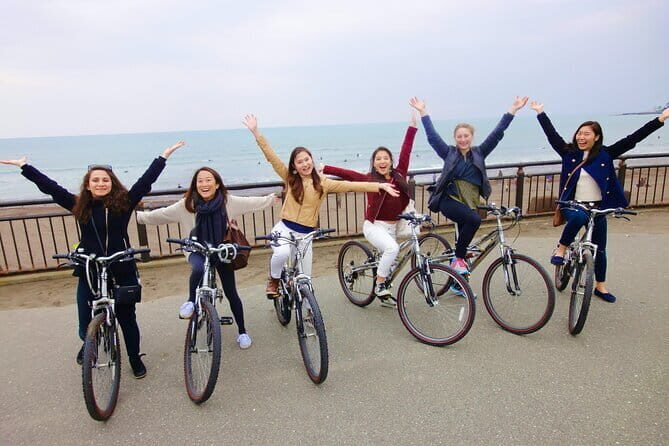
- Ex-rickshaw guide Ichi: years of guiding on these streets, with clear English and smart pacing
- Great Buddha at Kotoku-in: included entry plus a focused stop that sets the tone for the whole day
- Hokokuji bamboo + matcha option: admission included, plus a calm reset under the bamboo grove
- Hasedera Kannon and ocean views: quick but meaningful time in the Hase area
- Photo-friendly guiding: the guide takes lots of pictures so you don’t have to constantly swap hands with your camera
- Seaside time at Yuigahama Beach: ride or walk the coastal road for a slower rhythm
Kamakura without the hassle: why this tour format works
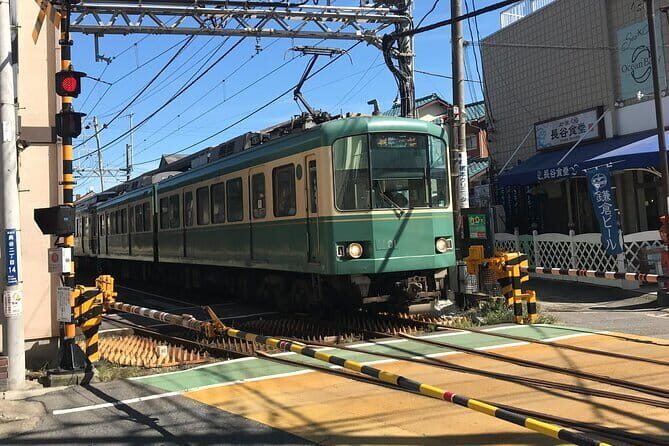
Kamakura can look simple on a map, but in real life it’s a string of spots across a hilly pocket of Kanagawa. This tour helps because it’s private and moves you between sights on a schedule that keeps you from zig-zagging or standing around checking directions.
You get two modes: bike or walk. If you’re tired of hauling yourself around on foot, the bike option is a big quality-of-life upgrade. If you prefer a slower pace (or you’re traveling with someone who doesn’t want to bike), the walking route still keeps the same core places in the same time window.
Either way, your guide is the star. Ichi is an ex-rickshaw driver guide with about 5 years of experience in this exact style of escorting people through Kamakura’s lanes and approach roads. That matters more than people think. It changes how you notice the city—where quiet lanes connect, where viewpoints open up, and how to time yourself around crowds.
You can also read our reviews of more walking tours in Kamakura
Meeting point and timing: what your half-day actually feels like
This tour starts and ends at Kamakura Station (1-chōme-1-15 Onarimachi), which is practical. You’re not committing to a complicated meetup in a small backstreet or transferring across town. Also, it’s marked as near public transportation, so you can build the rest of your day around normal train travel.
Duration is about 4 hours. That’s long enough to feel like you covered Kamakura, but short enough that you’ll still have energy afterward—especially if you pair it with an evening meal in the station area.
Your guide meets you, then you’ll head out to the first key site. You should expect a steady rhythm: short explained stops, photo moments, then move on. The pacing is meant to keep you engaged without turning the day into a sprint.
Stop 1: Kotoku-in Great Buddha—your big first wow
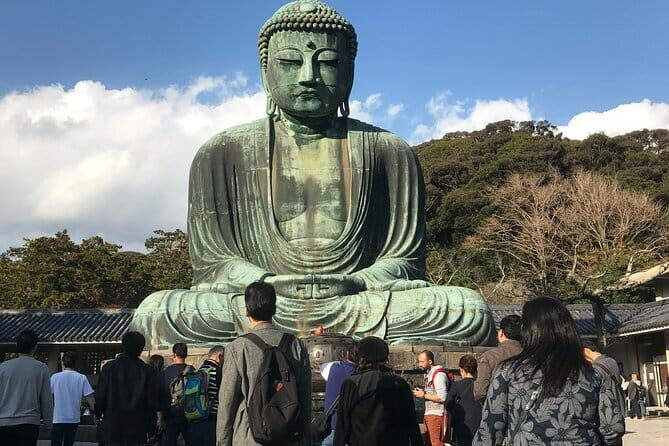
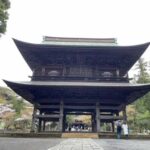
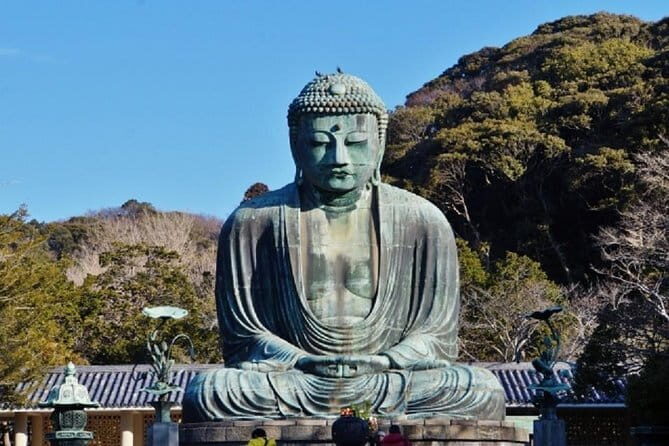
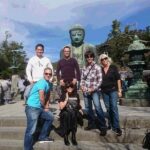
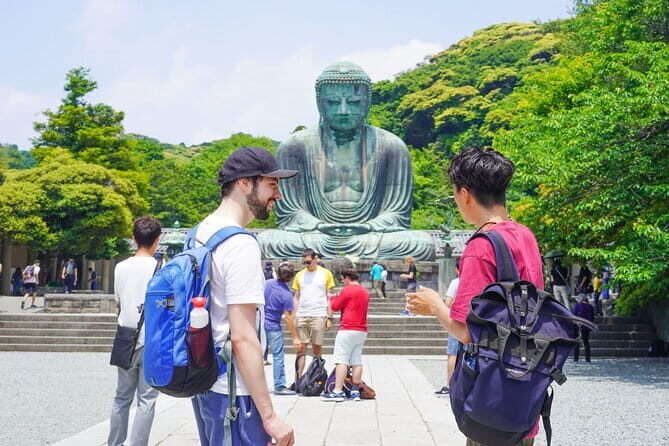
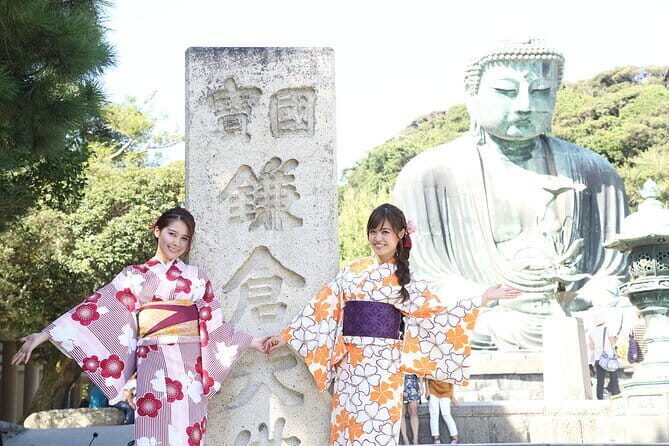
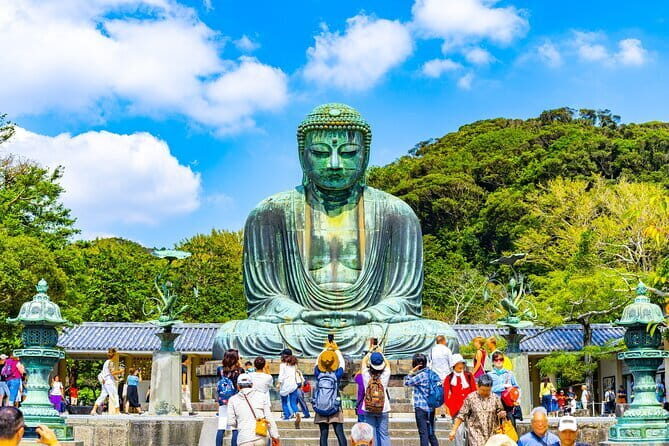
The tour begins at Kotoku-in, home to the Great Buddha of Kamakura. Entry is included here, and that’s a sensible place to start because it gives you a visual anchor. Once you’ve seen the Buddha, the rest of the day clicks into place: shrines, temple grounds, and Japan’s layered religious landscape stop feeling random.
What I like about how this stop is handled is that it’s long enough to slow down. You’re allotted about 30 minutes, so you can stand back for the full statue view, walk closer for details, and take in the atmosphere around the temple approach.
A practical tip: if you’re sensitive to heat or humidity, start your photo timing early in the visit. This is one of the most photographed spots on the route, and the early minutes are usually calmer.
Stop 2: Tsurugaoka Hachimangu—where the samurai story becomes visible
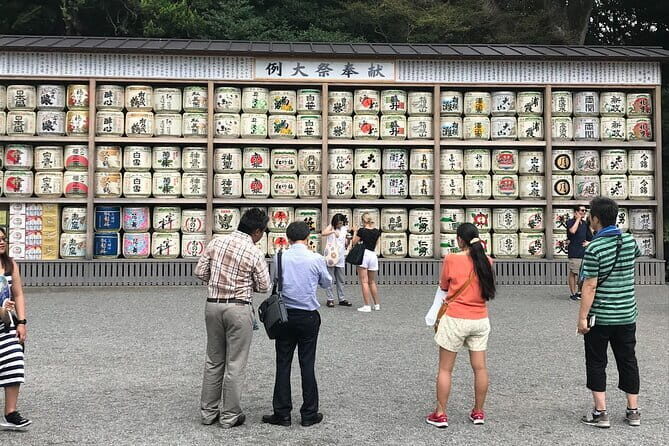
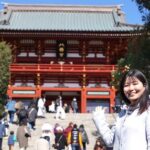
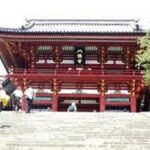
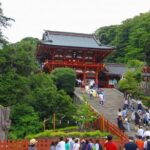
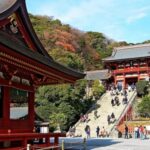
Next comes Tsurugaoka Hachimangu Shrine, about 30 minutes with free admission. This is the spiritual heart of Kamakura in the Shinto tradition, dedicated to the god associated with war and samurai.
Even if you don’t read Japanese plaques, the site layout teaches you something. You can watch how the main shrine spaces create a sense of procession, and the guide’s explanations help you connect that feel to the historical role Kamakura played.
I also like that this stop balances the earlier temple moment. You don’t just keep repeating “temple, temple, temple.” You switch from Buddhist icon to Shinto space, and by the time the tour moves on, you’re already seeing why Kamakura’s identity is more than one famous landmark.
Stop 3: The grave of Minamoto no Sanetomo and Hojo Masako—short, sharp, memorable
Stop three is brief—about 10 minutes—but it lands. You’ll visit the grave of Minamoto no Sanetomo and Hojo Masako, tied to the Kamakura shogunate story.
This is the kind of stop that’s easy to skip on your own because it’s smaller and less visually dramatic than the Great Buddha. With a guide, it becomes a “wait, that matters” moment. You learn why these names are tied to the city’s political and cultural weight.
If you like history that’s explained in plain terms, this is a good section. It’s short enough to keep your attention, but it gives the morning context that makes later temple and shrine scenes more meaningful.
Stop 4: Hokoku-ji bamboo grove—quiet air and included entry
Then you’re at Hokoku-ji, about 30 minutes, and admission is included. This is where you get the bamboo grove experience—cooler air, filtered light, and a feeling that you’ve stepped into a different pace.
This stop also includes a matcha moment in the real-world sense. There’s an optional green tea cafe inside the area, listed at 500 yen. I like having the choice here: if you want a break, it’s there; if you’d rather just walk and absorb the bamboo, you can do that too.
One small caution: this is a camera magnet spot, so you’ll want to watch where you stop. Stand somewhere you’re not blocking someone else’s view, then take your shots.
Yuigahama Beach: the seaside reset that keeps the day from feeling like sightseeing
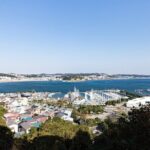
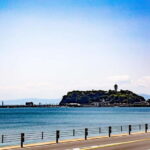
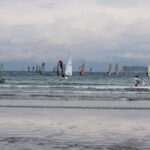
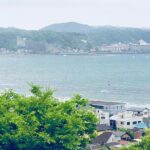
Between temples, the tour gives you Yuigahama Beach time. You’ll relax by the water and ride or walk the seaside road.
This is a genuine rhythm change. You’re not studying signs; you’re moving along the coast with the Pacific breeze, which helps you stay fresh for the final stretch. In summer, the beach gets busier, so if you hate crowds, you may want to treat this as a quick enjoy-the-moment portion rather than a long hang.
If you choose the bike mode here, you’ll likely feel the payoff of the day: temples in the morning, then a breezy coastal segment that makes Kamakura feel lived-in.
Stop 5: Hasedera—Kannon statue and coastline viewpoints
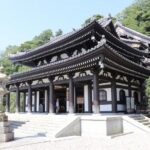
Next is Hasedera Temple in the Hase area, about 20 minutes with free admission. This is known for its gardens and coastline views, and the standout feature noted on the tour is a 9.18-meter tall wooden statue of Kannon, the Goddess of Mercy.
Twenty minutes sounds short, but the way it’s framed makes sense: you get enough time to see the statue and to take in at least one meaningful viewpoint without turning your schedule into a full temple marathon. If you’re the type who likes to do a quick “see the main thing, then enjoy the atmosphere,” this works well.
Practical note: viewpoints can depend on season and weather. Even on a regular day, bring a little patience for walking angles and steps around temple viewing points. Your guide helps you choose what’s worth your time inside the limited slot.
Stop 6: Egara Tenjin Shrine—learning-focused, calm finish
Finally, you’ll stop at Egara Tenjin Shrine (Egara Tenjin / Egara-Tenjin), about 10 minutes. Admission is included at this point, and the shrine is dedicated to Sugawara no Michizane, associated with scholarship and learning.
This last stop feels like a gentle wrap-up. After bigger sights and heavier historical markers, it’s a calmer place to end, with greenery and a quieter mood that helps your brain land after the day’s walking and pictures.
If you’re trying to remember the theme of the tour, this ending helps. You finish with a symbol of learning—fitting since the guide’s whole job is explaining what you’re seeing in a way that sticks.
Bikes vs walking: choosing the right pace for your group
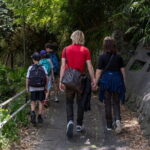
The big difference is energy and freedom. On a bike, you can cover more distance with less fatigue, which makes it easier to enjoy every stop without feeling drained. You’re also likely to appreciate the seaside road more on two wheels.
On foot, you’ll probably take in the details more slowly—textures, stairways, small shrine corners you might glide past. This can feel more intimate, especially around the temple approaches.
One more practical consideration: the tour notes it’s not recommended for kids under 13 who can’t ride an adult-sized bike. If you’re traveling with teens or mixed ages, it’s worth checking whether everyone can comfortably handle the bike option. If not, walking is the safer way to keep the day enjoyable.
What makes the guide matter (and why you’ll care later)
A lot of tours show you places. This one works because your guide connects the dots. Ichi’s approach is built from years of driving and guiding—so the explanations don’t feel like a lecture. They’re timed to what you’re seeing right now.
From what I’ve seen in the day-to-day feedback style around this tour, the standout part isn’t just that the guide speaks English. It’s that he gives clean context about Japanese culture and the historical role of Kamakura, without burying you in names.
The photo element also helps. You’ll get plenty of pictures through the day, which means you can enjoy the sites instead of constantly re-framing shots every time someone moves.
And yes, you may want rain gear. One set of experiences mentions doing the bike ride in the rain and having the guide handle the situation well. Even so, the tour is described as requiring good weather, so plan on bringing a light rain layer and having reasonable expectations.
Value check: is $150.24 worth it?
At $150.24 per person, this isn’t the cheapest way to see Kamakura—but it’s not priced like a luxury private driver either. The value comes from three things you’d otherwise pay for with more hassle:
- Private guide time for about 4 hours
- Included entry fees for the Buddha at Kotoku-in and Hokoku-ji
- A route that links multiple major stops plus Yuigahama Beach without you stitching together transit and walking on your own
If you try to DIY all these pieces, you’ll spend time figuring out connections, buying tickets at different moments, and managing pace across hills and longer gaps. Paying for a private guide makes sense when you want the day to feel smooth and meaningful.
Also, you’re choosing between bike and walking, and you can adjust your rhythm inside the tour time window. That flexibility is part of the “worth it” equation because it helps your group match the experience to your energy level.
Who should book this Kamakura tour
This is a strong fit if you want:
- A 4-hour Kamakura highlight route that covers big names plus a calming bamboo and beach reset
- Clear explanations that make temples and shrines easier to understand on the spot
- A private experience for a friend group or couple, rather than squeezing into a larger tour vibe
- The option to bike for efficiency or walk for a slower pace
It may be less ideal if your group includes younger kids who can’t comfortably ride an adult-sized bike (since that’s specifically called out).
Should you book it?
Yes—if your goal is to see Kamakura efficiently and understand what you’re looking at. The mix of Kotoku-in Great Buddha, Hokoku-ji bamboo, Hasedera with the Kannon, and Yuigahama Beach makes it feel like a real slice of the city, not just a checklist.
Book it especially if you want a guide-led day that saves you from logistics and adds context at each stop. If you’re traveling with everyone able to bike comfortably (or you know you’ll walk), this private format is a solid way to get real memories in a half-day.
FAQ
Can I choose between a bike tour and a walking tour?
Yes. The tour offers either a leisurely bike ride or a peaceful walking tour, and you can switch up your schedule within the tour time frame to match your pace.
How long is the Kamakura tour?
It’s about 4 hours.
What stops are included?
The tour includes Kotoku-in (Great Buddha), Tsurugaoka Hachimangu Shrine, the grave of Minamoto no Sanetomo and Hojo Masako, Hokoku-ji, Yuigahama Beach, Hasedera Temple, and Egara Tenjin Shrine.
What’s included in the price?
You get a professional guide, a private tour, and entry fees to Kotoku-in (the Buddha) and Hokoku-ji. Green tea, lunch, and personal expenses are not included.
Is this a private tour?
Yes. It’s a private tour, so only your group participates.
Does the tour run in bad weather?
The tour requires good weather. If it’s canceled due to poor weather, you’ll be offered a different date or a full refund.
![[Okinawa Blue Cave] Snorkeling with Private Guide+ Free Photos - Cape Maeda stop: the warm-up where fish spotting starts](https://images.thejapantraveler.com/wp-content/uploads/okinawa-blue-cave-snorkeling-with-private-guide-free-photos.jpg)